

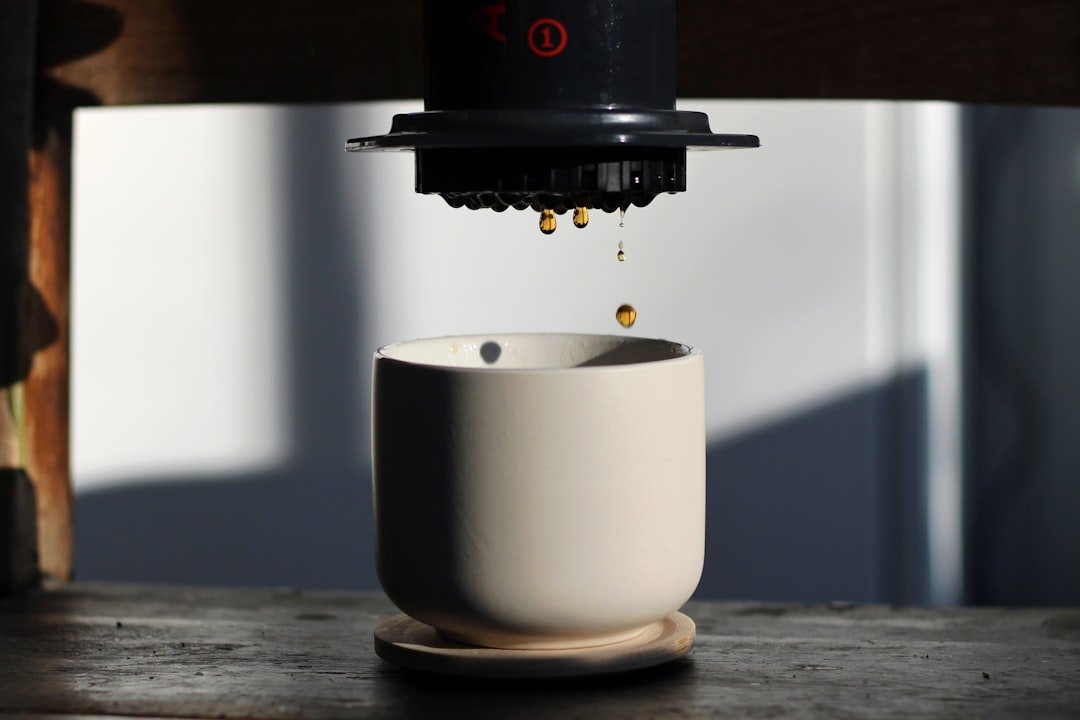
The best coffee brewer for real life is usually not the sexy one. It’s the one that still feels like a smart choice at 7:12 a.m., when your inbox is already being rude, your kitchen is the size of a carry-on, and you’ve got four minutes before your first meeting. Romantic? Not exactly. Useful? Molto. And on normal weekdays, useful tends to win.
That’s why the AeroPress vs French press and which one wins for everyday coffee debate is more interesting than coffee people sometimes make it sound. This isn’t just about flavor. It’s flavor plus friction. French press has that old-school café energy: rich, full-bodied, a little dramatic, very “I read novels on purpose.” AeroPress has cult status for the opposite reason. It’s fast, oddly forgiving, and almost suspiciously easy to clean. One feels like a ritual. The other feels like someone quietly fixed your morning.
And if you’re a young professional, student, remote worker, commuter, or honestly just a person with a calendar, the stakes are not small. You’re not choosing between two abstract brewing philosophies. You’re choosing between cleanup time, consistency, portability, batch size, and the odds that your cup will be excellent on a random Wednesday, not just on a slow Sunday with jazz in the background.
The hot take: the “best” brewer isn’t the one with the most coffee cred — it’s the one you’ll still love on a Wednesday at 7:12 a.m.
Coffee culture has a funny habit of talking about brewers like we all live in a gorgeous alternate universe where everyone owns a perfect grinder, measures to the tenth of a gram, and has emotional bandwidth for bloom phases before work. Adorable. Not always reality.
For everyday coffee, the winner is rarely the brewer that makes the most romantic cup. It’s the one that survives actual life. Rushed mornings. Tiny sinks. Inconsistent grind size. One eye open. A meeting in twelve minutes. A dish rack that’s already doing too much.
That framing matters, because French press and AeroPress appeal to two very different kinds of coffee optimism.
French press says: slow down, steep a while, enjoy the weight and texture, let coffee be a moment. AeroPress says: we can absolutely make this delicious, but we do not need to turn it into a project. Both are valid. Only one is usually better at coexisting with a normal schedule.
So this article isn’t asking which brewer is “objectively superior,” because that’s not really how brewing works. Extraction, filtration, agitation, contact time, and grind size all shape the cup, and both methods can make very good coffee if you know what you’re doing. The better question is simpler, and honestly more useful: which one wins when coffee has to fit into modern routines, not a slow-living mood board?
That’s where it gets interesting. Judge these brewers by taste alone, and French press has a real case. Judge them by taste plus cleanup, consistency, portability, and ease of repetition, and the balance shifts. Fast.
A little brewing science backs up this real-life lens. The Specialty Coffee Association’s educational resources emphasize that variables like brew time, grind distribution, water temperature, agitation, and filtration all affect extraction and sensory outcome. Translation: a brewer isn’t just a flavor machine. It’s a workflow machine too. And if a workflow annoys you, you’ll use it less often, less carefully, and with worse results. The brewer you actually enjoy using regularly is often the brewer that makes the best coffee for you, even if some other method makes a more impressive cup under ideal conditions.
That’s the whole thesis, really. Not glamorous, but true: the brewer that gets used consistently beats the brewer that gets admired occasionally.
Taste is where the debate gets dramatic: French press is louder, AeroPress is sharper
Let’s start where everyone starts: the mug.
French press coffee is usually heavier-bodied. That’s not just coffee poetry. It’s mostly about filtration. Because French press uses a metal mesh filter instead of paper, more oils and fine particles make it into the cup. Those oils can carry aromatics and create a richer mouthfeel, while the fines add texture and a kind of rustic density. Sometimes that reads as cozy and full. Sometimes it reads as muddy. Both can be true, depending on the coffee, the grinder, and your personal tolerance for sediment.
AeroPress, especially with paper filters, tends to make a cleaner, brighter cup. Paper traps more oils and fines, so the brew often tastes clearer and more defined. Acidity can feel crisper. Sweetness can show up more neatly. Origin notes — the citrus in an Ethiopian coffee, the chocolate and hazelnut in a Brazilian, the stone fruit in a washed Colombian — are often easier to pick out when they’re not wrapped in a layer of texture.
That filtration difference is not subtle. It can genuinely change how you experience the same beans. Blue Bottle and Stumptown, in their brew education materials, both discuss how filter type affects body and clarity, and that lines up with broader coffee science: more suspended solids usually mean more body; cleaner filtration usually means more separation between flavors.
Here’s the opinionated version: French press often feels more impressive on the first sip, but AeroPress often tastes better by the last sip.
Why? Sediment. The tiny villain.
In a French press cup, fine particles continue to extract after brewing, especially if the coffee sits around. That means the last few sips can get harsher, muddier, or more bitter than the opening ones. James Hoffmann has talked extensively in his educational content about French press technique and how fines and agitation affect the final cup. The “sludge at the bottom” stereotype exists for a reason. It’s not inevitable, but it’s common enough that most people know exactly what you mean.
AeroPress dodges a lot of that. With paper filtration and a shorter brew cycle, the cup usually lands with more precision and less drift. You get less grit, less over-extraction in the mug, and fewer unpleasant surprises at the end. If you like your coffee to taste like coffee, not coffee plus a spoonful of silt, that matters more than people admit.
Here’s the mildly nerdy part: paper filtration may also remove a meaningful amount of diterpenes like cafestol and kahweol, compounds found in coffee oils. Research has shown that unfiltered coffee methods tend to retain more of these compounds than paper-filtered methods. That doesn’t make French press “bad” or paper-filtered coffee “good,” because nutrition is never that tidy, but it is one more real difference between these cups beyond texture and aesthetics. Your brewer changes chemistry, not just vibes.
So which tastes better every day?
If you love a fuller, heavier cup and don’t mind some grit, French press can be deeply satisfying. It has presence. It feels café-ish. It can make dark roasts and chocolatey blends taste plush and generous.
If you want repeatable clarity, less bitterness, and a cleaner finish, AeroPress usually pulls ahead. It’s the sharper dresser of the two. Less bohemian. More put-together.
Neither preference is morally superior. This is coffee, not jury duty. But for daily drinking, a clean cup with fewer off-notes tends to wear better across the week than a dramatic cup that occasionally turns swampy.
AeroPress vs French press and which one wins for everyday coffee on usability
This is the part where French press fans sometimes get a little defensive, because usability sounds boring. But boring is exactly why it matters. The best everyday brewer is often the one that removes tiny annoyances before they become reasons you stop making coffee at home.
First: speed.
AeroPress can get you from kettle to cup in just a few minutes. Heat water, add coffee, pour, stir, press. Done. The exact timing depends on your recipe, but plenty of popular methods land around two to three minutes total brew time, sometimes less. French press usually wants a longer steep, commonly around four minutes, plus a little extra care before and during the plunge if you’re trying to reduce agitation and sediment.
Two minutes doesn’t sound life-changing until you’re late. Then it feels practically spiritual.
And speed isn’t just about the clock. It’s about mental load. AeroPress has fewer moments where things can get annoying. The brew is compact. The press itself is quick. You’re not standing there staring at a carafe of coffee wondering if you should skim the crust, wait another thirty seconds, or just plunge now and hope for the best.
Cleanup, though, is where this gets almost unfair.
AeroPress cleanup is absurdly easy. Remove the cap, eject the compressed puck of grounds into the trash or compost, quick rinse, done. It’s one of those designs that makes you wonder why more kitchen tools don’t behave this well. There’s a reason travelers, office coffee nerds, and people with very low tolerance for sink drama love it.
French press cleanup is... less chic.
You’ve got wet grounds sitting in the bottom of the carafe. You should not dump them down the drain unless you enjoy future plumbing conversations. So now you’re scooping or shaking out sludge, rinsing mesh, maybe disassembling the filter assembly if you’re being thorough, and dealing with a sink that looks like it just lost a minor altercation. On weekends? Maybe charming. On weekdays? Not reliably.
That tiny friction adds up. Behavioral science around habit formation makes this pretty clear: when a routine has even small barriers, compliance drops. Coffee is no different. If cleanup feels annoying, your “daily ritual” starts becoming a “sometimes ritual.” AeroPress stays in rotation because it asks so little from you after the good part.
Consistency is another quiet win.
French press is simple in theory: coarse grounds, hot water, steep, plunge. But simple does not always mean consistent. If your grinder produces too many fines, your cup gets silty. If your steep runs long, bitterness creeps in. If you plunge aggressively, you disturb sediment. If your “coarse” grind is actually kind of medium because your grinder woke up chaotic, the whole brew shifts. French press is forgiving in some ways, but also oddly vulnerable to grind quality.
AeroPress, by contrast, is famously adaptable. You can change grind size, brew time, water temperature, agitation, filter type, and dilution with a lot of room for success. The AeroPress manufacturer itself leans into this versatility, and that’s a big reason the brewer has such a loyal fan base. It’s not just that there are many recipes. It’s that many of them work well. The brewer absorbs inconsistency better than people expect.
That forgiveness matters if your grinder is decent but not café-tier, or if you sometimes eyeball things because, again, it is 7:12 a.m. If you also enjoy manual brewing but want to sharpen your stovetop game, this guide to common moka pot mistakes is a useful companion read.
Portability tips the scale even more.
AeroPress is light, compact, and durable. It slips into a backpack, office drawer, suitcase, or carry-on without making itself a whole situation. French press is often glass, bulkier, and slightly more precious. There are travel French presses, sure, but the classic version is not exactly begging to come on a work trip.
And that portability does something subtle: it helps keep your coffee consistent across locations. Home, office, hotel, Airbnb, train cabin if you’re living correctly — you can bring an AeroPress and keep some control over your mornings. That’s not niche. That’s modern life.

If you were labeling a side-by-side image here, the categories would tell the story pretty fast:
- Brew time: AeroPress wins
- Cleanup time: AeroPress wins by a lot
- Body: French press wins
- Clarity: AeroPress wins
- Portability: AeroPress absolutely wins
- Batch size: French press wins
That’s basically the whole matchup in six lines.
But French press still wins in one very important category: it behaves like a generous host
Before we hand AeroPress the crown and get smug about it, French press deserves a real defense.
Its biggest advantage is batch size.
French press is naturally better for making multiple cups at once. If you’re brewing for two people, or for yourself plus a generous refill, it just makes more sense. Most AeroPress recipes are built around a single cup or something close to it, unless you’re using a concentrate-and-dilute approach, sometimes called bypass brewing. That method works, but it’s not as inherently graceful as filling a larger French press and pouring for the table.
That makes French press more social.
Yes, that sounds a little lifestyle-magazine. Still true. A French press on the breakfast table feels hospitable. You brew once and let people serve themselves. It invites lingering. It suits brunch, conversation, pastry crumbs, someone asking for more hot water — all of it. AeroPress is more individual. It’s for a personal cup, a quick reset, a controlled little moment. French press says, “stay awhile.”
The ritual is part of the appeal too.
There’s something tactile about it: the bloom of grounds, the steeping carafe, the slow push of the plunger. It feels analog in a good way. Less engineered. More atmospheric. If you want coffee to feel like an event rather than a task, French press delivers that beautifully. It has a certain sprezzatura — that Italian idea of effortless style, even though, ironically, it can require more effort.
It’s also easier to explain to guests.
This is underrated. If someone is staying at your place and asks how to make coffee, French press instructions are almost offensively simple: add coarse coffee, pour water, wait, plunge. AeroPress is not difficult, but it can trigger an unnecessary “which method?” conversation that sleepy people did not consent to. Normal method? Inverted method? How much agitation? Dilute or no? Suddenly your houseguest is in a seminar.
Here’s the nuance French press fans deserve: it does not lose the everyday argument because it makes bad coffee. It loses because modern schedules are hostile to anything that creates extra cleanup and inconsistency.
That’s a very different criticism.
If your mornings are slower, your grinder is good, your sink is forgiving, and you regularly brew for more than one person, French press can absolutely be the better fit. It’s especially strong at home, where its weaknesses matter less and its strengths — body, volume, ritual — matter more.
There’s also a flavor argument here that shouldn’t be brushed off as nostalgia. Some coffees really do sing with more body and oil in the cup. A big chocolatey blend, a nutty medium roast, something low-acid and comforting — French press can make those taste expansive and soft in a way paper-filtered brewing won’t. It’s less about precision and more about abundance. Very host behavior.
So which one wins for everyday coffee? For most people, it’s AeroPress — and the reason is boring in the best way
Here’s the clean verdict: for most solo drinkers, AeroPress wins everyday coffee.
Not because it’s cooler. Not because it has more internet lore. Not because coffee Reddit said so while arguing about bloom ratios. It wins because it balances the things that matter most on ordinary days: speed, flavor clarity, consistency, cleanup, and portability.
That reason is a little boring. Which is exactly why it’s such a good reason.
The brewer that improves your coffee life is usually the one you’ll actually use, half-awake, repeatedly, without resentment. AeroPress fits that brief better than French press for most people living modern, mildly chaotic lives. It gives you a very good cup with less room for mess, less sediment, and less post-brew cleanup drama. It asks less, and still delivers.
French press remains excellent for specific people and specific moods. If you prioritize full body, brew for more than one person, and genuinely enjoy a slower process, it can still be the right choice — especially at home, where you’re not trying to compress your morning into a tiny gap between alarms and obligations.
But if the question is AeroPress vs French press and which one wins for everyday coffee, the answer for most people is AeroPress.
Here’s the practical framework:
Choose AeroPress if you want:
- One great cup, fast
- Cleaner flavor and less sediment
- Easier cleanup
- Better consistency with less fuss
- A brewer you can travel with, keep at work, or stash anywhere
Choose French press if you want:
- A fuller, heavier cup
- To brew for more than one person often
- A more tactile, relaxed ritual
- A brewer that feels at home on a shared table
- To lean into texture over precision
The smartest coffee choice is not the one that impresses the internet. It’s the one that makes your daily cup easy enough to repeat and good enough to look forward to. That’s the whole thing. No medals. No purity test. Just better mornings.
And honestly? Better mornings are enough. If you like practical brewing comparisons, you may also enjoy our moka pot troubleshooting guide for another everyday method that rewards a few smart adjustments.
Sources
- AeroPress, https://aeropress.com/
- James Hoffmann YouTube Channel, https://www.youtube.com/@jameshoffmann
- Specialty Coffee Association, https://sca.coffee/
- Blue Bottle Coffee, https://bluebottlecoffee.com/
- Stumptown Coffee Roasters, https://www.stumptowncoffee.com/
- Harvard T.H. Chan School of Public Health, https://www.hsph.harvard.edu/nutritionsource/food-features/coffee/
Frequently Asked Questions
Is AeroPress better than French press for everyday coffee?
For most solo coffee drinkers, yes. AeroPress is usually faster, easier to clean, more portable, and more consistent on busy mornings, while still making an excellent cup.
Does French press make stronger coffee than AeroPress?
French press often tastes fuller and heavier because more oils and fine particles stay in the cup. AeroPress can still brew a strong cup, but it usually tastes cleaner and less textured.
Which is easier to clean: AeroPress or French press?
AeroPress is much easier to clean for most people. You simply eject the coffee puck and rinse, while French press cleanup usually involves wet grounds, mesh filters, and more sink mess.
Can AeroPress make coffee for more than one person?
Yes, but it is naturally better suited to one cup at a time. You can brew a stronger concentrate and dilute it, though French press is generally more convenient for serving multiple people.
