
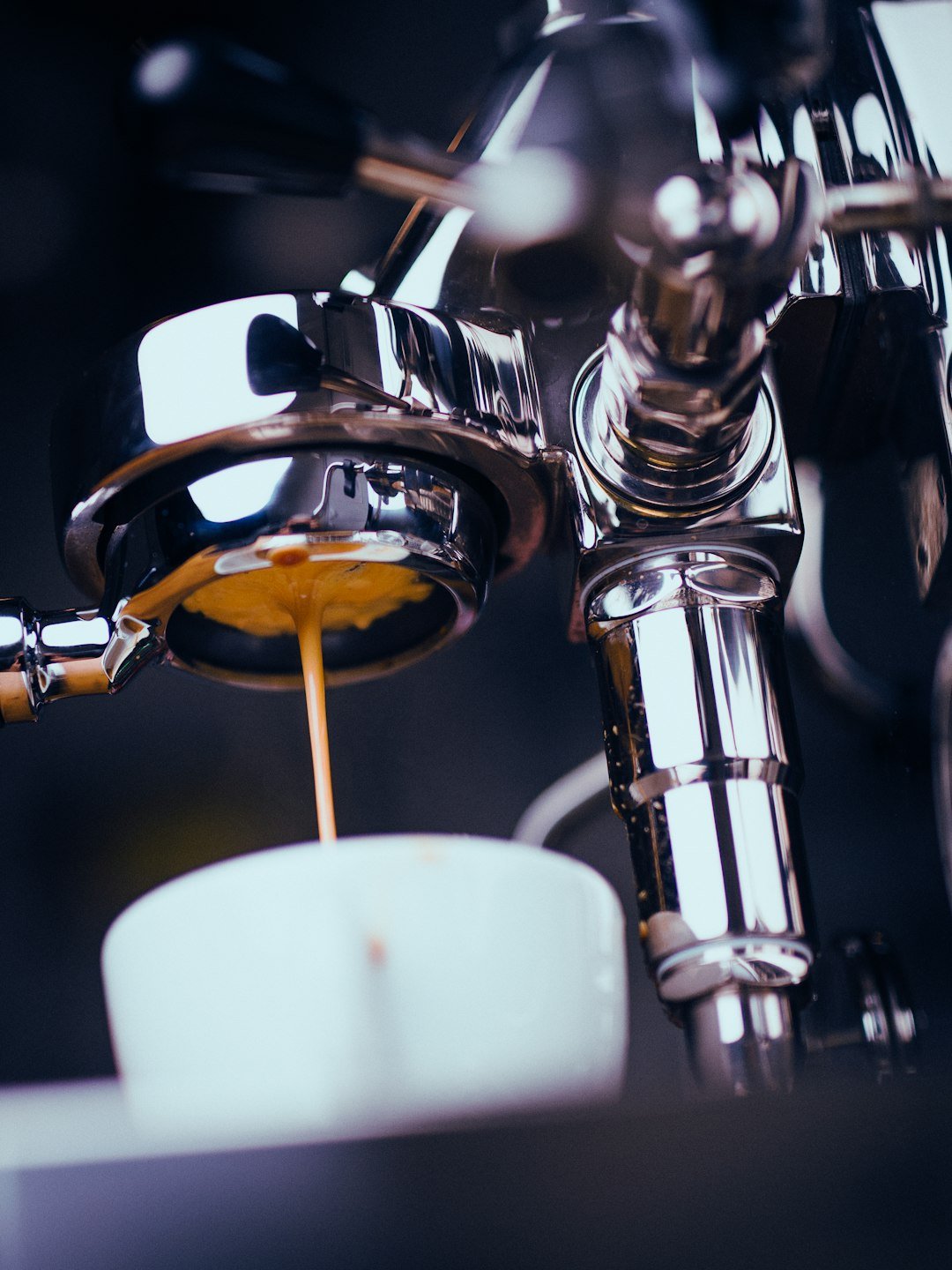
caffe americano gets mocked for being espresso with commitment issues. Fine. It still does exactly what plenty of people need coffee to do: taste good, last longer than 40 seconds, and survive a workday without turning into sweet dairy soup.
In Italy, espresso culture grew up at the bar. You step in, order, trade two words with the barista, drink your shot standing up, and get on with your life. In the U.S., coffee has a different job. It commutes. It sits through meetings. It watches you answer 47 Slack messages and one email marked “quick question,” which is never a quick question.
That gap matters. Daily Coffee News, citing the National Coffee Association’s Fall 2026 data, reported that Americanos reached 10% past-week consumption among U.S. adults. The same report found 38% of past-day coffee drinkers had coffee outside the home, the highest level since January 2020. So yes, the Americano has a reputation problem. It also fits how people actually live.
What is a caffe americano?
A caffe americano is espresso with hot water added, usually one or two shots topped with about 4 to 6 ounces of water. It keeps espresso’s aroma and structure but turns it into a longer cup you can drink more slowly, making it different from both straight espresso and drip coffee.
Simple drink. Weirdly controversial.
People love to act like it’s drip coffee wearing nicer shoes. The cup says otherwise. Drip coffee is brewed by running water through grounds over time. An Americano starts with extracted espresso, then gets stretched with water. Same broad family, different route to the cup. A long black sits nearby too. Many cafés make it by pouring espresso over water, which usually keeps more crema on top.
If you’ve spent any time in Italy, this is where the side-eye starts. Traditional bar coffee means espresso, often taken standing at the counter and finished fast. It’s taste, timing, and a bit of social choreography. You don’t usually camp out for 45 minutes with a tiny cup and a laptop full of tabs you swear are all essential.
The baggage around “Americano” has always been about dilution. Fine. Coffee people can be a little theatrical. The wartime origin story gets dragged back out every few months, but most people order one for a much less cinematic reason: espresso flavor, more volume, better pacing. The NCA has tracked coffee behavior since 1950. This drink has been around long enough to stop acting like it needs a defense attorney.
And if you’re quietly wondering whether ordering one makes you look unsophisticated, relax. Good espresso makes a good Americano. Bad espresso gets exposed immediately. Hot water is a snitch.
the anti-dessert order, in the best way
Walk into a café in 2026 and the menu can read like a bakery with excellent branding. There’s shaken brown sugar espresso. There’s tiramisu coffee. There’s a seasonal drink inspired by a cake someone’s cousin posted from Seoul at 1:12 a.m. Some of these are genuinely great. Some are one step away from needing a spoon.
The Americano feels sharper in that lineup because it leaves the espresso nowhere to hide.
You can see the bigger shift across coffee culture. In San Jose, Hijau Coffee built signature drinks around Indonesian flavors, including a Klepon Latte and a Nastar Latte, according to Daily Coffee News. In Denver, Yah Yah Yah launched Middle Eastern-inspired ready-to-drink coffee and landed in Whole Foods’ 2026 LEAP cohort after being chosen from more than 2,000 applicants. Cafés are pulling in family desserts, regional flavors, and personal history. That makes menus more interesting. It also gives coffee a little more soul.
Still, some days you want a drink that can sit next to a laptop without becoming a melted milk puzzle. The Americano handles that beautifully. It holds up longer than a milk-heavy drink, and it gives you enough coffee to think in complete sentences before 10 a.m. If you’re part of the huge out-of-home coffee crowd, that matters. The NCA’s latest report put past-week specialty coffee consumption at 59%, tying traditional coffee at 59%.
There’s also a certain confidence to ordering one. You want espresso flavor. You also want enough liquid to make it through your inbox. Very reasonable. For home or office days, that’s why something like Pascucci’s Americano Instant sample feels useful in a very unglamorous, very real way. It gets you a longer espresso-style cup without the café detour or the break-room pod gamble.
why Italians side-eye it, then quietly get it
Italian coffee rules make more sense than people think. They’re mostly about occasion.
A cappuccino after about 11 a.m. can still earn you a raised eyebrow because milk-heavy drinks belong to the morning in a lot of Italian minds. Espresso at the bar is about speed and routine. You walk in, order, drink, pay, leave. In plenty of places, the whole thing takes less time than opening your banking app and pretending you’re going to check your budget.
So yes, many Italians will look at a large Americano and think, “Mamma mia, that’s a lot of water.” Fair enough. But Italians understand context better than outsiders give them credit for. Italy built coffee around short pauses. American work life built coffee around desks, trains, app orders, and hybrid schedules where your office may be a kitchen table on Tuesday and a coworking bench on Thursday. The NCA data behind Daily Coffee News came from 1,882 U.S. adults surveyed June 8–24, 2026. That sample tells you a lot about the world this drink lives in.
The Americano also earns respect for one simple reason: it exposes the espresso. Milk can soften a rough roast. Syrup can cover a clumsy shot. Water keeps the flavor in plain view. If the extraction is sharp, hollow, or over-roasted, you’ll know. If you want a deeper look at how espresso standards shape taste, see The Perfect Espresso Extraction Time Explained.
At the 2026 Roast Summit in Portland, Daily Coffee News reported sessions where pros including Nicki Amouri discussed variables such as charge temperatures and turnaround times. Laila Ghambari spoke on café profitability, and Scott Merle led a tasting on how processing methods show up in the cup. That level of detail matters when you’re drinking an Americano. You’re tasting the espresso with the volume turned up.

where it fits in espresso culture now
A caffe americano fits espresso culture perfectly well in 2026 because espresso culture itself has widened. The old image still matters: a quick shot at the bar, maybe a glass of water on the side, a minute of conversation, then out the door. That ritual is still beautiful. It’s also no longer the only way people drink coffee.
Sprudge reported that Coffee People Zine returned in 2026 for Issue 26 with 80+ contributors around the theme “Enough.” Founder Kat Melheim described coffee as a place for art, offline connection, and community. That feels right. The best cafés now have an actual point of view. They don’t flatten everything into generic lifestyle wallpaper and call it a concept.
The Americano keeps its place in that world because it’s flexible without being fussy. A cold espresso hits when you want something brisk and concentrated. A shaken brown sugar espresso is all lift and texture. A tiramisu coffee has dessert energy and knows it. The Americano does something quieter. It gives you espresso flavor in a format that works whether you’re standing at a bar for three minutes or answering emails for forty.
If you’re building a morning routine, that matters more than coffee snob points ever will. The smartest order often respects the bean and your calendar equally. A well-pulled Americano does that with very little fuss. Very Italian, actually, once you stop obsessing over the water. For a related look at how coffee habits become daily identity, read Ritual Coffee—Why Italians Make It a Daily Rule.
Frequently Asked Questions
What is the difference between caffe americano and espresso?
A caffe americano starts with espresso, then adds hot water to create a longer, slower-drinking cup. Espresso is more concentrated, while an Americano keeps the same base flavor in a less intense format.
How does a caffe americano fit into espresso culture?
It fits because espresso culture is no longer limited to a fast shot at the bar. The Americano keeps espresso at the center while adapting it to longer routines, workdays, and modern café habits.
Is cold espresso the same idea as a caffe americano?
Not quite. Cold espresso stays concentrated and brisk, while a caffe americano stretches espresso with water for more volume and slower pacing. They share an espresso base but serve different moods.
Why do people choose caffe americano over shaken brown sugar espresso or tiramisu coffee?
Many people want espresso flavor without milk, syrup, or dessert-like sweetness. A caffe americano is simpler, holds up longer, and works better when coffee needs to last through a commute or work session.
Sources
- NCA: More Americans Are Drinking Specialty Coffee and Ordering by App — https://dailycoffeenews.com/2026/09/15/nca-more-americans-are-drinking-specialty-coffee-and-ordering-by-app/
- Yah Yah Yah Pours Middle Eastern Flavor Into RTD Coffee — https://dailycoffeenews.com/2026/09/28/yah-yah-yah-pours-middle-eastern-flavor-into-rtd-coffee/
- Hijau Coffee Brings the Flavors of Indonesia to San Jose — https://dailycoffeenews.com/2026/09/16/hijau-coffee-brings-the-flavors-of-indonesia-to-san-jose/
- Coffee People Zine Returns For Issue 26 — https://sprudge.com/coffee-people-zine-returns-for-issue-26-1325316.html
- Scenes from the 2026 Roast Summit in Portland, Oregon — https://dailycoffeenews.com/2026/10/06/scenes-from-the-2026-roast-summit-in-portland-oregon/
