

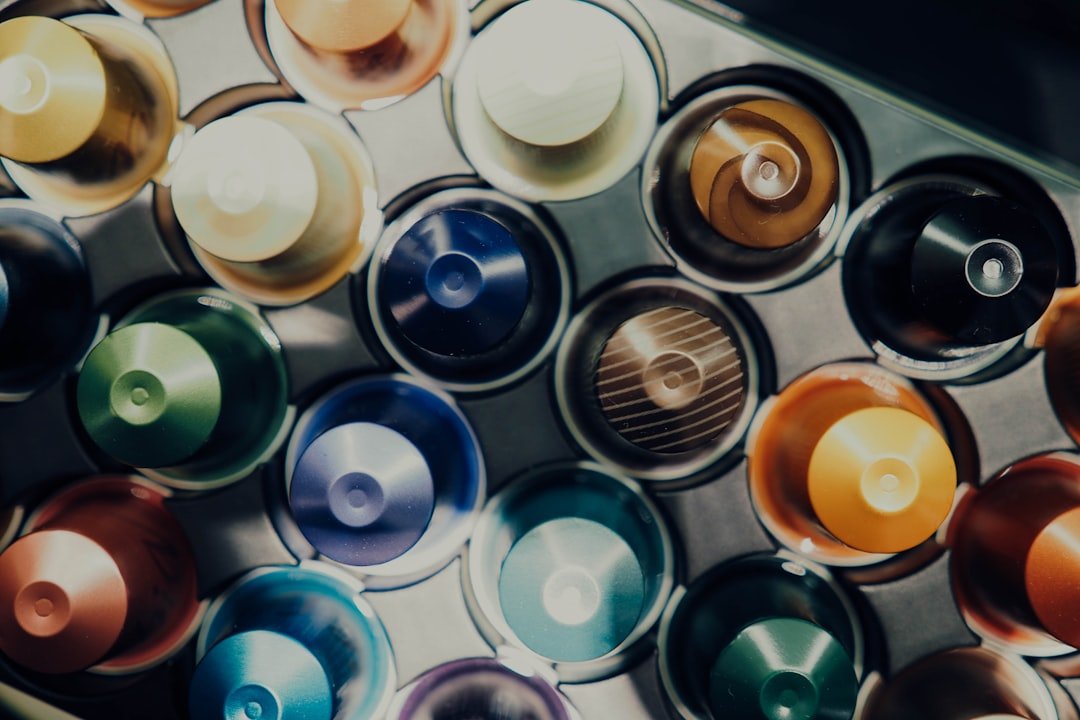
Capsule coffee has gotten genuinely good and here is why: the snobbiest thing you can say about capsule coffee in 2026 might also be the most dated take in the room.
For years, pods lived in the same mental category as sad office coffee and emergency guest supplies — something you tolerated, joked about, or bought in a panic when your in-laws were coming over. But quietly, and a little inconveniently for the skeptics, capsule coffee got good. Not “good for a pod.” Just good. The kind of good that makes some very confident old coffee opinions sound a bit stuck in amber.
And no, that did not happen because people suddenly got less picky. The format got better. Freshness protection improved. Roast design improved. Brewing systems got more precise. Brands finally stopped treating capsules like tiny plastic caffeine helmets and started treating them like a real brewing format with actual technical strengths. This is not a story about convenience beating quality. It is about convenience forcing coffee companies to engineer quality more seriously than a lot of loose coffee ever gets engineered at home. No, capsules have not replaced your favorite café or your lovingly fussy Saturday pour-over. Relax. The point is simpler than that: the gap between “serious coffee” and “pod coffee” is now a lot smaller than coffee discourse likes to admit.
The biggest reason capsule coffee improved? Freshness got engineered, not hoped for
If you want the least glamorous and most important reason capsule coffee tastes better now, here it is: protection.
Coffee is dramatic. The second roasted beans are ground, they start losing volatile aromatic compounds — the molecules behind florals, fruit, caramel, toasted nuts, chocolate, all the good stuff. Oxygen gets in. Light starts meddling. Humidity joins the group chat. And suddenly that bag of pre-ground coffee you sealed with a random chip clip is giving “brown liquid” instead of anything memorable.
Capsules got better because they went straight at that problem.
One of the more useful source-backed points here comes from Mining Weekly, which notes that aluminum capsules are used in part because they provide a strong barrier against oxygen, light, and humidity, helping preserve freshness and aromas more effectively than many consumers assume. That matters because freshness in coffee is not just a marketing mood. It is chemistry. If the format protects aromatics better, the cup has a real advantage before brewing even starts.
That is the slightly awkward truth for a lot of coffee people: a well-sealed capsule can preserve flavor better than a bag of pre-ground coffee slowly fading in a kitchen cabinet. Not always. Not universally. But often enough to make the old “capsule = stale by definition” argument look pretty thin.
And this is where capsule coffee has gotten genuinely good and here is why stops sounding like a hot take and starts sounding like a shelf-stability plot twist. Capsules solved one of coffee’s oldest problems — pre-ground coffee going stale — by making freshness part of the system. Not a wish. Not a storage hack. Not “consume within two weeks for best results” in six-point font that everyone ignores except one guy with twelve jars and a vacuum canister.
That is a big deal.
For decades, pre-ground coffee quality depended on the user doing everything right after purchase: sealing it well, storing it away from heat and light, brewing it before it faded, and using enough of it quickly enough that “fresh enough” still meant something. Capsules flipped that. Protection became the default. You do not need discipline. You do not need a ritual. You need a machine and one reasonably functional hand.
There is also a less obvious upside: sealed capsules preserve intent. Roasters can build a flavor profile and feel a lot more confident that what lands in your cup resembles what they designed. That is not sexy in a rustic, hand-labeled-bag sort of way. But it is wildly effective.
A small Italian word fits here: precisione. Precision. Capsule coffee improved when brands stopped hoping your storage habits would cooperate and started engineering around the fact that most people are busy, distracted, and very possibly still half asleep.
Consistency used to be the boring part. Now it is the flex
There was a time when “consistent” sounded like the least flattering thing you could say about coffee. It felt like code for safe, flat, forgettable. Specialty culture taught people to admire nuance, variation, and all the little differences that come from changing grind size, water temperature, bloom time, dose, and pouring technique. And sure, that can be beautiful. On a calm morning. On a weekend. When you are not answering emails in sweatpants while trying to find your charger.
But weekday coffee has different emotional needs.
Most people do not want a brewing hobby before 9 a.m. They want a cup that tastes good every single time. Not amazing on Saturday and weirdly sour on Tuesday. Not perfect when they are focused and muddy when they are rushed. Just good. Reliably. Without having to cosplay as a barista before the first meeting.
This is where capsules got quietly impressive.
Capsule systems control dose, grind range, and water flow far more tightly than most home brewers ever will on a rushed morning. The amount of coffee is fixed. The grind is chosen for the system. The machine is calibrated to push water through that coffee in a repeatable way. User error drops. Variability drops. The odds of a decent cup go way up.
That sounds obvious, but it matters more than people think. A lot of “bad coffee at home” is not actually bad coffee. It is inconsistent brewing. Too much coffee one day, too little the next. Water too hot. Water too cool. Uneven extraction. Old grounds. Wrong ratio. A pour-over that looked cinematic on Instagram and tasted like wet cardboard in real life. If you enjoy manual brewing, pour-over technique barista champions actually use shows just how many variables skilled brewers manage on purpose.
Capsules reduce that chaos.
And no, consistency is not boring if the underlying coffee is well designed. Consistency is the flex. It means the flavor profile was built to survive reality.
Specialty coffee culture sometimes got a little too romantic about variation. But most drinkers do not experience variation as terroir poetry. They experience it as confusion. Why did this taste amazing yesterday and off today? Why does this café bean I love at the shop taste disappointing at home? Why am I spending money to be humbled by a burr grinder before breakfast?
Modern capsule coffee improved because brands stopped treating pods as generic dark-roast delivery systems and started designing them as specific flavor experiences with repeatability. That is a very different mindset. It says the format is not just about convenience — it is about controlling enough variables that the coffee can actually show up properly.
You can see that shift in capsules built around clear profiles rather than vague intensity theater. A capsule like ALTURA is a good example of modern thinking: the point is not only that it is convenient, it is that the flavor profile feels intentional rather than anonymous. And if you lean bolder, MAMA AFRICA is the counterpoint that proves capsules no longer have to collapse into sameness. Different profile. Different mood. Still precise. That matters because it shows the category has moved from “one pod fits all” to actual sensory design.
That is not minor progress. That is the category growing up.
Better capsules happened when brands realized people want flavor, not just caffeine in a tiny helmet
Older capsule coffee had a very specific coping strategy: roast darker, shout louder, and hope nobody asked follow-up questions.
If you have been drinking coffee long enough, you know the profile. Bitter. Smoky. Heavy. “Strong” in the sense that it tastes like someone cranked the contrast all the way up. The goal was often to mimic espresso intensity rather than create a balanced, expressive cup. And because capsules were judged mostly on convenience, a lot of brands got away with one-note roasty profiles that felt vaguely espresso-adjacent but not especially delicious.
That strategy does not work as well anymore because drinkers are more flavor-literate now.
You do not need to be a Q grader or a barista champion to know the difference between strong and interesting. Plenty of people now expect coffee to show sweetness, fruit, caramel, citrus, cocoa, nuts, spice, or floral notes depending on the roast and blend. Coffee culture made more people aware of sensory nuance, and capsule brands had to catch up. If a pod tasted flat, people noticed. If every option tasted like “burnt, but premium,” that got old fast.
So the newer generation of capsule coffee started doing something smarter: it stopped trying so hard to impersonate café espresso and focused instead on being a well-designed single-serve brew format with its own strengths.
That is a subtle shift, but an important one.
Good capsule coffee does not have to win by pretending it was pulled on a multi-thousand-dollar machine by a barista named Luca with perfect forearm tattoos. It wins by being aromatic, balanced, specific, and reliable in a format built for real life. It can show sweetness. It can show structure. It can show actual character. It can even surprise you a little, which is not something the old pod stereotype prepared anyone for.
That is why distinct tasting profiles matter more than ever in capsules. If the coffee is sealed well and brewed consistently, there is room for the blend’s identity to actually come through. A stronger profile can be rich and assertive without tasting scorched. A smoother profile can be elegant without reading as weak. Those differences used to get flattened by poor freshness and generic roast design. They do not have to anymore.

The old stereotype said capsule coffee was bitter, dull, and weirdly hollow. The modern reality is a lot more interesting: sealed, aromatic, profile-driven, and convenient in a way that does not automatically punish flavor. That is a meaningful upgrade, and it happened because brands finally accepted that people want more than caffeine. They want taste. They want clarity. They want their quick coffee to still feel like coffee, not a compromise in nice packaging.
The real plot twist: capsule coffee got better because coffee culture got less performative
This one is a little spicy. Just a little.
The anti-capsule stance was never only about taste. Some of it was about identity. Brewing methods can become little status signals. They say something about your standards, your patience, your knowledge, your willingness to own a kettle that looks like lab equipment. For a while, the ritual itself carried a lot of weight. Grind fresh. Pour slowly. Measure everything. Post it. The process became part of the pleasure — and, if we are being honest, part of the flex.
There is nothing wrong with that. Ritual can be beautiful. We are Italian; we respect a good ritual. But somewhere along the line, coffee culture occasionally drifted into performance. If your brew method looked serious enough, people assumed the coffee must be better too.
Then real life showed up.
Work-from-home schedules, hybrid routines, tighter mornings, and general modern chaos changed what people actually needed from coffee. A lot of us discovered that the idealized morning routine — ten free minutes, full attention, zero interruptions, meditative kettle pour — is lovely in theory and fragile in practice. The dog barks. Slack pings. Your meeting gets moved up. Suddenly your carefully curated ritual is one toddler meltdown away from becoming instant coffee.
That shift made convenience feel less like laziness and more like honesty.
And here is the part coffee culture had to catch up to: convenience is not automatically the enemy of quality. Sometimes convenience protects quality because it reduces user error. It removes variables. It keeps you from eyeballing the dose, forgetting the timer, or brewing with grounds that have been open since who knows when. Low-friction systems can produce better results precisely because they are designed for how people actually behave, not how coffee forums wish they behaved. The same logic explains why many home brewers still compare low-effort formats in pieces like AeroPress vs French Press for daily use.
That is a bigger cultural change than it sounds.
Modern luxury increasingly looks like low-friction excellence. Not extra ceremony for its own sake. Not complexity as proof of worth. Just something done very well, with less effort required from you. Good tailoring. Good design. Good software. Good coffee. The premium move now is often that it works beautifully without asking you to become part-time staff.
That is why premium capsule formats feel more credible than they used to, especially when coffee brands with actual heritage take the format seriously instead of treating it like an accessory to an appliance ecosystem. There is a difference between making pods as a side hustle and approaching single-serve coffee with genuine roast and flavor intent. You can taste that difference.
So yes, capsule coffee got better because the technology improved. But it also got better because coffee culture became a little less theatrical and a little more grounded in the question people actually care about: does it taste good, consistently, in my actual life?
That is a much better question.
No, capsules did not magically become perfect — but the criticism needs an update
To be fair, not every capsule is good. Some still taste like scorched convenience and regret. The format itself does not guarantee quality. A bad roast in a capsule is still a bad roast. A dull blend sealed perfectly is still dull. The point here is not that capsules are flawless. It is that the old criticism is now too blunt to be useful.
“Capsules are bad” once felt like a complete opinion. Now it mostly sounds under-researched.
The more useful question is which capsule systems preserve flavor well, and which brands are actually investing in the format as coffee rather than just packaging. That is a better filter because it reflects what is actually happening in the category: some companies are treating capsules as serious brewing tools, while others are still shipping intensity theater in a tiny pod.
The sustainability critique also deserves a more grown-up conversation. Blanket statements like “pods bad, everything else good” flatten a much more complex reality. Material choice matters. Recovery infrastructure matters. Whether a system is recyclable or compostable matters. Whether people actually have access to those pathways matters too.
The Mining Weekly piece is useful here again because it highlights a circular model built around collection and recovery infrastructure, arguing that capsule systems can fit into a more responsible materials loop when there is a real process behind them. Specifically, it describes how used capsules can be recovered and reintegrated into material value streams rather than simply going to landfill. That does not mean every pod system everywhere gets a free pass. It means the conversation has matured beyond simplistic internet hot takes.
That same nuance applies to compostable formats, which are part of why the category feels more credible now. If brands can pair real flavor quality with better material choices, the whole “quality versus conscience” binary starts looking less inevitable. Quietly, blessedly, less stupid.
And that is really the heart of it: capsule coffee has gotten genuinely good and here is why. Freshness is better protected, brewing is more controlled, flavor design is more intentional, and the culture around coffee is less obsessed with treating effort itself as proof of quality. Capsules did not improve because consumers gave up. They improved because the format finally got taken seriously.
If you want the easiest way to test that claim, do a blind tasting at home. Seriously. Brew one respected modern capsule. Brew one cup from that open bag of pre-ground coffee that has been sitting in your kitchen looking innocent. Taste both without labels. You may discover that your coffee ego has been relying on older assumptions than your palate has.
A little rude to your pride, maybe. Very useful for your mornings, definitely.
Frequently Asked Questions
Why does capsule coffee taste better now than it used to?
Modern capsule coffee tastes better because freshness protection, roast design, and machine precision have all improved. Better sealing and more intentional flavor development mean the coffee keeps more aroma and brews more consistently.
Are coffee capsules fresher than pre-ground coffee?
They often can be, especially when capsules use strong barriers against oxygen, light, and humidity. A well-sealed capsule may preserve aromatics better than an opened bag of pre-ground coffee stored in a kitchen cabinet.
Is capsule coffee as good as specialty coffee?
Capsule coffee does not replace a great café or a carefully brewed manual cup, but the gap is much smaller than it used to be. The best capsules now deliver balanced, flavorful coffee with impressive consistency and convenience.
Are coffee capsules always bad for sustainability?
No, the sustainability picture depends on materials, recycling or composting systems, and whether recovery infrastructure actually exists. Some capsule systems are being designed with circular collection and material recovery in mind, which makes the conversation more nuanced than simple anti-pod claims.
Sources
- Mining Weekly, https://www.miningweekly.com/article/closing-the-loop-on-a-widely-misunderstood-waste-stream-coffee-pods-2026-05-15
- Fresh Cup, https://freshcup.com/
- Sprudge, https://sprudge.com/coffee-gear-coffee-gear-coffee-gear-994055.html
