
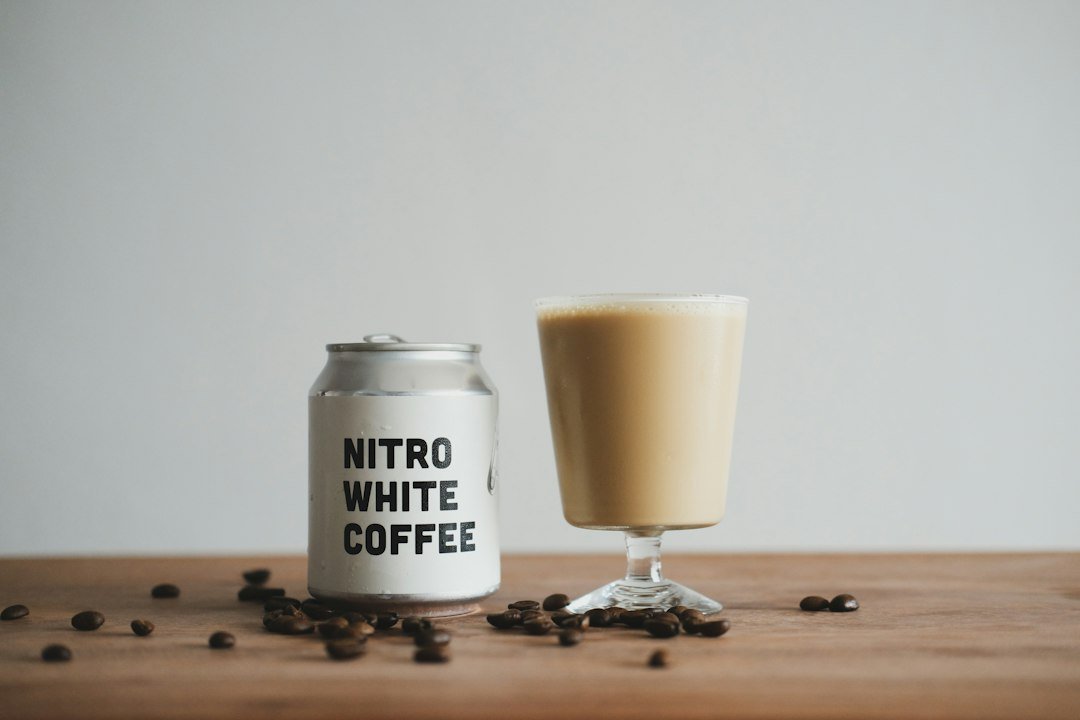
Cold espresso is one of the smartest orders on the board.
Forget the saintly branding and the little leaf icon some cups wear like a medal. A simple cold espresso usually asks less of the café, cuts down on remakes, and dodges the whole annoying chain reaction of extra syrup, another lid, a second cup, plus that weary “sorry, let me redo that.”
Cold coffee stopped being a seasonal fling a while ago. It’s infrastructure now. Daily Coffee News reported on September 15, 2026 that 48% of U.S. adults drank specialty coffee in the past day, and 38% drank coffee outside the home, citing National Coffee Association data collected June 8–24, 2026 from 1,882 adults. Pascucci’s own reporting also cited Fresh Cup saying three out of four drinks sold at U.S. Starbucks stores are cold. That is a lot of ice. A lot of cups. And a lot of chances to either run a clean system or make a watery little mess before 9 a.m.
Is cold espresso actually more sustainable?
Usually, yes. A simple cold espresso or iced Americano often creates less waste because it uses fewer ingredients, causes fewer mistakes, and needs fewer remakes than more customized cold drinks. When cafés repeat that simpler build all day, the sustainability gains add up quickly.
The advantage is simple: a clean build wastes less. Espresso over ice. Maybe water, if you want an iced Americano. Done. Fewer ingredients mean fewer mistakes, and fewer mistakes mean fewer remakes.
That sounds less glamorous than a certification badge, but it’s more useful when you’re standing at the counter with your keys in one hand and your dignity in the other. Pascucci’s September 2, 2026 piece on iced americanos versus iced coffee made the point clearly: the lower-waste choice is often the simpler one. A plain cold espresso or iced americano has a short ingredient list and fewer ways to go sideways. Add milk, syrup, cold foam, maybe a drizzle, then the footprint starts to balloon. Like airline baggage fees, except stickier. For a related breakdown, see iced coffee vs iced americano—Which Is Greener?.
A lot of café waste comes from drinks that miss on the first try. If a cold drink shows up watery, too sharp, or weirdly diluted, somebody has to pull more espresso, scoop more ice, grab another cup, then do the whole thing again. That’s why the Segafredo launch covered by BevNET on September 1, 2026 was more interesting than the average product-news filler. The company pitched cold espresso as a fix for speed of service, labor pressure, and quality control. Cafés care because every redo burns coffee and patience. It also burns minutes they do not have.
Scale changes the math fast. The same NCA numbers reported by Daily Coffee News show 59% of adults drank specialty coffee in the past week. Once millions of outside-the-home drinks are moving through cafés, the sustainability question shifts from one virtuous bean to the whole setup around it. A clean drink repeated all day matters. So does a sloppy one.
Cold espresso has become a labor strategy
The industry talks about cold coffee in a much less romantic way now. More workflow, less poetry. Very Italian, honestly. If the bar can make it elegant and fast, why choose chaos?
The Segafredo release said its cold espresso arrived ahead of Q4 demand to solve operational bottlenecks. Corporate wording, sure. Still true. Espresso drinks slow lines down, and cold formats that stay stable and repeatable help cafés move people through without turning the bar into a live-action group project.
BevNET also cited Datassential Menu Trends showing the Espresso Martini had +213% four-year menu growth. Once espresso starts showing up in cocktails, zero-proof drinks, dessert cases, and every other hospitality side quest, prepped cold espresso starts to look very practical.
Fresh Cup made a similar point on September 16, 2026 in its preview of the Current Coffee Summit in St. Louis, set for September 29–30. Randy Anderson was slated to talk about cold coffee concentrate and batch espresso. Chris Maybury was there too, known for pushing pre-batch espresso. Those are shop-floor conversations. Cafés are testing pre-batching, automation, plus chilled espresso because pulling every shot à la minute for every cold drink gets expensive fast.
Then there’s customer pressure. Hardtank quoted Mary Grace Maynard of Night Swim Coffee saying customers choose cafés for drinks they can’t get anywhere else. Fair. Gen Z has turned drinks into accessories, and the camera roll keeps receipts. Once a café promises signature cold drinks at volume, consistency becomes part of the deal. If every third drink misses, the menu can be gorgeous and the system is still wasteful.
Labels help, but the build still decides a lot
People searching for organic black coffee, usda organic coffee, organic coffee beans, or fair trade coffee are asking good questions. Keep asking them. But with a cold espresso order, a lot still gets decided at the bar.
A USDA organic coffee shot tells you something meaningful about how the coffee was grown and handled. It does not tell you whether the café leans on plastic-heavy packaging, whether the drink needed a dilution fix, or whether a pile of add-ons turned a clean order into a tiny supply chain.
The fairness question goes further too. Fair trade coffee covers specific sourcing standards. Good. But cafés also have to think about what happens behind the bar. Segafredo’s focus on labor savings points to something every busy café already knows: if baristas are slammed and cold drinks come out inconsistent, the setup is creating waste before the customer even takes a sip. Hardtank made a version of the same point when it argued that signature drinks need consistency as volume grows. Cute menu names won’t save a bar team that’s drowning.
And yes, the most sustainable cold order can sound a little plain. A simple organic black coffee over ice, or espresso over ice with water, usually avoids the footprint creep that comes with dairy, syrups, extra lids or seals, and endless customizations. That matters more now because cold demand is huge. Pascucci’s article cited Fresh Cup on the Starbucks stat and World Coffee Portal/Maxol data showing iced coffee sales in Ireland jumped 215% year-on-year during the June 2026 heatwave. One pump here, one plastic lid there, then suddenly your refreshing afternoon coffee has a side quest. If you want a broader look at simpler cold drink choices, read Cold Brew vs Americano—Which Sip Is More Sustainable?.

If you make coffee at home, the same logic holds. Keep the drink simple and the system gets cleaner. It’s part of why we like compostable pods made from vegetable fiber instead of plastic or aluminum. Less mess. Less fuss. Better espresso. We also plant one tree per product through Tree-Nation, which is a nice bonus when your coffee habit already has enough admin.
Frequently Asked Questions
What is organic black coffee?
Organic black coffee is black coffee made from beans grown and processed under certified organic standards, with no milk or sweeteners added in the cup. It focuses on the coffee itself without extra ingredients that can add waste or complexity.
What does USDA organic coffee actually guarantee?
USDA organic coffee guarantees that the coffee meets certified standards for how it is grown and handled. It does not automatically tell you the total environmental footprint of the final café drink.
Are organic coffee beans always more sustainable?
No. Organic coffee beans can reduce certain agricultural impacts, but overall sustainability also depends on transport, roasting, packaging, and how the drink is prepared and served.
Is fair trade coffee the same as fair coffee?
No. Fair Trade is a specific certification system. “Fair coffee” is a broader phrase people use for ethical sourcing, pricing, and labor concerns across the supply chain and in cafés.
Sources
- Signature drinks: how to create a cold coffee serve customers can't get anywhere else — https://hardtank.com/2026/09/14/signature-drinks-how-to-create/
- Segafredo Launches Cold Espresso to Solve Speed and Labor Challenges for Restaurant & Beverage Operators — https://bevnet.com/pr/2026/09/01/segafredo-launches-cold-espresso-to-solve-speed-and-labor-challenges-for-restaurant--beverage-operators
- NCA: More Americans Are Drinking Specialty Coffee and Ordering by App — https://dailycoffeenews.com/2026/09/15/nca-more-americans-are-drinking-specialty-coffee-and-ordering-by-app/
- The New Current Coffee Summit Brings Forward-Thinkers Together to Learn and Experiment — https://freshcup.com/the-new-current-coffee-summit-brings-forward-thinkers-together-to-learn-and-experiment/
- Iced Americano vs Iced Coffee: The Greener Order? — https://pascuccicoffee.com/blogs/blog/iced-americano-vs-iced-coffee-which-is-greener
