
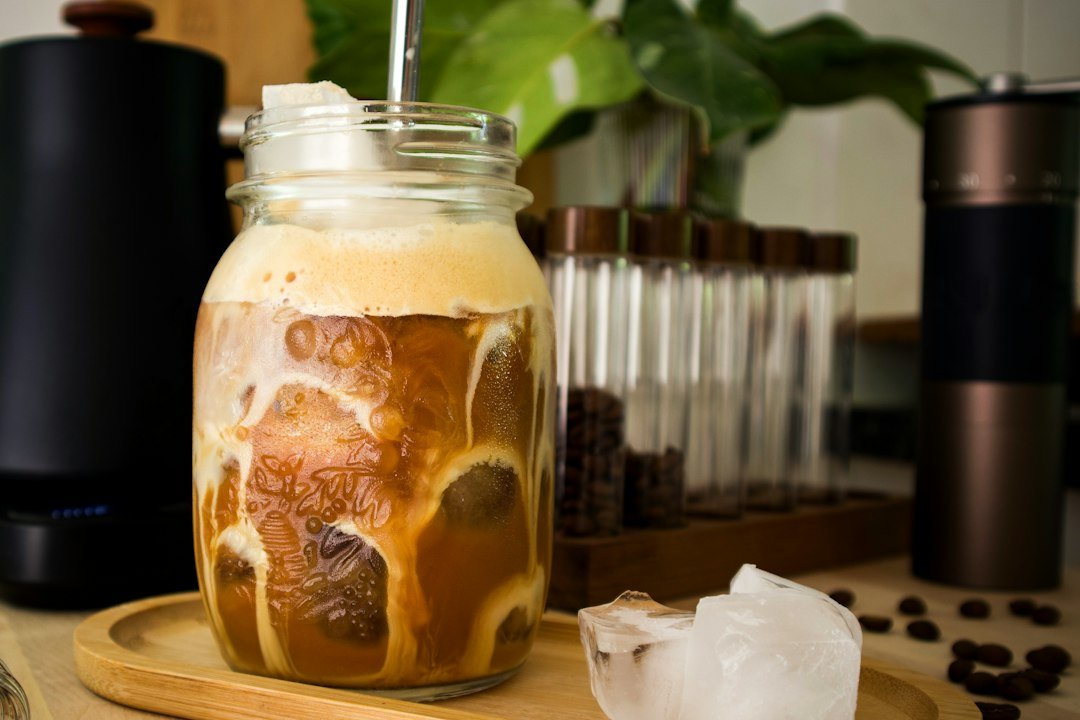
Most iced cappuccinos fall apart fast. A hot shot hits ice, milk goes in, and five minutes later you’re holding a pale, watery compromise. fredo kapucino fixed that years ago.
In Athens, freddo culture became an everyday ritual, not a seasonal fling. Baristas built an iced espresso drink that still tastes like coffee when the pavement is radiating heat. European Coffee Trip shared Greek barista champion Konstantinos Iatridis’s 2017 method, and yes, the details are gloriously fussy: a slightly longer espresso, four ice cubes, 10 to 20 seconds of shaking, then a separate cap of cold milk foam. That order solves the usual mess of weak flavor, limp texture, and coffee that vanishes the second milk enters the chat.
What is fredo kapucino?
fredo kapucino is a Greek iced espresso drink made by shaking a double espresso with ice, straining it over fresh ice, then finishing it with thick cold milk foam. The milk stays cold the whole time. In the glass, it drinks closer to a freddo espresso with a creamy foam cap than to a café iced latte.
That distinction matters, because “iced cold coffee” gets used for basically anything served with cubes. A freddo cappuccino starts with espresso, usually a double shot pulled a little longer to around 60 to 70 ml. Then it goes into a shaker with four ice cubes for 10 to 20 seconds before being strained over fresh ice, according to The Coffee Guru’s summary of Iatridis’s method. You chill the espresso quickly instead of letting it sit there and slowly water itself down. Tiny move. Excellent result.
Then comes the foam, which is the whole charm of the drink. Cold milk gets shaken separately until it turns dense and creamy. You want a smooth layer that sits on top, not big airy bubbles that look enthusiastic and taste like nothing. The Coffee Guru notes that low-fat milk foams faster when it is cold, and also warns against shaking too hard or too fast because that creates larger bubbles. A sloppy foam cap makes the whole drink feel half-dressed. Like showing up in linen trousers and running shoes. You can. You shouldn’t.
And yes, people spell it every possible way: “fredo kapucino,” “freddo cappuccino,” “freddo capuccino.” Search behavior has never cared about Italian spelling. The target keyword here pulls about 5,400 searches a month, which tells you this drink spread through holidays, café menus, beachside chalkboards, and TikTok before it spread through formal coffee language. That’s normal. Plenty of people meet terms like espresso macchiato by hearing them first and only later learn what’s actually in the cup.
Why does fredo kapucino taste better than most iced espresso drinks?
It tastes better because the method protects espresso flavor before dilution takes over. The shot is pulled slightly longer, shaken briefly with ice to chill fast, then strained over fresh ice and topped with dense cold milk foam. That keeps the coffee present, the texture structured, and the drink from turning watery too quickly.
Hot espresso poured straight over ice usually takes two hits at once: the ice melts fast, and the aroma drops off while the drink is still deciding what it wants to be. In the freddo method, the double shot is pulled a little longer, around 60 to 70 ml, then shaken for 10 to 20 seconds with ice. That chills it immediately and gives it a little froth. By the time it lands over fresh ice, the coffee already has some structure. Skip that step and you taste the shortcut in the first sip.
The milk foam helps too. A lot of iced milk drinks end up tasting like cold milk with coffee somewhere in the background. fredo kapucino keeps the milk in a smaller, thicker layer, so the espresso still leads. If you know an espresso macchiato, the instinct is similar: foam changes the texture of the sip without burying the coffee. Here, it just happens over ice and in much better summer clothes.
Coffee choice matters more than people think. Chilled espresso is rude in that way. If the blend is thin or dull, the cold exposes it immediately. The Coffee Guru points out that fruity, higher-acidity coffees with good body hold up well once chilled. At home, you want a coffee with enough presence to survive ice and foam. If you like a stronger base, MORORA works beautifully. If you want something softer, with toasted, chocolate and caramel notes that settle in nicely under milk foam, MAMA AFRICA is an easy place to start. If you want to understand why some chilled coffees stay vivid while others flatten out, why home coffee tastes different than your café adds useful context.
Why is everyone suddenly searching for fredo kapucino?
Because it lands exactly where people are drinking right now: colder, quicker, with more espresso character.
Search volume gives the first clue. “fredo kapucino” sits around 5,400 monthly searches, and it shows up beside terms like “iced cold coffee” and “espresso drinks.” That tracks. Cold brew had its era, and a good one, but plenty of people now want something brighter and more immediate than a concentrate that’s been waiting in the fridge since yesterday. Freddo drinks deliver actual espresso character. Clean. Quick. Awake.
It also has that expensive café energy without requiring ridiculous equipment. The build is simple: espresso, ice, cold milk foam. No blender. No syrup labyrinth. You can make a very decent version in a shaker or even a jar in under 2 minutes if your espresso is ready. Greece solved the “I need something cold and good before this meeting starts” problem a long time ago. The rest of us were busy ordering giant cups of diluted optimism.

There’s a culture piece too. Drinks spread through TikTok clips, travel reels, café menu photos, and holiday posts long before anyone reads a brewing guide. So people end up searching odd spellings and very specific questions because they saw a layered iced coffee with a thick white foam cap and wanted in. Fair. The name traveled because the drink looks good. It stayed because it works at 8:45 a.m. and still feels like a smart choice at 3 p.m.
If you tend to compare chilled espresso drinks before ordering, this guide to cold brew vs americano helps clarify why espresso-led cold drinks feel so different from slower-brewed options.
Can you make fredo kapucino with instant espresso?
Yes. You can make a good home version with instant espresso if you keep it concentrated and treat it like an espresso-style base. You’ll get the cold shaken profile and the foam contrast. You just won’t get the same crema depth or aromatic lift as a fresh double shot.
The method is simple. Mix the instant espresso strong enough to mimic a double shot, shake it with ice for 10 to 20 seconds, and strain it over fresh ice. If your goal is the format and the feel, this shortcut works perfectly well on a normal Tuesday. Coffee should fit your life. Nobody needs a full café setup before breakfast.
What won’t work is weak instant coffee. Once ice and milk foam show up, a thin base disappears fast. That’s the line between generic iced coffee and a proper freddo-style drink. You need enough body and roast presence to keep the cup from tasting washed out. If you want a useful benchmark, think in the direction of coffees like MORORA or MAMA AFRICA. The exact coffee can vary. The strength can’t.
Frequently Asked Questions
Is fredo kapucino just iced cold coffee?
No. It uses a shaken espresso base and a separate layer of cold milk foam, so the texture and flavor are more structured than standard iced coffee.
Can you make fredo kapucino with instant espresso?
Yes. Use a concentrated instant espresso mix, shake it with ice for 10 to 20 seconds, and top it with thick cold milk foam.
How is it different from other espresso drinks?
It is served over ice, built from shaken espresso, then topped with dense milk foam. Most espresso drinks are hot or use liquid milk as the main addition.
Is it closer to an espresso macchiato or a caffe americano?
It is closer in spirit to an espresso macchiato because foam matters, but the temperature, dilution, and milk foam cap give it its own method.
Sources
- Freddo Cappuccino: Greece's Iced Espresso With Cold Milk Foam — https://thecoffeeguru.net/coffee-drinks/freddo-cappuccino
