

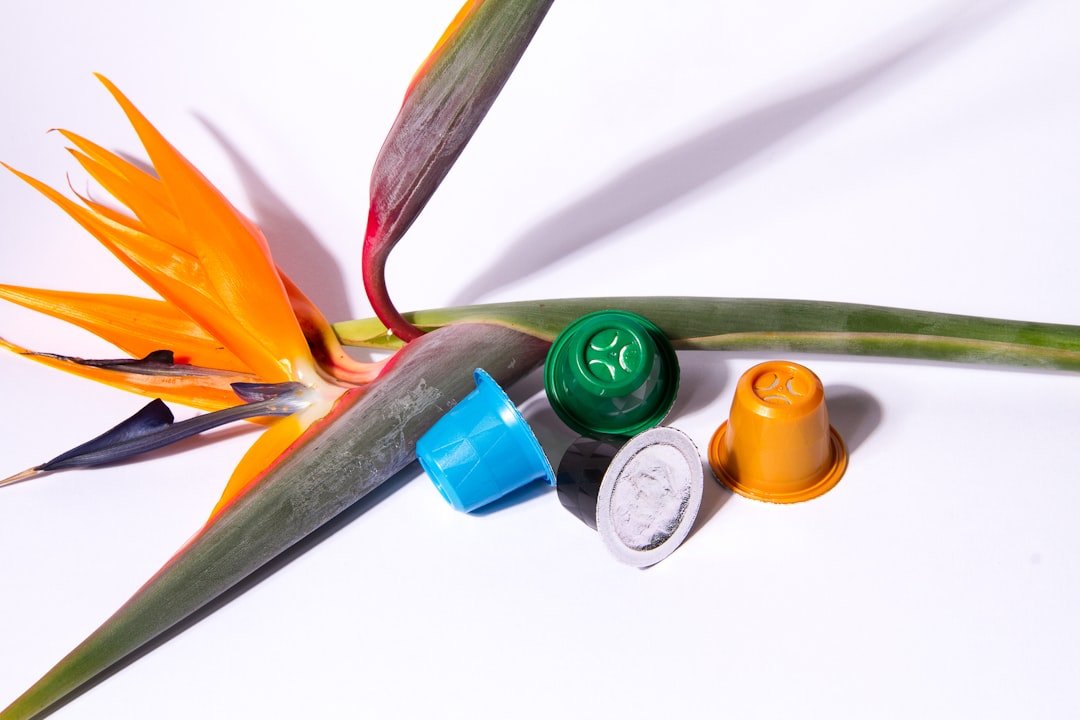
The next coffee capsule war is not about whether pods survive. They will. People love convenience, caffeine, and not washing extra gear before a 9:07 a.m. meeting. The real fight is over which systems can stop acting like it’s still 2014—when “single-serve” mostly meant a plastic pod, one decent-enough espresso-ish result, and a collective shrug about the rest. That era feels dated now. Like defending an iPhone with a home button because it’s “actually better this way.”
That’s the big shift behind the future of coffee capsule technology beyond traditional pods: convenience alone is not impressive anymore. You can get good coffee fast from a batch brewer, an instant specialty sachet, a ready-to-drink can, a superautomatic machine, a pour-over dripper if you’re in your “I measure everything” phase, or yes, a capsule system. So if capsules want to stay relevant—especially with younger professionals who care about taste, waste, and not being trapped in one beverage lane—they need to get smarter. A lot smarter.
And the industry knows it. FoodNavigator recently reported that Nestlé is betting on “multiple expressions of coffee” at home, which is a very corporate way of saying something pretty obvious: nobody wants one-format-fits-all coffee anymore. People want options. Espresso on Monday, a longer cup on Tuesday, something cold when the group chat is melting down, and enough quality control that the result tastes intentional—not accidental. That tells you where capsule tech is heading. Not toward more tiny branded containers. Toward broader drink styles, better materials, adaptive brewing, and tighter traceability from farm to format.
The pod is not dead. But the dumb pod probably is.
The future of coffee capsule technology beyond traditional pods starts with smarter design
For years, capsule machines sold one main promise: speed with minimal effort. Fair enough. That worked because the alternative often meant more mess, more skill, or more time than people had before work. But now? The modern home coffee setup is stacked. You can make a respectable cup in under five minutes with almost anything, as long as the coffee is solid and the equipment isn’t actively trying to ruin your morning.
That changes the standard.
Convenience used to be enough because it was rare. Now it’s table stakes. If a capsule system wants your counter space, it has to do more than dispense hot brown liquid on command. It needs a reason. Better flavor. More range. Less waste. More transparency. Ideally all four.
That’s why FoodNavigator’s report on Nestlé’s “fourth-wave” at-home innovation matters beyond one company’s strategy. Big players do not invest in “multiple expressions of coffee” unless they think consumers are moving past narrow use cases. They’re reading the room. The room wants flexibility. The room also wants quality. And the room is getting increasingly skeptical of locked-in systems that ask for loyalty without really earning it.
Here’s the part people don’t always realize: capsule tech has often been designed around machine economics first and coffee quality second. Not always, but often. The pod shape, puncture method, pressure system, and packaging barrier are all part of a business model as much as a brewing model. That’s one reason so many traditional pods feel optimized for compatibility and shelf life before flavor expression. Great for scale. Less exciting if you actually care what’s in the cup.
So the future is not just “a greener pod” or “a nicer machine.” It’s a rethink of the whole system. The future of coffee capsule technology beyond traditional pods is about machines that recognize different coffee styles, capsules built for specific extraction goals, materials that protect freshness without becoming a disposal headache, and sourcing systems that hold up when regulators and consumers start asking harder questions.
That last part matters more than it used to. Coffee is moving into an era where “trust us” is not a strategy. If your capsule system is opaque—literally or metaphorically—it starts to look old fast.
Espresso-only thinking is the real design flaw
For a long time, capsule innovation was weirdly obsessed with one thing: espresso, or at least the general vibe of espresso. Short shots. Intense extraction. Crema theater. Tiny cup, huge claims. And sure, we love espresso. We’re Italian. We’re not about to pretend a properly pulled shot is anything less than beautiful. But designing the future of home coffee around espresso-only logic is like designing the future of media around cable TV. Once useful. Pretty limiting now.
FoodNavigator’s coverage of filtered brews as the next major coffee trend makes that pretty clear. The next growth area is not just stronger, shorter coffee delivered faster. It’s longer-format, cleaner, more nuanced brewing at home. That includes filter-style coffee, but also hybrid drinks, over-ice formats, and cups that feel more like what people actually order in cafés when nobody’s performing. Which, spoiler, is not always a stern little 25-milliliter espresso.
This shift is cultural and technical.
Culturally, people want variety without turning their kitchen into a lab. Monday might be espresso. Tuesday might need a longer, softer cup you can actually hold in a mug instead of a demitasse the size of a thimble. Wednesday is a coin toss between iced coffee and existential dread. The point is simple: one machine, one brew behavior, one pod architecture is increasingly out of sync with real life.
Technically, that creates a design problem most traditional pod systems were never built to solve. Espresso extraction and filter-style extraction do not want the same things. Espresso relies on fine grind, short contact time, high pressure, and concentrated output. Filter coffee usually benefits from lower pressure, different flow rates, longer contact time, and a cleaner extraction profile. Asking one generic capsule design to do both well is a bit like asking one pair of shoes to handle a marathon and a wedding. Maybe possible. Probably awful.
That’s why the most interesting innovation ahead may not look like “better pods” in the old-school sense. It may look like hybrid systems borrowing ideas from filter brewing, concentrate formats, and precision brewing. Different chamber geometries. Different capsule permeability. Variable pressure curves. Machines that understand whether they’re brewing a lungo, an espresso, or something closer to a single-serve filter cup—and adjust accordingly. For readers tracking how brew science keeps reshaping flavor, new coffee processing methods creating new flavors offers a useful parallel: format matters, but so does how a system is built to express the coffee.
A quick coffee nerd aside: extraction is not just about pressure. Water distribution, turbulence, bed saturation, and temperature stability all shape flavor. A system designed only to blast water through a compact puck-shaped capsule is naturally better suited to one family of outcomes. If brands want broader drink quality, the hardware has to evolve too.
That’s the hidden flaw in a lot of legacy pod systems: not that they’re single-serve, but that they’re single-imagination.
The next flex is not convenience — it’s precision
There was a time when “consistent” coffee mostly meant “the same every time,” even if “the same” was just fine. Capsule systems built their reputation on reliability, and to be fair, reliability matters. Nobody wants a chaotic machine before caffeine. But coffee culture has moved on. The new premium flex is not mere sameness. It’s repeatable quality.
That distinction matters.
Daily Coffee News recently covered the Acaia Horizon, a tool built to explore brewed coffee with more precision and sensory mapping. It’s not a capsule machine, obviously. It’s more like a signal flare from the wider coffee world: people increasingly care about measurable brew performance, flavor range, and understanding why one cup tastes brighter, sweeter, or flatter than another. Coffee is getting more data-aware, but not in a boring spreadsheet way. More in a “wait, I can actually control this?” way.
That mindset is going to shape capsule technology whether capsule brands like it or not.
Historically, many capsule systems sold consistency as simplification. Same pod, same button, same result. But future systems could sell consistency as controlled precision. That means repeatable extraction with more nuanced flavor outcomes. Not infinite customization for the sake of it—we do not need a machine that interviews you before brewing—but enough intelligence to make different coffees taste the way they’re supposed to.
Think machine-readable capsules that communicate roast level, dose, grind profile, and ideal brew parameters to the machine. Think brew profile recognition that adjusts temperature and pressure automatically. Think flow control that changes during extraction instead of staying fixed. Think app-linked calibration that actually improves your cup instead of acting like a needy smartwatch for your countertop.
Yes, it sounds fancy. But the technology path isn’t far-fetched. We already have smart home devices that identify contents, measure performance, and adapt outputs in real time. Coffee machines are fully capable of becoming more responsive. The bigger question is whether brands will use that intelligence to improve taste—or just bolt on flashy features no one asked for.

Here’s the part worth pausing on: the specialty coffee world has spent years proving that tiny changes in brew variables can create dramatically different sensory results. A one-degree temperature shift. A slightly different flow rate. A longer pre-infusion. These are not made-up details for coffee nerds to argue about online. They’re flavor architecture. So if capsule systems want to be taken seriously by quality-focused drinkers, “push button” only works if the cup tastes designed, not generic.
That’s also where premium consumers are headed. They don’t necessarily want to become full-time home baristas. They just want the machine to be smart enough that simplicity doesn’t come at the expense of flavor. Easy should not mean careless. In that sense, the category is moving closer to the quality-first thinking seen in how AI is transforming coffee farming quality control, where precision and consistency are becoming competitive advantages across the coffee chain.
In other words: the future is not anti-convenience. It’s convenience with standards.
Materials are becoming a performance issue, not just a PR issue
There’s a certain kind of coffee conversation where packaging gets treated like an afterthought, as if the only thing that matters is what happens after water hits grounds. Cute. Completely wrong.
Materials affect flavor, freshness, oxygen exposure, machine compatibility, shelf life, disposal, and whether a format can survive real regulation. That’s why the future of capsule technology is not just a sustainability story, even though sustainability is obviously part of it. It’s a performance story too.
FoodNavigator’s reporting on the EU Deforestation Regulation expanding to include instant coffee is a useful signal here. On the surface, that article is about soluble coffee, not capsules. But the underlying message is bigger: regulators are moving deeper into coffee categories, and traceability expectations are tightening. Coffee products are entering a stricter compliance era, where sourcing transparency and documentation are no longer nice extras. They’re operational requirements.
That matters for capsule systems because capsules are unusually exposed to scrutiny. They combine coffee, processing, packaging, materials engineering, and end-of-life handling in one compact object that gets used once and then judged immediately by your trash can. Tough crowd, but fair.
And here’s what a lot of people miss: better materials are not just about avoiding bad optics. They shape whether a capsule works at scale. If the barrier properties are weak, oxygen gets in and freshness drops. If the material can’t hold structure under heat and pressure, extraction gets inconsistent. If it doesn’t fit disposal systems people actually have access to, “sustainable” becomes “theoretically virtuous but practically annoying,” which is not the same thing.
This is where compostable and next-generation formats start to look less like niche alternatives and more like a preview of where things are going. Not every new material solves every problem. Compostability, recyclability, and compatibility all come with tradeoffs, and anyone pretending otherwise is doing marketing, not coffee. But the direction is clear: future systems will need materials that protect the coffee, perform in the machine, and make more sense after brewing than a tiny fossil-fuel souvenir.
That’s part of why products like ALTURA or MAMA AFRICA feel relevant here. Not in a “look at us, we solved everything” way—because nobody serious says that—but as examples of how compostable capsule formats are already nudging the category away from the old assumption that performance and better end-of-life design can’t coexist. They can. The engineering is just more demanding than the old plastic-first model.
And there’s another layer: traceability. As compliance rules tighten, the future winner is not the brand with the prettiest packaging claim. It’s the one that can show where the coffee came from, how it was processed, what materials were used, and how the whole format holds up under real scrutiny. Not vibes. Receipts.
That’s a bigger shift than it sounds. Coffee capsules used to compete mostly on convenience and machine adoption. Increasingly, they’re going to compete on whether the entire system can stand up to regulation, retailer expectations, and a consumer who reads the fine print while waiting for the kettle to boil.
The real future is a system, not a pod
This is the main point, in case you’ve made it this far with one eye open and one hand on your mug: the future winner will not just sell capsules. It will build a system.
A real system combines machine intelligence, format flexibility, credible sourcing, and material science that makes sense beyond the first sip. That is where the category is heading, and the signals are already there. FoodNavigator’s reporting on Nestlé’s at-home innovations and filtered brew ambitions points in the same direction: large coffee companies are not thinking only about “single serve” anymore. They are thinking about modular home coffee platforms—ecosystems that can deliver multiple drink styles, different quality tiers, and more responsive brewing from one hardware base.
That’s a big shift because it changes what consumers are actually buying. You’re no longer just buying a pod machine. You’re buying into a brewing logic. A format library. A quality promise. A material story. A sourcing story. Potentially even a software layer, though ideally not one that needs a firmware update before it can make coffee at 7 a.m. We all have limits.
The market will probably split in two.
On one side: cheap commodity capsules racing to the bottom. Basic machines. Narrow brew performance. Lowest-cost materials. Coffee that does the job and not much else. That segment will stay huge because affordability matters, and not every cup needs to become a personality trait.
On the other side: premium systems competing on flavor quality, versatility, and credibility. Better extraction design. More than one beverage style done well. Stronger freshness protection. More thoughtful materials. More transparent sourcing. Coffee that actually justifies the hardware instead of hiding behind it.
That second lane is where things get interesting.
And if you want a practical way to evaluate any new capsule system, ask three questions:
-
Does it brew more than one style well?
Not “can it technically produce a longer cup,” but does it actually make espresso and filter-style or larger-format coffee with intention? If one mode feels like an afterthought, that tells you a lot. -
Does the material story hold up under real-world scrutiny?
What is the capsule made of? How does it preserve freshness? What happens after brewing? Is the disposal method realistic for actual humans, or does it depend on a fantasy infrastructure nobody can access? -
Does the coffee itself justify the hardware?
This one is almost too obvious, which is exactly why people skip it. No machine intelligence can rescue mediocre coffee. If the bean quality, roast approach, and sourcing standards are weak, the entire platform is just expensive choreography.
That’s the lens that matters now. Not “is this a pod?” but “is this a smart, credible, high-performing coffee system?” A pod can absolutely be part of that future. It just can’t be the whole idea.
So yes, traditional pods still have a place. But the future of coffee capsule technology beyond traditional pods belongs to systems that understand a basic truth: you are not asking for more features. You are asking for better coffee, more flexibility, and fewer compromises disguised as convenience. Fair ask, honestly.
And if the industry listens, the next generation of capsule coffee could be surprisingly good. Not just easier. Better. More precise. More adaptable. More transparent. Less trapped in an old format war that stopped being interesting years ago.
The pod survives. The lazy thinking around it does not.
Sources
- FoodNavigator — https://www.foodnavigator.com/Article/2026/05/05/eudr-soluble-coffee-included/
- FoodNavigator — https://www.foodnavigator.com/Article/2026/03/19/nestle-bets-on-fourthwave-coffee-with-at-home-innovations/
- FoodNavigator — https://www.foodnavigator.com/Article/2026/04/15/nestle-backs-filtered-brews-as-next-major-coffee-trend/
- Daily Coffee News — https://dailycoffeenews.com/2026/05/04/the-acaia-horizon-explores-the-range-of-a-brewed-coffee/
- Fresh Cup — https://freshcup.com/
Frequently Asked Questions
What is the future of coffee capsule technology beyond traditional pods?
It points toward smarter systems rather than simple single-use pods. Future capsule platforms will likely combine adaptive brewing, multiple drink styles, better materials, and stronger traceability.
Will traditional coffee pods disappear?
Probably not. Traditional pods will remain popular for convenience, but the most competitive systems will need to offer better flavor, less waste, and more flexibility than older pod designs.
Why are materials so important in capsule coffee?
Capsule materials affect freshness, extraction consistency, machine performance, and disposal after brewing. That means packaging is not just a sustainability issue; it directly shapes cup quality and long-term viability.
Can one capsule machine really make both espresso and filter-style coffee well?
It can, but only if the system is designed for different extraction styles. Machines that adjust pressure, flow, and brew parameters have a much better chance of delivering both formats with intention.
