
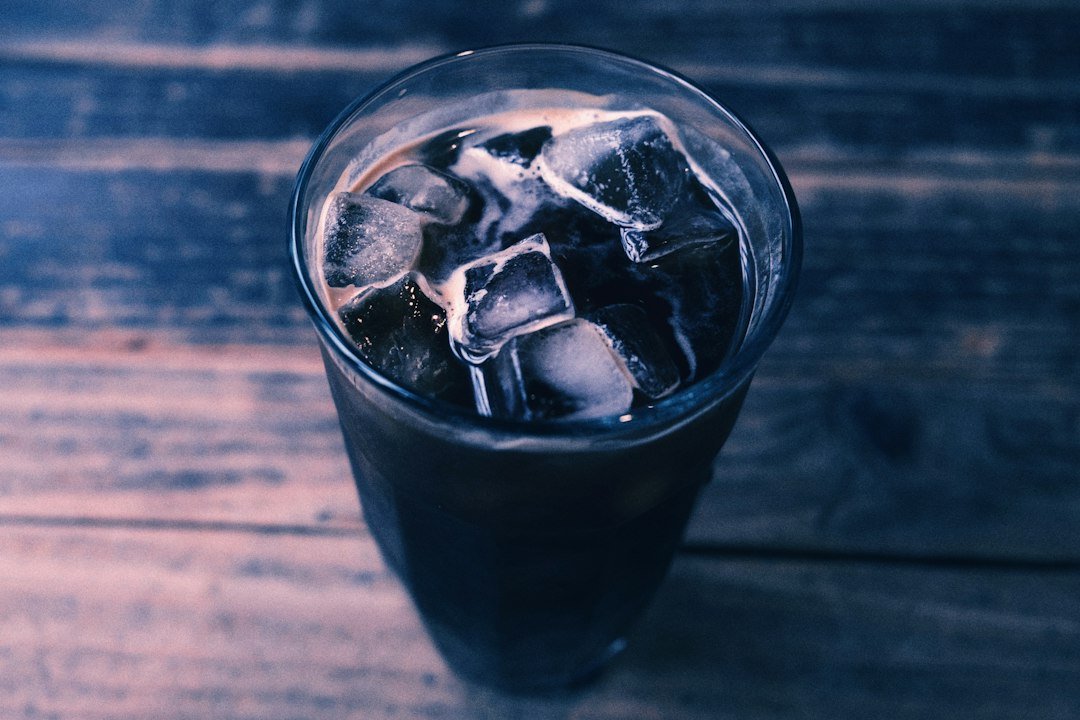
Iced americano coffee is the sharpest cold order on the menu. Right now, it looks smarter than half the drinks crowding the board.
While cafés keep auditioning the next pumpkin spice latte, plenty of people are ordering the drink with nowhere to hide: espresso over cold water, poured onto ice.
That simplicity is the point. The National Coffee Association’s Fall 2026 data, reported by Daily Coffee News, found cold or iced coffee reached 21% of past-day coffee consumption, while Americanos hit 10% of past-week consumption. Fresh Cup has also repeated the stat that roughly three out of four drinks sold in U.S. Starbucks stores are cold. Cold coffee is huge. The better question is which drinks people still reorder after the seasonal confetti gets swept up.
The iced Americano keeps surviving that test. It’s quick to grab, clean on the palate, and brutally honest about whether a café can actually pull espresso. No milk to smooth things over. No syrup to rescue the shot. Good espresso tastes great immediately. Bad espresso shows up even faster. Tiny drink. Zero mercy.
What is iced Americano coffee, exactly?
An iced Americano is espresso diluted with cold water and served over ice. It tastes lighter and cleaner than an iced latte because there’s no milk, but it keeps more aroma and structure than standard iced coffee because it starts with espresso instead of a larger brewed batch.
That matters more than café jargon. An iced latte starts with espresso too, then adds milk, which softens the edges and gives it more body. Brewed iced coffee usually comes from a batch brew that was chilled or poured over ice. An iced americano coffee is built to order, shot by shot. Same cold family. Different temperament.
It’s less forgiving than people expect. Ice melts. Water changes everything. A weak extraction that might disappear under milk shows up fast here as flatness, or that little sour wobble nobody asked for. The Guardian’s Filter section made a useful point in its September 1, 2026 piece on better at-home coffee: stronger, better-prepared coffee matters if you want café-level flavor. With iced Americanos, that matters even more because dilution is built into the drink.
That’s why a purpose-built option helps at home. If you want something fast without acting like you’re opening a bar in Milan before 8 a.m., Americano Instant sample is a better move than random instant coffee and blind optimism.
Why young professionals keep coming back to it
A lot of cold coffee now lives somewhere between beverage and personality test. Fine. The pumpkin spice latte is having another moment, and it never really left. Fresh Cup reported Gen Z interest in the pumpkin spice latte rose 31.6% year over year, and Google Trends hit its highest point since 2022. The pumpkin pie latte mood is alive too, whether cafés use that exact name or just imply it with extra spice and a heavy hand.
People are also buying more coffee out in the world again. Daily Coffee News’ coverage of the NCA report says 48% of U.S. adults drank specialty coffee in the past day, and 38% of past-day coffee drinkers had coffee outside the home, the highest level since January 2020. That’s the office run, the train-platform pickup, the 2:15 p.m. reset when your inbox starts getting disrespectful.
In that routine, the iced Americano makes perfect sense. It’s easy to carry into a meeting. It survives the walk from train to office without turning into warm dairy soup. It gives you espresso flavor without the extra weight of an iced latte when it’s already 82 degrees by 10:30 a.m. Some drinks demand your full attention. This one knows you have Slack open.
There’s some menu psychology in it too. Ordering an iced Americano says you trust the coffee, or at least you’re willing to find out. In a culture of cold foam, extra drizzle, half-sweet orders, no-whip edits, and other tiny constitutional amendments, the low-custom order feels oddly luxurious. You’re asking for fundamentals. If the café has them, great. If not, the branding starts looking a little nervous.
Why cafés should treat it like a flagship
Cold drinks are where traffic is going, and cafés know it. Fresh Cup’s coverage of Peter Giuliano’s view on specialty cold coffee called the category “the future,” tying that to the broader move toward cold drinks across chains and independent shops. Add the Starbucks figure again, with about 75% of U.S. beverage sales coming cold, and the direction is obvious.
For cafés, the iced Americano is a quality-control check hiding in plain sight. Roast profile matters. Water quality matters. Ice matters. Shot timing matters. Even cup fill matters, because too much empty space speeds up melt and thins the finish. A good one tastes deliberate. A bad one tastes like somebody threw hot espresso into a cup of gas-station ice and hoped for the best.
This is where coffee tech actually earns the hype. Consistent espresso programming helps. Calibrated dilution helps. Better handling of water ratios helps, and so does app-order recipe control. Especially when the NCA’s 2026 data also points to rising app ordering. If someone taps in an order six blocks away, the drink has to land right without a barista TED Talk at pickup.

There’s room for creativity, if the café has some restraint. Fresh Cup’s piece on globally inspired mochas cited Datassential data showing 9 in 10 U.S. restaurants feature globally inspired items, while “fusion” is up 49% on menus over four years. That idea can work here too: a strip of orange peel, a little cinnamon, maybe a tonic-style version in the right shop. Keep the espresso visible. Nobody needs a full identity crisis in a plastic cup.
If you want a quick test, order an iced Americano at a café you trust, then order one at a café with immaculate branding and suspiciously vague espresso details. The gap will tell you more than any mood board, merch wall, or app interface ever could. If you want to compare it with other cold espresso options, see this flavor-first guide to iced coffee vs iced Americano. For a broader look at why simpler cold espresso drinks are gaining ground, this piece on why iced Americanos beat milk-heavy coffee adds useful context. Try the same thing at home with a purpose-built Americano format instead of leftover brewed coffee poured over ice and wishful thinking.
Frequently Asked Questions
Is iced americano coffee stronger than an iced latte?
Usually, yes in flavor concentration, though it depends on shot count. An iced Americano has espresso, water, and ice, so the coffee taste stays direct, while an iced latte uses milk to soften intensity.
How is iced americano coffee different from ice cafe latte?
An iced Americano uses espresso plus cold water over ice. An ice cafe latte uses espresso plus milk over ice, so it tastes creamier, heavier, and less espresso-forward.
Can pumpkin spice latte flavors work in an iced Americano?
Yes, if they stay light. A small amount of pumpkin spice syrup or a cinnamon-orange accent can work, but too much sweetness buries the espresso and changes the drink completely.
What does coffee tech change for cold espresso drinks?
Coffee tech improves consistency from order to order. Better espresso programming, accurate water ratios, app-order recipe control, and smarter ice handling help cold espresso drinks land the way they should.
Sources
- NCA: More Americans Are Drinking Specialty Coffee and Ordering by App — https://dailycoffeenews.com/2026/09/15/nca-more-americans-are-drinking-specialty-coffee-and-ordering-by-app/
- Peter Giuliano: “Specialty Cold Coffee is the Future” — https://freshcup.com/peter-giuliano-specialty-cold-coffee-is-the-future/
- Mochas Around the World: How Cafes Are Fusing Global Ingredients Into the Classic Drink — https://freshcup.com/mochas-around-the-world-how-cafes-are-fusing-global-ingredients-into-the-classic-drink/
- Making cafe-caliber java at home is possible with these six coffee-making upgrades — https://www.theguardian.com/thefilter-us/2026/sep/01/best-coffee-upgrades
- The Death of the Pumpkin Spice Latte Has Been Greatly Exaggerated — https://freshcup.com/the-death-of-the-pumpkin-spice-latte-has-been-greatly-exaggerated/
