

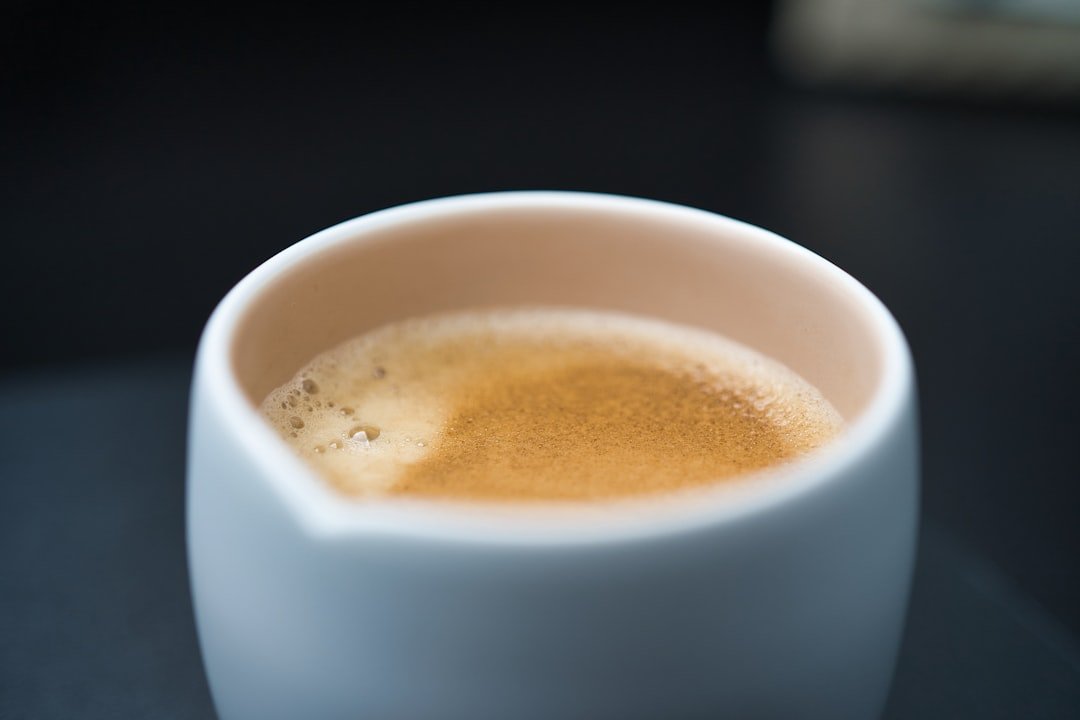
Crema looks like the main character. Sometimes it absolutely is not.
Coffee culture has spent years treating crema like a gold medal: more foam, more quality, cue the applause. But a dramatic crema can come from dark roasting, robusta-heavy blends, or a shot that looks stunning right before it tastes weirdly bitter. Brutal, yes. Useful, also yes.
The science of crema and what it tells you about your espresso shot starts with understanding that crema is the tawny foam that forms on top of espresso when pressurized water emulsifies coffee oils and traps carbon dioxide released from freshly roasted grounds during extraction. In normal-person terms: pressure + gas + oils + coffee chemistry doing a tiny caffeinated physics experiment in your cup. And while crema can tell you a lot, it cannot tell you everything. That’s the point.
Think of it less like a beauty contest and more like a diagnostic layer. Read it well, and you can spot clues about roast level, freshness, grind, extraction, and even whether the blend leans more arabica or robusta. Read it badly, and you’ll end up praising a shot for looking gorgeous while ignoring that it tastes like charred walnuts.
Crema Is Not a Gold Star — It’s a Clue, and People Read It Wrong
Crema has a reputation problem. Or maybe, more accurately, people have a crema problem.
For a long time, espresso drinkers—especially newer ones—have been taught that a thick, long-lasting crema means the shot is “better.” Easy assumption to make. Crema is photogenic. It signals freshness. It feels premium. It gives espresso that classic Italian bar look, the one that says someone behind the machine knows what they’re doing.
But crema isn’t a score. It’s evidence.
That distinction matters.
A beautiful crema can sit on top of an espresso that is over-extracted, over-roasted, or just plain off-balance. In some cases, it can even hide flaws for a minute. Bitter compounds often concentrate near the top layer, and the visual richness of crema can make people expect sweetness or body that the cup doesn’t actually deliver. Your eyes can get catfished by coffee. It happens.
So what is crema, exactly? Technically, it’s a foam made of tiny gas bubbles dispersed in liquid, stabilized by coffee oils, proteins, melanoidins, and other surface-active compounds generated during roasting and extraction. The gas is mostly carbon dioxide, which forms inside roasted coffee beans and stays trapped there until grinding and brewing let it out. Espresso’s high pressure forces gases, oils, and soluble compounds into suspension. When the liquid exits the machine and the pressure drops, those gases expand into microbubbles.
That’s your crema.
The important thing: crema is a clue, not a crown.
Its color, texture, aroma, and how long it hangs around can suggest whether the coffee is fresh, whether the grind is in the right zone, whether the extraction was balanced, and what kind of roast or bean species is in the cup. But you still need the full picture: shot time, flow, smell, and—radical thought—taste.
A barista who knows espresso doesn’t stare at crema like it’s sacred art. They clock it, read it, and keep moving. That’s the energy.
What Crema Actually Is — Tiny Physics, Big Espresso Energy
Espresso crema sounds romantic, but the science behind it is satisfyingly nerdy.
Inside a roasted coffee bean, carbon dioxide builds up during roasting as a byproduct of chemical reactions, including Maillard reactions and pyrolysis. Those reactions also create melanoidins—the brown-colored compounds that contribute body, aroma complexity, and crema color. Freshly roasted beans hold onto a surprising amount of CO2. Grinding releases some immediately, which is why fresh coffee smells so intense, but a lot remains trapped until hot water under pressure hits the grounds.
Here’s what happens during espresso extraction:
- Hot water at around 9 bars of pressure passes through compacted coffee.
- That pressure dissolves gases into the liquid more effectively than low-pressure brewing methods.
- At the same time, oils and colloidal particles are emulsified into the shot.
- Once the espresso flows into the cup, pressure drops fast.
- Dissolved CO2 expands and forms bubbles.
- Coffee oils and surface-active compounds help stabilize those bubbles, creating crema.
Tiny bubbles. Short life span. Major drama.
This is also why espresso has crema and filter coffee usually doesn’t. Drip, pour-over, and immersion brewing can still release gas, especially with very fresh beans, but they don’t create the same concentrated pressure-driven emulsion. You might see a little foam or bloom in brewed coffee, but not the dense, persistent crema associated with espresso. Pressure is the difference between “some bubbles happened” and “this shot arrived dressed for the occasion.”
There’s another wrinkle coffee pros know well: robusta and arabica behave differently. Robusta tends to produce more crema than arabica. That’s partly due to differences in composition and foam stability, and partly why many classic Italian espresso blends use some robusta—to increase body, crema, and punch. Which, by the way, does not make robusta bad. It makes it different. But it does mean “more crema” is a terrible shortcut for “better coffee.”
That’s one of the most useful things to know if you care about the science of crema and what it tells you about your espresso shot. The foam is shaped not only by skill, but by the coffee itself. A robusta-heavy blend may produce a thicker, more persistent crema than a delicate arabica espresso, even if the arabica tastes more nuanced and sweet in the cup.
So yes, crema is scientific. It’s also a little theatrical. Very Italian, honestly.
Read the Surface Like an Italian Barista Would: Color, Texture, and Timing
If crema is a clue, you need to know how to read it without getting dramatic about it.
Color: the fast visual check
A crema in the hazelnut-to-caramel range often suggests a balanced extraction. Not always perfect, but usually in the neighborhood. Think warm brown with reddish-gold tones, maybe a slight tiger-striping effect in some shots. That color usually reflects a nice combination of dissolved solids, oils, and roast development.
Very pale crema can point to a few things:
- under-extraction
- too coarse a grind
- too low a dose
- stale coffee with less retained gas
- a shot that ran too fast
If the crema goes blond almost immediately and fades fast, your espresso may taste thin, sour, or just oddly empty.
Very dark crema, on the other hand, can indicate:
- darker roast levels
- over-extraction
- a grind that’s too fine
- a shot that ran too long
- more bitter compounds in the cup
Dark crema isn’t automatically bad. Some darker espresso styles are meant to taste bold and heavy. But if that visual darkness comes with a harsh aroma or a dragging, syrupy shot time, that’s a clue—not a compliment.
Texture: tiny bubbles good, bath foam bad
A tighter, finer bubble structure usually means better emulsification and more controlled extraction. Smooth, velvety crema with microbubbles suggests the shot came together with some precision.
Large bubbles that pop quickly? Not ideal. They can signal channeling, uneven puck prep, inconsistent grind size, or coffee that has aged enough to lose some of its gas structure. If the surface looks patchy or unstable right away, the extraction probably had some issues.
This is one of those espresso facts people love once they hear it: bubble size can hint at what happened inside the puck before you even taste the shot. The surface is basically gossiping about your workflow.
Persistence: don’t worship longevity
If crema disappears almost instantly, that can suggest older coffee or weak extraction. Fair enough. But crema that lingers forever is not automatically superior. Longer-lasting crema can come from darker roasting, higher robusta content, or a composition that favors foam stability over elegance in the cup.
So if a shot sits there wearing a thick cap for minutes, don’t assume greatness. Ask what kind of coffee produced it—and whether the flavor backs it up. If you want more context on how espresso styles can differ in strength and structure, the Italian logic behind a doppio helps explain why visual cues never tell the whole story.
A bold espresso can make these differences easier to spot. Something like MORORA has the kind of intense profile where crema can reveal body and extraction pretty clearly: if the shot pours with a rich, expressive surface and the taste follows through with depth, great. If the crema looks dramatic but the cup turns blunt or bitter, that tells you something too. Same with MAMA AFRICA, where shot-to-shot crema differences can show how small changes in extraction affect aroma and structure more than people expect.
The move is simple: look, note, then taste. Don’t marry the crema.
The Science of Crema and What It Tells You About Your Espresso Shot
Crema doesn’t appear out of nowhere. It responds to a few major variables, and three of the biggest are freshness, grind, and roast level.
Freshness: CO2 is doing a lot of work here
Freshly roasted coffee contains more trapped carbon dioxide. More retained gas usually means more crema production, because there’s simply more CO2 available to form bubbles once pressure drops. That’s why stale coffee often produces a thin, weak crema that vanishes quickly.
But there’s a catch, because coffee refuses to be simple.
Coffee that’s too fresh—like just roasted, not adequately rested—can produce shots that are overly gassy. You may get a lot of crema, but the flavor can feel unstable, sharp, or a little chaotic. Resting coffee for several days after roasting helps the gas settle enough for more even extraction. This varies by roast style and packaging, but the principle holds: huge crema from ultra-fresh coffee is not always a flex.
Useful mental reset: freshness affects crema, yes, but “maximum gas” is not the same as “maximum delicious.”
Grind and puck prep: your crema knows if you rushed
If the grind is too coarse, water moves through the puck too quickly. The result is often pale crema, fast blonding, and a shot that tastes under-extracted—sour, weak, or hollow.
If the grind is too fine, water struggles to pass through. You can get a slow, dark pour, darker crema, and a more bitter, over-extracted taste. Sometimes the shot looks dense and serious but tastes like it’s punishing you for something unrelated.
Puck prep matters too. Uneven distribution or tamping can create channels, where water finds the easiest path through the coffee instead of extracting evenly. Channeling often shows up in crema as inconsistent texture, larger bubbles, patchiness, or strange color changes during the pour.
This is why baristas don’t use crema as a standalone verdict. They pair what they see with shot time, yield, and flow behavior. A crema observation without context is just coffee astrology.
Roast level: Instagram has entered the chat, and it’s wrong
Darker roasts often produce more dramatic crema and heavier body. They can look incredible in the cup—dark, thick, glossy, very “espresso.” But that visual richness doesn’t mean the coffee is more complex. Sometimes it just means the roast pushed harder, producing stronger bitter notes and more foam stability.
Lighter espresso roasts can produce less showy crema while delivering more clarity, sweetness, and acidity. They may not look as traditionally “Italian bar” dramatic, but they can taste brilliant. This is one of the most misunderstood parts of crema culture. People often reward the louder-looking shot, even when the quieter one has more flavor detail.
That’s really the heart of the science of crema and what it tells you about your espresso shot: crema reflects variables, but it does not rank them morally. It’s information, not destiny. And if you enjoy comparing espresso styles, this is also why understanding ristretto extraction can sharpen how you read body, concentration, and crema behavior.
The Biggest Crema Myths Deserve Retirement
Some coffee myths are harmless. Some need to be escorted out.
Myth 1: More crema = better espresso
Nope. More crema can come from robusta content, darker roasting, high CO2 retention, or brewing conditions that emphasize foam production. None of those automatically mean the shot is sweeter, cleaner, or more balanced.
A shot with moderate crema and excellent flavor beats a shot with a foam hat and emotional issues.
Myth 2: No crema means bad coffee
Also no. Less crema can show up with decaf, older coffee, certain lighter roasts, or espresso styles designed around clarity rather than visual density. Decaf in particular often produces less crema because the decaffeination process and bean handling affect gas retention and extraction behavior.
So if a shot has less crema, don’t write it off on sight. Taste it. The cup still gets a vote.
Myth 3: Stirring ruins the shot
This one survives because people love rituals, and untouched crema looks fancy.
But crema can hold more bitter compounds and volatile aromatics at the top. If you sip straight through an unstirred shot, your first impression may be more bitter or sharp than the integrated espresso beneath it. Stirring once can help distribute compounds more evenly and give you a more balanced taste.
That’s not sacrilege. That’s just common sense with a spoon.
Myth 4: Crema should taste amazing on its own
Honestly? Crema on its own can taste harsher, more bitter, and more astringent than the espresso as a whole. It’s part of the shot, not the whole performance. Judging espresso solely by tasting the crema is like rating pasta based on the steam.
Researchers studying espresso foam have found that crema contains concentrated aromatic compounds, but aroma and taste are not the same thing. It can smell gorgeous and still taste sharper than the liquid below. Another good reminder that the prettiest part is not always the tastiest part. Coffee likes complexity. It always has.
So What Should You Actually Do With This Information?
You do not need to become the kind of person who carries a refractometer in a tote bag. Unless that’s your thing. No judgment.
A simple ritual will get you surprisingly far.
Before sipping:
- Look at the crema for about 3 seconds.
- Smell the shot immediately.
- Stir once.
- Taste.
That’s it. Fast, useful, civilized.
What to look for
Ask yourself:
- Is the color in a balanced hazelnut/caramel range, or does it look very pale or very dark?
- Are the bubbles fine and tight, or large and messy?
- Does the crema vanish instantly, or hang around unusually long?
- Does the aroma match what the crema suggests?
Then compare that with the actual flavor:
- Does a thick, dark crema lead to syrupy body and roast depth?
- Or is it all visual drama with bitterness and not much sweetness?
- Does a lighter-looking crema still deliver clarity, fruit, or floral notes?
- Is the finish clean, or does it collapse?
That last part matters more than people think. Crema gives a first impression. The finish tells you whether the shot had balance.
Try one tiny experiment
Pull the same coffee twice with one small adjustment:
- slightly finer grind
- slightly coarser grind
- a little more yield
- a little less yield
Watch how the crema changes. Then taste what changes with it. You’ll start seeing the relationship between surface appearance, sweetness, acidity, bitterness, and body. That’s where espresso gets fun. Not just “pretty foam,” but pattern recognition.
If you use espresso capsules or pods, you can still do this. In fact, consistency in dose makes crema differences easier to notice when you adjust machine variables or compare coffees. One shot may pour with a denser surface and deeper aroma; another may look lighter but taste brighter. The visual cue is useful precisely because it isn’t the whole story.
And yes, this is also why people who know espresso sometimes seem weirdly calm about crema. They’re not ignoring it. They’re just not worshipping it.

Crema is espresso’s first impression, not its résumé. Nice surface, sure. But the truth is always in the sip.
Sources
- Specialty Coffee Association — https://sca.coffee/research/protocols-best-practices
- Elsevier — https://shop.elsevier.com/books/espresso-coffee/illy/978-0-12-803520-7
- Coffee Science Foundation — https://coffeesciencefoundation.org/research/coffee-freshness-handbook
- National Coffee Association — https://www.ncausa.org/About-Coffee/How-to-Brew-Coffee
- PubMed — https://pubmed.ncbi.nlm.nih.gov/?term=Navarini+espresso+crema
- MDPI Beverages — https://www.mdpi.com/journal/beverages
- Pascucci Coffee — MORORA
- Pascucci Coffee — MAMA AFRICA
Frequently Asked Questions
What does crema tell you about an espresso shot?
Crema can reveal clues about freshness, roast level, grind, and extraction quality. It helps you spot patterns, but you still need aroma and taste to judge the shot fully.
Does more crema mean better espresso?
No. More crema can come from darker roasts, robusta content, or higher retained gas, none of which automatically means the espresso tastes better.
Why does my espresso crema disappear quickly?
Fast-fading crema often points to older coffee, under-extraction, or a grind that is too coarse. It can also suggest the coffee has less retained carbon dioxide.
Should you stir espresso crema before drinking?
Yes, a quick stir can help blend the crema with the liquid below for a more balanced taste. Since crema can hold more bitter compounds at the top, stirring often improves the first sip.
