
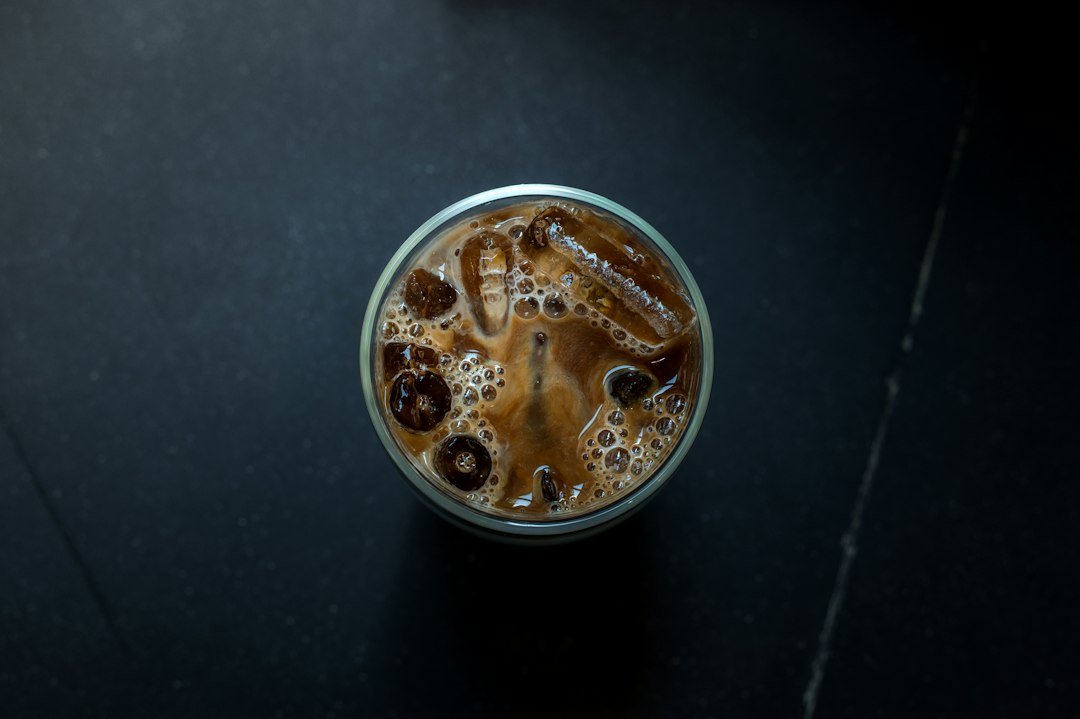
Most cold coffee tastes great for about five minutes. Then the ice starts doing its thing, the flavor goes thin, and you’re left sipping a polite little tragedy. Caffe freddo fixes that by chilling espresso fast, on purpose, before the drink has time to fall apart.
That matters because cold coffee already runs the show. Fresh Cup reported on August 26, 2026 that 3 out of 4 drinks sold at U.S. Starbucks locations are cold, and Daily Coffee News said the 2026 NCA/SCA Specialty Coffee Report found 47% past-day specialty coffee consumption versus 42% for traditional coffee. Cold won. The only fun argument left is which drink still tastes like coffee by minute ten.
What is caffe freddo?
Caffè freddo is a cold espresso drink, most famously developed in Greece, made by pulling a double espresso and shaking or blending it with ice so it chills fast, picks up a light foam, and keeps its flavor. It is stronger and less diluted than standard iced coffee or an iced Americano.
The setup is simple, and that’s why it works. A freddo starts with a double espresso, then gets shaken or blended with ice hard enough to chill it quickly and pull in a little air. Pascucci’s freddo pieces describe it as a chilled shaken espresso, which is exactly right. You want the espresso cold in seconds, with a little lift on top. A hot shot dumped over a cup of ice has always felt like a gamble.
And yes, Greece gets the credit here. Freddo is Italian for cold, which is handy, but the everyday ritual of ordering freddo espresso or freddo cappuccino belongs to Greece. That’s where cold espresso became part of daily life instead of a seasonal backup plan. Italy supplied the word. Greece gave it a habit.
The timing tracks. Fresh Cup noted that “cold brew” entered Merriam-Webster’s print Collegiate Dictionary in November 2025, which tells you cold coffee is fully mainstream now. Caffè freddo fits neatly into that world because it keeps the identity of an espresso drink intact. You still get roast, extraction, and aroma. The coffee is still there, doing its job.
Why does caffe freddo taste better than most iced espresso drinks?
Caffe freddo tastes better than most iced espresso drinks because the espresso is chilled quickly with ice before it has time to dilute unevenly, so it keeps more structure, aroma, and intensity. The shaking also adds a light foam that helps the drink feel lively instead of flat.
Start with the question people actually type into Google: iced americano vs iced coffee.
An iced Americano is espresso with water over ice. Iced coffee is usually brewed coffee served cold or poured over ice. Both can be good. Both can also go watery with shocking speed. A freddo is tighter than that. The espresso gets chilled with the ice first, then served with a lot more control, so the drink keeps its shape longer. If you want a broader comparison, see this flavor-first guide to iced coffee vs iced Americano.
Texture is a big reason people get hooked. Shaking hot espresso over ice creates a light foam, somewhere between crema and a proper shakerato. That matters because cold temperatures mute flavor, and aroma has to work harder when the drink is chilled. A freddo gives it a fighting chance.
Cold brew goes another direction. Fresh Cup says it steeps for 12 to 24 hours and averages 150 to 200 milligrams of caffeine per 8 ounces, compared with 80 to 120 milligrams for iced coffee. The result is often smoother and sweeter. Lovely, honestly. But if you like your coffee with edges and a clear center, it can feel a little too horizontal.
You notice that fast if you already love espresso drinks. Someone who orders an espresso macchiato or straight shots usually wants structure and a flavor that stays put. They want to taste the espresso, even cold. Fresh Cup’s August 2026 piece cites Peter Giuliano, former Counter Culture co-owner and executive director of the Coffee Science Foundation, on specialty cold coffee’s future. Freddo belongs in that future because the espresso still tastes awake.
If you’re making one at home, use a coffee with enough weight to hold up over ice. MORORA works beautifully here; it has an 11/10 intensity and stays present even after chilling. If you want something rounder, MAMA AFRICA brings toasted chocolate and caramel notes with an 8/10 intensity that still comes through cold.
Can you make caffe freddo at home without café gear?
Yes. Use two concentrated espresso shots, or one strong moka pot brew, shake it with ice for 10 to 15 seconds, then strain or pour into a chilled glass. You’ll get close without café equipment, though moka pot versions have less crema and a slightly rougher texture than machine espresso.
Good news: the method does most of the heavy lifting. Espresso gives you the cleanest version because it starts with pressure, plenty of body, and crema. But a moka pot gets surprisingly close at home. It has the intensity you need and that compact, dark flavor that still reads clearly once the drink is cold. Italians have solved worse problems with a stovetop pot and a bit of stubbornness.
One small adjustment helps. Brew it a touch shorter and stronger than you would for a slow hot cup. Cold drinks mute flavor. If the coffee starts weak, the ice will finish the job.
That’s the home mistake people make all the time. They bury under-extracted coffee under a mountain of ice, call the whole thing refreshing, then hope nobody asks follow-up questions. What comes out is sad bean water. If you want a fuller, easiergoing profile for freddo-style prep, MAMA AFRICA is a good pick. If you want something more punchy and espresso-led, MORORA has the intensity for it.
A few details matter. Shake before serving. Use solid ice. Move fast so the coffee chills in seconds instead of hanging around in that weird lukewarm middle stage. If you add milk foam, you’re drifting into freddo cappuccino territory. Excellent choice. Different order. For more on that variation, read why freddo cappuccino is the smarter way to drink iced.

Frequently Asked Questions
Iced americano vs iced coffee: what’s the difference?
Iced Americano is espresso plus water over ice. Iced coffee is brewed coffee served cold or poured over ice, so it usually tastes broader and lighter while the Americano keeps more espresso character.
Is caffe freddo one of the classic espresso drinks?
It is not a classic Italian bar-menu staple in the same way as an espresso macchiato. It is, however, an important modern cold espresso format, especially through Greek coffee culture.
Can you make caffe freddo with a moka pot?
Yes. A moka pot works well at home because it gives you concentrated coffee with enough body for shaking over ice, though it will not produce exactly the same crema or texture as machine espresso.
What beans work best for cold brew coffee beans vs freddo-style espresso?
Cold brew often works best with lower-acid, chocolatey coffees that stay smooth over long extraction. Freddo needs intensity and definition that can still punch through ice, so stronger espresso profiles usually perform better.
Sources
- Freddo Cappuccino Is the Iced Espresso Upgrade — https://pascuccicoffee.com/blogs/blog/freddo-cappuccino-the-smarter-way-to-drink-iced
- Freddo Coffee—Why Greece’s Iced Espresso Wins — https://pascuccicoffee.com/blogs/blog/freddo-coffee-why-greeces-iced-espresso-wins
- Peter Giuliano: “Specialty Cold Coffee is the Future” — https://freshcup.com/peter-giuliano-specialty-cold-coffee-is-the-future/
- ‘Cold Brew’ Is Now in the Dictionary. What Does That Say About Contemporary Coffee Culture? — https://freshcup.com/cold-brew-is-now-in-the-dictionary-what-does-that-say-about-contemporary-coffee-culture/
- Specialty Coffee Holds Lead Over Traditional Coffee in the U.S. — https://dailycoffeenews.com/2026/06/02/specialty-coffee-holds-lead-over-traditional-coffee-in-the-u-s/
