
Most iced coffee gives up halfway through the cup. Caffe freddo doesn’t. With about 1,300 monthly searches for “caffe freddo,” people are already onto something. Fair enough. The drink answers a question cafés still fumble every summer: if coffee is going to be cold, why does it so often taste like it checked out the second it hit the ice?
The backstory helps. In 1957, at the Thessaloniki International Trade Fair, Dimitrios Vakondios improvised a cold shaken coffee that became the frappé. Greece kept going. Freddo arrived as the cleaner, sharper follow-up: quick to make, properly cold, and far more polished.
What is caffe freddo?
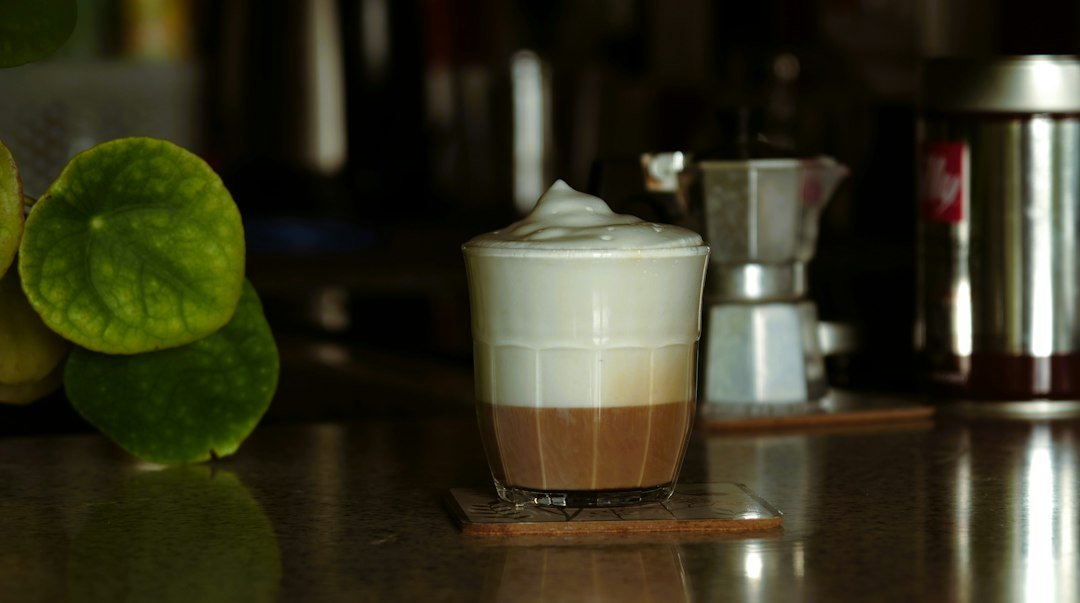
Caffe freddo is a Greek-style cold espresso drink made by chilling espresso on purpose, usually by shaking or blending it with ice until it turns smooth and lightly foamy. Unlike standard iced coffee, it is built for cold service from the first second.
You’ll usually see two versions. Freddo espresso keeps it simple: espresso, ice, agitation, foam. Freddo cappuccino starts there and adds a layer of cold milk foam on top. In Athens and across Greek café culture, this is everyday coffee, not some seasonal fling that appears when cafés start drawing little suns on the chalkboard.
That recipe matters. Plenty of cold drinks still begin as hot coffee poured over ice and left to sort itself out in public. Freddo accounts for dilution from the start. You shake or blend the espresso, chill it fast, pull a little air into it, and the texture stays smooth instead of going flat and watery by sip six. Different drink. Better result.
It also clears up some of the confusion behind searches like caffe americano or iced americano vs iced coffee. Usually, you’re asking a simple question: which cold coffee still tastes like coffee after five minutes? Freddo keeps the espresso character because the whole drink is engineered for cold service. That logic runs straight back to 1957, Vakondios, and the cold-coffee habits that spread from Thessaloniki to Athens. History earns its keep here. It explains why freddo feels finished while a lot of iced drinks still feel like a last-minute decision.
Why freddo works so well on modern menus
Too many cafés still treat ice like garnish. Then the cup goes thin before you hit the corner. Great plan.
This is where the iced americano vs iced coffee debate gets slippery. An iced americano is bright and refreshing, but it relies on added water plus melting ice, so the body can disappear fast. Standard iced coffee is even looser as a category. Sometimes it is batch brew over ice. Sometimes it is chilled brewed coffee. Sometimes it tastes like the café found a spare pitcher and decided to believe in itself. Freddo keeps espresso in charge and uses agitation to build body and visible foam, so the drink feels fuller before the first sip even lands. If you want a broader comparison, see this flavor-first guide to iced coffee vs iced americano.
Texture does a lot of the heavy lifting in cold coffee. Aroma softens when coffee is cold, so mouthfeel matters more. Freddo gets that. The foam changes how the coffee hits your palate and helps the espresso feel denser. It also looks excellent at the bar and in your hand, which, yes, counts. Better that than another cold drink buried under syrup and having a small personal crisis.
Cafés should care because cold drinks are driving the menu, especially with Gen Z and younger millennials who want customization but still want their coffee to taste like coffee. Freddo also travels well. Pascucci’s own reporting follows it from Greece to Brussels, including cafés near the EU quarter. That detail matters. Those are fast-moving urban coffee bars serving people who want takeaway drinks that still look respectable ten minutes later, somewhere between the tram stop and the office.
A blend with some backbone helps. For a cold espresso build, something like MORORA makes sense because ice is rude to timid coffee. Its intensity and woody, tobacco-leaning profile gives cold espresso enough structure to stay recognizable, even after the shake and the melt start doing their thing.
Why the coffee industry should take it seriously
Freddo gives industry coffee a useful clue about where premium cold drinks are heading. The formats with momentum right now feel crafted without tipping into dessert cosplay. That matters in the brewing market coffee conversation, where operators keep chasing “premium cold” and too often land on something sweeter, busier, or both.
Cold espresso is also brutally honest. Heat can flatter a blend. Milk can cover a lot. Serve that same espresso cold and weak spots show up fast. This is where the coffee production process lands right in the cup. Roast development, origin character, and processing choices read differently when the drink is chilled and diluted on purpose. If the base coffee lacks depth, freddo tells you immediately. Foam is lovely. It is not a miracle worker. For more on how processing shapes flavor, read washed vs natural coffee explained simply.

That changes menu strategy. Shops can keep rolling out syrup-heavy seasonal drinks, and yes, some of them will sell. Freddo-style builds do something more useful over time: they keep espresso culture intact while still feeling current. For milk-based versions, a coffee like MAMA AFRICA works well. Chocolate and caramel notes hold up under cold milk foam, which helps a freddo cappuccino still taste like coffee first and milk second.
The bigger shift is easy to spot. Cold coffee is growing up. You can see it in Greece, in Brussels, and in commuter-heavy cafés full of hybrid workers who want speed without drinking melted nonsense at 8:47 a.m. Freddo fits that lane perfectly. Efficient, photogenic, and still unmistakably espresso. We respect that. Italians usually do.
FAQ: iced americano vs iced coffee, caffe americano, and more
Iced americano vs iced coffee: what’s the difference?
An iced americano is espresso + cold water + ice. Iced coffee is usually brewed coffee served cold or over ice. The americano tastes cleaner and more espresso-led. Iced coffee can feel rounder or heavier, but it also varies widely depending on brew method and dilution.
Is caffe freddo the same as caffe americano?
No. Americano means espresso diluted with water, served hot or iced. Freddo is cold espresso shaken or blended with ice to create foam and a denser texture. It is a purpose-built cold espresso drink.
Why does cold espresso sometimes taste stronger than iced coffee?
Espresso starts more concentrated, so even after chilling it can keep a stronger flavor impression. Agitation also changes how body and aroma are perceived, especially with foam. Roast and blend choices matter here too; the coffee production process shows up quickly in cold service because there is less warmth to soften flaws.
If cafés want cold coffee that feels grown-up, they may need fewer dessert tricks and more drinks that can handle ice without collapsing. Caffe freddo can. Next time you order something cold, ask a simple question: was it designed cold, or did it just end up there?
Frequently Asked Questions
What is caffe freddo?
Caffe freddo is a Greek-style cold espresso drink made by shaking or blending espresso with ice until it becomes chilled, smooth, and lightly foamy. It is designed for cold service from the start, which helps it stay more balanced than many standard iced coffee drinks.
Iced americano vs iced coffee: what’s the difference?
An iced americano uses espresso, cold water, and ice, so it tastes cleaner and more espresso-led. Iced coffee is usually brewed coffee served cold or over ice, and its flavor and body vary more depending on how it was made.
Is caffe freddo the same as caffe americano?
No. Caffe americano is espresso diluted with water, served hot or iced, while caffe freddo is shaken or blended with ice to create foam and a denser texture. Freddo is built specifically as a cold espresso drink.
Why does cold espresso taste stronger than iced coffee?
Espresso starts as a more concentrated coffee, so it can keep a stronger flavor even after chilling. In drinks like freddo, agitation and foam also change texture and flavor perception, making the coffee feel fuller.
Sources
- pascuccicoffee.com — https://pascuccicoffee.com/blogs/blog/freddo-cappuccino-why-this-greek-cold-coffee-wins
- Broaden to “freddo espresso / freddo cappuccino / Greek iced coffee” in the last 60–90 days — https://pascuccicoffee.com/blogs/blog/cafe-freddo-why-greece-s-iced-espresso-travels
