
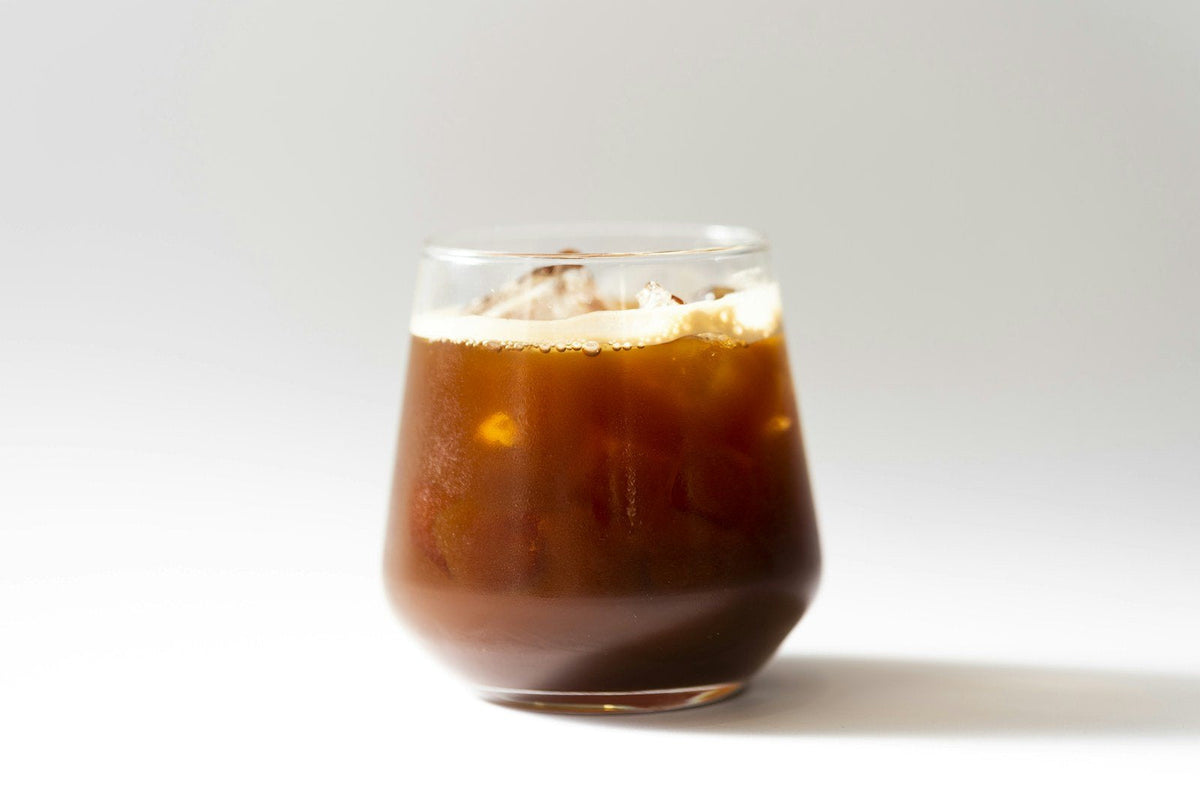
caffè freddo has standards. That already puts it ahead of half the cold drinks roaming America in clear plastic cups, watered down by noon and buried under syrup.
Cold coffee is everywhere. Fresh Cup reports that three out of every four drinks sold at U.S. Starbucks locations are cold, which sounds dramatic until you stand behind someone ordering a 32-ounce situation with cold foam, extra drizzle, plus what feels like a short memoir attached to the cup. Cold drinks are winning. Plenty of them still feel chaotic. Freddo keeps its dignity because the method is tight.
what is caffè freddo?
caffè freddo is a Greek-style iced espresso. You pull the shot, chill it fast with ice, then serve it with a light foam on top. A freddo espresso stays black. A freddo cappuccino gets a layer of cold frothed milk. Either way, the espresso still feels like the main event.
That distinction matters because “iced coffee” now covers basically anything cold and caffeinated. Freddo is more precise. It is made to order. It is chilled quickly. It is built to hold onto the espresso’s structure instead of fading into the usual watery shrug. Pascucci’s own freddo explainer describes it as espresso chilled fast, usually by shaking or blending, which creates the foam cap that tells you somebody knew what they were doing. Silencio Coffee Co. calls it “chilled, aerated espresso over ice,” and that aeration piece matters.
The foam does more than look pretty for eight seconds. It changes the mouthfeel, and it changes how sweetness lands. Silencio’s tasting notes point to a more refreshing finish and higher perceived sweetness before sugar even shows up. If you’ve had a properly shaken espresso, you know the effect. A little air can smooth the rougher edges without muting the coffee itself. You still get intensity. It just arrives wearing a clean shirt.
The name matters too, because people search “caffè freddo” when what they really mean is “that excellent cold coffee I had on vacation and have been chasing ever since.” Freddo is a method: fast chilling, controlled dilution, foam with a job to do. That is why it keeps getting lumped in with an iced latte or an ice cafe latte, even though those drinks lean much harder on milk. Freddo keeps the espresso out front.
why Greece turned cold espresso into a whole culture
Greece made freddo part of daily life because it suits the way cafés work there: slowly and socially, with enough time to let a table become home base for a while.
Kantara Food traces Greek café culture back to the 15th-century kafeneio tradition. These were places for politics, games, conversation, and hanging around long after anyone needed a refill. That habit never really left. Coffee in Greece often comes with time attached. Siga siga. Slowly, slowly. If you’re going to sit outside for an hour, maybe two, in warm weather, a freddo makes obvious sense. You want something cold and strong that still tastes good while the conversation wanders from football to rent to whether anyone in Brussels has ever sent a normal email. A tiny hot espresso in August is a tougher sell.
The economic side matters too. During Greece’s 2010s crisis, unemployment climbed above 27%, according to reporting cited by Greek City Times from POLITICO Europe. You might expect café culture to shrink under that kind of pressure. Instead, Kantara notes that cafés kept opening and became what it calls a “space of freedom and socializing,” where a few euros could buy hours of presence. That’s a serious role for a coffee shop. It was affordable access to being somewhere, with people, for a while.
Then the culture traveled. Greek City Times names To Meli, Papillon, Caffeine, Cherry, and other cafés in Brussels’ EU quarter, where freddo espresso and freddo cappuccino have become regular orders among EU officials, lobbyists, journalists, plus Greek and Cypriot communities. The owners of To Meli moved to Belgium in 2013 and opened their first café six years later. That timeline says plenty. Freddo travels well because it brings a ritual with it. Order one and you get a small Mediterranean correction to the usual grab-and-go brain.
caffè freddo vs iced latte: why one keeps the coffee in charge
An iced latte is easy to like. Soft, cold, familiar. Freddo asks for a little more attention, then rewards you with actual espresso flavor.
Pascucci’s take on freddo coffee places the drink somewhere between “the brisk snap of a cold americano and the softer ease of an iced latte.” Fair. An iced latte smooths everything out with milk volume. Often delicious. Sometimes exactly what you want. But once enough cold milk hits the cup, espresso stops leading and starts making polite suggestions from the back seat. Freddo keeps the shot in control, whether you take it black or order a freddo cappuccino with a cold milk layer on top.
That difference matters more now because cold coffee has moved to the center of the menu. Fresh Cup cites the same number everyone in coffee keeps repeating: three out of every four drinks sold at U.S. Starbucks locations are cold. It also notes that chains and specialty cafés are both seeing the shift. Peter Giuliano, former Counter Culture Coffee co-owner and executive director of the Coffee Science Foundation, told Fresh Cup that specialty cold coffee is the future. He may be right. Still, a bigger cold menu does not automatically give you more coffee-forward drinks.
And yes, this is where the pumpkin spice latte walks in wearing suede boots in September. A pumpkin spice latte or a pumpkin pie latte leads with flavor, milkiness, spice notes, and that annual hit of seasonal nostalgia. There’s a time for that. Sometimes you want dessert with caffeine and a little main-character energy. Freddo is built differently. It is year-round, technique-driven, and much less interested in costume changes.

If you’re searching for an iced latte, ice cafe latte, or pumpkin spice latte, the better question is simple: how much do you want your coffee to taste like coffee? Freddo answers with unusual confidence.
why coffee tech keeps circling back to caffè freddo
Freddo feels old-school Mediterranean, but the logic behind it fits neatly with modern coffee tech. Chill the espresso fast. Keep dilution under control. Make it taste the same at noon as it did at 9 a.m. That is half the equipment conversation right there.
Silencio Coffee Co. recommends starting with chilled, aerated espresso over ice and changing one variable at a time. Good advice. Pull the shot, chill it immediately, watch the melt, taste the finish, repeat. Pascucci’s freddo article makes the same point in simpler language: wait too long and the drink loses its shape. Timing decides whether the espresso stays vivid or goes flat and beige. Nobody orders beige on purpose.
That matters because cafés are under pressure to make cold drinks that feel distinct without turning every order into a chemistry exam. Fresh Cup points to growing interest in signature drinks and notes how shops such as Little Joy in Northfield, Minnesota, have gone viral because customers want to feel part of the experience. Fair enough. But a lot of signature drinks are still syrup architecture with better lighting. Freddo offers another route. The drink already has a built-in identity, and it still lets the coffee do the talking.
That’s why freddo keeps hovering around conversations about coffee tech even when nobody names it directly. Better ice programs, tighter shaking methods, cold foam tools, smarter bar workflow: they all chase the same goal Greece locked in years ago. How do you make cold espresso taste intentional at 2 p.m., in a rush, with six people in line and somebody ahead of you describing their custom pumpkin order like they’re pitching a limited series? Start with a drink that has standards. Summer tends to reward that. If you want another cold-coffee comparison, see why cold brew and iced coffee are not the same thing.
Frequently Asked Questions
What is caffè freddo?
caffè freddo is a Greek-style iced espresso made by pulling espresso, chilling it quickly with ice, and serving it with a light foam on top. It is designed to keep espresso flavor clear and structured rather than diluted or milk-heavy.
Is caffè freddo stronger than an iced latte?
Usually, yes in flavor perception. An iced latte uses more milk, which softens and dilutes espresso intensity, while freddo keeps the coffee more forward and concentrated on the palate.
How is caffè freddo different from a pumpkin spice latte or pumpkin pie latte?
A pumpkin spice latte or pumpkin pie latte leads with milk, sweetness, and spice. caffè freddo is more technique-driven and espresso-first, with less emphasis on syrup and seasonal flavoring.
Does coffee tech matter when making caffè freddo?
Yes, because speed, ice quality, and aeration all affect the final drink. Good coffee tech helps chill espresso quickly, manage dilution, and create the foam that gives freddo its texture and finish.
Sources
- Greek Coffee Culture Slowly Conquering Europe — https://greekcitytimes.com/2026/09/01/greek-coffee-culture-slowly-conquering-europe/
- Peter Giuliano: “Specialty Cold Coffee is the Future” — https://freshcup.com/peter-giuliano-specialty-cold-coffee-is-the-future/
- Freddo Coffee—Why This Iced Espresso Has Standards — https://pascuccicoffee.com/blogs/blog/freddo-coffee-why-this-iced-espresso-has-standards
- A GREEK LEGEND: FREDDO ESPRESSO — https://kantarafood.com/en/a-greek-legend-freddo-espresso/
- Freddo Espresso: Greece chilled or cold-extracted coffee at chilled, aerated espresso over ice — https://silenciocoffeeco.com/field-notes/coffee-drink-freddo-espresso
