
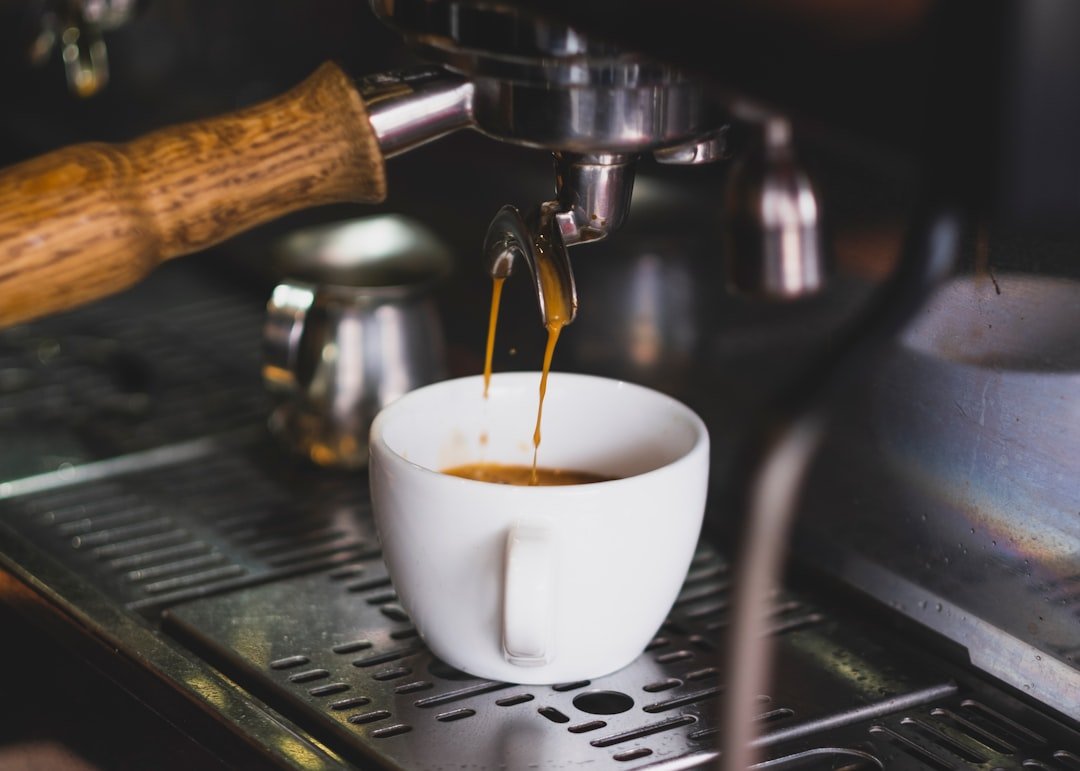
Freddo coffee is what happens when iced espresso gets taken seriously. The shot is chilled on purpose, whipped into silky foam, then served like somebody cared what happened after the espresso left the machine.
On a hot day, that changes everything. You taste more of the coffee. You get that proper foam cap. And the whole drink lands somewhere between the brisk snap of a cold americano and the softer ease of an iced latte. Greece figured this out a while ago. Everyone else is finally catching up.
What is freddo coffee?
Freddo coffee is a Greek iced espresso drink made by pulling espresso and chilling it fast with ice, usually by shaking or blending. A freddo espresso is served black with foam on top. A freddo cappuccino gets a layer of cold frothed milk. That part matters because the texture is built in. It’s the whole point.
The drink took off in modern Greek café culture, especially in Athens and Thessaloniki, where hot weather and long café hangs made cold coffee an everyday habit. Greece already had frappé in heavy rotation before freddo showed up: the famously frothy instant-coffee drink that basically owned the late 20th century. Then freddo arrived with espresso in the starring role, and cold coffee got sharper edges, stronger flavor, plus a lot more structure.
You can taste the difference fast. A basic iced espresso often feels like two separate moments: first the shot, then the slow surrender to melting ice. Freddo keeps things tighter. Chill the espresso immediately and you hold onto more aroma while building a denser foam layer. The cup feels smoother, but still focused. An americano ice stretches espresso with water and ice. Freddo stays compact. On paper, it sounds minor. In the cup, it really isn’t.
Freddo coffee vs cold americano vs iced latte: why freddo tastes more intentional
A cold americano absolutely has a role in life. Commute cup. Long meeting. Giant takeaway you keep forgetting on your desk, then heroically return to 40 minutes later. Fair enough. But the build is simple: espresso, water, ice. So dilution starts early and keeps going. You get a lighter body and more spread-out flavor, but some of the crema character disappears, along with the sharper aromatics that make espresso fun in the first place. If you order an americano ice, you’re choosing length over concentration. For a deeper comparison, see how an americano fits different drinking styles.
An iced latte moves in the opposite direction. Milk smooths everything out almost instantly, which can be lovely when that’s the mood. It can also sand down the interesting parts of the espresso, especially if the shot has brighter fruit notes or a lighter roast. Sweetness steps forward. Roast calms down. The whole drink turns plush. Sometimes that’s exactly right. Sometimes the coffee starts feeling like a background extra in its own scene.
Freddo works for espresso people because it cools the shot quickly and builds foam without drowning it in water or milk. Bitterness softens a bit. Body stays put. Sweetness often reads higher even without syrup, because temperature and aeration change what hits your palate first. That’s why freddo can taste cleaner than an iced latte and more vivid than a cold americano at 3 p.m., when your brain has left the group chat but your inbox is still very much online.
If you’re picking beans for this style, cold espresso usually wants a little backbone. Delicate floral coffees can go quiet once ice enters the room. That’s where something like MORORA earns its keep. Its 11/10 intensity and woody, barrique-like profile still shows up clearly when chilled. If you want a rounder cup, MAMA AFRICA brings toasted, chocolate and caramel notes that sit very comfortably in a freddo. Friendly advice only: cold drinks are where shy coffees go to vanish. If roast and extraction variables interest you, espresso extraction time matters more than most people think.
People want café drinks that feel less dessert, more design
Freddo is showing up at exactly the right moment. People still love a treat. Obviously. But café menus have been drifting toward cold drinks that feel cleaner and sharper, with a slightly more grown-up mood than the extra-syrup era. You can see it on summer menus, in takeaway cups, and in the way people order. Between office days and train platforms, they still want iced coffee. They just want it to taste like coffee.
That’s why freddo feels so fresh next to the default iced latte. Lattes are reliable. Cozy. Photogenic in a way that almost feels contractual. Freddo has different energy. It looks great in a clear cup. It travels well. It feels designed for heat instead of adapted from a hot drink at the last minute. Even next to a hojicha latte, with all that roasted, toasty, low-caffeine comfort, freddo reads crisper and more alert. Hojicha says soft afternoon. Freddo says you still have two emails and one train to catch.

Ten years ago, a lot of cold coffee orders came down to two questions: is it sweet, and is it cold? Specialty coffee changed the bar. More people now notice bad extraction, bean character, roast style, or whether a café actually understands what cold does to flavor. Once you’ve had a properly chilled espresso with stable foam, a random shot poured over ice feels unfinished. Because, in plenty of cases, it is.
If cafés keep calling everything “iced espresso,” freddo stays the insider order
Freddo has a naming problem. The drink is fine. Menus are the chaos agent.
A lot of cafés flatten several different drinks into one vague label: iced espresso, iced coffee, maybe shaken espresso if somebody had five spare minutes in the branding meeting. But build matters. An espresso macchiato is shaped by proportion and assembly as much as ingredients. Freddo works the same way. Pull the espresso, chill it properly, build the foam with intention, and you get one result. Pour a hot shot over ice and call it a day, and you get something else entirely.
That blur matters in practice. People don’t ask for freddo if they’ve never seen it on a menu. Cafés don’t train for it if nobody orders it. Greek cafés have treated those distinctions as normal for years, while plenty of specialty shops outside Greece still tuck cold espresso drinks under generic labels and hope nobody gets picky. It’s a bit like calling all pasta “noodles” and expecting Italy to stay relaxed. Good luck with that.
So freddo may stay an insider order for a while. Fine by us. Insider orders have a habit of becoming standard once enough people realize the drink solves an actual problem. If your local café only offers “iced espresso,” ask how they chill it and whether they shake it for foam. Their answer will tell you a lot before the first sip does.
Frequently Asked Questions
What is freddo coffee?
Freddo coffee is a Greek iced espresso drink made by chilling espresso quickly with ice and creating a foam layer through shaking or blending. It keeps more espresso character than many generic iced espresso drinks.
What’s the difference between freddo coffee and a cold americano?
A cold americano adds water and ice to espresso, which makes it longer and more diluted. Freddo stays more concentrated, with a silkier foam cap and a stronger espresso presence.
How is freddo coffee different from an iced latte?
An iced latte softens espresso with milk, often making the drink creamier and sweeter. Freddo keeps the coffee more forward, with less masking of roast, aroma, and structure.
Is freddo coffee stronger than a hojicha latte?
Usually, yes. A hojicha latte leans roasted, mellow, and lower in caffeine, while freddo coffee is espresso-based and tastes sharper, more alert, and more concentrated.
Sources
- Broaden to the last 90 days — https://example.com
