
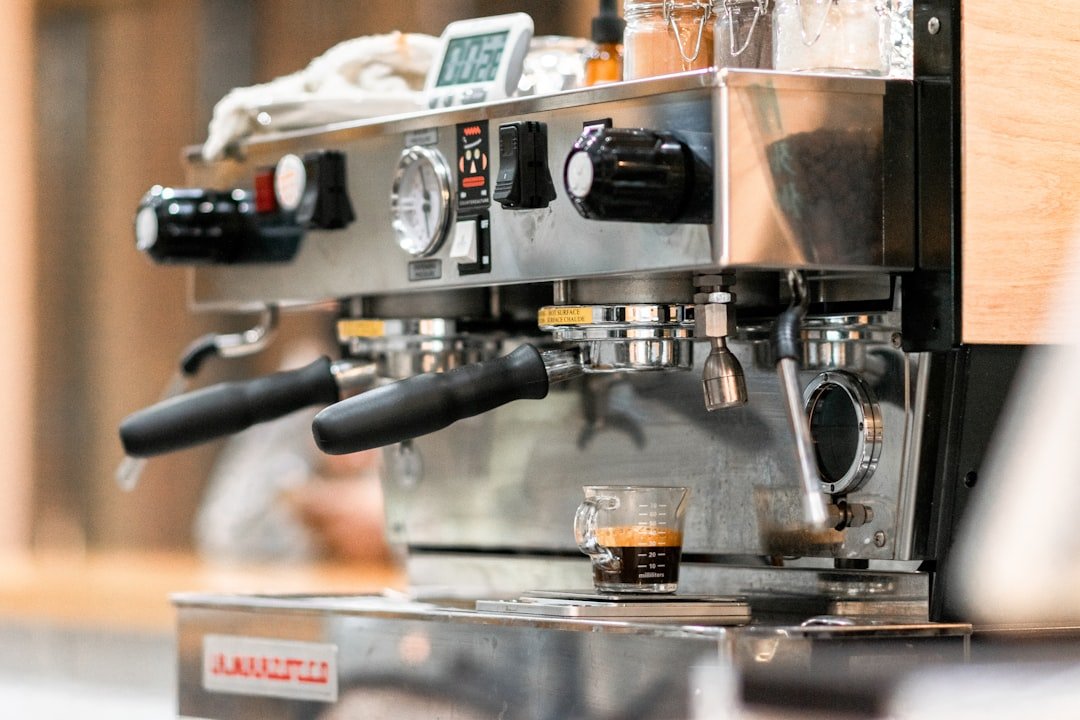
Most eco friendly coffee machines are sold like a personality trait. In reality, the lower-impact ones are usually less flashy: they last longer, use energy sensibly, and do not trap you in a daily trash routine before you have had your first espresso.
That is the slightly unsexy truth. Sustainability in coffee equipment usually comes down to three boring-but-powerful things: how long the machine survives real life, how much energy it uses, and what kind of coffee system it asks you to commit to every morning. Not glamorous. Very important.
If you are trying to build a coffee setup that feels smart instead of sanctimonious, this is the filter. No guilt trip. No eco theater. Just what actually matters if you want better coffee with less waste and fewer bad purchases.
Are eco friendly coffee machines actually better for the planet?
Yes, if “eco friendly” means lower lifetime impact rather than prettier marketing. The best options use less energy, last longer, can be repaired, and work with lower-waste brewing formats. A machine that fails in two years or creates constant packaging waste is not sustainable, even if the branding looks green.
That sounds obvious, but this is exactly where people get played. Brands love highlighting one visible green detail and hoping you will not ask the harder questions. How much electricity does it pull in standby mode? Can the pump be replaced? Are the parts proprietary? What waste does it generate every day for the next five years?
A coffee machine’s footprint starts long before your first cup, and it does not end when the machine begins making ominous noises and leaking onto the counter. Manufacturing has an impact. Shipping has an impact. Daily electricity use matters. Cleaning and descaling matter. Then there is end-of-life disposal, where many appliances become mixed-material waste with limited recyclability.
This broader view lines up with where coffee sustainability research is headed. A 2026 review covered 137 peer-reviewed publications from 2000 to 2024 and found that coffee sustainability research is growing, but still fragmented across the supply chain, from farming to packaging to final consumption. That last part matters here. Your machine is not a separate moral universe. It is one piece of a larger coffee system that includes how coffee is packed, brewed, used, and discarded.
There is also the healthy-skepticism angle. Daily Coffee News’ coverage of the 2026 Coffee Barometer made a sharper industry point: coffee sustainability language often sounds much more advanced than the structural reality underneath it. Different context, same lesson. If the coffee industry can dress up weak progress in polished sustainability language, appliance brands can absolutely do their own version of that on a product page.
So no, there is not a perfectly guilt-free brewer waiting to absolve your carbon sins before work. There are only better trade-offs. Lower impact, not purity. Honestly, that is a much more useful standard anyway.
The machine matters less than the system it locks you into
This is where people get oddly distracted. They will spend ages comparing metal trim to plastic housing, then ignore the bigger issue: what the machine requires every day. Pods. Filters. Water use. Cleaning tablets. Standby power. Replacement parts. Packaging. That recurring stuff usually matters more than the one-time aesthetic debate.
Think in systems, not gadgets.
A pod machine, for example, can be either wildly wasteful or relatively sensible depending on the capsule type and whether disposal happens in real life, not in the fantasy version of your life where you always sort waste perfectly before 8 a.m. Plastic and aluminum-heavy capsules create one kind of problem; compostable options can reduce that burden, but only if they fit your local composting access and your habits. If you want a deeper look at that trade-off, see compostable coffee pods vs aluminum pods.
Batch brewers, your classic drip setup done well, often score better than people expect because they are simple, durable, and not dependent on complex single-use formats. Paper filters are a consumable, yes, but they are straightforward and relatively low-drama compared with systems involving multilayer capsules, collection bags, and return labels. Sometimes the greener choice is just the less complicated one. For many households, batch brew is more practical than a trendier format.
Super-automatic machines are a different beast. They can reduce daily café runs, which might cut down on cup and lid waste if you would otherwise buy takeaway coffee all the time. But they also tend to be more complex, use more components, and need more maintenance. More moving parts usually means more failure points. Convenience always sends an invoice eventually.
Consumables absolutely belong in the machine decision. An environmentally friendly coffee maker that depends on landfill-bound packaging every single week is doing half the job and still expecting applause.
This is also the most natural place to say something obvious from the coffee world: compostable pod systems make more sense than plastic or aluminum-heavy formats when the disposal setup and user behavior actually line up. A better pod is part of a bigger routine, not a magical halo.
One underrated detail: bad coffee is waste too. If your machine consistently makes cups you do not finish, that is wasted coffee, wasted water, and wasted energy. The greener format is the one you will use well enough to avoid dumping half a mug while muttering, “meh.”
Why repairability is the underrated flex in sustainable coffee
The sexiest sustainability feature is not bamboo trim. It is whether you can replace a gasket.
Repairability is one of the most overlooked traits in environmentally friendly coffee makers because it does not photograph well. But if a machine can be maintained instead of tossed, its lifetime impact changes dramatically.
This idea is showing up more clearly in the coffee equipment world. In 2026, La Marzocco became the first espresso machine manufacturer to achieve B Corp certification, according to Sprudge. That matters because B Corp is not about one cute eco feature. It evaluates how a company performs across governance, workers, community, environment, and customers. To certify, a company needs at least 80 points on the B Impact Assessment. La Marzocco scored 84.4, with especially strong marks in Workers and Environment.
That is a useful signal for anyone shopping equipment: sustainability is increasingly being measured as a business practice, not just a material choice. Who makes the machine, how they support it, how they govern the company, and whether they are building for longevity all count.
Now, B Corp certification alone does not automatically make every machine from any company the right buy for your kitchen. But it does point toward better shopper questions.
- Are spare parts available?
- Is there a service network?
- Does the brand publish repair information?
- Is the warranty decent, or weirdly evasive?
- Can common failure points be fixed without replacing the whole unit?
If the answer to those questions is basically a shrug and a PDF from 2019, maybe not ideal.
A machine that lasts 10 years with maintenance usually beats a “green” machine that gets binned after two. Consumer sustainability often comes back to durability in the least glamorous way possible. Buy fewer machines. Keep them running longer. Try not to normalize disposable appliances with artisanal branding.
Also, a lot of people assume home coffee machines fail because consumers neglect them. Sometimes true. But sometimes machines are simply designed as sealed, inconvenient little boxes where one failed component effectively ends the relationship. That is not user failure. That is product philosophy.
Repairability is the quiet flex because it signals confidence. A brand that supports parts and service is basically saying this thing is supposed to stay in your life for a while.
How energy use exposes convenience claims
The most convenient machine can quietly become the least efficient one if it sits hot all day for two rushed coffees and a 4 p.m. identity crisis.
This is where sustainability gets practical fast. Most home users are not running a café. They do not need a machine designed to hold temperature like it is serving a brunch rush in Milan. Yet plenty of machines get used inefficiently: left on too long, reheated repeatedly, or kept in standby because waiting 40 seconds feels personally offensive before caffeine.
A few features matter more than vague “energy-saving technology” language.
- Fast heat-up systems: Thermoblock designs can reduce idle energy compared with machines that maintain a large volume of heated water all day.
- Auto shut-off: Basic, yes. Still wildly useful.
- Programmable sleep modes: Because your machine does not need to remain spiritually awake between cups.
- Fast recovery time: Helpful if you make multiple drinks without keeping the machine constantly hot.
Scale changes the math too. A home kitchen, office pantry, and café should not shop from the same checklist. A machine that is efficient in a high-volume setting may be overbuilt and wasteful in an apartment where you make one cappuccino and immediately leave for work. More machine is not always more responsible.
There is a useful analogy from roasting. Fresh Cup’s profile of Driftaway Coffee noted that the company uses a Loring S35 roaster, a design that avoids the need for a separate afterburner. That is not a home coffee machine, obviously, but the principle travels nicely: smarter equipment design can reduce energy demand at the system level instead of relying on moral messaging. Better engineering, fewer extra processes.
Sprudge’s feature on Coffee Equipment Pros adds another angle from the professional side: equipment choices are not only about the machine itself, but about workflow, footprint, testing, and how systems function in real space. That sounds very café-world, but it applies at home too. A machine that fits how you actually brew is often greener than one loaded with aspirational features you will never use.

Here is the cheat-sheet version.
- Lifespan: Fewer replacements mean lower long-term impact. Look for durable build quality, a decent warranty, and reliable long-term reviews.
- Energy use: Daily power adds up quietly. Look for fast heat-up, sleep mode, and auto shut-off.
- Repairability: Fixing beats replacing. Look for spare parts, service support, and repair information.
- Waste system: Consumables shape your footprint. Look for lower-waste pods, simple filters, and less packaging.
One more thing people rarely think about: energy waste is not just the machine being on. It is failed brews too. Re-making a bad cup doubles the electricity and water involved. The best environmentally friendly coffee machines are often just the ones consistent enough to get it right the first time.
Stop shopping for an eco machine and start shopping like a realist
If a machine is marketed like it is going to save the earth and organize your emotional life, take one respectful step back.
The better approach is boring in the best way. Ask practical questions.
1. How long is this machine expected to last?
Not “does it feel premium.” Not “does the website use a lot of sage green.” Actual lifespan. Read owner reviews from people who have had it for years, not six excited days. Durability beats eco aesthetics every time.
2. Can it be repaired?
Look for spare parts, service centers, and real warranty support. If the whole business model seems built around replacement instead of maintenance, that is your answer.
3. How does it handle energy?
Check idle power behavior, heat-up design, auto shut-off, and whether the machine needs to stay hot to be useful. Convenience can be efficient, but only if the design is thoughtful.
4. What waste stream does it create every week?
This is the big one. Not unboxing day. Every week. Filters, pods, packaging, cleaning products, rejected cups, stale beans. That is the footprint you actually live with.
And yes, people shopping for eco friendly coffee makers usually care about what goes in the machine too. Fair, but there is an important nuance here.
Organic coffee can absolutely be part of a more thoughtful setup, especially if you care about farming inputs and broader agricultural practices. But organic coffee brewed in a waste-heavy system does not magically neutralize the rest of the impact. Great beans do not erase bad hardware decisions.
Same with Peruvian coffee, or any coffee chosen for traceability, flavor, or sourcing values. You want a machine that actually brews it well. Otherwise you are paying for beautiful coffee and extracting it into disappointment. Sustainability includes not ruining good coffee.
That is really the mindset shift: stop trying to build a kitchen altar to sustainability. Build a routine with less waste, fewer replacements, and better coffee. That is enough. More than enough, actually.
A quick three-minute audit before buying anything new can be clarifying.
- How much packaging does your current setup generate weekly?
- How often is your machine left on unnecessarily?
- How often do you throw away bad or unfinished coffee?
- Could a simple maintenance routine extend the life of what you already own?
- Are you replacing the machine because it is broken, or because marketing got a little too cinematic?
Sometimes the greenest move is not buying a new machine at all. Slightly rude to the shopping impulse, yes. Very effective, though.
Frequently Asked Questions
What are eco friendly coffee makers?
Eco friendly coffee makers are brewers chosen for lower lifetime impact through better energy efficiency, longer lifespan, repairability, and lower-waste brewing formats. The label matters less than how the machine performs over years of real use.
Are environmentally friendly coffee machines worth it?
Yes, if they genuinely reduce waste and energy use over time and can be maintained instead of replaced quickly. No, if the green claim is mostly branding, packaging, or one symbolic material choice.
What is the difference between eco friendly coffee machines and environmentally friendly coffee makers?
For most shoppers, there is basically no difference. Both phrases refer to lower-impact coffee equipment that uses less energy, lasts longer, and creates less daily waste.
Does organic coffee make my coffee setup sustainable?
Organic coffee can support better farming practices, but it does not cancel out waste-heavy brewing habits or a short-lived machine. It is one good decision inside a larger system, not the whole sustainability story.
Sources
- La Marzocco Becomes First Espresso Machine Manufacturer To Achieve B Corp Certification — https://sprudge.com/la-marzocco-becomes-first-espresso-machine-manufacturer-to-achieve-b-corp-certification-1026217.html
- Build-Outs Of Coffee: Coffee Equipment Pros In Spicewood, TX — https://sprudge.com/build-outs-of-coffee-coffee-equipment-pros-in-spicewood-tx-1077197.html
- Roastery Breakdown: Driftaway Coffee in Brooklyn, New York — https://freshcup.com/roastery-breakdown-driftaway-coffee-in-brooklyn-new-york/
- Review: Coffee Sustainability Research is Growing but Fragmented — https://dailycoffeenews.com/2026/07/15/review-coffee-sustainability-research-is-growing-but-fragmented/
- Inside the 2026 Coffee Barometer, Part 1: Prices Swing, Structures Don’t — https://dailycoffeenews.com/2026/07/02/inside-the-coffee-barometer-part-1-prices-swing-structures-dont/
