
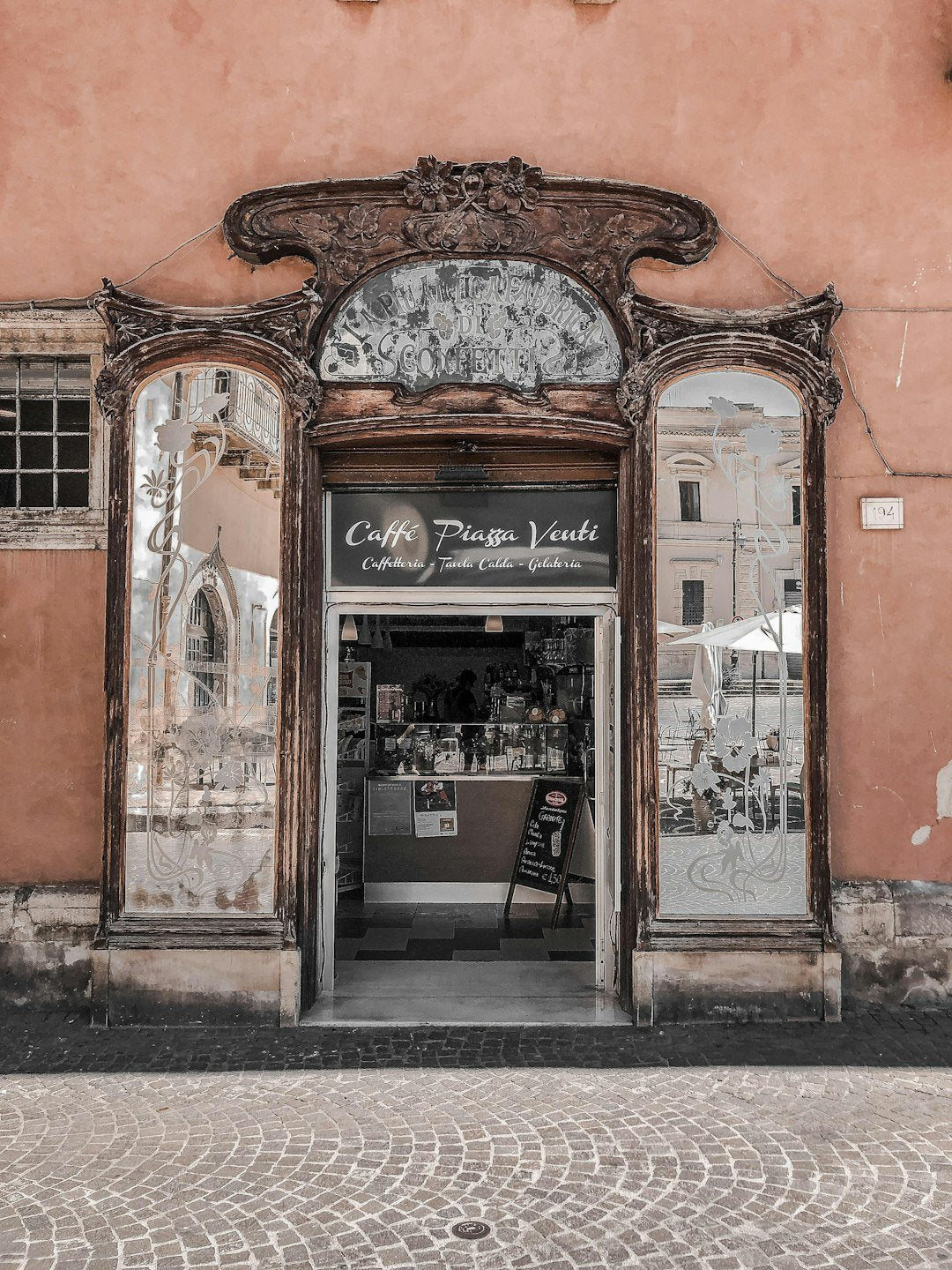
Coffee and culture are still inseparable in Italy, but not in the simplified, Instagram-ready way people often imagine. Italy’s system works because coffee is built into daily life as timing, etiquette, speed, and shared public ritual rather than endless customization or self-expression.
That is the hottest take here: Italy never treated coffee like a hobby. It treated it like infrastructure. That sounds dramatic until you look at how many modern coffee scenes ask one drink to signal taste, project personality, justify the price, become content, and maybe, if everyone is lucky, also wake you up.
Italy took a cleaner route. Coffee was never just a beverage or a lifestyle prop. It became timing, etiquette, and belonging. You stop at the bar. You order fast. You know more or less what fits the hour. You drink. You leave. It is not less meaningful because it is quick. If anything, it works because everyone already knows the script.
That is why espresso culture still feels current. Not just because it is old, charming, or cinematic, though the stainless-steel bar and porcelain cup still look fantastic. It endures because it solves a very modern problem: how to build ritual into everyday life without turning every small pleasure into a scheduled event.
If your current morning ritual coffee involves a giant iced drink, three notifications, and the vague feeling that you are somehow behind in your own life, the Italian system has some thoughts. And no, this is not tourist-trivia territory. It is a real question about why these habits still feel smarter than so much algorithm-era café theater.
What does coffee and culture actually mean in Italy?
In Italy, coffee and culture means coffee is less about customization and more about shared social rules. Espresso is fast, public, affordable, and ritualized: people drink it at certain moments, in certain ways, and those habits quietly organize the day from the first morning stop to the post-lunch reset.
That is really the whole thing. Italian coffee is not mainly about expressing your inner self through an order so specific it needs subtitles. It is about stepping into a social rhythm other people instantly recognize.
You see this most clearly at the bar, which in Italy means coffee bar first, not necessarily cocktails and mood lighting. The bar is public life in miniature. Spend a few minutes there and you can read the neighborhood: who is late, who has time for gossip, who orders the same thing every day with one glance and no speech required. Coffee becomes a kind of civic punctuation mark.
And yes, the rules are real. A cappuccino is a morning drink, usually breakfast territory. After late morning, cue the famous “no cappuccino after 11” line, you will look a little off-script ordering one, especially after a heavy meal. Not because the coffee police are hiding behind the pastry case. It is because milk-heavy drinks read as more substantial, more food-like, and less aligned with the digestive logic of the rest of the day. If you want the fuller etiquette breakdown, see why Italians never order cappuccino after 11am.
An espresso after lunch makes sense in that system. A giant foamy milk situation after pasta is not illegal. Just a little narratively chaotic. These habits are not random snobbery. They are shorthand. They keep things moving. Everyone more or less knows what goes where.
Then there is the standing espresso habit, less performance than practicality. At many Italian bars, you order and drink al banco, at the counter. It is faster, often cheaper than table service, and built for flow. You are not expected to occupy a table for two hours with one drink and a dying laptop. You have your caffè, maybe a cornetto, maybe a quick word with the barista, and then you get on with your day.
That routine does something quietly brilliant: it keeps coffee inside daily life instead of turning it into a special occasion every single time. A ritual can feel sacred without being slow. That is a very Italian distinction.
Global café culture often turns coffee into a personality marker. Your order becomes autobiography. In Italy, it is more likely to signal context. Morning? Cappuccino. After lunch? Espresso. Tiny afternoon pause? Maybe a macchiato. Summer heat? Something chilled, but still recognizably coffee, not dessert in a trench coat.
That is why italian coffee can feel so steady even as trends come and go. It does not need to reinvent itself every six months to stay relevant. It already knows its job.
Espresso culture is not slow living—it is efficiency with style
One of the funniest myths about Italy is that everything there must be leisurely by default. Beautiful, sure. Stylish, obviously. But the classic espresso bar is not some endless sun-drenched still life where nobody has a calendar. It is efficient. Very efficient.
A standard espresso is one of the smartest food rituals ever invented. You walk in, order, drink in a couple of minutes, sometimes less, and walk out with caffeine, a sensory reset, a social check-in, and a tiny break in the day. That is not indulgent idleness. That is elite time management with porcelain.
Which is exactly why espresso culture makes so much sense for modern work life. It is the original morning ritual coffee: brief, repeatable, social enough to keep you human, and structured enough to stop the day from dissolving into one long scroll.
Compare that with the version a lot of people now accept as normal: wait in line, customize a drink into a legal document, carry it around for 45 minutes, answer emails while sipping, and somehow never feel like the coffee moment actually happened. The drink exists, but the ritual is mush. Italy’s version is the opposite. The moment is clear. It starts, it ends, it lands.
There is a useful contrast here with where specialty coffee is heading in some places. Daily Coffee News recently reported that Brooklyn’s Field Study Coffee shifted to a reservation-only model, offering one-hour coffee experiences, guided tastings, and even coffee omakase. Co-founder Norberto Peña said the goal was “a more intentional experience rather than trying to maximize volume.” That is a legitimate and interesting move, especially for people who want hospitality, storytelling, and focus in a slower format.
But Italy’s old-school genius is almost the inverse. It gives ritual depth without time sprawl. No booking required. No palate prep. No need to block off an hour to prove you care. You can care deeply and still be done before your next call.
That is the part that catches people off guard: traditional espresso culture is not anti-modern at all. If anything, it may be more compatible with contemporary life than some newer, more elaborate café formats. It respects your time while still insisting that a few minutes of attention are worth having.
And style matters. Efficiency on its own can feel bleak. Italy adds elegance. The ceramic cup. The polished machine. The choreography behind the bar. That tiny receipt of pleasure before you head back into the day. It is a reminder that you do not actually have to choose between speed and taste, or between routine and beauty.
For readers interested in how classic espresso standards still shape drink expectations, cappuccino vs latte vs flat white: key differences offers a useful companion look at how milk drinks diverge once you leave Italy’s core script.
The real flex of italian coffee? It knows when not to perform
A lot of contemporary coffee culture is earnestly trying to do the right thing. More education, more respect for producers, more sensory literacy: those are real gains. But coffee can also get a little theatrical. Sometimes ordering a drink feels like you accidentally wandered into an oral exam.
That tension is showing up across the industry. In Malta, Daily Coffee News profiled Deandra Gauci of Coffee&strangers, whose work helped build specialty coffee culture through education, sensory training, and a multiroaster café model. Early on, some visitors to her café were not even sure about espresso, and some asked for Coca-Cola instead. It is a useful reminder that coffee appreciation is not automatic. It is learned, usually patiently, through hospitality and exposure.
At the same time, the specialty world has become increasingly formalized. The Specialty Coffee Association launched the Master of Specialty Coffee, which Tea & Coffee Trade Journal described as the highest professional distinction in specialty coffee. The SCA represents professionals in more than 100 countries, and the new credential reflects just how intellectually structured the field has become. According to that coverage, coffee is shaped by hundreds of aromatic compounds, grown across more than 70 countries, and more than 2.25 billion cups are consumed every day.
So yes, expertise matters. Farmers, roasters, trainers, importers, baristas, and tasters have built serious knowledge systems around coffee, and that deserves respect.
But italian coffee offers a useful counterweight. It reminds us that expertise does not always need a spotlight. Sometimes the highest form of confidence is not turning every espresso into a TED Talk. The barista may know plenty. The regular definitely has opinions. But the transaction stays light. No one has to recite tasting notes like they are defending a thesis.
That restraint is part of the charm. It also saves coffee from becoming socially exhausting.
There is a subtle lesson in there: public knowledge and public performance are not the same thing. You can care deeply without making everyone around you watch you care deeply. This is where espresso culture still has an edge. It does not reject sophistication; it normalizes it. The coffee should be good. The extraction should be right. The cup should make sense. But the drinker does not need to pass a vibe check to deserve it.
That may be the real flex. Not just having standards, but having standards so settled you do not need to theatrically defend them.
From tiramisu coffee to italian cold coffee, trends keep borrowing from Italy
If you want proof that Italy still shapes the global coffee imagination, just look at the vocabulary. Espresso. Cappuccino. Macchiato. Affogato. Crema. Corretto. Marocchino. Even people who have never been to Italy are ordering from an Italian linguistic menu.
That is not random. Italy still supplies a lot of coffee’s emotional language. Not every innovation starts there, obviously, but a huge amount of coffee desire still gets expressed through Italian references. Why? Because italian coffee promises something people keep wanting: pleasure with structure.
Take tiramisu coffee. It is almost comically perfect as a modern trend because the mood is clear before you even taste it. Espresso richness, cocoa, creamy or mascarpone-style softness, dessert energy, but with enough coffee backbone to keep it from tipping into childish territory. It is indulgent, recognizable, and photogenic, basically built for social media, even though the flavor idea comes from a classic Italian dessert that never needed a ring light.
The interesting part is that tiramisu coffee works because it borrows from an existing cultural script. Tiramisu already comes loaded with associations: dinner-party glamour, cocoa-dusted spoonfuls, espresso-soaked layers, just enough drama. The drink trend did not invent any of that. It remixed it. For a dessert-first spin on the same instinct, see Affogato Is the Easiest Dessert You’re Missing.
Same story with italian cold coffee, though this one gets misunderstood more often. Outside Italy, “Italian cold coffee” can sound like it should be giant, sweet, creamy, and one step away from a milkshake. But many actual cold coffee traditions in Italy are more restrained and smarter. Think caffè freddo: chilled coffee served cold and sharp. Or shaken espresso-style drinks, brisk and refreshing rather than overloaded. In some places, coffee is shaken with ice and sugar until it turns silky and lightly foamy. It is satisfying, but it still behaves like coffee.
That is the key idea worth keeping: Italian cold coffee tends to preserve coffee’s identity. It cools the drink down without dressing it up in a costume.

Regional variation matters, too. Italy is not one giant identical coffee counter. Local habits, heat, ingredients, and bar traditions change things. That is another detail people tend to flatten. Italian coffee culture is cohesive, yes, but not monolithic. There are shared rules, and then there are regional accents. Unified enough to be legible, varied enough to stay interesting.
And that is why trends keep circling back. Italy gives coffee culture a framework that travels well. Even when the world gets sweeter, colder, fluffier, or more dessert-coded, it still reaches for Italian terms to make the drink feel grounded in taste rather than pure novelty. When a trend wants instant credibility, a little Italian does a lot of work.
Coffee shops now tell stories. Italian bars always did, just more quietly
Modern coffee shops increasingly want to explain themselves. Who grew the coffee. Where it came from. What the processing method was. Why the menu tastes the way it does. What values the business holds. This is not a bad thing. In a lot of ways, it is overdue.
Daily Coffee News recently covered Dynamic Coffee’s new Pittsburgh café, La Galeria, which was designed to put producers front and center. Large framed photos of producers line the walls. A long cupping table anchors the room and doubles as community seating. The whole space is built to make origin visible, not abstract. That is a meaningful design choice. It says coffee does not begin at the espresso machine.
That kind of storytelling matters even more because the coffee world is now asking harder questions. Another Daily Coffee News report summarized a review of 137 peer-reviewed studies on coffee sustainability published between 2000 and 2024. The review, by researchers at the University of Naples Parthenope and the University of Tuscia in Italy, found that sustainability research in coffee has grown significantly but remains fragmented. The acceleration since the late 2010s was linked to climate instability, consumer demand for ethical products, digital traceability tools like blockchain and IoT, and growing regulatory pressure.
That is a big shift. It means coffee culture now includes more explicit discussion of labor, environmental pressure, byproduct reuse, consumer behavior, and transparency across the supply chain. A café is not just selling taste anymore. It is often expected to communicate values and evidence.
Here is where Italy gets interesting again. Traditional Italian bars have always told stories, just not usually with placards, producer portraits, or menu essays. They tell them through routine, trust, and repetition. You come back because the coffee is consistent, the barista knows your pace, the room carries a certain neighborhood energy, and the ritual connects you to a place. That is cultural storytelling too. It is just quieter.
The old model and the new model are not enemies. They answer different needs.
Modern storytelling cafés help correct a major blind spot: coffee’s origins and the people behind them have too often been hidden from consumers. That visibility matters. But the Italian bar reminds us that culture also lives in behavior, not just explanation. A room can teach you something without saying much at all. The way people order, stand, pause, and leave can communicate an entire philosophy of daily life.
That may be where the future gets interesting. Not in choosing between old-school espresso bars and new-school narrative cafés, but in combining the best of both. Italian ritual clarity. Modern transparency. Better information, less friction. More respect for producers, fewer unnecessary theatrics. A coffee culture that knows where the beans came from and still understands that you might only have four minutes before work.
Honestly, that sounds ideal.
Frequently Asked Questions
What is espresso culture?
Espresso culture is a fast, social, ritualized way of drinking coffee centered on espresso, especially in Italy. It emphasizes quick bar service, shared habits, and repeatable daily moments more than heavy customization.
Why is italian coffee culture different?
Italian coffee culture is different because it prioritizes shared rules and daily rhythm over personalization. Coffee is woven into public life through morning cappuccinos, post-meal espresso, and quick counter service.
What is tiramisu coffee?
Tiramisu coffee is a coffee drink inspired by tiramisu flavors, usually combining espresso with cocoa and creamy or mascarpone-style notes. It borrows the dessert’s rich, coffee-forward character in drink form.
What is morning ritual coffee in Italy?
A typical morning ritual coffee in Italy is a quick stop at the bar for an espresso, cappuccino, or both with a pastry. The goal is to anchor the day with a brief, reliable ritual that feels social without taking much time.
Sources
- Three Questions with Deandra Gauci of Coffee&strangers in Malta — https://dailycoffeenews.com/2026/07/22/three-questions-with-deandra-gauci-of-coffeestrangers-in-malta/
- Dynamic Coffee Steadies Focus on Producers at New Pittsburgh Shop — https://dailycoffeenews.com/2026/07/20/dynamic-coffee-steadies-focus-on-producers-at-new-pittsburgh-shop/
- The SCA introduces the Master of Specialty Coffee — https://www.teaandcoffee.net/news/39653/the-sca-introduces-the-master-of-specialty-coffee/
- Review: Coffee Sustainability Research is Growing but Fragmented — https://dailycoffeenews.com/2026/07/15/review-coffee-sustainability-research-is-growing-but-fragmented/
- Field Study Coffee Introduces Reservation-Only Service in Brooklyn — https://dailycoffeenews.com/2026/07/14/field-study-coffee-introduces-reservation-only-service-in-brooklyn/
