

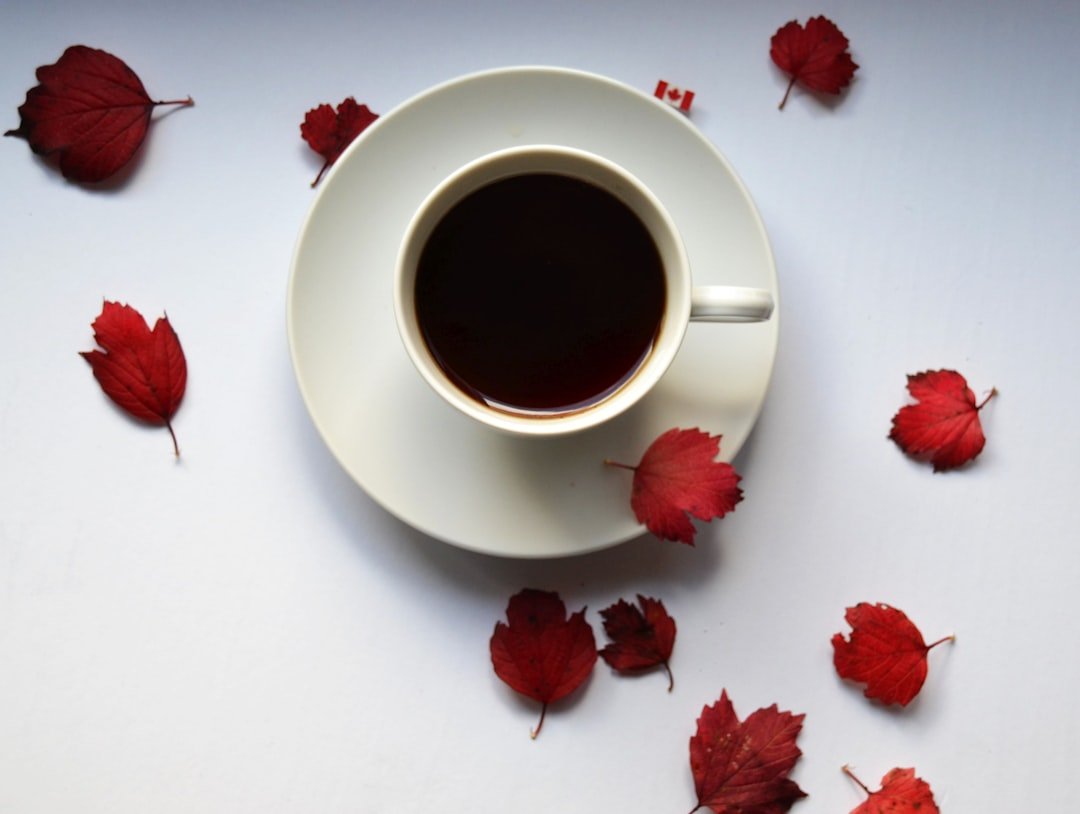
The elf tint maple latte is not really a drink order so much as a vibe with espresso in it. It is the kind of thing you screenshot from a café menu, drop into the group chat, and briefly let define your personality for the next 48 hours. Soft, whimsical, very autumn, slightly ridiculous, and also weirdly compelling. The appeal is not just maple, milk, and espresso. It is the collision of coquette-adjacent aesthetics, seasonal ritual, and algorithm-friendly naming that makes people want to be seen holding it. The drink tastes good, sure, but it is also a tiny piece of identity theater, which, if we are being honest, has always been part of coffee culture.
And yes, before anyone asks, this has absolutely nothing to do with JOHNSTONE'S Johnstones Trade Acrylic Durable Matt Emulsion Wall Ceiling, Johnstone's Johnstones Covaplus Vinyl Matt Antique Cream 2.5 Litres, Johnstone's Trade Perfect Matt, Johnstone's Flortred Floor Paint Black 5 L 2 inch Masking Tape Included, or Johnstone's Smooth Metal Paint Gold 0.25L. Those are paints, not lattes. The internet, as ever, is doing too much.
The Elf Tint Maple Latte Name Did Half the Work
Elf tint maple latte is doing a lot. It sounds like a beauty product, a fantasy novel, and a seasonal café special all at once. Which is exactly why it works.
Drink names have always carried social meaning. Order a flat white and you signal a certain coffee fluency. If that world interests you, Pascucci has already explored why the flat white conquered coffee culture fast. Order a pumpkin spice latte and you tap into mainstream seasonal comfort with zero shame. Order an elf tint maple latte and you signal a more niche kind of internet literacy. You do not just want a fall drink. You want one that sounds like it belongs on a curated TikTok slideshow titled things that make October survivable.
That is not random. The phrase elf tint taps neatly into aesthetic lanes that have been thriving online: fairycore, soft autumn palettes, clean-girl neutrals, cozy minimalism, and the broader obsession with making ordinary life look lightly enchanted. Maple latte sounds like a seasonal drink. Elf tint maple latte sounds like a seasonal drink with lore.
And lore matters more than people like to admit.
According to Datassential, menu descriptors and evocative naming can strongly shape perceived value and consumer interest, especially for limited-time or seasonal items. People do not order with taste buds alone. They order with imagination. A name that suggests a visual, a feeling, or a persona can do a lot of heavy lifting before the first sip shows up.
That is one of the stranger truths of 2020s café culture: a memorable, visually suggestive name can matter almost as much as flavor, especially for drinks spreading through TikTok, Instagram Reels, and photogenic café menus. The drink still has to survive contact with reality, obviously. But the name is the hook. The name gets the save, the share, and the “wait, what is that?” comment.
A latte can function like a mini brand launch now, which would have sounded absurd ten years ago, and yet here we are.
Why Maple Works Better Than Most Trend Syrups
For all the internet gloss around this drink, the maple part is actually the most grounded thing about it.
Maple works because it has real depth. Good maple brings caramelized notes, woodsy warmth, a little vanilla energy, and sometimes even a faint savory or smoky edge depending on the grade and how it is used. That gives it a huge advantage over trend syrups that just bulldoze the cup with sugar and scented-candle vibes.
Espresso, especially a medium-to-dark roast, tends to carry natural notes of chocolate, toasted nuts, caramel, spice, and dried fruit. Maple can sit inside that flavor family beautifully. It does not need to fight the coffee. It can support it. That matters. If you enjoy espresso drinks where balance matters more than novelty, you might also like the doppio standard in Italy, which gets at the same idea of structure and intensity in the cup.
Compare maple with other trendy add-ins:
- Pumpkin spice can be delicious, but it often arrives with a full marching band of cinnamon, clove, nutmeg, and sweetness.
- Lavender is elegant in the right hands, but one wrong pump and your latte tastes like a very expensive soap.
- Brown sugar is easy to love, though it can flatten quickly into generic sweetness if there is not enough espresso structure underneath.
Maple, by contrast, is more nuanced. Less loud than pumpkin spice, less divisive than lavender, and less one-note than brown sugar. It has enough character to feel seasonal without turning your drink into a novelty stunt.
There is a chemistry reason for that too. Research on flavor pairing and sensory perception shows that roasted, caramelized, and Maillard-driven flavor compounds often play especially well together. Espresso is full of those roasted compounds. Maple syrup, especially darker grades, carries toasted and caramelized complexity of its own. That overlap creates harmony rather than chaos.
But this is also where cafés fumble it. Maple is easy to overdo because people associate it with breakfast sweetness. So instead of using it as a flavor accent, some shops pour it in like they are sweetening pancakes for a lumberjack in distress. Suddenly the drink goes from elegant and woodsy to syrupy and blunt. The espresso disappears. The finish gets sticky. The whole thing tastes less like café craft and more like brunch cosplay.
That is the tension at the center of the elf tint maple latte. Maple is a great idea. It just needs restraint. The best version feels refined, not sugary for sport.
The Real Formula Is Texture, Not Sweetness
This is the part people miss. What makes an elf tint maple latte feel special usually is not more sweetness. It is texture.
A lot of the drink’s appeal lives in the mouthfeel and the look: velvety milk, glossy foam, and a soft beige-gold color that reads expensive on camera even if you bought it between meetings and answered three emails while waiting for it. The visual language matters, but it starts with texture.
Milk texture changes how sweetness is perceived. Properly steamed milk naturally tastes sweeter because heat and aeration change the way you experience it, even without adding more sugar. The Specialty Coffee Association and barista training standards have long emphasized that milk steaming is not just technical flair. It materially shapes flavor, body, and balance. Microfoam, that fine silky texture you get in well-steamed milk, can make a drink feel richer and more integrated.
Which means the elf tint maple latte works best when the milk is doing real work.
Oat milk shows up in versions of this drink for a reason. It has a naturally creamy body and a rounded sweetness that pairs nicely with maple. It can give the latte a dessert-adjacent softness without requiring a heavy syrup hand. The tradeoff is that some oat milks can mute acidity and blur the espresso if the shot is not assertive enough.
Whole milk gives a more classic café richness. It offers better foam stability and often lets the espresso cut through more clearly. If you want the drink to taste more like a proper latte and less like a seasonal milk situation, whole milk has a strong case.
The underappreciated move, though, is a subtle spice or salt element.
A tiny pinch of cinnamon, nutmeg, smoked salt, or sea salt can make maple taste more adult, more dimensional, and more intentional. Salt in particular can reduce bitterness perception and enhance sweetness in a way that makes the drink feel fuller without becoming sugary. Sensory science supports that. Even very small amounts of salt can influence perceived balance in sweet beverages and desserts.
So the real formula is not “make it sweeter.” It is:
- enough maple to register,
- enough espresso to anchor,
- enough body to feel plush,
- enough restraint to keep it chic.
The drink succeeds when it feels whispered, not shouted. Soft bitterness, mellow sweetness, and a cozy finish instead of a sticky one. It should feel like cashmere, not costume.
That is the bit a lot of people never get told: the prettiest seasonal drinks often live or die by foam quality, not syrup.
This Drink Is Really About Aesthetic Consumption
There is a lazy critique people love to make about drinks like this. That they are “all aesthetic.” That they are made for photos, not palates. That nobody really cares how they taste as long as they match a trench coat and a neutral manicure.
A little unfair, honestly.
Young professionals are not just buying coffee for caffeine. They are buying small rituals that make overstimulating days feel a bit more cinematic. That is not frivolous. That is coping, just with better foam. The elf tint maple latte fits neatly into what economists and trend analysts sometimes call the treat economy, where small indulgences feel emotionally meaningful because bigger luxuries are less accessible.
That logic is real. Consumer behavior research has repeatedly shown that affordable indulgences often become more important during periods of financial pressure or emotional fatigue. A café drink can offer comfort, novelty, routine, and social signaling all at once.
And presentation has always mattered in coffee culture. This is not some fake modern corruption of a pure beverage tradition. Italian espresso bars have long treated coffee as both sensory and social ritual. The demitasse, the crema, the choreography at the bar, the speed, and the style are all part of the experience. Modern specialty cafés added latte art, ceramics, interior design, playlist curation, and menu storytelling. Coffee has never been just liquid in a cup.
So no, aesthetic drinks are not “not real coffee.” They are evidence that in current café culture, flavor, mood, and visual identity travel together.
That does not mean every viral latte deserves applause. Some are all costume, no craft. But dismissing the whole category misses what is actually going on. People are using coffee to stage tiny moments of self-definition. “This is my order” now means something adjacent to “this is my taste.”

There is also a social-media reason this particular format thrives. According to reports from platforms like Pinterest Predicts and broader marketing analyses from firms such as Mintel, consumers increasingly respond to products that are not only flavorful but visually legible as identity markers. Soft seasonal drinks with distinctive names fit that model perfectly. They are easy to post, easy to remember, and easy to turn into mood content.
So yes, the elf tint maple latte is aesthetic consumption. But that does not make it empty. It makes it very now.
Where the Elf Tint Maple Latte Goes Wrong Fast
Now for the less glamorous part: this drink can turn bad with shocking speed.
The biggest failure mode is simple. Too many cafés treat it like dessert first and coffee second. That means too much syrup, weak shots, whipped toppings, glitter, excessive spice, or a pile-on of fall add-ons all fighting for custody of the cup. Suddenly the drink tastes like a candle shop hosted a bake sale.
Maple needs editing. Espresso needs to stay visible. If the coffee disappears, the whole thing collapses into sweet beige anonymity.
And weak espresso is a serious problem here. Maple has presence. Milk has body. If the café uses under-extracted or timid espresso, there is nothing structural holding the drink up. The result is visually soft, yes, but also flavorless and forgettable. Beige becomes both color and personality.
That is a useful coffee truth: some drinks are not ruined by sweetness alone. They are ruined by lack of contrast.
Good espresso contributes bitterness, roast, body, and aromatic lift. Without that, maple just sits there. You need the coffee to push back a little. Not aggressively. Just enough to remind you this is still an espresso drink.
Temperature matters more than people think, too. Maple’s nuance can get flattened if the drink is overheated. Scalded milk kills elegance quickly and can dull the syrup’s subtler woody notes. On the other hand, if the drink is too cool, the texture can feel heavy and the sweetness oddly blunt. There is a sweet spot where milk stays silky and sweet without losing structure. Past that, everything tastes flatter.
Then there is overcomplication. This drink does not need every seasonal ingredient in the cabinet. Maple plus espresso plus textured milk is already a complete sentence. Add a tiny spice accent if you must. Maybe a salt note. Fine. But if you are throwing in vanilla, caramel, cinnamon, nutmeg, pumpkin, cold foam, and edible sparkle, you have made a beverage with commitment issues.
The sharp takeaway is simple: the best version should taste like an espresso drink with maple character, not a maple milk beverage with espresso as an afterthought.
What This Trend Says About Coffee’s Future
The elf tint maple latte is not just a quirky one-off. It points to a broader shift in how coffee menus are evolving.
Coffee drinks are becoming more emotionally coded. Not just strong or sweet, but cozy, clean, whimsical, moody, romantic, and nostalgic. Menu language is increasingly built around vibe, season, and identity as much as roast level or brew method. That does not mean coffee knowledge is disappearing. It means coffee is being translated into a wider cultural vocabulary.
Expect more drinks with names that sound like:
- fashion shades,
- fantasy references,
- skincare launches,
- indie playlists,
- or something your stylish friend says with complete confidence while you nod like you have definitely heard of it before.
Because consumers increasingly order with their eyes and self-image first. Then, ideally, their taste buds confirm the choice.
For cafés and premium coffee brands, that creates an interesting challenge. The move is not to resist trend-forward drinks and act superior about serious coffee. The real challenge is making drinks that can live in the modern attention economy without disrespecting the cup.
That means names that spark curiosity, visuals that feel distinct, ingredients that actually belong together, and espresso that still tastes like espresso.
We would argue that is where heritage can quietly matter. Not in a chest-thumping way. Just in the simple belief that even the most internet-coded drink should still be built on sound coffee logic. If a maple latte is going viral, bene, let it be viral and balanced.
And if you are making one at home or ordering one out, the better question is not whether it is serious coffee. That question is tired. Ask this instead: does it earn the hype once the photo is over?
That is the modern test.
If the answer is yes, if the maple is elegant, the milk is silky, the espresso still has a pulse, and the cup feels like a tiny cinematic exhale, then the elf tint maple latte deserves its oddly enchanted little moment.
If not, it was just content.
Frequently Asked Questions
What is an elf tint maple latte?
An elf tint maple latte is a stylized seasonal espresso drink built around maple syrup, steamed milk, and a whimsical internet-friendly identity. The name does a lot of the appeal work, but the best versions still rely on balanced espresso and silky texture.
Why is the elf tint maple latte so popular online?
It fits perfectly into social media aesthetics: cozy, soft, autumnal, and visually distinct. The drink also gives people a way to express taste and mood, not just order caffeine.
Does maple actually pair well with espresso?
Yes. Maple has caramelized, warm, woodsy notes that naturally complement espresso’s chocolate, nut, and roast flavors. The key is using enough maple to add character without burying the coffee.
How do cafés ruin a maple latte?
The most common mistakes are too much syrup, weak espresso, overheated milk, and too many extra flavors. Once the drink becomes sweeter than it is structured, it stops tasting like a proper espresso beverage.
Sources
- Specialty Coffee Association, https://sca.coffee/
- Datassential, https://www.datassential.com/
- Mintel, https://www.mintel.com/
- Pinterest, https://business.pinterest.com/pinterest-predicts/
- National Coffee Association, https://www.ncausa.org/
- Smithsonian Magazine, https://www.smithsonianmag.com/
- Serious Eats, https://www.seriouseats.com/
- Perfect Daily Grind, https://perfectdailygrind.com/
- Sprudge, https://sprudge.com/
- World Coffee Research, https://worldcoffeeresearch.org/
