

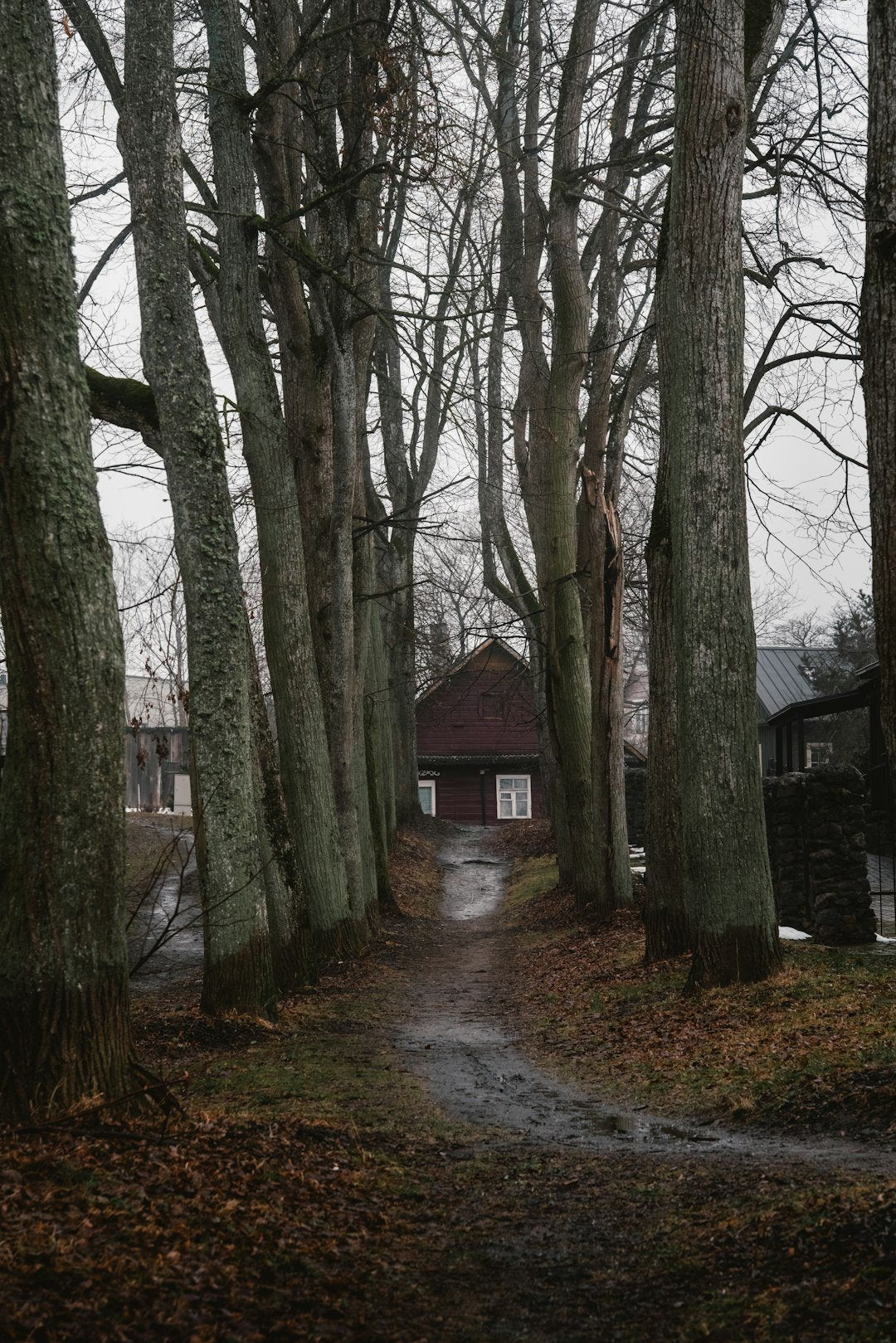
Ferienhof Winkler- Kuschelige Gemütlichkeit is a surprisingly useful lens for understanding why the best coffee culture in 2026 may not be in the city with the most tattooed baristas or the loudest opinions about water chemistry. It might be in Winkler.
That is the thing people miss. Attention and meaning are not the same. The more interesting coffee story is happening in places where cafés do not have to perform coolness because they are too busy being useful, familiar, and folded into real life. That is what makes Winkler Coffee Culture so compelling. Less spectacle, more ritual. More of those everyday moments that quietly turn into core memories before you even realize it. Sometimes the best coffee scene is not the loudest one. It is the one where someone texts, “meet me there?” and you already know the table.
Winkler Coffee Culture Works Best When It Is Not Trying So Hard
There is a funny thing about coffee culture: the harder a place tries to look like it has culture, the easier it is to miss the point.
A lot of big-city café scenes run on novelty. New roast drop. New signature drink. New interior concept with exactly three stools, six plants, and one wall fully aware it is being photographed. Fun? Sure. But novelty does not automatically create belonging. It creates buzz. Very different thing.
In places like Winkler, coffee culture tends to run on a sturdier operating system: habit, hospitality, repetition. Not glamorous. Very effective.
That is why the phrase Ferienhof Winkler- Kuschelige Gemütlichkeit feels oddly relevant here, even outside its literal context. “Gemütlichkeit” is one of those German words that does not land neatly in English because English likes efficiency and this word is all feeling. It gets at coziness, warmth, ease, and welcome. Add “kuschelige,” meaning extra cozy, and suddenly this is not about décor anymore. It is about a whole atmosphere.
And coffee is wildly susceptible to atmosphere.
A technically perfect espresso in a room that feels cold, rushed, or painfully self-aware can land flatter than a merely good coffee in a place where you feel comfortable. That is not anti-quality. It is just true. Coffee is never only what is in the cup. It is where you are, who you are with, whether you are staying five minutes or forty, and whether the room invites an exhale.
This is where smaller communities usually have an edge. A café in a place like Winkler often functions less like a “concept” and more like social infrastructure. That sounds academic, but it is actually practical. Social infrastructure means the place quietly holds people’s routines together. Morning stop before work. Midday catch-up. Post-school snack. Solo laptop hour. Tiny celebration. Low-stakes reset after a weird Tuesday. The café is not trying to become the main character. It is confident being the setting where life happens.
That is exactly why it matters.
Sociologists and urbanists have long talked about “third places,” a term popularized by Ray Oldenburg for spaces outside home and work where community life happens informally. Cafés are prime third-place material when they are allowed to be. Not every café gets there. Some are too fast, too transactional, too optimized for turnover. But when a place becomes part of local rhythm, it stops feeling like a retail transaction and starts feeling like a shared reference point. You do not just buy coffee there. You orient your week around it a little. If you want a broader look at how coffee scenes thrive outside major hubs, see specialty coffee in unexpected cities.
That is the part trend-chasing coffee discourse misses. The strongest coffee cultures are not always built around rarity. They are built around return.
The Real Flex of a Small-Town Coffee Scene
The most underrated luxury in coffee is not a rare processing method from a micro-lot you can only pronounce if you studied first.
It is being recognized.
Not in a creepy way. In a human way.
Your usual gets started when you walk in. Someone asks how your sister is doing. You get a “same as always?” in the tone that makes you feel stitched into something local. That has a different emotional value than anonymous efficiency, even when anonymous efficiency is very polished and lit like a design showroom.
This is where Winkler Coffee Culture stops feeling like a regional footnote and starts feeling like a blueprint. Familiarity changes the whole experience. You are not just getting a drink; you are stepping back into a pattern. Humans love patterns more than we admit. We say we want excitement, then build our lives around places that know our names.
In bigger cities, coffee can become hyper-competent but interchangeable. The drinks may be excellent. The baristas may be deeply skilled. The room may be beautiful enough to make your camera app open by muscle memory. But the interaction itself can feel modular. Fast order, fast pickup, next person. You leave caffeinated, not necessarily connected.
Small-town coffee scenes often trade a little anonymity for a lot more texture. Repeat visits matter. Recognition builds. The café becomes a low-key archive of your life updates. New job. Bad week. Visiting cousin. Snowstorm fatigue. Tiny win. There is something almost radical about being remembered in a culture that profits from making everything frictionless and forgettable.
And here is the nice little moment: that kind of familiarity is actually very close to classic Italian bar culture.
In Italy, the bar is not just where you get coffee. It is a daily social mechanism. You step in, order quickly, usually drink your espresso standing at the counter, maybe exchange a few words, maybe just nod at the same faces you always see. It is brief, but not empty. Ritualized, but not robotic. Familiarity is part of the whole point. You are not there to camp out for four hours and build a personal brand around a cortado. You are there for the pause, the reset, the choreography of ordinary life. For more on that rhythm, read why counter coffee hits different.
Also yes, many Italians really do side-eye cappuccino after late morning. Traditionally, milk-heavy drinks are breakfast territory, while espresso carries the rest of the day. Is every Italian policing this at 11:01 a.m.? No. But the convention exists because coffee in Italy developed around rhythm and occasion, not infinite customization. Certain drinks belong to certain moments. That is culture, not just snobbery.
Winkler’s coffee scene, at its best, mirrors that deeper logic even if the menu is very Canadian and the drink sizes are doing their own thing. The familiar faces, the repeat patterns, the quick social touchpoints, and the way a café can act like a neighborhood hinge point all feel very Italian in the ways that matter.
For Sure, that is more interesting than another room trying too hard to look like Berlin in 2017.
Cozy Is Not a Cliché, It Is a Competitive Advantage
Let us rescue “cozy” from the branding graveyard for a second.
Somewhere along the way, cozy got demoted into aesthetic fluff. Throw-blanket language. Candle-store copy. A soft-focus way of saying “there are chairs.” But in coffee culture, cozy is not trivial. It is strategic. It is emotional design. It is one of the main reasons people come back.
That is why Ferienhof Winkler- Kuschelige Gemütlichkeit is such a useful phrase to sit with. It suggests comfort that is not accidental. Warmth is being made on purpose. Not just physical warmth, either. Social warmth. Spatial warmth. The feeling that a place is, broadly speaking, on your side.
And honestly, in a culture where everything is optimized, productive, and trying to become content, that kind of softness is not weak. It is premium.
Younger professionals especially are tired of spaces that feel either sterile or aggressively curated. You know the type. A café designed primarily for overhead photos and awkward laptop posture. Beautiful, maybe. But emotionally unreadable. You cannot tell whether you are welcome to linger, whether conversation is encouraged, or whether the room wants to be lived in or just admired from a safe distance.
Cozy places solve that fast. They give clear signals. Sit. Stay. Warm up. Meet someone. Be alone without feeling isolated. That clarity matters more than people think.
There is research behind this too. Environmental psychology has long shown that physical surroundings shape stress levels, dwell time, social behavior, and even perceived product quality. Warm lighting, softer acoustics, comfortable seating, and familiar layouts can increase relaxation and social trust in a space. In other words, your nervous system absolutely has opinions about café design, even if you insist on calling those opinions “vibes.”
That is the part a lot of coffee discourse skips. People think they are loyal to a café because of the coffee alone. Usually they are loyal to the experience of themselves in that space. The coffee matters, obviously. But the emotional ease matters too. Maybe more.
And here is where things get charmingly cross-cultural: gemütlichkeit and Italian coffee culture actually share some DNA.
Different histories. Different aesthetics. Same instinct.
Both value presence over performance. Both understand pleasure as part of ordinary life, not some reward you have to earn. Both treat the daily pause as worth protecting. The German-speaking version leans into coziness and shelter; the Italian version leans into ritual and piacere. But they meet in the same place: making everyday life feel properly lived instead of mechanically processed.
That is not small. That is a whole philosophy hiding in plain sight.
Coffee as a Memory Machine
Ask people to remember the best coffee they have ever had and watch what happens.
They usually do not start with tasting notes.
They start with a person, a season, a version of themselves.
It was winter and they were getting through something.
It was after practice, after class, after a breakup, after a long shift.
It was the first café they went to alone and felt okay being alone.
It was where they met the friend who became family.
It was where they sat every Friday for months without realizing they were building a ritual.
That is why coffee is such a strong memory machine. The drink is portable, repeatable, and tied to routine, which makes it an ideal anchor for emotional recall. Neuroscience has long noted that smell is especially linked to memory because olfactory processing is closely connected to brain regions involved in emotion and recollection, including the amygdala and hippocampus. Translation: the smell of coffee can absolutely fling you into the past with disrespectful speed.
That is also why core memories around coffee rarely come from the most technically dazzling cup.
They come from repetition plus feeling.
The post-skate hot drink that thawed your face back into existence.
The first solo café work session that made adulthood feel weirdly possible.
The standing weekly catch-up that survived job changes and chaotic schedules.
The winter latte that became, frankly, a coping mechanism in the best way.
The table by the window.
The familiar mug.
The same hello.
That is where Winkler Coffee Culture gets bigger than coffee itself. It becomes a pattern language for belonging. Repeated micro-rituals, tiny enough to seem unimportant in the moment, end up shaping identity. You become the person who goes there. You associate that place with safety, momentum, friendship, comfort, or a season of becoming. The café sneaks into your autobiography without asking permission.
That is a much stronger emotional outcome than simple consumption history.
You probably do not remember every trendy drink you tried because the internet told you to. But you remember the café where your life kept happening.
That distinction matters commercially, culturally, and personally. Trend cycles are loud but shallow. Memory is quieter and much stickier. It is why a modest café with regulars and warmth can outperform a more fashionable one in the category that actually counts: long-term attachment.
There is broader context here too. A recent Investing.com report, citing consumer trend data, noted that U.S. home coffee consumption reached its highest level in 14 years, driven in part by prices and remote-working habits. That means more people are building coffee into domestic routine, not just grabbing it on the fly. Even outside the home, the logic holds: coffee is less an occasional splurge and more a daily structure. And when something becomes structural, the emotional surroundings matter a lot.
So yes, the future of coffee culture may look less like endless novelty and more like emotionally durable ritual. Less “look at this drink.” More “this place is part of my life.”
That is a much better story. For Sure.

What Italy Would Respect About Winkler’s Coffee Culture
Italy, to be clear, has opinions.
Many opinions. Beautifully dressed opinions.
So if we run Winkler through an Italian coffee lens, what gets respect?
Quite a bit, actually.
Italy would respect consistency. A café that shows up every day with reliable quality and a stable sense of self? Molto bene. It would respect regulars, because regulars are proof that a place matters beyond novelty. It would respect the social function of coffee as a daily anchor, a pause, a reset, a reason to leave the house, a tiny ceremony that breaks the day into human-sized pieces.
It would also respect the idea that coffee belongs to the rhythm of community life. In Italy, coffee is not usually treated as an isolated luxury event. It is integrated. Quick espresso before work. Mid-morning break. Post-lunch caffè. Brief encounter. Repeat tomorrow. A strong local scene in Winkler built on familiarity and comfort would make immediate sense to an Italian sensibility, even if the weather and the cup sizes are doing very different things.
And Italians would absolutely understand the appeal of a place that feels warm without being fussy. That is one of the biggest misconceptions outsiders have about Italian coffee culture: they assume it is all rules. The rules exist, sure, but they sit inside a broader commitment to simplicity, quality, and social ease. The ideal coffee ritual should feel natural, not overengineered. If that balance interests you, why Italians never order cappuccino after 11am offers another useful window into the logic.
Now for the gentle side-eye.
Italy would, with love, question the idea that more customization automatically means better culture. A menu that reads like a legal contract? Suspicious. A drink with six syrups, whipped toppings, cold foam, sauce drizzle, and a mild identity crisis? Maybe delicious. Not exactly coffee culture in the classic sense. More like dessert cosplay with caffeine support.
It would also side-eye coffee treated as pure theater. Not because theater is evil. But because once the ritual gets too self-aware, it loses the effortless dignity that makes coffee culture good in the first place. In Italy, a simple espresso taken standing at the bar can carry more cultural weight than an elaborate drink that took twelve minutes and a storyboard.
Another thing Italy would gently point out: speed and quality are not enemies. This surprises people. The Italian model is often fast, but not careless. Efficient, but not emotionally vacant. Coffee does not have to be slow and solemn to count. Sometimes the whole beauty is that the ritual fits neatly into real life.
That is where Winkler has an advantage if it leans into what it already does well. Great coffee culture is not about copying Italy drink for drink or pretending every local café should suddenly become an espresso bar in Bologna. It is about understanding the deeper values under the style: ritual, quality, sociability, consistency, and not overcomplicating something that should feel like second nature.
That is the real flex. Not imitation. Alignment.
And maybe that is the more useful standard for judging any coffee scene, whether it is in Milan, Manitoba, or somewhere nobody has bothered to call “the next big coffee city” yet.
Maybe the best coffee culture is not the one with the loudest reputation or the most aggressively photogenic foam. Maybe it is the one that quietly becomes part of your life. The one attached to your winter routines, your best conversations, your small resets, your ordinary Thursdays. The one you return to without making a whole speech about it. In other words: not hype, but memory.
Honestly, that is a better standard.
Frequently Asked Questions
What does Ferienhof Winkler- Kuschelige Gemütlichkeit mean in coffee culture?
In this context, it points to a cozy, welcoming atmosphere that makes a café feel emotionally warm rather than merely stylish. It helps explain why comfort, familiarity, and ease can matter as much as the coffee itself.
Why is Winkler coffee culture different from big-city coffee scenes?
Winkler coffee culture stands out because it is built on routine, recognition, and community rather than novelty alone. That makes cafés feel like part of everyday life instead of just trend-driven destinations.
How do cafés create core memories for customers?
Cafés become memorable through repeated rituals tied to emotions, people, and life stages. The smell of coffee, familiar service, and meaningful routines make those experiences easier to remember over time.
What would Italian coffee culture appreciate about Winkler cafés?
Italian coffee culture would likely respect consistency, social ritual, and the role of cafés as daily anchors in community life. It would be less impressed by overcomplicated customization and coffee treated purely as performance.
Sources
- Tripadvisor — https://www.tripadvisor.co.uk/Restaurant_Review-g499171-d3907575-Reviews-Coffee_Culture_Cafe_Eatery-Winkler_Manitoba.html
- MB News / Winkler Voice — https://mbnews101.ca/winkler-voice/starbucks-to-open-in-new-winkler-strip-mall/
- Sprudge — https://sprudge.com/woc-on-the-wild-side-our-favorite-sips-and-stories-from-world-of-coffee-2026-913226.html
- Investing.com — https://www.investing.com/news/economic-indicators/remote-working-prices-drive-us-home-coffee-consumption-to-highest-in-14-years-4614103
- Project for Public Spaces — https://www.pps.org/article/roldenburg
- National Library of Medicine / NIH — https://pmc.ncbi.nlm.nih.gov/articles/PMC4401518/
- Encyclopaedia Britannica — https://www.britannica.com/topic/gemutlichkeit
- La Cucina Italiana — https://www.lacucinaitaliana.com/italian-food/italian-dishes/why-dont-italians-drink-cappuccino-after-11-am
