
Some countries make iced coffee. Greece perfected it.
The freddo cappuccino might be the most underrated espresso drink in the world—not because nobody has heard of it, but because it quietly solved the summer coffee problem a long time ago: how do you keep espresso cold without turning it watery, flat, or strangely lifeless? This is not a dessert pretending to be coffee, and it is not a hot cappuccino dropped into ice. It is a culturally specific cold espresso drink with rules, and those rules are why it works.
That is also what makes it more interesting than a basic recipe post. The real story is why a cold milk drink became such a sharp test of roast profile, origin selection, and local taste. Once espresso is served cold, there is nowhere for bad coffee to hide. Steam can flatter a shot. Ice is brutally honest. If you want to understand what this drink says about arabica coffee beans, coffee regions, single origin coffee, and the broader idea of farm to cup coffee, Greece has been offering the answer for years.
What is a freddo cappuccino?
A freddo cappuccino is a Greek iced espresso drink made with a double shot of espresso poured over ice and topped with a layer of chilled, aerated milk foam. Unlike a hot cappuccino served cold, it is built specifically for ice, texture, and sweetness balance, which is why roast and origin matter more than many people expect.
The structure is simple, but it is not casual. According to Perfect Daily Grind, freddo drinks start with a double shot of espresso, and Sprudge describes the freddo cappuccino as iced espresso topped with chilled, aerated milk. Its sibling, the freddo espresso, skips the milk entirely and goes all in on the coffee.
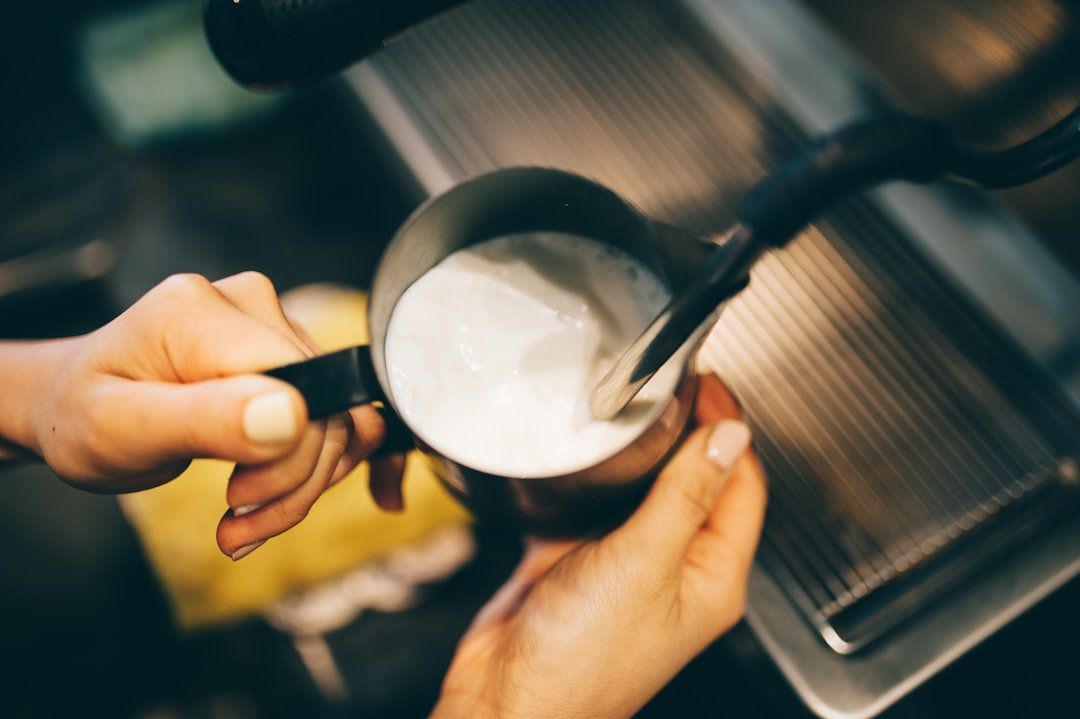
That distinction matters. An iced latte is usually milk-first. A random iced cappuccino can mean almost anything depending on the café. A freddo cappuccino is more deliberate. It is built around contrast: cold espresso over ice, then a dense layer of cold foam that changes the sip without burying the coffee. Espresso comes first, texture comes second, and milk acts as balance rather than camouflage.
There is also a Greek taste preference built into how the drink evolved. Sprudge notes that locals often like a touch of sugar in their freddo. That small detail explains a lot. If customers regularly sweeten the drink, cafés begin calibrating espresso differently. Not candy-sweet, not burnt, not aggressively acidic—just sweet enough, structured enough, and stable enough to hold up when chilled and, often, lightly sweetened.
Cold coffee is less forgiving than hot coffee. Heat boosts aromatics and can blur rough edges a little. Chill a bitter espresso and the bitterness does not disappear. Thin body feels thinner. Roastiness feels louder. A freddo cappuccino looks simple, but it is really a truth serum for espresso.
Why did Greece make freddo cappuccino so popular?
Greece made freddo cappuccino popular because it fit local climate, daily habits, and an existing cold-coffee culture, then cafés refined it into a proper espresso-based standard. It was not a novelty drink that happened to catch on. It became part of everyday life, which forced roasters and baristas to make it consistently good.
Perfect Daily Grind traces the freddo to the mid-1990s, when it emerged in a country already attached to cold coffee thanks to its warm Mediterranean climate. Greeks were drinking cold coffee long before global café menus started treating ice like a seasonal revelation.
The older anchor in Greek coffee culture was the frappé, an instant coffee drink that became hugely popular. The freddo did not replace that tradition by accident. It upgraded it. The appetite for something cold, refreshing, and daily was already there. Espresso simply replaced instant coffee as the base, and cold coffee suddenly had more structure, more depth, and higher standards.
That sounds like a small shift, but it was not. Once cold coffee becomes espresso-based, cafés have to care more about extraction, blend design, roast development, and milk texture. You cannot lean on nostalgia anymore.
Sprudge’s reporting from Athens captures how embedded the drink is in daily life: you can barely walk a block without seeing locals carrying one. That tells you everything. This is not a seasonal special or a specialty flex. It is a default drink, part of the city’s rhythm and practical routine.
There is a useful contrast here with other coffee cultures. While some parts of specialty coffee spent years treating hot manual brew as the highest form of appreciation, Greece quietly built a mass-loved cold espresso format with real standards. It is coffee people actually drink every day, in weather where a steaming mug can feel more ceremonial than sensible. For a broader look at how daily ritual shapes coffee habits, see why Italians make coffee a daily rule.
That is the genius of the drink. Greece did not just adopt iced espresso. It refined it into a format with expectations, a proper build, a preferred taste profile, and a cultural identity. That is more than popularity. It is engineering.
Why does freddo cappuccino taste better in Greece?
It often tastes better in Greece because many cafés there build espresso intentionally for cold service, using roast profiles and blends that stay sweet, balanced, and expressive over ice instead of turning harsh or hollow. It is not just vacation mood. It is design.
Atmosphere helps, of course. Sitting in Athens with the sun on the table and nowhere urgent to be will improve almost anything. But the more convincing reason is in the coffee itself.
Sprudge notes that many specialty cafés in Athens favor medium-light roast blends for their standard drinks, partly because locals often want a little sugar in their freddo. That single observation is basically a lesson in local adaptation. Cafés are not roasting according to ideology. They are roasting according to how people actually drink coffee.
So the espresso has to perform under pressure. Cold temperatures mute aromatics, which means delicate floral notes can go quiet. At the same time, chilling can exaggerate imbalance. If the espresso is too bitter, too roasty, too sharp, or too empty, you will know immediately. The milk foam does not rescue the drink. It frames it. Bad espresso under good foam is still bad espresso.
This is where arabica coffee beans matter. Arabica is generally prized for sweetness, aromatic complexity, and more nuanced acidity than robusta. But freddo logic does not reward nuance for its own sake. It rewards coffees that stay clear and sweet without becoming shrill. High-quality arabica often makes sense here, but not because the goal is maximum brightness. The goal is clarity without sharpness, sweetness without heaviness, and body without muddiness.
That is a narrower target than it sounds. A café serving mostly hot drinks can sometimes get away with espresso that tastes dramatic when hot and chaotic when cold. A freddo-focused café cannot. If many customers are drinking espresso over ice every day, roast and blend choices get disciplined fast. You start asking different questions: does this coffee stay sweet when chilled, does the body hold up, does a touch of sugar help it, and does the milk foam complement the shot or expose it?
That is why freddo cappuccino in Greece often feels more complete. Not more complicated. More resolved. If you want to understand how roast style changes what survives in the cup, why home coffee tastes different than your café offers a useful parallel.

The origin story inside the glass: blends, coffee regions, and single origin coffee
Freddo cappuccino exposes a truth that can make some coffee menus uncomfortable: single origin coffee is not automatically the best choice for every drink.
That is not an argument against single origin. Single origins can be transparent, expressive, and full of regional character. They can teach your palate a lot about process, variety, and terroir. But a drink built around ice, espresso concentration, and chilled milk foam has different priorities than a hand-poured filter coffee served hot.
Sprudge points out that many cafés in Athens carry single origin options while still relying on blends for house freddo drinks. That makes complete sense. House drinks need consistency. They need sweetness and balance. They need to work on busy days, hot days, and ordinary days. They need to taste good to a wide range of people, not just to the person trying to identify every tasting note.
This is where coffee regions become more useful than menu theater. Different growing regions bring different strengths to espresso blends. Latin American coffees often contribute sweetness, structure, chocolate or caramel notes, and sometimes a little citrus lift. African coffees can add aromatic sparkle, florals, and fruit complexity. Other origins may bring body, spice, or deeper bass notes. The point of a blend is not to erase origin. It is to orchestrate it.
That is the part people often miss. Blending, at its best, is not compromise. It is composition.
A freddo cappuccino makes that obvious quickly. If a coffee disappears under ice and milk foam, those tasting notes were never doing much work. If it turns sour when cold, origin prestige will not save it. If it becomes bitter and blunt, nobody cares that it came from a famous microlot. Freddo rewards coffees that perform, not coffees that merely sound impressive on a menu.
That includes strategic use of coffees from famous origins. Readers curious about Ethiopian coffee regions such as Yirgacheffe, Sidama, and Guji should know these coffees can be beautiful in espresso, bringing floral or fruit-driven character that lights up a blend. But in a freddo cappuccino, using an Ethiopian component strategically may work better than asking a delicate single origin to carry the entire drink alone. Texture and balance win.
There is a bigger lesson here. People often talk about origin as though traceability and excellence are the same thing. They overlap, but they are not identical. Origin tells you where the coffee began. It does not guarantee the final drink is well designed. Freddo cappuccino, in its calm way, calls that bluff.
What freddo cappuccino reveals about farm to cup coffee
The phrase farm to cup coffee can get a little glossy. Everyone likes the idea of a direct line from a beautiful mountain farm to a carefully made morning drink. And yes, sourcing matters enormously. Processing matters too. Variety, altitude, climate, and harvest timing all shape what is possible in the cup.
But freddo cappuccino is a useful reminder that origin is only half the story. The other half is what happens after the coffee arrives: selection, blending, roasting, extraction, milk handling, and, crucially, how a local culture actually wants to drink it.
That is the useful version of farm to cup coffee. Not a slogan, but a chain of decisions.
The Greek example makes this especially clear. If a market overwhelmingly drinks espresso cold, roasters do not get to pretend their choices exist in a vacuum. They select coffees differently. They profile roasts differently. They may favor sweetness and solubility that hold up over ice. Cafés dial in differently too, because a shot that tastes balanced hot but falls apart cold is not really finished in that context.
This is where farm to cup starts to look more like place to palate. Climate matters. City rhythm matters. Habit matters. A coffee scene shaped by long, sunny days and grab-and-go cold espresso will naturally develop different preferences than one built around long indoor filter sessions. Neither is superior. One is simply more honest about the weather.
Barista Magazine’s June + July 2026 issue frames the larger industry backdrop well: cold brew and chilled coffee drinks are a serious summer sales driver, not a side category cafés tolerate until autumn. That broader commercial point reinforces something Greece understood early: cold coffee deserves standards. If chilled drinks are a major part of how people buy coffee, those drinks should shape café strategy from sourcing onward.
That is the quietly radical thing about freddo cappuccino. It forces alignment. You cannot talk beautifully about producers, coffee regions, and processing methods, then serve a cold espresso drink that tastes thin, bitter, or confused. The chain has to connect all the way through. Farm to cup, yes, but also city to recipe, season to roast, and habit to flavor.
Suddenly the drink is doing more than refreshing you. It is exposing whether a coffee program actually makes sense.
Should the rest of the coffee world copy Greece?
Yes, but not by putting cold foam on any espresso and calling it Mediterranean.
That misses the point. The lesson is not imitation. It is intention. Greece did not make the freddo cappuccino compelling because it looked good in a clear cup. Greece made it compelling by building espresso for the drink instead of treating the drink like an afterthought.
So if you are ordering one or making one, judge it by three things.
First, does the espresso stay sweet over ice? Not sugary. Sweet.
Second, is the milk foam actually textured? It should be chilled and aerated, with enough body to create contrast rather than dissolving instantly.
Third, does the coffee still taste like itself when cold? That is the big test. Not whether you can vaguely tell coffee is present, but whether the origin character or blend design still shows up with shape and clarity.
If the answer is yes, you are drinking something more serious than a summer throwaway. You are drinking a format that tests roast judgment, blend logic, and café self-respect all at once.
That is why the freddo cappuccino matters. It turns a supposedly simple cold drink into a referendum on coffee quality and cultural confidence. If a café cannot make its espresso taste good cold, all the origin talk in the world will not help much.
Frequently Asked Questions
What are arabica coffee beans?
Arabica coffee beans come from the species Coffea arabica and are generally valued for sweetness, complexity, and more nuanced acidity. In drinks served cold, that sweetness and clarity can matter more than flashy tasting notes.
What is farm to cup coffee?
Farm to cup coffee refers to the full chain from growing and processing coffee at origin to roasting, brewing, and serving the final drink. It matters because every step affects whether the coffee still tastes balanced once it reaches your cup.
What are coffee regions?
Coffee regions are geographic growing areas where climate, altitude, soil, and local processing traditions shape flavor potential. Roasters often combine coffees from different regions to build espresso blends that stay balanced over ice.
What is single origin coffee?
Single origin coffee comes from one defined source, such as a country, region, farm, or lot, depending on the roaster’s definition. It can be excellent, but blends are often better suited to freddo cappuccino because they offer more consistency and structural balance.
Sources
- The Sprudge Guide To Coffee In Athens, Greece — https://sprudge.com/the-sprudge-guide-to-coffee-in-athens-greece-889420.html
- June + July 2026 Issue — https://store.baristamagazine.com/products/june-july-2026-issue
- perfectdailygrind.com — https://perfectdailygrind.com/2020/02/a-complete-guide-to-the-greek-freddo/
