
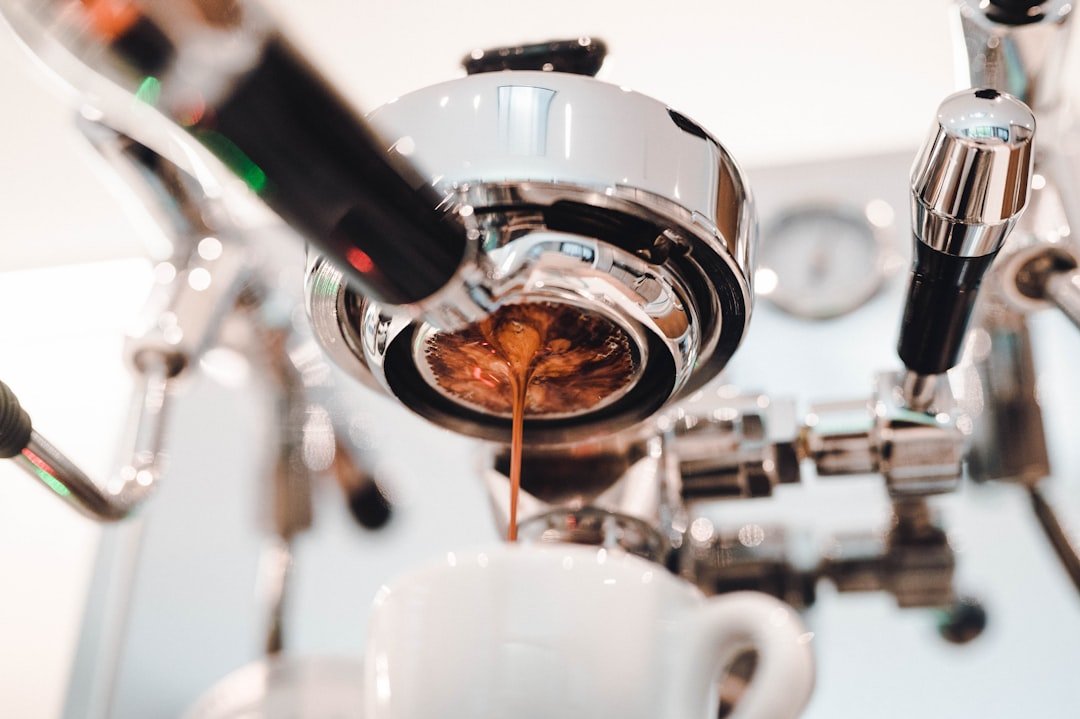
Most iced espresso has a ten-minute life span. First sip is glorious. Then the ice starts melting, the shot goes pale, and suddenly you’re holding a glass of beige regret. Freddo espresso fixed that in Athens in 1991 with a smarter build, a little foam, and the kind of practical café thinking you get when summer is genuinely trying to ruin your afternoon.
While cafés are still circling the iced americano vs iced coffee debate, Greece answered the more useful question years ago: how do you make cold espresso that still tastes like espresso after ten minutes, then twenty, then one more chat at the table? Freddo had the answer. A lot of menus still don’t.
What is freddo espresso?
Freddo espresso is a Greek cold coffee made by pulling espresso, then chilling it fast by shaking or blending it with ice until it turns cold, silky, and lightly foamy. When it’s done well, it keeps its flavor in hot weather far better than espresso dumped straight over ice.
That foam has a job. A freddo starts with fresh espresso, then gets agitated with ice so the temperature drops quickly and the top picks up a soft froth. The texture tightens. The sharper edges settle. The drink stays coherent once it hits the glass. Plenty of “iced espresso” orders can’t say the same. They’re hot shots meeting an ice bath and hoping for the best.
You’re also nowhere near an iced latte here, and you’re definitely not in caffe americano territory, where water has a much bigger say in the final cup. If you want a clearer breakdown of that style, see the Americano origin story Italians still find funny.
Pascucci’s source material dates the format to Athens in 1991, which explains a lot. Greece already had the frappé by then. According to the account cited in Pascucci’s article from Upstreet Journal, the frappé began in 1957 at the Thessaloniki International Trade Fair, when Dimitrios Vakondios improvised instant coffee with cold water in a shaker because there was no hot water around. Great coffee history. Slightly chaotic. Very Greek.
Freddo espresso showed up later, once espresso machines and café technique had caught up. That timing matters. It helps explain why the drink has lasted more than 30 years as a standard order rather than a seasonal gimmick. Sprudge’s guide to Corfu talks about freddo espresso and freddo cappuccino as ordinary café language. No fanfare. That tells you plenty.
Freddo espresso fixes the part where iced coffee falls apart
Cold coffee usually peaks too early. A standard double espresso is about 2 ounces, or 60 ml. Pour that over a full glass of ice and the ratio starts changing almost immediately. First sip: excellent. Fifteen minutes later: negotiations.
Freddo espresso works because the cooling happens before the drink spends too long melting fresh ice in the serving glass. Shaking or blending changes the texture too, so the cup feels composed from top to bottom instead of split between loud first notes and a thin finish. You can taste the method, even if nobody behind the bar says a word about it.
That’s why the usual iced americano vs iced coffee conversation misses something. An iced americano keeps espresso in the frame, but it adds water by design. Iced coffee can be great, though it often lands heavier or a little muddier depending on brew style and how long it has been sitting. Caffe freddo gets used loosely on some menus and can mean almost any cold coffee. Freddo espresso is more precise. The method is clear, and so is the result. For a closer look at that comparison, read Iced Coffee vs Iced Americano—Flavor First Guide.
Café operators have noticed. On September 1, 2026, BevNET covered Segafredo’s cold espresso launch, pitched around labor savings and service speed for restaurants and beverage operators. That is a commercial version of the same idea: cold espresso has to survive a rush and still hold up in the cup. Greek cafés worked that out years ago, long before anyone wrote a press release about it.
If you’re making one at home, use an espresso with enough backbone to handle the chill. Something like MORORA, with its 11/10 intensity and woody, barrique-leaning profile, has the muscle for it. MAMA AFRICA also does the job beautifully. Its 8/10 intensity and toasted chocolate-caramel notes still come through once the temperature drops. Quiet recommendation. We’re still Italian. We have standards.
There’s also nowhere to hide in a drink like this. Because freddo espresso has so little between you and the shot, the coffee production process shows up fast: origin character, roast profile, extraction quality, all of it. If the espresso is flat, you’ll know. If it’s good, you’ll know even faster.
Greece gave freddo the perfect habitat
Some drinks make sense on paper. Others make sense the second you sit down with one. Freddo espresso belongs in the second group.
Greece gave it the ideal setting: hot weather, outdoor tables, plus a café culture that treats lingering as a normal part of the day rather than a scheduling error. Of course a cold espresso built to last caught on there.
Sprudge’s reporting from Corfu fills in the backdrop. The island’s coffee culture grew through Venetian, French, British, and local influence, and the famous Liston arcade was modeled after Paris’s Rue de Rivoli. That is an absurdly elegant detail for a seaside coffee stop. Sit under those arches with a freddo espresso and the whole format makes immediate sense.

That setting is why freddo espresso feels durable instead of trendy. It belongs to a real café habit. You can order it in serious heat, linger over it, and still have actual coffee flavor left at the end. Low bar, honestly. Yet plenty of iced drinks still miss it.
American café culture is ready for that logic. Plenty of younger professionals already know what they want from espresso, but summer menus still push them toward familiar outcomes: watery, milky, or weirdly dessert-coded before noon. Freddo espresso gives you another option. It’s refreshing and direct, built for people who want cold coffee that still tastes like coffee.
Next time a café lists iced espresso, ask one small question: was it shaken, blended, or simply poured over ice? The answer tells you a lot. If it’s the third one, you’ve learned something about the drink. Maybe about the café too. Cold coffee’s next upgrade may look a lot like 1991 Athens, just with better playlists and nicer glassware.
Frequently Asked Questions
What is freddo espresso?
Freddo espresso is a Greek cold espresso drink made by chilling freshly pulled espresso with ice through shaking or blending. That method creates a colder, smoother, lightly foamy drink that holds flavor better than espresso simply poured over ice.
Is caffe freddo the same as freddo espresso?
Not always. “Caffe freddo” often gets used loosely for cold coffee drinks, while freddo espresso usually refers to the Greek espresso-based preparation made by rapidly chilling espresso with ice.
Iced americano vs iced coffee: where does freddo espresso fit?
An iced Americano is espresso plus water and ice. Iced coffee is usually brewed coffee served cold. Freddo espresso is chilled espresso prepared for texture and flavor retention, so it sits in its own lane.
What is caffe americano?
Caffe americano is espresso diluted with hot water. When it is served cold over ice, it becomes an iced Americano, which still differs from freddo espresso in both method and texture.
Sources
- Freddo Coffee: Why Greece Still Nails Cold Espresso — https://pascuccicoffee.com/blogs/blog/freddo-coffee-why-greece-s-cold-espresso-still-wins
- The Sprudge Guide To Coffee In Corfu, Greece — https://sprudge.com/the-sprudge-guide-to-coffee-in-corfu-greece-1135048.html
- Segafredo Launches Cold Espresso to Solve Speed and Labor Challenges for Restaurant & Beverage Operators — https://www.bevnet.com/pr/2026/09/01/segafredo-launches-cold-espresso-to-solve-speed-and-labor-challenges-for-restaurant--beverage-operators
- broaden to freddo espresso + freddo cappuccino — https://example.com
