
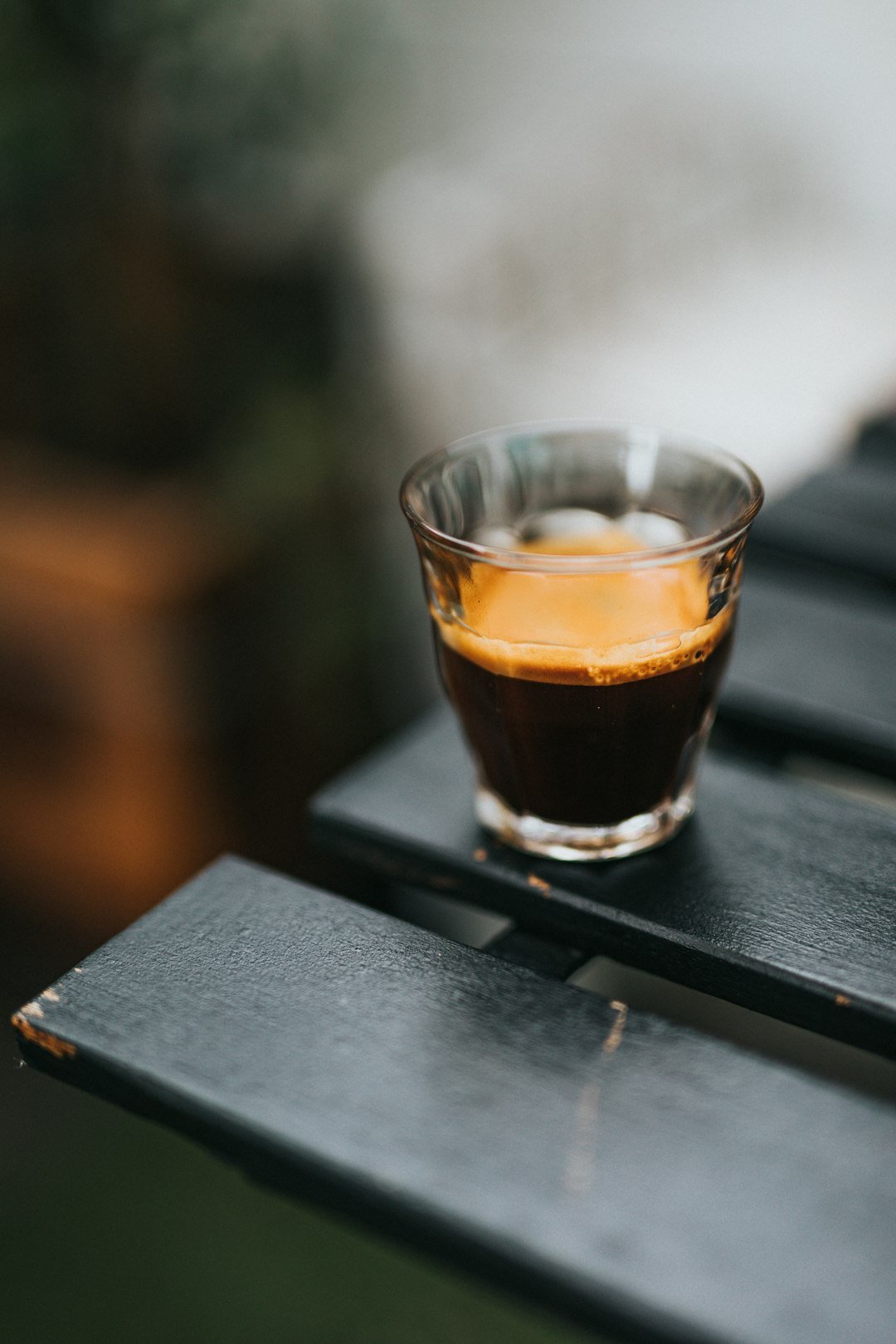
Freddo espresso earns respect fast. Greece took espresso, gave it ice, kept the structure intact, somehow dodged the usual summer-coffee tragedy, and ended up with a drink that still tastes like coffee instead of melted compromise.
That matters because Greek café life has never treated coffee like a five-minute errand. Kantara Food notes that Greece’s “café economy” has been studied academically, and even during the economic crisis, café-going kept growing; for a few euros, people could buy a coffee and keep a table for hours in a place younger customers treated as freedom, conversation, a temporary shelter from adult life. Honestly, that’s an excellent use of espresso.
What is freddo espresso?
Freddo espresso is a Greek iced coffee made by pulling one or two shots of espresso, then shaking or blending them with ice until chilled and lightly frothy, and serving it cold, usually without milk. It is stronger and more structured than typical iced coffee, and less diluted than a standard caffè americano over ice.
The shake is the whole trick. Pour hot espresso straight onto ice and you usually get a watery little mess by minute six. Freddo cools the espresso quickly and whips up a light foam on top, so the drink keeps its body and a crema-like texture. Kantara Food places it clearly apart from both iced americano and cold brew, which is useful if you’ve ever stared at a café menu wondering whether “cold coffee” means refreshment or disappointment.
The distinctions do matter. An iced americano is espresso plus cold water plus ice. Clean, reliable, very airport lounge. Iced coffee usually starts as brewed coffee served cold, which can be great, but it has a different shape in the cup. Freddo espresso keeps espresso in charge. That’s why it feels much closer to actual espresso culture than many giant iced drinks with a straw the width of a flute.
It also makes sense in Greece for reasons beyond flavor. Coffee there has deep social roots going back to the 15th-century kafeneio tradition, according to Kantara Food, where people gathered to talk politics, play tavli, linger for hours, and stay a while. The phrase siga siga means slowly, and freddo suits that pace perfectly. Sprudge’s reporting from Corfu describes people drinking coffee under the Liston arcade in the summer heat. Cold espresso, shade, one table, no rush. Correct.
If you’re making one at home, this is where a more assertive blend helps. MORORA has an 11/10 intensity that holds up beautifully once chilled. If you want something rounder, MAMA AFRICA brings chocolate, caramel, and a toasted finish that still read clearly over ice.
Why did Greece make freddo espresso a national habit?
Because Greek cafés are built for lingering, and freddo knows how to behave in that setting.
Kantara Food describes cafés in Greece as a “space of freedom and socializing” for younger generations, and that explains more than the weather ever could. During the peak of the Greek economic crisis, café-going reportedly increased, and café openings kept coming. It sounds backwards until you remember what a café can offer when money is tight: one inexpensive coffee that buys you time, air-conditioning, Wi-Fi, some company, and a reason to leave the house. A few euros for hours at a table beats plenty of monthly subscriptions.
There’s also a local streak here that coffee people tend to love. Major international chains are surprisingly rare in Greece compared with the density of independent cafés, according to Kantara Food. So freddo espresso stayed tied to local habits and local timing instead of getting flattened into generic menu language. You order it because the day calls for it, the same way an Italian orders an espresso standing at the bar and gets on with things. Different ritual. Same clarity.
Corfu adds another layer. Sprudge points out that the island’s café culture developed along Venetian, French, British, and local lines, not the Ottoman path that shaped much of mainland Greece. The Liston arcade was built during the French administration to echo Rue de Rivoli in Paris, and those arches once framed summer coffee drinking for the aristocracy. If you care about coffee history, that detail is catnip. Freddo belongs to a place where café culture was already cosmopolitan long before “third wave” became everyone’s favorite personality trait.

Freddo espresso vs iced americano vs iced coffee: which one actually says you know coffee?
Freddo espresso is the most deliberate order of the three because it keeps espresso concentrated while making it cold enough for an actual July afternoon.
Iced coffee is often the convenience play. It usually begins as batch brew, and once chilled it can taste flatter, especially if the brew was never meant to be drunk cold in the first place. An iced americano has more structure because it starts with espresso, but added water changes the balance. That is the whole idea of a caffè americano: longer, lighter, easier to sip.
Freddo keeps the short-shot logic intact. You still taste extraction, bitterness, sweetness, the roast, and whatever the blend brings with it. You also get that faint froth from the shake, which makes the first sip feel far more put together than coffee poured over ice at 8:07 a.m. because the meeting starts at 8:15. If you’ve searched “iced americano vs iced coffee,” the answer depends on what you want. If you want espresso to stay front and center, freddo wins. For a deeper look at that comparison, see this flavor-first guide to iced coffee vs iced americano.
That is also why Italians tend to respect it more than some other iced orders. Italian coffee rules are famously specific: espresso often happens standing at the bar, and ordering a cappuccino after about 11 a.m. may earn you a tiny look from the barista. Nothing dramatic. Just enough to let you know your file has been opened. Cold coffee is fine when the drink still treats espresso seriously. Freddo does.
And it’s spreading. Daily Coffee News reported on January 27, 2026 that The Brew Room in Ardmore, Pennsylvania, opened in October 2025 with freddo drinks on a Greek-influenced menu. That usually means a drink has moved beyond vacation nostalgia and into normal specialty coffee vocabulary. If espresso ritual interests you, Italian bar culture explains why counter coffee hits different.
FAQ: caffe freddo, caffe americano, and the coffee-order identity crisis
Is caffe freddo the same as freddo espresso?
Not exactly. Caffè freddo or caffe freddo can mean cold coffee more loosely in Italian-speaking contexts, while freddo espresso usually refers to the specific Greek drink made from shaken or blended espresso and ice. In Greek café usage, that distinction is clear.
Iced americano vs iced coffee: which is stronger?
An iced americano usually tastes stronger because it starts with espresso. Iced coffee may contain more total coffee depending on the brew ratio, but it often tastes softer and less concentrated. A caffe americano is built around dilution; iced coffee is brewed coffee served cold.
Why does freddo espresso sometimes remind people of tiramisu coffee?
Because chilled espresso can pull cocoa notes forward and the shaken texture gives a lightly creamy impression, even without mascarpone. If the espresso has chocolate and caramel notes, the comparison makes sense. That’s especially true with a profile like MAMA AFRICA, where those flavors are already doing plenty.
Frequently Asked Questions
Is caffe freddo the same as freddo espresso?
No. Caffe freddo can mean cold coffee more generally, while freddo espresso usually refers to the Greek drink made from shaken or blended espresso and ice. In practice, freddo espresso is more specific and more espresso-led.
Iced americano vs iced coffee: which is stronger?
An iced americano usually tastes stronger because it begins with espresso, though total caffeine can vary by recipe. Iced coffee often tastes softer because it starts as brewed coffee served cold.
What is a caffe americano compared with freddo espresso?
A caffe americano is espresso diluted with water, then often served over ice in its cold version. Freddo espresso skips that added water, so the flavor stays tighter, colder, and more concentrated.
Why does freddo espresso taste richer than regular iced coffee?
The espresso is chilled quickly by shaking or blending with ice, which helps preserve structure and creates a light foam. That gives freddo espresso a fuller texture and a more focused coffee flavor.
Sources
- A GREEK LEGEND: FREDDO ESPRESSO — https://kantarafood.com/en/a-greek-legend-freddo-espresso/
- The Sprudge Guide To Coffee In Corfu, Greece — https://sprudge.com/the-sprudge-guide-to-coffee-in-corfu-greece-1135048.html
- Greek Hospitality Meets Modern Coffee at The Brew Room Outside Philadelphia — https://dailycoffeenews.com/2026/01/27/greek-hospitality-meets-modern-coffee-at-the-brew-room-outside-philadelphia/
