

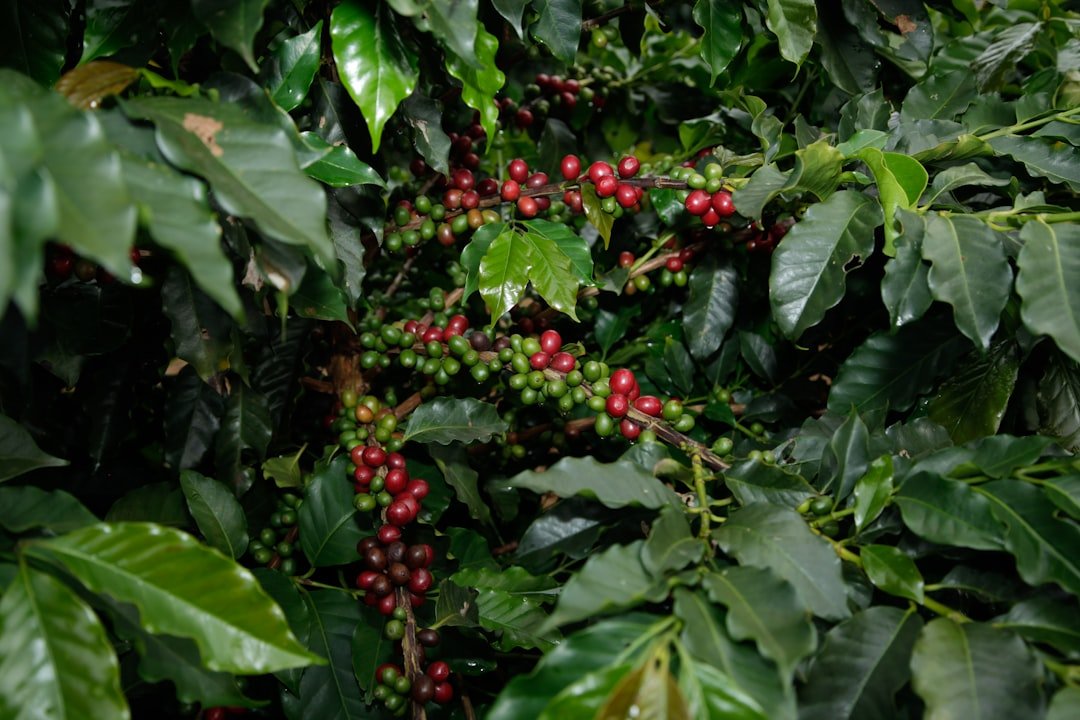
Coffee got weirdly obsessed with sun.
For a few decades, a big part of the industry looked at trees on coffee farms and basically said: lovely, but could you not? More sunlight meant higher short-term yields, easier mechanization, and a tidier spreadsheet. So forests were thinned or cleared, coffee was planted in tighter, more exposed rows, and “efficiency” became the whole personality. The problem? That efficiency often came with fewer birds, fewer insects, more chemical inputs, hotter plants, more stressed soils, and cups that tasted a little one-note. Productive, sure. Interesting? Not always.
That’s the real story behind how shade-grown coffee protects biodiversity and tastes better too. It’s not just an eco label for people with an elite reusable tote collection. Shade changes the biology of a farm. And once you see what a canopy does for birds, pollinators, soil, cherry development, and ultimately flavor, the whole “good coffee versus responsible coffee” debate starts to feel pretty outdated. The smartest farms often act less like factories and more like ecosystems. Funny how that works.
The bold truth: sun coffee optimized yield and flattened everything else
The shift toward sun-grown coffee didn’t happen because farmers forgot nature exists. It came from a very real economic logic. Starting in the mid-20th century, agronomists and development programs promoted higher-yield coffee varieties that performed best in full sun, especially when paired with fertilizer and pesticides. The pitch was simple: more coffee per hectare, faster returns, cleaner rows, greater uniformity.
And yes, in plenty of cases, sun systems did increase yield in the short term.
But agriculture loves charging interest on shortcuts.
Remove the canopy, and coffee plants can become more vulnerable to heat stress. Organic matter from leaf litter drops off. Erosion picks up. Habitat gets simplified so dramatically that farms lose a lot of species that were quietly doing useful work for free. Birds that eat pests? Fewer. Bats that keep insect populations in check? Also fewer. Diverse insect communities that support pollination and ecological balance? You see where this is going.
Here’s the part people don’t always say plainly: a farm can be high-yielding and still be ecologically fragile. Those things are not opposites. In fact, they can be roommates.
Research has repeatedly found that shaded coffee systems tend to support more biodiversity than sun monocultures, especially in tropical regions where coffee historically grew under forest canopy. According to the Smithsonian Migratory Bird Center, traditional shade coffee farms can provide habitat for a remarkable range of migratory and resident birds, including species that struggle to survive in more simplified agricultural landscapes. That matters because coffee-growing regions often overlap with biodiversity hotspots. This isn’t just about prettier farms. It’s about whether working agricultural land can still function as habitat.
And flavor? We’re getting there. But quick spoiler: coffee plants are not machines. Their growing conditions shape the chemistry inside the cherry. Sun maximizes one variable. Shade often improves the whole system.
So if you came in skeptical, good. Skepticism is healthy. This is not “trees = good” content written by someone who has never touched soil. It’s a practical truth: canopy changes temperature, moisture, species interactions, soil dynamics, and ripening speed. That changes farm resilience. And very often, it changes what ends up in your cup.
How shade-grown coffee protects biodiversity and tastes better too
A great shade-grown farm doesn’t just have a few trees hanging around for moral support. It behaves more like a layered forest.
You’ve got taller canopy trees overhead. Coffee shrubs in the understory. Sometimes fruit trees, nitrogen-fixing trees, shrubs, grasses, fungi, root systems, decomposing leaf litter, and all the tiny organisms doing wildly unglamorous but essential work underground. It’s a bit messy, in the best way. Nature has never really been into minimalism.
That complexity creates habitat.
Birds use shade trees for nesting, feeding, and migration stopovers. Bats roost and hunt insects. Pollinators benefit from more diverse plant life. Spiders, beetles, ants, and parasitic wasps all become part of a more balanced food web. Even the soil microbiome gets a boost from organic matter and moderated temperatures.
A lot of studies back this up. The Smithsonian Migratory Bird Center has long highlighted that shade coffee farms can support high numbers of bird species, including migratory birds wintering from North America. Some research has found shaded systems can retain a large share of forest bird diversity compared with nearby natural forest, while sun coffee systems support far fewer species. A review published in BioScience by Ivette Perfecto and colleagues argued that traditional coffee agroecosystems can serve as important refuges for tropical biodiversity, especially where intact forest has already been lost.
One of those facts that makes you stop mid-sip: some coffee farms are effectively substitute habitat in regions where original forest cover has been heavily reduced. Not perfect substitutes, obviously. But in fragmented landscapes, a shaded coffee farm can be dramatically more valuable for wildlife than a bare monoculture.
And no, this isn’t just nice copy for the bag.
Birds and bats can reduce pest pressure by eating insects, including the coffee berry borer, one of the crop’s most damaging pests. A widely cited study in Ecology Letters found that birds contribute measurable pest-control benefits on coffee farms, with positive economic value for growers. Bats have shown similar promise in helping suppress night-flying insect pests. Biodiversity, very conveniently, can save money.
Then there’s the soil.
Shade trees drop leaves. Leaves break down. Organic matter builds. Soil structure improves. Water infiltrates more effectively. Moisture hangs around longer. Erosion slows. Root systems stabilize the land. If that sounds less thrilling than latte art, fair enough. But healthy soil is one of coffee’s most underrated luxury ingredients.
The Food and Agriculture Organization has repeatedly pointed to agroforestry systems, which include shaded coffee, as useful tools for biodiversity conservation, soil health, and climate resilience. Diversified farms tend to spread risk. If one species struggles, the whole system doesn’t immediately spiral into chaos. If you want to zoom out on the bigger climate picture, climate-resilient coffee varieties saving coffee is part of the same conversation about building farms that can actually endure.
And that’s the key point: biodiversity is not some moral accessory clipped onto coffee after the real farming happens. It’s part of how the farm functions. It can help regulate pests, support pollination, improve nutrient cycling, buffer heat, hold moisture, and reduce the need for intensive chemical intervention.
Basically, the birds are not there for ambiance.
Why shade can make coffee taste better
Now to the fun part.
Shade-grown coffee can taste better not because trees are out there sprinkling magic over the farm, but because shade changes how coffee cherries develop. Coffee plants under moderate shade often ripen more slowly. That slower maturation can allow more time for sugars, acids, and aromatic compounds to develop inside the seed, the seed being the bean, because coffee does enjoy making simple things slightly confusing.
Slower isn’t always better in life. Airport security. Group chats trying to pick a dinner spot. Dating app replies. But in coffee cherry maturation, slower can be very good.
World Coffee Research and specialty coffee agronomy sources frequently note that environmental conditions such as temperature, elevation, sunlight exposure, and ripening speed all influence bean density and cup profile. In many contexts, cooler and more moderated growing conditions support slower cherry development, which is often associated with greater density and more nuanced sensory characteristics. Shade can contribute to that moderation, especially in hotter climates or lower elevations where excessive sun exposure can rush ripening too much.
Here’s the nuance that matters: shade-grown does not automatically mean delicious.
A badly managed shade farm can still produce mediocre coffee. Poor harvesting, sloppy processing, weak drying practices, the wrong varietal choices, or neglected trees can wreck quality long before the cup reaches you. Shade is not a halo. It’s a condition that can support better outcomes when the rest of the farming and processing are dialed in.
But when management is strong, shade can help produce coffees with more balance, sweetness, and complexity.
- Moderated ripening: Cherries develop more gradually, which can improve flavor development.
- Reduced heat stress: Plants under excessive thermal stress may direct energy toward survival rather than ideal fruit development.
- Potentially denser beans: Denser beans often roast differently and can hold up beautifully in specialty roasting, though density is influenced by multiple factors, especially elevation.
- Better moisture conditions: More stable farm microclimates can reduce stress swings that affect plant health and consistency.
What does that mean in the cup? Usually more layered acidity, better sweetness, more distinct aromatics, and less of that blunt, one-note bitterness some high-output coffees can lean into. Think citrus instead of generic bright. Stone fruit instead of just fruity. Cocoa, florals, spice, caramel, herbs, the stuff that makes a coffee feel composed rather than loud.
Another little mind-shift: farm ecology is part of flavor chemistry. The canopy overhead is not separate from the tasting notes on the label. It’s upstream of them.
That matters if you care about premium coffee. Not premium in the vague marketing sense where everything becomes premium if the bag is matte enough. Actual quality. The kind where origin, varietal, altitude, processing, and roast profile all matter because you want the cup to taste like something specific. It’s also why why sustainable coffee tastes better every time is less a slogan than a practical pattern you can taste.
For those drinkers, shade-grown coffee makes immediate sense. If the goal is complexity, resilience, and depth, a biologically richer farm can create conditions that support exactly that. It’s not romanticism. It’s agronomy with better taste.
The catch nobody mentions: shade-grown is better, but not automatically perfect
This is where we resist making everything suspiciously tidy.
Shade-grown is useful, but it’s not flawless shorthand. There’s a spectrum. On one end, you’ve got farms with a few scattered trees and not much ecological complexity. On the other, you’ve got diverse agroforestry systems with multiple canopy layers, native tree species, habitat value, and real ecological function. Both might get called shade-grown. They are very much not the same thing.
That fuzziness matters.
Some certification systems are stricter than others. The Smithsonian’s Bird Friendly certification, for example, requires organic certification plus specific standards for canopy cover, tree height, and species diversity. That’s a lot more rigorous than simply printing shade-grown on a package because there are, technically, trees somewhere nearby doing their best.
So if you’re buying coffee and want the real thing, context matters. Look for transparency. Does the brand mention farm practices, region, altitude, canopy, agroforestry, varietals, or certifications? Do they explain what they mean by shade-grown, or are they hoping you’ll admire the font and stop asking questions?
Economic reality matters too. Shade systems can be more management-intensive and may produce lower yields per hectare than highly intensified sun systems. Farmers may need to prune trees, manage light carefully, balance competition for nutrients and water, and accept that maximizing short-term output is not the whole strategy. That takes labor, knowledge, and patience.
Which means coffee from genuinely biodiverse systems deserves to be valued properly.
A slightly sharper truth, especially if you can spot suspicious pricing from across the internet: if a coffee promises artisan quality, biodiversity, ethical sourcing, climate resilience, and a price that feels weirdly low, somebody in that system is probably carrying an invisible cost. Usually the farmer. Sometimes the land. Often both.
Cheap coffee has always been expensive. The bill just gets sent somewhere else.
That doesn’t mean every expensive coffee is virtuous, obviously. There is plenty of overpriced mediocrity out there. But it does mean ecologically intelligent coffee farming is rarely the fastest or cheapest path. It’s the more thoughtful one.

And while we’re being honest, shade itself has to be managed well. Too much shade in some contexts can reduce flowering or encourage disease pressure if airflow is poor. Agroforestry is not plant trees and disappear into the mist. It’s a skilled system that needs region-specific knowledge. The best producers know how to balance canopy density, species selection, microclimate, and coffee varietals. Part science, part experience, part generational intuition.
What this means for how people buy coffee now
The old split between good coffee and responsible coffee is looking a little tired.
For a while, people talked as if you had to choose: buy coffee for taste or buy coffee for ethics. One was supposedly for flavor nerds, the other for deeply conscientious people with excellent intentions and very average espresso. That divide never made much sense, and it makes even less sense now.
The most interesting coffees increasingly come from producers and sourcing models that understand ecology as part of quality. Not separate from it. Not a charitable add-on. Part of the actual craft.
That changes how smart buyers read a coffee label.
Instead of vague words like smooth, bold, or premium, look for signals that tell you something real:
- Shade-grown or agroforestry
- Bird Friendly or other meaningful certification
- Origin specificity beyond just country
- Farm elevation
- Varietal information
- Processing method
- Harvest detail or sourcing transparency
Each of those clues tells you more than generic luxury language ever will. A coffee with named origin, processing specifics, and ecological context is usually telling a richer story than one that just promises intense aroma in giant serif text.
And increasingly, people are judging more than the bean itself. They’re looking at the whole coffee system: how it’s grown, how it’s sourced, how it’s packed, and what kind of waste it creates once you’ve had your morning salvation.
That’s where convenience gets a closer look too. Fairly.
Single-serve coffee took off because people are busy and caffeine is, for many of us, a non-negotiable. But the format has also had a packaging problem. Plastic and aluminum pods solved one issue and created another. So the smarter conversation now isn’t convenience or conscience. It’s whether the system can be redesigned so convenience isn’t automatically wasteful. If that question matters to you, compostable coffee pods vs aluminum pods: real impact explores the tradeoffs in a more practical way.
We care about that because coffee should taste good, obviously, but also because the smartest future for coffee probably looks less disposable across the board. Better farming. Better materials. Less compromise pretending to be convenience.
That’s also why sustainability lands best when it feels intelligent, not guilt-soaked. Nobody wants a lecture with their cappuccino. But people do want coherence. If you care about farm biodiversity and cup quality, it makes perfect sense to care about packaging waste too. Same story, different chapter.
The real flex isn’t just drinking better coffee. It’s knowing why it tastes better.
It’s knowing that a canopy can affect acidity. That birds can protect a harvest. That leaf litter can improve the soil that nourishes the cherries that become the beans that end up in your cup. It’s realizing that shade-grown is not a soft-focus lifestyle phrase; it’s a clue about how the farm thinks.
So yes, how shade-grown coffee protects biodiversity and tastes better too is partly an environmental story. But it’s also a flavor story, a farming story, and a buying story. Once you see those connections, you don’t really unsee them.
And honestly, that’s a pretty good way to drink coffee: with taste, with context, and just enough skepticism to read past the buzzwords.
Sources
- Smithsonian Migratory Bird Center, https://nationalzoo.si.edu/migratory-birds/bird-friendly-coffee
- Food and Agriculture Organization of the United Nations (FAO), https://www.fao.org/forestry/agroforestry/en/
- BioScience, https://academic.oup.com/bioscience/article/46/8/598/233742
- Ecology Letters, https://onlinelibrary.wiley.com/doi/10.1111/j.1461-0248.2010.01557.x
- World Coffee Research, https://worldcoffeeresearch.org/
- Conservation International, https://www.conservation.org/projects/sustainable-coffee
- BioScience, https://academic.oup.com/bioscience/article/64/5/416/2754270
Frequently Asked Questions
What is shade-grown coffee?
Shade-grown coffee is coffee cultivated under a canopy of trees rather than in fully exposed sun. That tree cover helps create habitat, protect soil, moderate temperatures, and support slower cherry ripening.
Does shade-grown coffee taste better?
It often can, especially when the farm is well managed. Shade may slow cherry development and reduce heat stress, which can support sweeter, denser, and more complex coffee.
How does shade-grown coffee help biodiversity?
Shade-grown farms provide habitat for birds, bats, pollinators, and beneficial insects while improving soil life and plant diversity. Compared with sun monocultures, they usually support richer and more functional ecosystems.
Is all shade-grown coffee equally sustainable?
No. Some farms have only minimal tree cover, while others are true biodiverse agroforestry systems with meaningful habitat value. Certifications and transparent sourcing details can help you tell the difference.
