
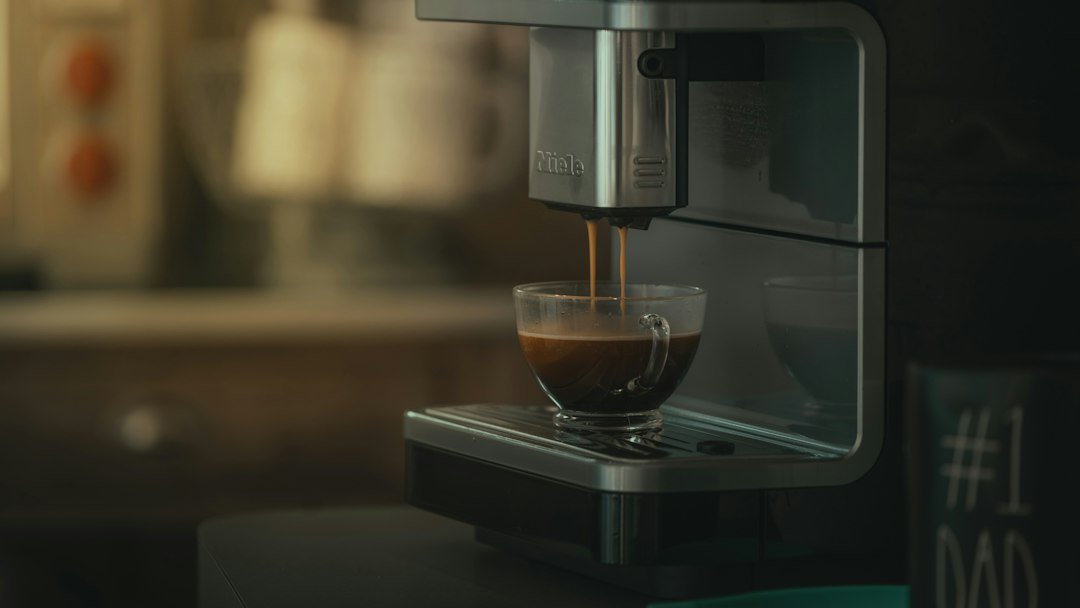
Instant espresso wins a lot of weekday mornings. Say it out loud. If you’re making a latte at 8:17 a.m., it can get you closer to the point of espresso than the average home machine that cost somewhere between “tax refund” and “small Vespa,” then spent six months looking gorgeous and vaguely threatening on the counter. Bon Appétit’s 2026 guide puts super-automatic espresso machines at roughly $500 and then cheerfully heads into the thousands. That’s one route to convenience. A spoon and hot water is another. Before your first meeting, the useful question is simple: does your setup make a better cup, or are you just doing morning cosplay with stainless steel?
Is instant espresso actually espresso?
No. Instant espresso is not true espresso because it is brewed coffee that has been concentrated and dried, then rehydrated later with water. Real espresso depends on pressure, a very fine grind, a tight brew ratio, and a short extraction, but instant espresso can still work well in milk-heavy or iced drinks.
Espresso has always been a little dramatic. Perfect Daily Grind points out that the fine grind and short contact time leave almost no room for error. A tiny shift in grind size can throw the whole shot off. Cafés deal with that by buying serious equipment and babying it all day. Machines like the La Marzocco Strada X come with pressure profiling, smart saturation, plus independent groupheads. That is a heroic amount of engineering for one tiny drink.
At home, most people want something simpler. Coffee with enough backbone to survive milk. Enough speed to fit between getting dressed and answering a Slack message that begins with “quick question.”
That helps explain why convenience gear keeps selling. Bon Appétit’s 2026 automatic machine guide says people want push-button americanos, lattes, iced drinks, and flat whites, even when the machine starts around $500. Fair enough. But if your goal is a decent espresso macchiato before your calendar starts throwing little colored rectangles at you, ritual gets optional very quickly.
Instant espresso belongs in that conversation. So does a badly dialed-in machine. So does stale pre-ground coffee in a moka pot. So does a rushed pour over that was never built for a cappuccino in the first place. If you want to try the format without buying hardware, the Americano Instant sample is an easy place to start.
Instant espresso wins when your workflow is a mess
Home espresso looks fantastic online. Gleaming steel. Slow-motion crema. Somebody in perfect morning light tamping like they have nowhere to be. Nobody posts the part where they forgot to warm up the machine, guessed the grinder setting, tamped a little crooked, then wiped the counter with the same exhausted paper towel from yesterday.
Perfect Daily Grind makes the café version of this point pretty clearly: espresso is unforgiving, and shops need every shot to taste the same across shifts and rushes. That’s why cafés obsess over dialing in and keep adjusting through the day. Beans age. Humidity changes. Baristas swap in and out. If professionals need that much control to keep espresso steady, your apartment kitchen is not some enchanted low-risk zone. It’s a kitchen. Sometimes the sink is full.
Then there’s maintenance, where a lot of home setups quietly lose the plot. Bon Appétit’s descaling piece explains that mineral buildup affects water-based appliances, and hard water makes it worse. It even sends readers to the U.S. Geological Survey water-hardness map, which is a mildly rude reminder that most people have no idea what’s coming out of their tap. A machine with scale buildup can make coffee taste flat or weird. Suddenly the expensive setup is just a very decorative way to make disappointing drinks.

Bon Appétit also gets into the less glamorous bits: stray grounds, levers, steam wand cleanup, the whole countertop crime scene. That stuff counts. On a Tuesday, convenience often means fewer steps and less mess. Instant espresso skips descaling, grinder retention and warm-up time. It also skips that little debris field around a machine that makes your kitchen look like it just survived a miniature café rush.
There’s a psychological angle too. A complicated setup can make you feel like you should use it because you bought it, cleaned it, learned it, maybe even watched three YouTube videos about puck prep. That’s a lot to ask of yourself before 9 a.m. Instant espresso asks for hot water and a little honesty.
What should you use instead: moka pot, pour over, or instant?
If you love a stovetop ritual, the moka pot is still charming. The italian moka has lived in home kitchens for generations because it makes concentrated, punchy coffee with very little gear and a lot of personality. It also asks for stove time, cleanup, plus enough attention not to scorch it. When it’s good, the smell is ridiculous. Half of Italy before 9 a.m.
It has limits. Pre-ground coffee goes stale. Heat can get away from you. If you’re distracted and let it sputter too long, the cup tells on you immediately. Still, for people who like a little ceremony and want something stronger than drip, moka remains one of the best bargains in coffee. There’s a reason it never left. If you want to compare stovetop brewing tradeoffs, this guide to moka pot mistakes adds useful context.
Pour over is a different pleasure. It makes excellent coffee, often beautiful coffee, but it does a different job in espresso drinks. A good pour over gives you clarity and nuance. Lovely in a mug. Less convincing once milk rolls in and smooths everything out. Perfect Daily Grind’s point about espresso’s tight ratio matters here because less water relative to coffee changes how the brew behaves in a latte or flat white. A pour over can taste brilliant on its own and then go a little vague under dairy. Sad, but true.
So the best method depends on the drink you actually want. If you’re making a fast espresso macchiato at home, instant espresso can work surprisingly well. If you want a slower Saturday coffee with some ceremony, italian moka is more fun and usually tastes better. If you’re chasing fruit, florals, or acidity from a particular origin, pour over earns the counter space. If you want a low-effort test run for milk drinks or iced americanos, the Americano Instant sample fits neatly.
There’s also the plain fact of repetition. The best coffee method for your life is the one you’ll still use after the novelty wears off. Plenty of people buy espresso gear for the fantasy version of themselves, then end up reaching for whatever gets caffeine into the cup with the least negotiation. That’s a schedule talking. Usually, it’s right.
Try this once and be honest. Make the same drink three ways this week: instant espresso, a moka pot, plus whatever machine or pour over setup you already own. Time each one. Taste them blind if you can. Then keep the method that gives you the cup you’ll actually make again on a Wednesday. If that ends up being the fast one, congratulations. You have excellent priorities. For a broader look at how brew choice affects daily use, why home coffee tastes different than your café is worth reading too.
Frequently Asked Questions
Is instant espresso the same as real espresso?
No. Real espresso is brewed under pressure with a fine grind and tight ratio, while instant espresso is brewed coffee that has been dried and later dissolved in water. It is not the same process, but it can still work well in milk drinks and iced coffee.
Is a moka pot better than instant espresso?
A moka pot usually makes a richer and more satisfying cup if you have the time and attention for it. Instant espresso is better when speed, cleanup, and consistency matter more than ritual.
Can you use instant espresso for espresso drinks?
Yes. Instant espresso can work surprisingly well in espresso drinks like lattes, cappuccinos, and an espresso macchiato, especially when milk or ice softens the differences. It is less convincing if you want to drink it straight like a true shot.
Is pour over good for milk-based espresso drinks?
Pour over can taste excellent on its own, but it usually brings less concentration than espresso-style brewing. In milk-based drinks, that can make the coffee taste softer or less defined.
Sources
- More control, more creativity: Espresso’s new balancing act — https://perfectdailygrind.com/2026/10/control-creativity-balancing-espresso/
- The Best Automatic Espresso Machines for the Easiest Morning Latte — https://www.bonappetit.com/story/best-automatic-espresso-machines
- Scenes from the 2026 Roast Summit in Portland, Oregon — https://dailycoffeenews.com/2026/10/06/scenes-from-the-2026-roast-summit-in-portland-oregon/
- The DIY Descaling Solution I Use All Over My Kitchen — https://www.bonappetit.com/bon-appetit/story/diy-descaling-solution-clean-enough
- The Best Gifts for Coffee Lovers (2026) — https://www.bonappetit.com/story/gifts-for-coffee-lovers-2026
