

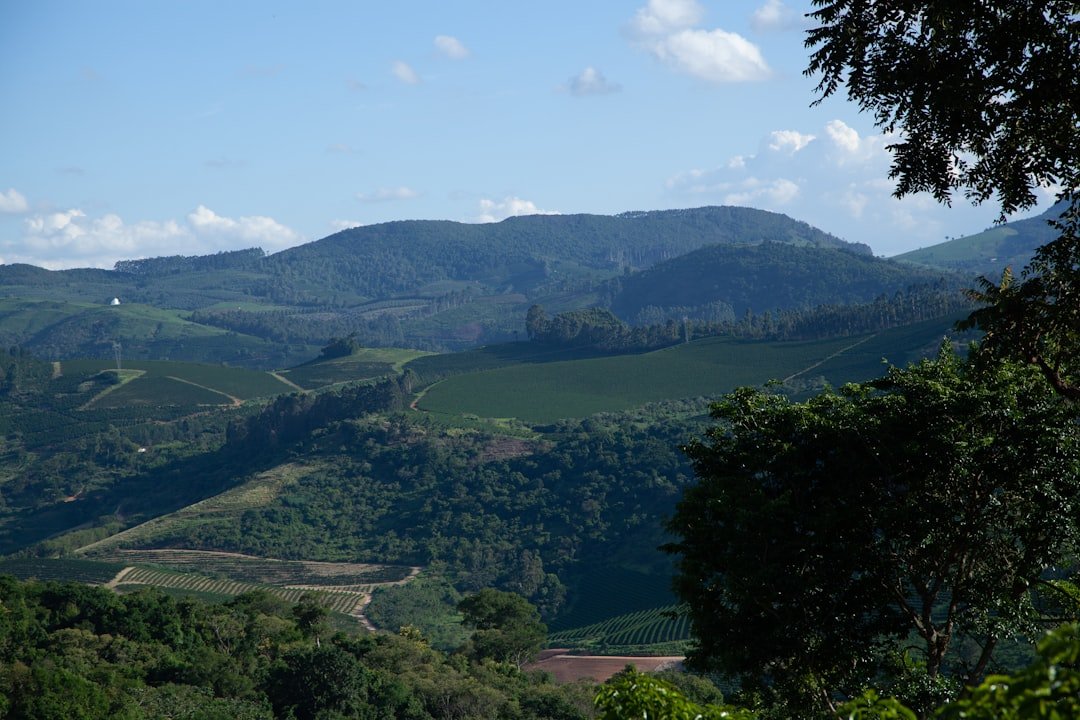
Mexican coffee regions you have never heard of but should know are where some of the country’s most exciting coffee stories are unfolding right now. If “Mexican coffee” still makes you think only of Chiapas, that’s like listening to one song from an artist’s entire discography and calling yourself a fan.
A little harsh? Sure. Still true? Also yes.
Because the most interesting story in Mexican coffee right now isn’t the one everyone already knows. It’s not the familiar-name region that keeps showing up on café menus and wholesale sheets until it starts sounding like the only place coffee in Mexico could possibly come from. The real plot twist is happening in the overlooked states and micro-origins quietly changing how Mexico shows up in the cup.
And the timing here is perfect. According to a 2026 Mexico coffee report from Daily Coffee News, the country’s coffee production is forecast to rise slightly in the 2026/27 cycle, with investment, disease-resistance strategies, and robusta expansion all helping reshape the map of Mexican coffee production. The report specifically points to states like Puebla, Oaxaca, Guerrero, and Veracruz as part of that evolving story, which is exactly why this conversation feels overdue.
This is not a geography quiz dressed up as a coffee article. It’s a guide to the Mexican coffee regions that deserve main-character energy before the rest of specialty coffee catches on. If you enjoy origin deep dives, you might also like Yemen coffee origins for another look at how place shapes coffee identity.
Chiapas gets all the attention — but Mexico’s real coffee plot twist is regional depth
Chiapas matters. Full stop. Nobody serious is arguing otherwise. It’s one of Mexico’s largest and best-known coffee-producing states, and for plenty of drinkers outside Mexico, it has become almost synonymous with Mexican coffee itself.
That’s also the issue.
Once one region becomes shorthand, an entire origin country gets flattened into one vibe. Suddenly “Mexican coffee” becomes a type instead of a spectrum. You hear broad descriptions like chocolate, nuts, mild acidity, smooth body — and yes, those notes can absolutely show up. But that kind of catch-all language does to Mexico what calling all Italian food “pasta” does to actual Italian cuisine. Technically connected. Spiritually lazy.
Recent reporting from Daily Coffee News makes the bigger picture pretty hard to ignore. Their 2026 report on Mexico’s coffee sector highlights production and market shifts across multiple states, including Puebla, Oaxaca, Guerrero, and Veracruz. Their 2025 report also called out Hidalgo among the producing states shaping the country’s output. That matters because it reminds us that Mexico’s coffee story is distributed, not parked under one iconic nameplate.
Here’s the little “wait, really?” moment: mainstream coffee drinkers often know countries better than they know states or subregions. People will casually distinguish Yirgacheffe from Sidama in Ethiopia, Huila from Nariño in Colombia, or Tarrazú from West Valley in Costa Rica. But with Mexico, a lot of people stop at the border. Country identified. Curiosity complete.
Which is kind of wild, because Mexico is one of the world’s significant coffee producers and has the kind of regional diversity that deserves the same terroir-heavy obsession. If you want more context on how growing conditions shape flavor, see how altitude shapes the coffee in your cup.
Part of this is just a storytelling problem. Regions become famous not only because of cup quality, but because importers feature them, buyers travel there, roasters market them, and consumers learn the names through repetition. If those loops don’t happen, a place can stay “unknown” while producing excellent coffee the whole time. So no, under-recognized does not mean underqualified. Sometimes it just means the industry spotlight has commitment issues.
Mexico is overdue for the same regional nerding-out treatment coffee people happily give everywhere else. Not because it needs charity. Because it’s earned specificity.
Oaxaca is not one thing — and Pluma is the name worth remembering
If someone says “Oaxaca coffee” like that settles it, they’re leaving a lot on the table.
Oaxaca is one of Mexico’s major coffee-producing states, but treating it like one single flavor profile misses the point entirely. This is a place with distinct growing areas, varied elevations, different microclimates, and producer traditions that do not collapse neatly into one tasting-note shortcut. You can’t just point at the state and go, “Yep, that one tastes like Mexico.” That’s not origin fluency. That’s coffee astrology.
One of the names more drinkers should absolutely remember is Pluma.
A recent Sprudge roundup included a single-origin coffee from the Pluma region of Oaxaca. That might sound like a small editorial detail, but it’s actually a useful signal. When a subregion starts showing up by name in specialty coverage beyond producer-facing circles, it usually means it’s beginning to enter broader coffee consciousness.
And Pluma is exactly the kind of name that makes you realize how much nuance gets lost when bags simply say “Mexico” or even “Oaxaca.”
Older but still useful reporting from Perfect Daily Grind notes that Mexican coffees are shaped by factors like altitude, varieties, climate, and shade-grown systems. In Oaxaca, those variables can produce coffees with delicacy, florals, lively acidity, gentle fruit, and layered sweetness — not just the familiar “nutty, chocolatey, crowd-pleasing” profile often assigned to Mexico like it’s a permanent personality trait.
Another detail people don’t always know: “Pluma” is often associated with Pluma Hidalgo, a district in Oaxaca historically known for coffee cultivation. So when you hear Pluma, you’re not just hearing a cool-sounding name. You’re hearing a regional identity with real coffee history behind it.
This is where Mexican coffee gets fun in the way all great coffee gets fun: once you stop looking for a national stereotype and start paying attention to local expression. Elevation changes things. Variety changes things. Processing changes things. Producer choices change everything. If you want to go deeper on processing’s role in flavor, read washed vs natural coffee.
A coffee from Oaxaca can be refined and citrusy one moment, softer and caramel-toned the next, depending on where and how it was grown and processed.
If you want a reminder that Mexican coffees can bring brightness and fruit complexity, not just comfort notes and coziness, blends can show that too. Something like ALTURA, which includes Mexico among its origins, lands in that sweet-fruity-citrus zone that quietly proves the point. Not all Mexican coffee is trying to be the mellow friend in the corner.
Puebla and Hidalgo are the regions coffee people should stop sleeping on
If Oaxaca is underrated, Puebla and Hidalgo are practically getting ghosted.
Not because they lack coffee significance. Mostly because mainstream coffee media and buying habits repeat the same names until they harden into “important regions,” while other producing states get pushed into the footnotes. And once that happens, consumers start reading the silence as lesser quality. More often, it just means lesser visibility.
Daily Coffee News has already flagged Puebla among the states gaining relevance in Mexico’s changing coffee landscape. Their 2025 report also specifically called out Hidalgo, which almost never gets headline treatment in casual origin conversation. That alone should make you pause. If industry reporting is naming these states as part of Mexico’s production story, but consumers still rarely hear about them, then the gap is not agricultural. It’s narrative.
And honestly, that says a lot about how lazy origin storytelling can be.
We love coffee culture, obviously. But coffee culture can get weirdly attached to familiar scripts. There are the sexy origin names. The easy marketing arcs. The regions buyers already know how to sell. Everything else risks becoming “other notable areas,” which is basically the coffee equivalent of being seated near the kitchen at a wedding.
Puebla deserves better than that.
It’s one of those regions that matters precisely because it expands the sensory and cultural map of Mexican coffee. If you’re a curious drinker, this is where things get interesting. Lesser-hyped regions ask more of you. You can’t rely on preloaded expectations. You actually have to taste. There’s a different kind of excitement in that.
Hidalgo is even more of a sleeper. Which is exactly what makes it interesting.
A lot of coffee fame has less to do with intrinsic cup quality than people like to admit. Export infrastructure matters. Buyer access matters. Historical trade relationships matter. Travel patterns matter. If more green buyers are visiting one state, more coffees from that state get sampled, bought, written about, and eventually fetishized. If another state has less visibility in those channels, it can remain obscure despite producing quality coffee.
That’s your “huh” moment right there: some regions are famous partly because they are easier to become famous.
So why care about Puebla and Hidalgo specifically? Because they widen your understanding of what Mexican coffee can be. They challenge the idea that the country can be summed up by one or two states and a handful of safe descriptors. They also remind you that origin knowledge is not finished. It’s still being built, edited, and occasionally corrected in real time.
If you’re the kind of person who likes being early rather than loud, these are exactly the names to keep in your back pocket.
Veracruz and Guerrero prove “under-the-radar” doesn’t mean small-time
Some coffee regions are overlooked because they’re tiny, remote, or new to specialty attention. Others get overlooked for a much stranger reason: they’re important enough to matter, but not trendy enough to dominate consumer imagination.
That awkward middle zone? Welcome to Veracruz and Guerrero.
According to Daily Coffee News, both states are part of the current production story in Mexico. They’re not fringe side characters. They are active players in a national coffee sector shifting under the influence of domestic demand, agronomic realities, and investment patterns. Yet ask the average specialty drinker to name Mexican coffee regions, and there’s a decent chance neither makes the first cut.
Veracruz is especially interesting because it has long mattered in Mexican coffee. It’s not some newly discovered secret hidden behind a waterfall and three cupping tables. It has history. It has volume. It has agricultural relevance. And yet in global specialty discourse, it can still feel oddly under-romanticized compared with origins that have better branding or more established storytelling machinery.
That under-romanticized part matters more than it sounds. Coffee people are human. Humans respond to stories. Regions with clean narratives — remote mountains, famous varieties, exporter-friendly infrastructure, photogenic farms, easy regional branding — tend to get more love. Regions that are simply solid, important, and longstanding can end up being treated as less exciting.
Veracruz also benefits from the broader context Perfect Daily Grind laid out in its origin guide to Mexico: factors like elevation, climate, and shade-growing contribute to cup diversity across the country, including in Veracruz. So if someone talks about Mexican coffee like it exists in one flavor lane, Veracruz is one more reason to raise an eyebrow and keep sipping.
Guerrero, meanwhile, has strong “watch this space” energy.
It’s less discussed, which often makes it more interesting for exactly the right reasons. Not because obscurity itself is cool, but because under-discussed regions often become exciting once buyers and roasters start paying closer attention. Guerrero sits in that category where the lack of consumer recognition tells you almost nothing useful about potential quality.

What Veracruz and Guerrero really prove is that coffee fame is uneven. Some names become shorthand. Others become afterthoughts. But if you care about origins beyond the label, these two states are a reminder to look past the popularity contest and ask better questions: Who’s producing? What’s changing? What conditions shape the coffee? Why do some names travel further than others?
That’s where the interesting stuff lives.
The future of Mexican coffee won’t look like the past — and that’s exactly why these regions matter
Here’s the part that makes this more than an origin-name exercise: Mexico’s coffee map is changing right now.
The 2026/27 forecast covered by Daily Coffee News projects a slight rise in Mexico’s coffee output, with robusta expansion and continued investment playing a role. That may sound like dry trade-report material, but it has real implications for what gets planted, where production grows, and how different regions evolve. Add disease-resistance strategies, domestic consumption trends, and policy shifts, and suddenly the future of Mexican coffee looks less like a static heritage postcard and more like a moving target.
Honestly? Much more interesting.
Because coffee origins are not museum exhibits. They are living agricultural systems shaped by economics, climate pressure, labor realities, infrastructure, and market demand. The romantic side of coffee likes to focus on mythology — misty mountains, family tradition, heritage varieties. And yes, that matters. But the practical realities matter just as much, sometimes more.
That’s why the freshest version of Mexican coffee won’t be defined only by famous arabica names or long-established specialty scripts. It will also be shaped by resilience. For a broader look at environmental pressure on origin countries, read how climate change is reshaping coffee regions.
A 2025 Perfect Daily Grind recap highlighted a buyer program in Chiapas focused on shade-grown agroforestry, water harvesting, and biodiversity monitoring. Even though that item centered on Chiapas, the broader lesson travels well: origin value increasingly includes how coffee is grown to withstand pressure, not just how it tastes on a cupping table. Agroforestry systems can support biodiversity. Shade can help moderate temperature stress. Water management matters. Disease resistance matters.
Here’s the sneaky-interesting thing a lot of people miss: the coolest flex for coffee drinkers now is not memorizing famous origins from ten years ago. It’s paying attention while an origin country is actively changing in real time.
Mexico is doing that right now.
So yes, keep Chiapas in the conversation. But make room for Oaxaca and Pluma too. Pay attention to Puebla. Learn where Hidalgo sits in the broader production picture. Watch Veracruz with more respect. Stay curious about Guerrero before everybody else starts acting like they discovered it personally.
And if you need proof that Mexican coffees don’t belong in one narrow lane — not only as single origins, not only in one flavor style, not only in one format — look at how they show up across blends too. PLACIDO DECA, which includes Mexico in its origin blend, is a nice reminder that Mexican coffee can contribute character in more ways than the specialty world’s neat little categories sometimes allow.
The next time a coffee bag says simply “Mexico,” that shouldn’t feel like enough anymore.
Not because the country name is wrong. Because it’s incomplete.
What happens when consumers start treating Mexican coffee with the same regional attention they already give Ethiopia, Colombia, or Costa Rica? Probably something good. More precision. Better storytelling. More respect for producers and places that have been doing the work all along. And maybe fewer lazy tasting-note assumptions.
The best Mexican coffee regions aren’t unknown because they’re unimportant. They’re unknown because most people just haven’t been paying attention yet.
Sources
- Daily Coffee News, https://dailycoffeenews.com/2026/05/22/mexico-coffee-report-production-rises-slightly-with-more-robusta/
- Sprudge, https://sprudge.com/the-best-part-of-waking-up-is-a-curated-selection-of-coffees-from-your-friends-at-sprudge-1028820.html
- Daily Coffee News, https://dailycoffeenews.com/2025/06/10/mexico-coffee-report-production-up-slightly-while-soluble-exports-surge/
- Perfect Daily Grind, https://perfectdailygrind.com/2020/03/coffee-origins-a-guide-to-mexico/
- Perfect Daily Grind, https://perfectdailygrind.com/2025/06/coffee-news-recap-20-june-2025/
Frequently Asked Questions
What are the most overlooked Mexican coffee regions?
Some of the most overlooked Mexican coffee regions discussed here are Oaxaca, Puebla, Hidalgo, Veracruz, and Guerrero. While Chiapas gets most of the attention, these states are increasingly important to Mexico’s evolving coffee story.
Why is Oaxaca coffee, especially Pluma, worth knowing?
Oaxaca offers far more diversity than a single flavor profile, and Pluma stands out as a subregion with real coffee history and growing specialty recognition. Coffees from this area can show florals, fruit, sweetness, and lively acidity depending on terroir and processing.
Is Chiapas still the most important Mexican coffee region?
Chiapas remains one of Mexico’s most important and best-known coffee-producing states. The point is not to dismiss Chiapas, but to recognize that Mexico’s coffee quality and regional identity extend well beyond one famous name.
How is the future of Mexican coffee changing?
Mexico’s coffee future is being shaped by investment, disease-resistance strategies, robusta expansion, and sustainability practices like agroforestry and water management. These shifts are changing which regions gain attention and how coffee is produced across the country.
