

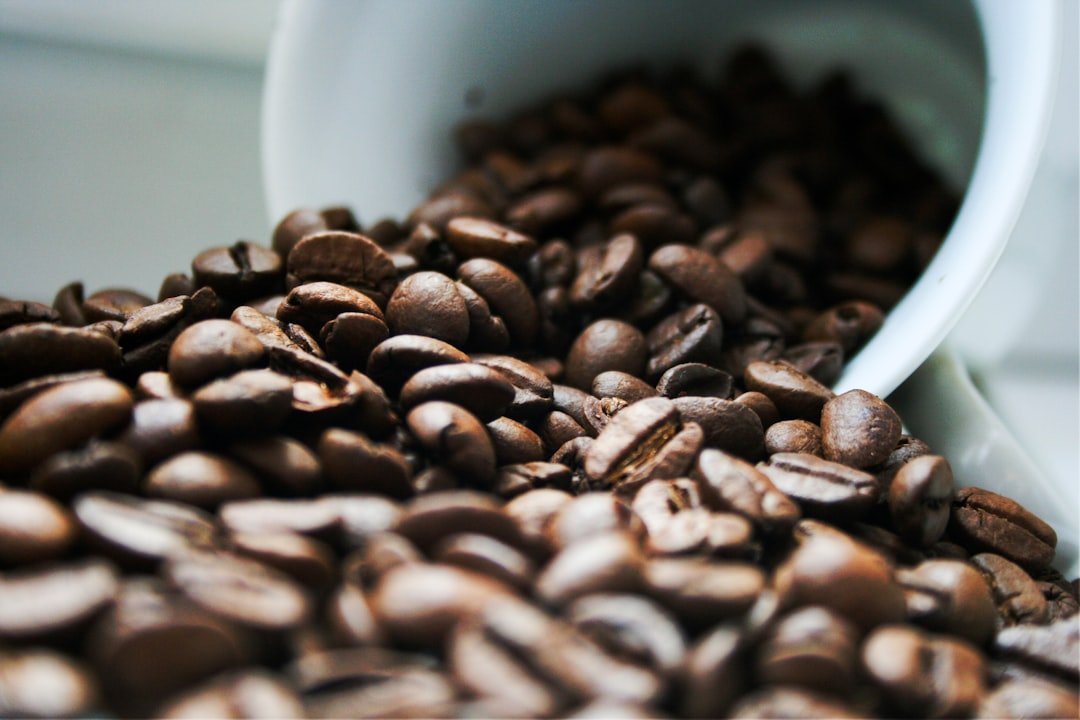
Decaf’s Rebrand Is Real — and Coffee Snobs Might Be the Last to Notice
The growing market for decaf specialty coffee and what changed may be one of the most interesting stories in coffee right now. It is not about a flashy microlot or a processing method with a futuristic name. It is about decaf finally being treated like a quality category instead of coffee’s backup option.
That shift became easier to notice after Reuters reporting carried by MarketScreener said Brazil exported a small but record quantity of specialty green decaf coffee. The volume may still be niche, but the signal matters. A record in specialty green decaf suggests the market is changing before the coffee even reaches the roaster.
For years, decaf had an image problem that felt bigger than its actual quality problem. Ordering it could seem apologetic, as if the drinker had somehow stepped outside the main coffee conversation. The category became associated with stale hotel coffee, diner pots, and cups that tasted flat before anyone even asked where the beans came from.
But that reputation lasted longer than the reality deserved. While many consumers kept repeating old jokes about decaf, producers, exporters, and roasters were doing the slower work that actually changes a category. They improved sourcing, paid more attention to decaffeination choices, roasted with more care, and started describing decaf by flavor instead of by what it lacked.
That matters because coffee culture has changed too. More people now want flavor, ritual, and comfort without always wanting a full caffeine hit. In that sense, decaf did not become more relevant because people care less about coffee. It became more relevant because they are getting more precise about how, when, and why they drink it.
This broader shift fits with other changes in specialty coffee, where consumers are also paying closer attention to origin and processing. That is part of why posts like new coffee processing methods creating new flavors resonate with readers. The same curiosity that elevated processing innovation is now helping decaf get a more serious look.
A small export milestone from Brazil may sound niche, and it is. But it is also one of those subtle signals that reveals a larger market rearrangement underneath the surface. Decaf is no longer just a fallback. It is becoming a category that coffee businesses can build with intention.
What Actually Changed in the Decaf Specialty Coffee Market
To understand the growing market for decaf specialty coffee and what changed, it helps to start with an inconvenient truth: historically, a lot of decaf tasted mediocre because it often started as mediocre coffee.
This point gets overlooked. Decaffeination itself is frequently blamed for every disappointing cup, but the problem often began earlier in the supply chain. If lower-value or less distinctive coffees were selected for decaf, then the category was already compromised before the caffeine was removed. Great results were unlikely because the coffee was treated as an afterthought from the start.
That is why the Brazil export story matters. The key detail is not simply that Brazil exported decaf coffee. It exported specialty green decaf. That means quality is being considered at origin, during classification, and in export strategy. It suggests decaf is entering the market with more value attached to it from the beginning.
For years, the supply chain treated decaf as a side lane. The best attention went to caffeinated offerings, while decaf was stocked mainly to satisfy a perceived obligation. That assumption has weakened because the modern decaf customer is often a genuine specialty coffee drinker. They care about sweetness, body, roast development, and whether the cup tastes clean and complete.
Once producers and roasters recognized that, the economics changed. A decaf customer who values quality is not a reluctant buyer. That person may be willing to pay for a coffee chosen and roasted with care. For cafés and roasters, that makes decaf a differentiated product rather than a low-priority menu item.
When a category becomes commercially viable on its own terms, the industry behaves differently. Buyers ask better questions. Roasters cup more carefully. Café teams stop talking about decaf like an apology. Product developers begin planning decaf offerings with the same intention they bring to other coffees.
That is the less glamorous answer to the growing market for decaf specialty coffee and what changed: decaf stopped being coffee’s leftovers. It began to receive the same structural attention that specialty coffee gives to other categories.
There is also a storytelling shift here. Specialty coffee has long celebrated origin, craft, and process, yet decaf often sat awkwardly outside that narrative. If green decaf can now be sold and recognized as specialty, the category is no longer backstage. It belongs in the same conversation about quality and sourcing.
That has ripple effects throughout the market. Better green coffee creates better roasting potential. Better roasting creates better café experiences. Better café experiences teach consumers that decaf can taste excellent. Then demand rises, which encourages even better sourcing. It is a useful cycle, and it helps explain why decaf is gaining momentum now.
The New Decaf Customer Is Reshaping Demand
The old stereotype said decaf was for older drinkers, people under medical advice, or anyone drinking coffee with visible reluctance. That image now feels outdated. Today’s decaf customer is often younger, highly intentional, and fully engaged with specialty coffee culture.
Many modern coffee drinkers are trying to manage energy more carefully. They still want espresso in the morning, but they may not want another full-caffeine drink in the afternoon. They may be thinking about sleep, anxiety, workouts, medication interactions, pregnancy, or simply how they feel after too much caffeine. They still want the ritual and flavor of coffee. They just do not always want the full stimulant effect every time.
That makes decaf feel less like compromise and more like a smart option. A good decaf fits neatly into a broader consumer mindset shaped by intentional habits. People already optimize screen time, exercise, recovery, and nutrition. Choosing lower caffeine at the right moment feels consistent with that way of living.
There is also a premiumization trend helping decaf. Consumers increasingly expect better versions of everyday products, from chocolate to nonalcoholic drinks. Coffee is no exception. If people are willing to spend more for quality in other categories, it makes sense that they would also expect a decaf that tastes like it belongs in a specialty café.
That means decaf did not become more relevant because people stopped caring about coffee. It became more relevant because they started caring more precisely. They want coffee that fits their schedule, their body, and their preferences without sacrificing taste.
Cafés are slowly adapting to this reality. The customer ordering decaf may be one of the most quality-conscious people in the room. They may buy beans for home, ask about brew ratios, and care deeply about flavor clarity. If the industry still imagines decaf buyers as accidental or indifferent, it is working from an outdated script.
This shift also connects to the wider conversation around coffee and wellbeing. Readers interested in how consumption habits are changing may also find value in new research on coffee and health changes the talk, because decaf’s rise is partly about consumers making more informed choices around caffeine.
Taste Finally Caught Up
None of these market changes would matter if decaf still tasted bad. Better branding and better consumer habits can only take a category so far. For the market to grow, the cup itself has to deliver.
In many cases, it now does. As roasters began sourcing better coffees for decaf and treating them with the same care they give caffeinated lots, the flavor gap started to narrow. It may not vanish in every example, but it has narrowed enough that consumers no longer see decaf as automatic punishment.
That threshold matters. Most people do not need decaf to outperform every coffee in a blind tasting. They need it to be balanced, sweet, satisfying, and clearly made by people who respect their palate. That is a realistic and commercially meaningful standard.
Decaf can still be technically challenging. Removing caffeine changes the coffee, and roasting decaf often requires extra care because the beans behave differently. Flavor can be more delicate, and structure can be harder to preserve. A vivid, complete decaf usually reflects deliberate work rather than luck.
But difficult is not the same as impossible. Decaf spent too long being treated as if excellence were out of reach. The better examples now prove otherwise.
You can hear that shift in the language used to sell it. Decaf used to be framed mostly around absence: less caffeine, no jitters, no buzz. Now stronger offerings are described in terms of what they provide: sweetness, fruit, chocolate, body, and balance. That is the same vocabulary used for any coffee worth drinking.
That is why a dedicated decaf like PLACIDO DECA is such a useful sign of where the category is headed. It does not lead with a warning label about what is missing. It leads with flavor notes like sweet, fruity, and chocolate. That is the point. The conversation has moved from subtraction to enjoyment.

There is another detail worth clarifying. Many people assume decaf means zero caffeine, but decaf coffee usually still contains a small amount. The U.S. Food and Drug Administration says decaffeinated coffee is generally expected to have had at least 97% of its caffeine removed. That means decaf is not fake coffee or a separate beverage category. It is still coffee, processed differently to create a lower-caffeine experience.
That experience can be very good now. For the market to keep growing, consumers need repeatable proof across cafés, retail shelves, and home brewing. One excellent decaf at one café is not enough to change perception. But more roasters taking decaf seriously and more cafés presenting it confidently can build the trust needed for people to order it on purpose.
Why Decaf Matters Beyond the Category Itself
Decaf’s rise matters for a reason bigger than decaf alone. It suggests specialty coffee is maturing.
For a long time, coffee culture could feel overly attached to caffeine as identity. Stronger often seemed cooler. More was treated as better. That attitude worked as a kind of joke until consumers began asking a more practical question: what if they love coffee, but do not want every cup to feel like a stimulant challenge?
A more mature coffee culture understands coffee as experience, timing, and choice, not just energy delivery. A full-caffeine espresso in the morning can be ideal. A quality decaf after dinner can be equally ideal. A lower-caffeine cup in the afternoon can make perfect sense for someone who wants focus without overstimulation.
This is especially relevant for young professionals, who often balance performance with recovery. They want coffee that supports their day instead of disrupting it. Specialty decaf expands the number of moments when coffee makes sense, which gives the category practical value beyond novelty.
There is a clear business angle too. Cafés and roasters that still treat decaf as a checkbox may be overlooking a premium customer segment. Morning coffee is only one use case. Afternoon meetings, social café visits, travel days, post-dinner drinking, and sensitive-stomach days all create reasons for decaf to be chosen intentionally.
And intentional choices are where premium categories thrive. If a customer actively wants a lower-caffeine coffee and still expects quality, that is not a low-value sale. It is a chance to earn trust and repeat business.
There is also a slightly uncomfortable truth for the industry. Specialty coffee often talks about hospitality, inclusivity, and flavor standards. Yet terrible decaf has remained a persistent blind spot. If a business claims to care deeply about quality but serves a lifeless decaf, that inconsistency is hard to ignore.
Good decaf is not just a niche add-on. It is a test of whether a coffee company believes its standards apply to all customers, not only the ones ordering the strongest drink on the menu.
That is why the growing market for decaf specialty coffee and what changed feels more important than a passing trend. It reflects a broader expansion in how the industry defines coffee excellence. Not every customer wants the same outcome from a cup, and that should raise the standard rather than lower it.
The Real Question Is Why Bad Decaf Lasted So Long
Maybe that is the real twist. The question was never simply why decaf exists. The better question is why the industry accepted bad decaf for so long.
If specialty coffee claims to value flavor, craft, and consumer choice, then decaf was always one of the categories most overdue for improvement. It sat in plain sight while the industry obsessed over increasingly narrow distinctions elsewhere. Meanwhile, many people just wanted an excellent cup they could drink later in the day.
That should never have been a radical request. The market signal from Brazil makes the shift feel concrete. Reuters’ report of record, though still small, exports of specialty green decaf coffee points to structural change rather than novelty. Specialty decaf is entering the supply chain earlier and with more intention, which usually means the category has moved beyond symbolic interest into real commercial relevance.
Small volumes can still tell a big story. In coffee, they often do. The practical takeaway for consumers is simple: judge decaf like coffee, not like a backup plan. Ask where it is from. Notice whether the menu describes flavor or merely absence. Pay attention to whether the café presents it with confidence.
If a roaster offers a dedicated specialty decaf, that is often a sign that the category is being treated with respect. It suggests they understand some customers want less caffeine without giving up sweetness, texture, and character.
Coffee culture loves dramatic innovations, limited drops, and experimental processing. Those things can be exciting. But some of the most meaningful changes are quieter and more human. Better decaf means more people can enjoy coffee on their own terms, at more times of day, and with fewer tradeoffs.
That is not boring. It is smart. And it is why the growing market for decaf specialty coffee and what changed deserves real attention now.
Sources
- Reuters / MarketScreener — https://uk.marketscreener.com/news/brazil-exports-small-but-record-quantity-of-specialty-green-decaf-coffee-ce7f58d2d98ef122
- U.S. Food and Drug Administration — https://www.fda.gov/consumers/consumer-updates/spilling-beans-how-much-caffeine-too-much
- Pascucci Coffee — https://www.pascuccicoffee.com/products/placido
Frequently Asked Questions
Why is decaf specialty coffee growing now?
Decaf specialty coffee is growing because sourcing has improved, roasters are treating it more seriously, and consumers want more flexible caffeine choices. Better taste and better positioning have made decaf a deliberate purchase instead of a reluctant one.
Does decaf specialty coffee still contain caffeine?
Yes, decaf usually still contains a small amount of caffeine. According to the FDA, decaffeinated coffee is generally expected to have had at least 97% of its caffeine removed.
Why did decaf coffee used to taste worse?
In many cases, decaf tasted worse because lower-quality coffee was selected for decaffeination in the first place. As better green coffee is now being used and roasted more carefully, the flavor quality has improved significantly.
What does specialty decaf coffee taste like today?
Good specialty decaf can taste sweet, balanced, chocolaty, fruity, and satisfying. The best examples are described by their flavor and structure, not only by their reduced caffeine content.
