
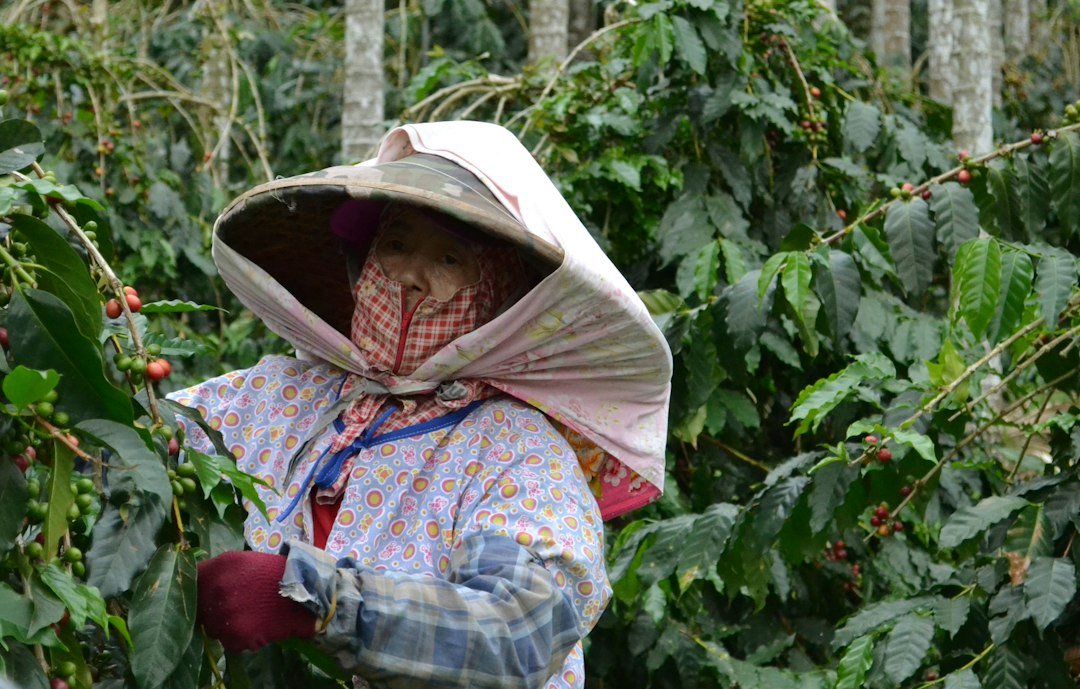
Organic Peruvian coffee sounds like an easy yes. Cleaner farming, better ethics, better taste, plus a tiny hit of moral superiority before 9 a.m. Nice in theory. In 2026, though, the label by itself says less than people think, especially in Peru, where organic certification is common enough that serious buyers treat it as the floor.
That’s what makes Peru interesting. Coffee Talk reports that Peru’s coffee sector supports 223,000 producing families and more than 2 million people across the value chain, with exports reaching more than 50 countries. That is serious scale. Once a country is producing at that level, the better question is whether the farming behind the badge can keep delivering excellent coffee without grinding down the people growing it.
What makes organic Peruvian coffee worth buying now?
Organic Peruvian coffee is worth buying when certification comes with healthy soil, dependable cup quality, and a farm business that can still work next year. On its own, the label tells you something useful about inputs and handling, but not enough about resilience, traceability, or whether producers are actually benefiting.
Peru has had organic credibility for a while, and fairly so. The newer story has more texture. Coffee Talk’s coverage of the 96-page Peruvian Coffee Harvest Guide 2025/26 points to a specialty scene getting noticed for traceability, processing methods, varietals, plus producer stories from six regions, seven producers, four farms, and two producer organizations. That level of detail matters. It shows a country moving past the lazy one-word pitch.
Because coffee origins get flattened constantly. Colombia becomes “balanced.” Ethiopia becomes “floral.” Peru gets “organic,” and then half the room mentally checks out. Bit rude, honestly.
Peru is also still underseen internationally for a country producing at this scale. Coffee Talk says that directly, and it helps explain the appeal if you’re tired of seeing the same origin shorthand on every third café menu. For anyone looking for organic black coffee or organic coffee beans with actual context behind them, Peru offers more than a clean-label glow. It offers a coffee sector trying to connect sustainability with quality, while keeping producers in business. Hard job. Worth paying attention to.
That also explains why Peru shows up so often in premium blends. A good one does plenty without making a speech about it. RISERVA PREMIUM, for example, includes organic Peruvian coffee in the blend. It fits. Peru brings structure and sweetness, plus sourcing credibility, without acting like someone who bought a V60 last week and now has opinions about bloom time.
USDA organic coffee tells you something useful. Then the questions start
Certification matters. If a coffee meets USDA organic coffee standards, you know the rules around synthetic inputs and handling practices were audited. Useful information. It gives you one clear fact about how the coffee moved from farm through the chain.
It also leaves plenty unsaid.
Perfect Daily Grind reported on July 31, 2026, that traceability, cup score, producer context, and basic transparency now count as minimum entry requirements for specialty buyers. In plain English, the things that used to impress buyers now get you through the door. Buyers are paying closer attention to consistency, documented processing protocols, and whether producers can deliver predictably in a volatile market.
That should change how you read a bag of USDA organic coffee. Certification tells you how the coffee was audited. It does not tell you whether the farm can absorb a bad harvest, a spike in input costs, or another climate hit. FoodNavigator’s July 2026 coverage of Coffee Barometer 2026 makes that painfully clear: Arabica hit a record US$4.40 per pound in February 2025, yet many producer incomes still remained below living income benchmarks. High prices made headlines. Structural problems stayed put. Very coffee industry.
The same report notes that certifications such as Organic, Fairtrade, Rainforest Alliance, UTZ, and others have multiplied while downstream value capture still dominates. So yes, a coffee can carry every reassuring badge on the front and still sit inside a system where farmers take the biggest risk.
If you’re shopping seriously, read past the front label. Look for repeatable quality, clear sourcing details, named producer groups, or even one sign that the seller understands coffee as agriculture first and branding second. If you want more context on how labels can miss the bigger picture, coffee of origin labels still leave a lot unsaid.
Why soil is the luxury ingredient in Peruvian coffee
The best sustainability story in Peru starts underground.
Soil health sounds boring right up until yields drop and the cup starts tasting flat. Then suddenly everybody is an agronomist.
Sustainable Harvest’s 2026 profile of Finca Churupampa in Chirinos, Cajamarca, gives a much better picture of long-term coffee viability. The farm group, working with Sustainable Harvest since 2017, spans elevations from 1,400 to 1,800 meters. Eber Tocto and his family started with soil recovery, then built a more technical production model around organic practices, stronger productivity, lower production costs, and better farmer margins. That order matters. You fix the ground first. Better coffee tends to follow.

This is where coffee talk gets weirdly tidy. People split taste over here and sustainability over there, as if flavor lives in one spreadsheet and farming in another. FoodNavigator quoted Nestlé agriculture lead Pascal Chapot in August 2026 saying soil is a living system that directly affects crops. The same article says regenerative practices have helped cut green coffee emissions by 18.3% since 2018, with more than 100,000 farmers trained across 15 countries. Degraded soil reduces organic matter, weakens microbial life, makes water retention harder, and leaves farms more exposed. That shows up fast in the cup and on the farm.
If you’ve had a bright Peruvian coffee with citrus notes and a clean finish, altitude deserves some credit. Healthy soil is in that cup too. That’s part of why coffees with Peruvian origin can feel so lively. ALTURA is a good one if you want that high-elevation lift in a blend without turning breakfast into a cupping session. For a deeper look at elevation and flavor, see how altitude shapes the coffee in your cup.
Frequently Asked Questions
Is organic black coffee better?
It can be better if you want fewer synthetic agricultural inputs and often stronger sourcing scrutiny. It does not guarantee better taste, freshness, or stronger farmer outcomes on its own.
What does USDA organic coffee mean?
USDA organic coffee means the coffee met certified standards for approved farming inputs and handling practices. That is useful, but it does not guarantee cup quality, fair pricing, or strong soil outcomes by itself.
Are organic coffee beans the same as fair trade coffee?
No. Organic coffee beans describe how the coffee is grown, while fair trade coffee refers to trading standards and producer terms. A coffee can be organic, fair trade, both, or neither.
Is fair coffee better than certified coffee?
It depends on what matters most to you. If your main concern is farmer income and long-term viability, fair coffee principles may tell you more than a single certification badge.
Sources
- Growing More Than Coffee: The Work Behind the Quality at Finca Churupampa — https://www.sustainableharvest.com/blog/growing-more-than-coffee-the-work-behind-the-quality-at-finca-churupampa
- Peru’s Specialty Coffee Sector Enters a New Era, Says New Harvest Guide — https://coffeetalk.com/daily-dose/announcements/07-2026/110597/
- ¿Qué prácticas ya no marcan la diferencia en un café de especialidad para los compradores? — https://perfectdailygrind.com/es/2026/07/31/practicas-no-marcan-diferencia-cafe-para-compradores/
- Nestlé coffee comeback starts beneath the surface — https://www.foodnavigator.com/Article/2026/08/27/nestle-tackles-soil-degradation-and-farmer-exodus-in-bid-to-futureproof-coffee/
- Are global coffee sustainability strategies falling short? — https://www.foodnavigator.com/Article/2026/07/27/are-global-coffee-sustainability-strategies-falling-short/
