
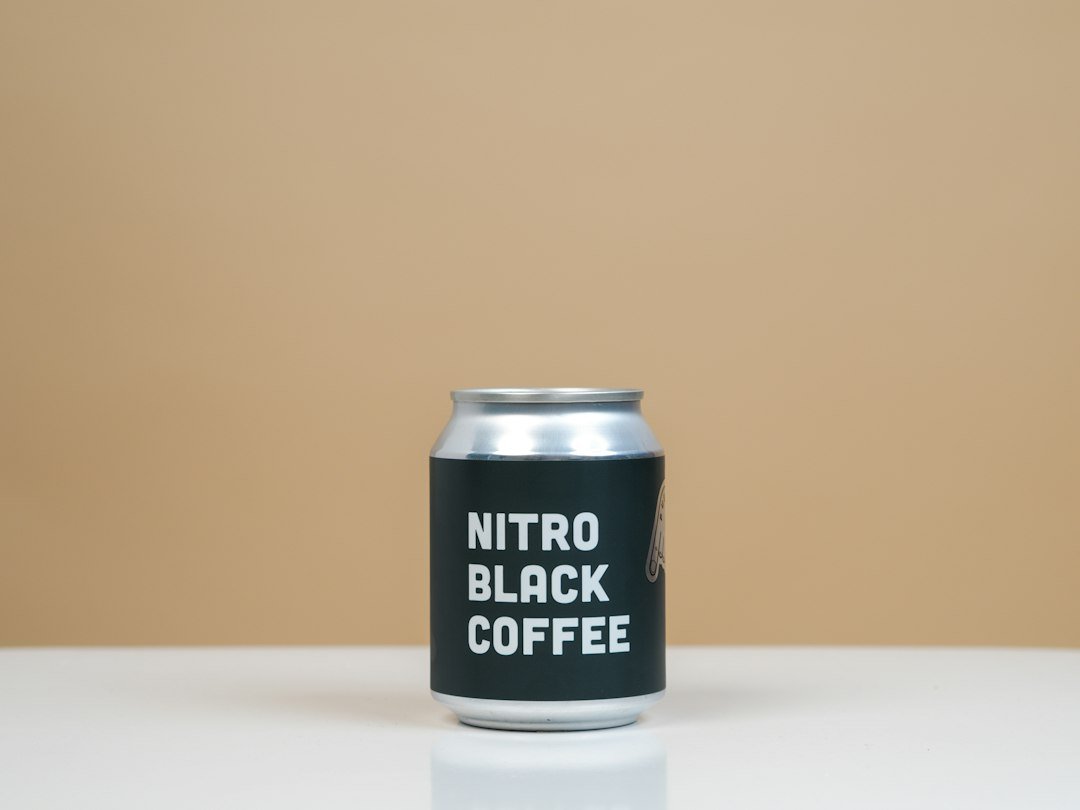
Cold brew won. Quietly, steadily, with the kind of momentum that actually matters: people keep buying it, retailers keep giving it more shelf space, and coffee industry events now talk about it like standard procedure.
The data is already there. FoodNavigator, citing the National Coffee Association’s 2026 specialty coffee report, says nearly half of U.S. adults now drink specialty coffee daily, and 69% of adults ages 25 to 39 had specialty coffee in the past week. That report folds in espresso drinks, RTD cans, bottled coffee, plus cold formats under one very broad umbrella. Useful, because plenty of people still picture “coffee” as a hot cup and a morning routine while the market has been busy doing something else.
Why is cold brew showing up everywhere?
Cold brew keeps showing up because it fits how people drink now: it is smooth, portable, easy to customize, and reliable in bottles, taps, and café batches. It also holds up better over time than many iced coffee formats, which makes it practical for retailers, commuters, and busy cafés alike.
Start with drink habits. FoodNavigator’s June 17, 2026 reporting on NCA data says younger specialty coffee drinkers also buy matcha, chai, bubble tea, vitamin water, flavored water, plus other RTD drinks. Cold brew makes immediate sense in that crowd. It’s cold, easy to tweak, and totally at home next to oat milk, vanilla syrup, or that suspicious office-fridge creamer nobody admits to buying.
That matters because people ages 25 to 39 already move between categories without much ceremony. Flat white at 8:30. Canned tea at 2:00. Something iced on the walk home. Cold brew slides right into that rhythm.
Convenience helps. Bottled coffee has to survive a commute, a fluorescent office kitchen, a cooler full of melting ice, or the classic move where you open it, take three sips, answer one email, then rediscover it 27 minutes later beside your laptop. The Washington Post’s July 31, 2026 blind tasting of 10 top-selling bottled iced coffees judged them on flavor, dilution, plus straight-up ready-to-drink quality. Fair enough. Plenty of espresso drinks are gorgeous for about six minutes. Cold brew usually has better stamina.
Cafés and roasters see the same thing. Fresh Cup reported that the Current Coffee Summit in St. Louis on September 29–30, 2026 will include Randy Anderson speaking on concentrate and batch espresso, alongside sessions on automation, service systems, plus pre-batching. It’s hosted at First Crack Coffee, a co-roasting and education space. That’s workshop material for people trying to get through a rush without losing the plot.
Cold brew changed the job description
Espresso still has ritual. It has crema, pressure, plus that tiny flash of drama Italians have respected for generations because, frankly, it’s excellent. Cold brew has range. It can come off tap, go into a bottle, turn into concentrate, sit in a grab-and-go fridge, or carry an office coffee setup without requiring every cup to be a miniature stage performance.
You can see the shift in one very normal search: iced americano vs iced coffee. People ask because the category got crowded and a little blurry. An iced Americano is espresso plus water over ice. Iced coffee usually means hot-brewed coffee that’s chilled and poured over ice. Cold brew steeps cold for hours before it’s filtered. Same temperature in the cup. Very different texture once you’re halfway through it and your ice has started doing its thing. For a deeper breakdown, see Cold Brew vs Iced Coffee: Why They’re Different.
That last part matters more than coffee people sometimes admit. If you’re speed-walking to the train, the question is less about doctrine and more about which drink still tastes good 20 minutes later. Cold brew usually has the edge there. It was built for time.
Coffee tech is moving in the same direction. Fresh Cup’s summit preview points to equipment testing, automation, plus pre-batching as serious trade topics, and Chris Maybury of Beta Coffee is named as an advocate for pre-batch espresso. That tells you where working cafés are spending their energy. Repeatability matters. So does not turning peak-hour service into a contact sport. Cold brew fits that logic beautifully because batches are the whole point.
Fresh Cup also flagged the same summit in its “Coffee News Club: Week of September 14” roundup, which is another small but telling detail. When a format keeps showing up in trade coverage, on event agendas, plus operational conversations, it has moved past novelty. Coffee people are practical. They do not build programming around drinks they think are fading out.

The ripple effect shows up outside coffee too. NACS Magazine notes that Dutch Bros, founded in 1992, is now the third-largest U.S. coffee chain after Starbucks and Dunkin’, according to Technomic. The same piece cites a Wall Street Journal report saying customized energy drinks account for 25% of Dutch Bros’ sales. That is a loud number. It also explains a lot. People like cold drinks they can tweak, carry, and photograph before the first sip. You did not need a panel discussion to know that, but the sales mix is nice confirmation.
The cold case got crowded
Cold brew used to compete with drip coffee and iced lattes. Simpler times. Now it shares shelf space with energy drinks, canned matcha, sparkling water, refreshers, lemonades, plus the aggressively unserious rise of dirty soda.
That changes the standard fast.
NACS Magazine’s September 2026 beverage roundup lays it out pretty clearly. McDonald’s is rolling out drinks including Dirty Dr Pepper, a mango pineapple Refresher, plus a Red Bull Dragonberry Energiser. Coca-Cola showed a self-serve machine at the National Restaurant Association Show in May that lets customers make dirty sodas and other infused drinks. Coke also sampled Strawberry Hot Honey Lemonade and Blueberry London Fog for younger consumers. Blueberry London Fog from Coke is the kind of sentence that would have sounded fake five years ago. Now it barely raises an eyebrow.
In that lineup, bottled cold brew has to earn its place. The Washington Post tasting of 10 top-selling bottled iced coffees focused on flavor, dilution, and how good the drink was straight from the package. Once coffee goes into a bottle, the excuses are over. “Smooth” is nice. It does not rescue a drink that tastes flat, watery, or weirdly sweet, because people are comparing it with everything else in the fridge, not with your favorite barista on a very good morning.
A few practical questions come up every time this conversation starts. Can instant espresso make good iced drinks? Yes. It works when you want speed and a punchy base for milk or syrup, though it won’t give you cold brew’s rounder body. Which espresso drinks work cold? Iced Americanos, shaken espresso, and some milk-based espresso drinks hold up well. Is cold brew stronger than espresso? Often by concentration, yes; by per-serving intensity, espresso still lands the bigger hit. If you want a side-by-side comparison of chilled espresso styles, read Iced Coffee vs Iced Americano—Flavor First Guide.
And that’s where this gets interesting for the whole category. Cold brew is no longer competing with hot coffee habits. It’s competing with drinks that are louder, sweeter, brighter, and built to grab you from a refrigerated case in about two seconds. If it keeps winning fridge space anyway, that says plenty about where coffee is headed.
Frequently Asked Questions
What is the difference between cold brew and iced coffee?
Cold brew is steeped in cold water for hours, then filtered, which gives it a smoother and often rounder taste. Iced coffee is usually brewed hot first and then chilled or poured over ice, so it tends to taste brighter and can dilute faster.
Iced Americano vs iced coffee: which is stronger?
An iced Americano usually tastes sharper because it is made with espresso and water over ice. Strength depends on recipe, but cold brew concentrate can contain more caffeine overall while espresso often feels more intense per sip.
Can instant espresso make good iced drinks?
Yes, instant espresso can make solid iced drinks when speed matters. It works especially well with milk, syrups, or shaken espresso-style drinks, though it usually will not match cold brew’s fuller body.
Which espresso drinks work best cold?
Iced Americanos, shaken espresso, and some milk-based espresso drinks tend to hold up best when served cold. They keep their structure well, especially when balanced carefully so melting ice does not flatten the flavor too quickly.
Sources
- The New Current Coffee Summit Brings Forward-Thinkers Together to Learn and Experiment — https://freshcup.com/the-new-current-coffee-summit-brings-forward-thinkers-together-to-learn-and-experiment/
- 6 Trends in the Beverage Biz — https://nacsmagazine.com/issues/september-2026/6-trends-in-the-beverage-biz
- What’s the best iced coffee? We tried 10 top-selling bottles to find a winner. — https://www.washingtonpost.com/food/2026/07/31/whats-best-iced-coffee-we-tried-10-top-selling-bottles-find-winner/
- US Specialty Coffee Growth Driven by Flavor and Younger Drinkers — https://www.foodnavigator.com/Article/2026/06/17/us-specialty-coffee-growth-driven-by-flavor-and-younger-drinkers/
- Coffee News Club: Week of September 14 — https://freshcup.com/coffee-news-club-week-of-september-14/
