
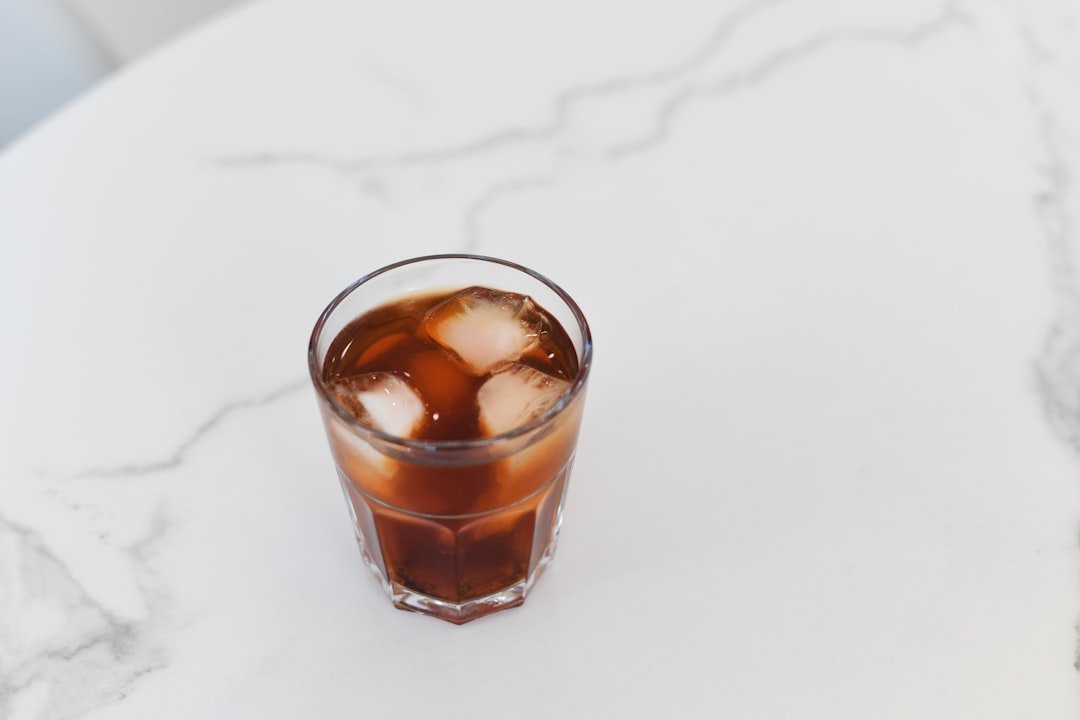
cafe freddo took off because it actually tastes finished cold. That sounds obvious, yet plenty of iced coffee still feels like somebody made a hot drink, got distracted, and threw ice at the problem. In barely three decades, freddo went from an Athens habit to something you can spot on café counters in Brussels near the EU quarter. That’s a long trip for a cold espresso with a foam cap.
The family history starts earlier. In September 1957, at the Thessaloniki International Trade Fair, Dimitrios Vakondios of Nescafé shook instant coffee with cold water because there was no hot water around and accidentally created the frappé. That little accident explains a lot. Hot countries want cold coffee. Cafés want drinks they can build quickly. People love ordering something that tells them exactly where they are.
What is cafe freddo, exactly?
Cafe freddo is a Greek-style cold espresso drink. Usually, it starts with espresso poured over ice, then shaken or blended until it turns smooth and dense with foam. The whole point is espresso texture and balance. Cold temperature alone won’t do the job.
You’ll usually see two versions. Freddo espresso is the lean one: espresso, ice, agitation, foam. Freddo cappuccino keeps that base and adds a layer of cold milk foam on top. If a hot cappuccino is all crema and steamed milk, freddo cappuccino is its summer cousin who made better plans.
This is where menu confusion starts. In the iced americano vs iced coffee debate, an iced americano is espresso with cold water; basically caffè americano in summer clothes. Iced coffee is brewed coffee served cold, either chilled after brewing or brewed over ice. Freddo has its own logic because texture matters as much as flavor. Athens cafés build it around espresso concentration and that visible foam from shaking or blending, so the first sip feels considered. You can tell somebody cared. For a closer breakdown of those menu differences, see this guide to iced coffee vs iced americano.
That foam obsession has history behind it. Upstreet ties it back to 1957, when Vakondios’s improvised shaker gave the frappé its dense microfoam. Greek drinkers spent decades seeing cold coffee arrive with a foamy top, so by the time freddo espresso showed up in 1991, the expectation was already there. Cold coffee should look alive in the glass. Tiny detail. Huge consequence.
Why did cafe freddo take over Greece so fast?
Because it fit the way Greeks use cafés in the first place. Upstreet’s August 15, 2026 piece calls coffee “the organising structure” of Athenian social life. Fair enough. In Athens, coffee can stretch across conversation, errands, flirting, work avoidance, and a small existential crisis before 4 p.m. A hot espresso is lovely, but it fades fast in a long afternoon. Freddo holds up.
Timing helped. The frappé had ruled Greek summers for about 30 years after Vakondios invented it in 1957. Then freddo espresso arrived in 1991, right when espresso carried a little aspirational shine. Greek cold coffee moved from instant to espresso and kept the habits people already liked: the cold glass, the slow sit, the foam on top, the basic logic of surviving summer. The upgrade felt obvious. Very 1991.

Freddo also slipped neatly into specialty coffee without turning into a side hobby for people who own too many grinders. Sprudge’s late August 2026 reporting from Corfu shows freddo espresso and freddo cappuccino still selling strongly even as the island’s specialty scene grows. Corfu is useful here because its coffee culture has different roots from the mainland. The Liston arcade, built during the French administration to echo Paris’s Rue de Rivoli, gives the island a café setting with Venetian, French and British traces all over it. Freddo works there too. Under Athenian apartment blocks, under Corfu arches, same drink, same appeal. That kind of range usually means a format has legs.
Why Europe is importing freddo now
Brussels gives the game away. Greek City Times, citing POLITICO reporting on September 1, 2026, describes Greek cafés in the Brussels EU quarter where names like To Meli, Papillon, Caffeine, and Cherry have become regular stops for officials, journalists, lobbyists, plus Greek and Cypriot communities. Freddo espresso sits right in the middle of that scene. People are buying a drink, sure. They’re also buying a pace. Europe already has plenty of espresso bars. These cafés brought over a habit you could sit inside for an hour.
The economics are pretty direct. During Greece’s crisis in the 2010s, unemployment climbed above 27 percent, according to Greek City Times. The owners of To Meli moved to Belgium in 2013 and opened their first café six years later. That matters because freddo spread through migration and work. It didn’t need a trend report from somebody in a glass office saying “beverage vertical” with a straight face. People carried the drink with them because it belonged to daily life and because it made sense on a café menu once they arrived.
The wider coffee business is moving the same way. Perfect Daily Grind’s September 4, 2026 recap notes Segafredo expanding into cold-extracted espresso formats for foodservice. Cafés want cold drinks that feel premium and move fast in a rush. Freddo fits that brief nicely. You can see the espresso in the cup, and customers notice that more when ingredient quality is under a microscope. PDG’s August 28 recap also noted ICE-certified arabica stocks at 226,242 bags on August 28, 2026, with a Reuters poll forecasting arabica around US$3 per pound by year-end. When coffee costs stay jumpy, cafés have every reason to make espresso drinks feel intentional. A freddo does that without requiring half the back bar in syrup bottles. Useful.
Is cafe freddo better than iced americano or iced coffee?
If you want maximum refreshment and a lighter body, order a caffè americano over ice. If you want a bigger, mellower drink, iced coffee works. If you want concentrated flavor with a smooth foamy texture, freddo espresso is the strongest order on the menu.
That answer helps because search behavior in 2026 keeps circling the same question: iced americano vs iced coffee, and where freddo belongs. An iced americano keeps espresso character but stretches it with water, so it drinks brisk and sharp. Iced coffee usually has more volume and a softer profile because brewed coffee cools into something rounder. Freddo stays tighter. It keeps espresso intensity, manages dilution through ice, and adds texture through agitation. You notice the difference immediately. If you want the espresso side of that comparison in more detail, read cold brew vs americano: taste, caffeine, origin.
It also asks more from the coffee. Extraction matters. Roast clarity matters. The coffee production process matters more than people think, especially in a cold drink with nowhere to hide. If the coffee production and processing behind the beans are clean and the roast stays balanced, freddo lets all of that show up with surprising honesty. Bad espresso in milk can sometimes bluff its way through service. Bad espresso shaken cold introduces itself on the first sip. Awkward.
So yes, a little opinion. Freddo is the grown-up cold coffee order for people who care about flavor and a bit of café identity in the same glass. Its path runs from a trade-fair accident in 1957 to an Athens invention in 1991 to Brussels in 2026. The next shift feels obvious enough: more cafés across Europe will stop treating cold coffee like a temperature setting and start treating it like a real category.
Frequently Asked Questions
Iced americano vs iced coffee: what’s the difference?
Iced americano uses espresso and water, while iced coffee is usually brewed coffee served cold. The americano tastes sharper and lighter; iced coffee is often rounder and larger in volume.
What is freddo espresso?
Freddo espresso is a Greek cold espresso drink made by pulling espresso and cooling or agitating it with ice to create a smooth, foamy texture. It is more concentrated and textured than a standard iced americano.
What does caffe americano mean?
Caffè americano means espresso diluted with water. It can be served hot or cold, depending on whether you order a classic americano or an iced americano.
Why does the coffee production process matter in cafe freddo?
Because cafe freddo is concentrated and minimally masked, flaws in extraction, processing, or roast balance show up quickly. Clean coffee production and processing help the drink taste clearer, sweeter, and more intentional.
Sources
- Freddo, frappé and the Greek relationship with coffee — https://journal.upstreet.io/freddo-frappe-greek-coffee/
- The Sprudge Guide To Coffee In Corfu, Greece — https://sprudge.com/the-sprudge-guide-to-coffee-in-corfu-greece-1135048.html
- Coffee News Recap, 28 Aug: ICE-certified arabica stocks fall close to lowest levels since 1999, C price forecast at US$3 — https://perfectdailygrind.com/2026/08/coffee-news-recap-28-august-2026/
- Coffee News Recap, 4 Sep: KDP to sell stake back to Chobani for US$800m, new study challenges robusta's climate resilien — https://perfectdailygrind.com/2026/09/coffee-news-recap-4-september-2026/
- Greek Coffee Culture Slowly Conquering Europe — https://greekcitytimes.com/2026/09/01/greek-coffee-culture-slowly-conquering-europe/
