
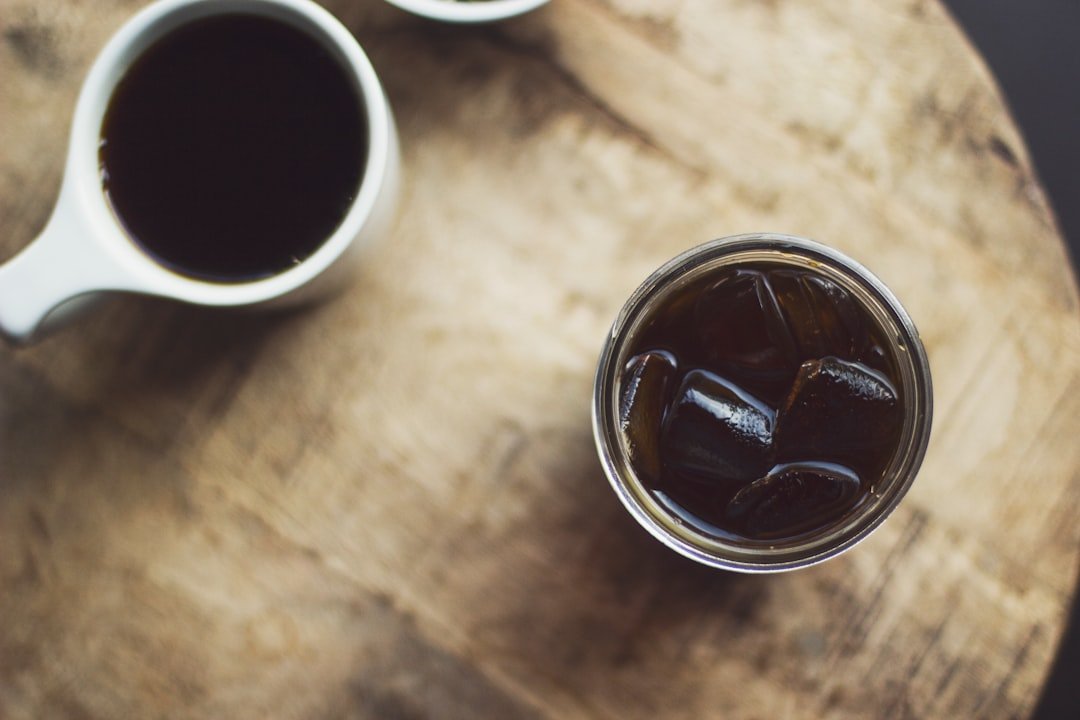
Cold brew vs americano is not just an iced coffee choice. It is a choice between two very different ways of extracting flavor, caffeine, and character from the same bean. Most people think they are picking a format, but they are really deciding whether they want coffee to smooth things over or reveal what is actually there.
One drink softens edges, lowers perceived acidity, and makes almost any coffee feel easygoing. The other starts with espresso, adds water, and asks a more demanding question: what can this coffee really do? If you want your cup to match your taste, your day, and your standards, that difference matters more than the menu suggests.
Cold brew flatters. Americano exposes.
That sounds slightly contrarian, but it holds up. Cold brew is brilliant at making coffee feel effortless: mellow, low-friction, and easy to sip for hours. Americano is sharper, faster, and more transparent, especially when the espresso underneath is dialed in well. So this is not just a menu explainer. It is a closer look at taste, caffeine, coffee of origin, coffee tech, and the role brew method plays in what you think you like.
What’s the real difference between cold brew and americano?
Cold brew is coffee steeped in cold water for 12 to 24 hours, which creates a smoother, lower-acid cup with rounded sweetness and fuller body. An americano is espresso diluted with water, so it keeps more aroma, acidity, and flavor detail. Choose cold brew for mellow sipping and americano for brighter, more expressive coffee.
That is the tidy version. The more interesting part is why they taste so different.
Cold brew uses time instead of heat and pressure. The slower extraction pulls compounds in a way that often makes the final cup feel softer, less sharp, and more chocolatey or nutty. People describe it as mellow, sweet, and easygoing because the extraction itself pushes flavor in that direction.
An americano moves the opposite way. It begins as espresso: hot water forced through finely ground coffee under pressure in roughly 25 to 30 seconds. That concentrated shot is then diluted with hot water, or with cold water and ice in an iced version. Because espresso remains at the center, the drink keeps more of the coffee’s aromatics, acidity, and structure. If you want to go deeper on espresso balance, espresso extraction time explained adds useful context.
That difference in extraction changes the whole experience. Cold brew usually tastes smoother, lower-acid, and more forgiving. Americano tastes brighter, more aromatic, and more defined. One wraps the coffee in a cashmere sweater. The other turns on the overhead lights.
There is also a practical truth here: cold brew can make average beans taste perfectly pleasant. That is part of its appeal. Americano gives beans nowhere to hide. If the coffee is excellent, it shines. If it is stale, flat, over-roasted, or badly extracted, you will know quickly.
And yes, iced americano is not the same as cold brew just because both are cold and black. Cold brew is extracted cold over many hours. Iced americano is hot espresso diluted and chilled. Same color, different chemistry, different flavor logic. For a closer comparison on chilled black coffee, see iced caffe americano vs cold brew.
The key distinction is not temperature. It is extraction method.
Why cold brew became the default—and why americano may be smarter
Cold brew did not become a café staple by accident. It fits modern coffee culture extremely well.
It is batchable, consistent, and easy to make ahead. Cafés can store it cold and pour it quickly during a rush. It also signals a premium feel with almost no explanation. Put house cold brew on a menu and customers instantly understand the vibe: smooth, strong, modern, photogenic.
That convenience matters operationally. A good batch system can produce a reliable drink at scale without every cup depending on live espresso performance. That is a major advantage when the line is long and speed matters.
Americano is a different kind of order. It is made on demand. It depends on the espresso machine working properly, the grinder being dialed in, and the barista pulling a balanced shot in real time. It is less forgiving behind the bar, but more expressive in the cup. If you want to know whether a café’s espresso program is actually strong, ordering an americano is a revealing move.
Cold brew is the playlist everyone agrees on. Americano is the track with actual personality.
That does not make americano automatically better. It simply asks more of the coffee and the café. That can produce higher highs and more obvious misses. If a shop has beautifully sourced beans and a strong espresso setup, americano gives you a clearer sense of that effort. If not, it can taste thin, bitter, or oddly hollow. Cold brew tends to smooth over some of those flaws.
It also explains why americanos vary more from café to café. Cold brew is usually designed around consistency first. Americanos rely on espresso quality and barista precision, so variation is built in. That is frustrating if you want dependable caffeine and great if you care about flavor.
From a business perspective, cold brew often wins. From a coffee-clarity perspective, americano often does.
Why coffee of origin shows up more clearly in americano
If you care about coffee of origin, americano usually tells you more. Espresso diluted with water still preserves much of the coffee’s aromatic and acidic structure, so regional notes like citrus, florals, berry, spice, or stone fruit stay easier to notice. Cold brew often smooths those distinctions into a rounder, sweeter profile.
Single-origin coffees, or blends built to preserve origin character, generally show more distinction in an americano than in cold brew. Those top notes matter. Citrus, florals, berry tones, spice, stone fruit, and tea-like qualities survive more clearly when the coffee is brewed hot as espresso and then opened with water.
Cold brew tends to compress those differences. It does not erase them, but it often blurs them. A coffee with vivid character when brewed hot can become sweeter, rounder, and less specific when brewed cold for hours. That can be delicious, but it can also make very different coffees taste more alike than they really are.
Take a washed Ethiopian coffee. In an americano, it might taste floral, citrusy, and bergamot-like, with a light elegance. In cold brew, those same beans may become smoother, sweeter, and more cocoa-toned. Still enjoyable, but less clearly expressive of origin.
A high-grown Colombian can do something similar. As espresso stretched into an americano, it may show caramel, red fruit, bright acidity, and a clean finish. As cold brew, the acidity softens and the sweetness broadens, making the cup feel more generalized.
That matters because arabica coffee beans are valued precisely for aromatic complexity and nuanced acidity. Arabica often offers more flavor detail than robusta, especially when grown at higher elevations and processed carefully. Those lifted, high-toned qualities are exactly what americano tends to preserve better. If you want a broader primer, Arabica vs Robusta helps explain why those differences matter.
This is also where coffee farming deserves more credit. Farmers shape flavor through altitude, varietal choice, soil management, harvest timing, and processing method. Washed, natural, and honey processing all change what reaches the cup. When a brew method blurs distinctions, it changes how much of the producer’s work you actually experience.
The quieter truth underneath this debate is simple: brew choice does not just change taste. It changes how much of the farm reaches you.
The hidden role of coffee tech in taste
Coffee tech is not only about flashy machines or app-connected gear. In this comparison, it is the practical technology behind extraction, consistency, storage, and service. Cold brew depends on batching, filtration, refrigeration, and dispensing systems, while americano depends on espresso machine stability, grinder precision, pressure control, and shot timing.
Cold brew’s rise is partly a systems story. Better filtration setups, refrigerated batching, sealed storage, nitrogen dispensing, and efficient café workflows made it commercially irresistible. It is not just that people suddenly discovered they liked smooth cold coffee. The industry became very good at making it consistent, scalable, and easy to serve.
So cold brew feels low-drama in the cup because the drama already happened in prep, filtration, storage, and service design.
Americano lives on the other side of coffee tech. Its quality depends on espresso machine temperature stability, pressure control, grinder consistency, shot timing, and barista calibration. If any of those variables drift, the drink changes immediately. A beautiful americano is the result of a lot of precision compressed into half a minute.
That is why americano is high-stakes in real time.
An espresso shot can channel, meaning water finds weak paths through the puck and extracts unevenly. It can run too fast and taste sour or thin. It can run too slow and taste bitter or dry. If the grinder is off or the beans are stale, you will taste that too. Adding water does not hide the shot so much as reveal whether it was balanced.
Cold brew has its own quality-control issues, just less dramatic ones. If it sits too long, it can oxidize and flatten. If extraction goes too far, it can taste woody or dull. If filtration is poor, the texture can become murky. A lot of bad cold brew tastes less obviously bad than bad espresso; it just tastes tired.
So if cold brew is coffee optimized by systems, americano is coffee optimized by craft.
That also explains why these drinks appeal to different personalities, not just different weather. Cold brew often suits people who want reliability, ease, and a mellow profile that slides into the day without demanding much attention. Americano often suits people who want precision, clarity, and a cup that says something specific.

Which has more caffeine, and which fits your day better?
Cold brew is not automatically stronger than americano. Caffeine depends on recipe, serving size, and dilution. Cold brew can contain more caffeine when it is concentrate-based or served in a large portion, while americano is usually more predictable because its caffeine is tied to the number of espresso shots used.
That recipe point matters more than people think. Cold brew may be brewed as a concentrate and then diluted, or it may be served ready to drink. Portions also vary wildly from café to café. Some shops pour a modest glass. Others serve a large cup that delivers a much bigger caffeine load than expected.
Americano is usually more defined. It is built from one, two, or three espresso shots, and those doses are relatively standardized within a café’s program. So while the drink may feel lighter or more elegant, its caffeine is tied more directly to shot count than to mystery dilution math.
Two things can be true at once:
- Cold brew often has a reputation for being stronger because servings are larger and recipes can be potent.
- Americano can be highly caffeinated too, but its structure is usually more transparent.
If you are choosing for energy, do not rely on the drink name alone. Ask how many shots are in the americano or whether the cold brew is concentrate-based. It is not glamorous, but it is useful.
Then there is the lifestyle part, which is where many people actually decide. Cold brew suits long, slow sipping. It is easy to drink black, often perceived as less bitter, and works well for commuting, desk work, and extended afternoons. It asks very little of you.
Americano feels more like a structured coffee break. It is ideal if you want something black and expressive without going full straight espresso. It has shape and tempo. Even when consumed quickly, it feels more intentional.
Another thing worth noting: perceived strength and actual caffeine are not the same. Americano can taste sharper and more intense because espresso carries concentrated aroma and acidity, even when caffeine is moderate. Cold brew can taste smoother while delivering a heavier caffeine hit.
If flavor clarity is the goal, americano usually tells you more. If all-day mellow sipping is the goal, cold brew makes a strong case.
Farm to cup, what do you want coffee to do?
This comparison sounds like a drink debate, but it is really a values debate in disguise.
If you want coffee to be smooth, dependable, mellow, and easy to drink, cold brew is excellent. It is not lesser and it is not basic. It is simply designed around comfort and accessibility. It softens edges, broadens appeal, and gives you a more uniform experience.
If you want to taste decisions about origin, roast, extraction, and the work behind the bean, americano is usually the better choice. It is more likely to carry the fingerprints of the farm, the roaster, and the barista into the cup. That makes it a more revealing form of farm to cup coffee.
One drink prioritizes approachability. The other prioritizes transparency.
That distinction matters if you care about coffee farming and quality sourcing. Farmers invest in creating distinction. Roasters invest in preserving or shaping that distinction. Baristas invest in extracting it well. Americano, at its best, lets more of those decisions remain legible. Cold brew often translates them into a smoother, simpler language.
Here is the best practical test if you want to train your palate without becoming unbearable about it: order both from the same café, using the same origin-forward coffee if possible. Taste them side by side, black, without milk or syrup. Notice what disappears, what sharpens, and whether the coffee feels sweeter, brighter, flatter, heavier, or more specific.
That side-by-side is genuinely educational. The cold brew may feel more comforting. The americano may feel more articulate. You may prefer one overall while still admitting the other teaches you more about the beans.
So which one wins? There is no universal answer. The better question is whether you want coffee softened for you or translated honestly.
Frequently Asked Questions
What is coffee of origin?
Coffee of origin refers to coffee identified by a specific country, region, farm, or producer rather than a generic blend. It matters because climate, altitude, soil, varietal, and processing all shape flavor, and those differences often show more clearly in an americano.
Do arabica coffee beans taste better in an americano?
Often, yes, if your goal is to notice complexity. Arabica coffee beans are prized for aromatics, acidity, and nuance, and americano tends to preserve those traits better than cold brew, which usually emphasizes sweetness and body.
How does coffee farming change flavor?
Coffee farming affects flavor through altitude, varietal selection, shade, soil, harvest timing, and processing method. Those choices can create fruit, floral, spice, or chocolate notes, and brew method determines how clearly they appear in the cup.
What does coffee tech actually mean for taste?
Coffee tech includes the tools and systems that shape extraction and consistency, from grinders and espresso machines to filtration and refrigeration. In cold brew it supports stable batching and storage, while in americano it directly affects espresso precision and flavor clarity.
Sources
- Expand the window to the last 60 or 90 days — https://example.com
