
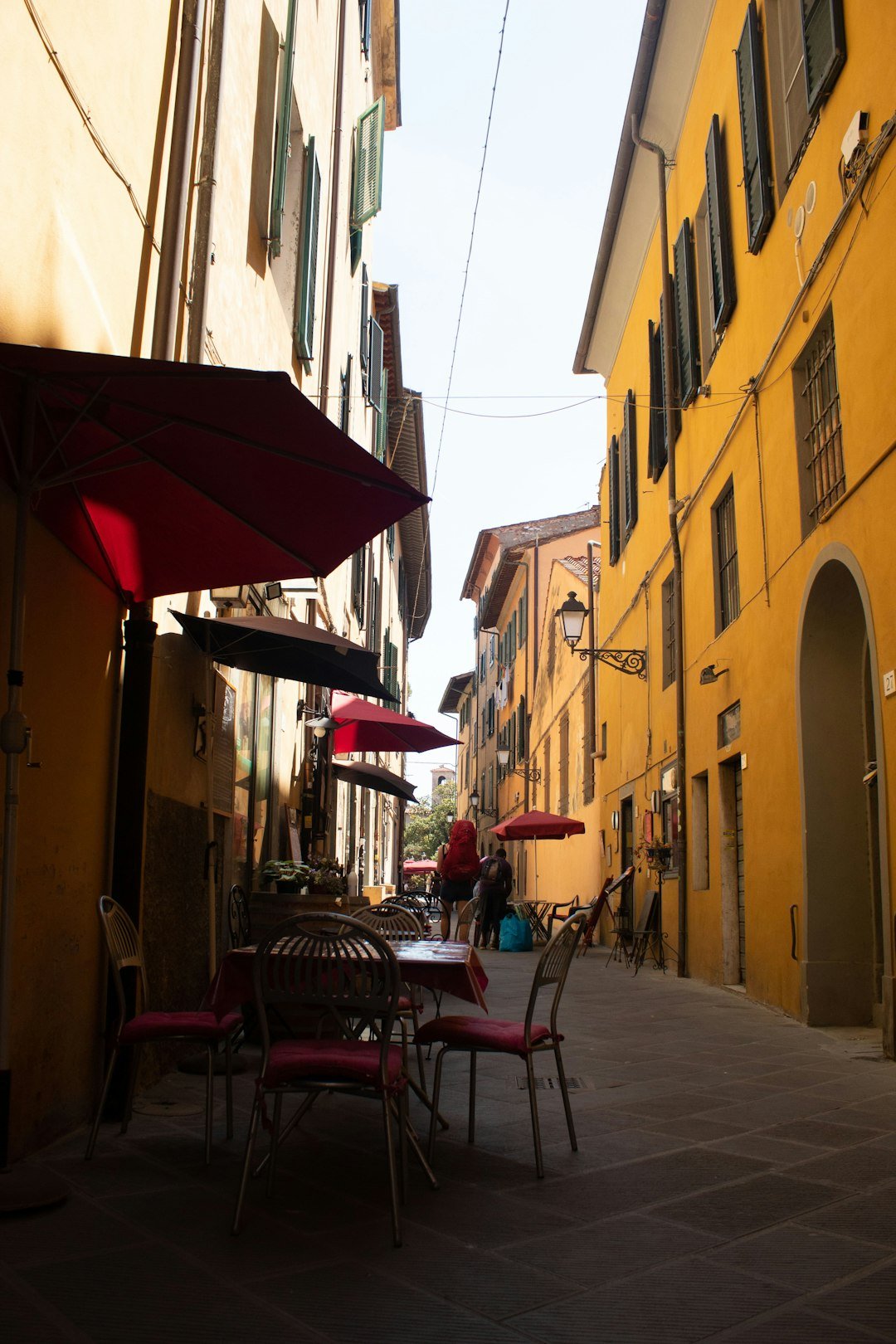
Cold espresso has its own rules, and they’re smarter than a watery iced coffee habit. You taste the problem immediately. The aroma vanishes, the cubes melt like they’re late for somewhere else, and by the third sip you’re left with something cold and thin, only faintly related to coffee. Italy solved this years ago in the most Italian way possible: make one rule, do it properly, and move on with your day.
Italian coffee has always had a bit of discipline. Order a cappuccino after 11am and, yes, someone may look at you like you’ve asked for ketchup with pasta. Espresso at the bar is quick, upright, almost ceremonial. Cold drinks are everywhere now, so even the purists have loosened the script a little. Blue Bottle founder James Freeman refused iced lattes at his first Oakland café in 2002 because hot espresso over ice wrecked the flavor, according to World Coffee Portal. By 2026, cold coffee was fully baked into café life. Pascucci’s source material cites National Coffee Association data collected June 8–24, 2026 from 1,882 U.S. adults, showing 48% drank specialty coffee in the past day. That is a lot of people asking coffee to stay cold without turning miserable.
What is cold espresso, actually?
Cold espresso is espresso served cold in a way that still lets it taste like espresso. That can mean shaking it with ice, pouring it over ice with some care, or using cold-specific methods such as Kyoto-style espresso.
That distinction matters. Cafés throw a lot of drinks into one icy bucket, but they do not all behave the same way. Espresso over ice is the obvious version, and it only works when the timing is tight and the ice is right, with a shot sturdy enough to survive the trip. Shaken espresso changes the texture too. A hard shake chills the drink fast and builds that pale foam on top, the silky cap Italians have liked in a caffè shakerato for years.
James Freeman spotted the issue back in 2002: hot espresso hitting ice loses aromatic detail fast, while melting cubes strip out body before you’re halfway through. You get something colder. You also get something flatter. Coffee can survive a lot. Lukewarm dilution is still offensive.
Italy came at this with stricter instincts. Cold coffee had rules too. Think caffè shakerato: fresh espresso, ice, shaker, quick pour, sometimes into a stem glass if the bar is feeling elegant that afternoon. It’s short and cold, with a clean finish. Very italian cold coffee. No whipped cloud. No syrup monologue. No drink that needs a project manager.
Why cafés suddenly care so much about cold espresso
Cold espresso tastes good, and cafés also like what it does to the till. That part is not mysterious.
Perfect Daily Grind reported that UK coffee prices rose about 35% in five years, while green coffee and business electricity costs each climbed by roughly 60%. Those numbers make a plain espresso look noble and a little inconvenient.
Cold signatures help because customers are less rigid about what those drinks should cost. People know exactly what they think a flat white should cost, and they notice every extra 50 pence. Matcha, cold foam, flavored iced drinks, custom builds: much more room there. The same Perfect Daily Grind reporting says these drinks help cafés push higher tickets without slowing service too much or pushing coffee off the menu. The Guardian’s coffee coverage page also points to Costa returning to profit in October 2026 with iced drinks and matcha on the menu. Chains do not pivot that hard for fun.
There’s a catch. Once cold drinks become a margin strategy, coffee identity gets blurry very quickly. World Coffee Portal’s feature on Simpsons Beverages, founded in 1934, lays out the logic plainly: private label has moved from procurement into beverage strategy, and operators need to “innovate at pace” as menus lean harder into iced and seasonal drinks, according to Managing Director Caleb Simpson. In normal language, syrups are now part of branding.
That’s where Italy’s old shaker habit still looks smart. A caffè shakerato gives cafés a cold drink people will pay for while keeping the espresso front and center. Same category. Better manners. If you want a broader look at how cafés are rethinking chilled drinks, see why cold brew and iced coffee are not the same thing.
That’s also why the comparison with the shaken brown sugar espresso is useful. The viral version leans into sweetness and customization: brown sugar, milk choice, maybe cold foam if the morning needs a bit of theatre. The Italian instinct is tighter. Sugar can appear, but it behaves itself. The coffee still leads. Perfect Daily Grind reported that Starbucks’ cold foam sales rose more than 40%, which tells you exactly where customer attention has drifted. The same article noted that some cafés were already charging £6.50 for a flat white, based on July 2026 reporting from The Guardian. Add-ons change what people expect a coffee to cost. They also change what ends up in the cup.

Sweet drinks are fine. Nobody needs to call a family meeting over brown sugar. But italian coffee culture has always had a soft spot for restraint, and cold espresso does better with that attitude. A shakerato asks for solid espresso and decent technique. A syrup-heavy iced drink can still be fun, though sometimes it tastes like the espresso was invited late and seated near the toilets.
Can cold espresso be part of a better morning ritual coffee?
Yes. Cold espresso fits a better morning ritual coffee because it’s quick, portable, and easy enough to repeat on a weekday when your calendar is already behaving badly.
This is a very young-professional coffee move. You’re late, your inbox is feral, nobody has time to linger at the bar like a Roman retiree in immaculate loafers. Pascucci’s source material cites National Coffee Association data showing 38% of U.S. adults drank coffee outside the home in 2026. It also cites reporting that three out of four drinks sold at U.S. Starbucks stores are cold. Cold coffee is part of the commute now.
A shorter order helps. Pascucci’s own reporting argues that simpler builds mean fewer mistakes and fewer remakes. Cafés like that because service stays cleaner. You’ll like it because your drink order doesn’t need app notes that read like a rental contract.
And yes, there’s a small status move here. Knowing when to order the sharper, colder, more italian coffee option says you care about the coffee itself, not just the accessories. It’s the weekday version of good taste: efficient, a little severe, then gone before your first “quick sync” starts running 18 minutes late. For a related take on how coffee habits become identity, read why Italians make ritual coffee a daily rule.
Frequently Asked Questions
What’s the difference between cold espresso and shaken brown sugar espresso?
Cold espresso is a format defined by temperature and method. Shaken brown sugar espresso is a sweeter, more customized recipe in that family, usually built with brown sugar and milk.
Is cold espresso part of a real morning ritual coffee, or just a summer drink?
It can be both. Cold coffee now works year-round, and many people find cold espresso fits weekday routines better than slower, milk-heavy drinks.
What counts as italian cold coffee?
Classic examples include caffè shakerato and simple chilled espresso served with restraint. In italian cold coffee, technique comes first and toppings stay in their lane.
Is italian iced coffee the same as iced coffee in the U.S.?
No. Italian versions are usually shorter and stronger, with less sweetness, while U.S. iced coffee is often larger, more diluted, and more customizable.
Sources
- How Kyoto-style espresso solved a 20-year problem for Blue Bottle Coffee — https://www.worldcoffeeportal.com/interview/how-kyoto-style-espresso-solved-a-20-year-problem-for-blue-bottle-coffee/
- Are matcha & customised drinks actually helping specialty coffee shops? — https://perfectdailygrind.com/2026/10/matcha-customised-drinks-helping-specialty-coffee/
- Own your beverage innovation with private label syrups — https://www.worldcoffeeportal.com/feature/own-your-beverage-innovation-with-private-label-syrups/
- Cold Espresso Might Be the Smartest Sustainable Order — https://pascuccicoffee.com/blogs/blog/cold-espresso-a-smarter-lower-waste-cafe-order
- Costa’s coffee shops return to profit with iced drinks and matcha on the menu — https://www.theguardian.com/food/coffee
