
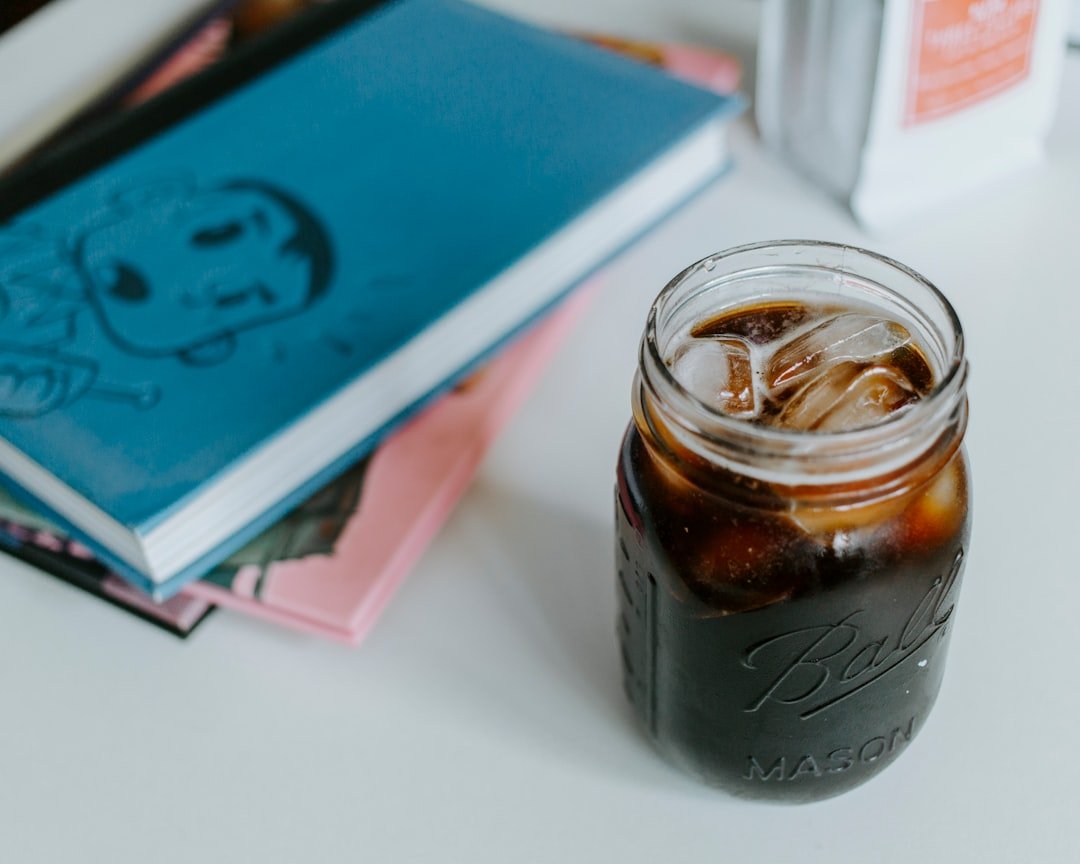
Here’s the summer coffee hill worth dying on: cold french press coffee is probably the best cold coffee setup for most people, and it may already be sitting in the back of your cabinet. Not the shiny cold brew tower. Not the flash-chill hack with seventeen steps. Not the trendy machine that only earns its keep from June to August.
It’s one brewer, multiple uses, no niche summer-only device, and a pretty solid answer if you’ve ever googled “no plastic coffee maker” during a late-night clutter spiral. This is the mildly contrarian take: cold coffee got weirdly overengineered somewhere along the way, and the French press is still absurdly good at making smooth, rich coffee with almost no drama.
Cleanup is easier than most dedicated systems. There are no paper filters and no extra machine with exactly one personality trait. Just decent beans, a coarse grind, time, and the emotional maturity to leave it alone overnight.
And yes, there’s a bigger payoff than the quiet satisfaction of using something you already own. French press cold coffee tends to be rounder, less sharp, and more forgiving than a lot of iced coffee methods. It’s not espresso over ice. It’s not trying to be. It’s the smart middle ground for people who want good cold coffee at home without turning breakfast into a chemistry lab.
Is cold french press coffee actually good?
Yes—cold french press coffee is genuinely good if you use a coarse grind, enough steep time, and a sensible ratio. It makes a smooth, full-bodied, low-acid-style cup that lands closer to classic cold brew than drip coffee poured over ice, with far less hassle than most dedicated cold brew systems.
French press works especially well here because it’s an immersion brewer. Instead of hot water racing through the grounds, coffee and water stay in contact for a long time. That slower extraction tends to bring out body and sweetness while muting the sharper acidity that can make iced coffee taste thin, sour, or vaguely cafeteria-coded.
Cold extraction also changes which flavor compounds show up in the cup. You usually get less of the bright, sparkling acidity that pops in hot coffee and more of the chocolatey, nutty, mellow notes people actually want in a chilled drink. That’s why a French press, which already leans toward body and texture, feels so right for this style.
Bon Appétit’s 2026 testing on cold brew makers used two practical time benchmarks that are useful here: a full 24 hours in the refrigerator and 18 hours at room temperature for their second round of testing. They judged taste based on whether the result was rich and smooth, which is exactly the lane French press cold coffee can own when the ratio and grind are right (Bon Appétit, “Best Cold Brew Coffee Maker for a Smooth Morning Cup”).
If you’re expecting the bright snap of an iced caffe americano, reset expectations a little. An iced caffe americano is espresso plus cold water over ice. It has more immediate aroma, more sparkle up front, and a cleaner, sharper structure. French press cold coffee is softer and heavier. Less tiny Roman bar. More “you did something smart yesterday and now today-you gets rewarded.”
That difference matters because “good” depends on what you want. If your benchmark is espresso over ice, immersion coffee may feel less dramatic. If your benchmark is easy, repeatable cold coffee with strong flavor and low effort, French press is almost suspiciously good.
If you want to compare this method with other chilled styles, this breakdown of cold brew vs iced coffee helps clarify why texture, dilution, and brewing style change the final cup so much.
The real flex is using one brewer for everything
The coolest coffee setup in 2026 is not the most complicated one. It’s the one that actually earns its counter space.
That’s where the French press quietly wins. It’s a multi-format workhorse: hot coffee, cold brew-style immersion, and, in a pinch, even milk frothing if you pump the plunger up and down like someone making deeply specific life choices. It works across seasons, routines, and skill levels. No app. No firmware.
That versatility matters more than gadget aesthetics, especially because so many coffee tools are basically single-purpose props with excellent branding. A dedicated cold brew maker can be nice, sure. But if it only comes out for a few months a year, it starts to feel less like a smart purchase and more like very polite clutter.
Bon Appétit’s 2026 French press review focused on practical things experienced home brewers actually care about: ease of cleaning, low waste, sediment control, and sensible design. They praised presses with wide pitchers that are easier to scrape and clean, and noted that plunger parts that come apart can be washed with simple dish soap and a sponge or brush (Bon Appétit, “The Best French Press Coffee Makers for the Perfect Morning Cup”).
Another useful point from that review: even well-designed mesh systems reduce sediment rather than eliminating it entirely. That’s not a flaw. That’s the French press deal. You trade a perfectly polished cup for more body and texture.
There’s also the “no plastic coffee maker” angle, which more people care about than brands sometimes seem to notice. A lot of French presses come in stainless steel or mostly glass builds, which makes them appealing if you’re trying to reduce plastic contact and avoid proprietary pods, capsules, or brewer-specific inserts.
One sneaky-useful detail: some insulated stainless steel presses may also do a better job limiting overextraction after brewing because of how the filter exposure and vessel design behave while the coffee sits, according to Bon Appétit’s testing. So yes, the brewer’s design can affect not just convenience, but flavor stability too.
Why cold coffee got overcomplicated
Cold coffee should not require the energy of assembling Scandinavian furniture before caffeine.
And yet, scroll for thirty seconds and you’ll find recipes that assume everyone wants a lab experiment before 9 a.m. Tiny scales, specialty drippers, custom ice geometry, vacuum-powered extraction, concentrate math written like a tax form. Precision has its place. Performance art does not need to be involved.
The French press lives in the sweet spot between “I care how this tastes” and “I still have a job.”
- Dedicated cold brew makers: often redundant. Many do what a French press already does—steep coffee in water for a long time—just with more proprietary parts and a stronger social media presence.
- Iced pour-over: delicious when dialed in, but more technique-sensitive. Grind, bloom, pouring pattern, ice ratio, and agitation can shift the result a lot. If that’s your style, this guide to pour-over technique shows why small changes matter.
- Espresso drinks: elite if you own the gear and know how to use it. But espresso machines are expensive, need maintenance, and can become a full hobby before they become a daily convenience.
The Guardian’s 2026 piece on cafetiere coffee quotes connoisseurs saying electronic scales are a non-negotiable, while also acknowledging the role of patience and trial and error (The Guardian Feast, “What’s the secret to great cafetiere coffee?”). Measurement matters. Grind matters. Consistency matters.
But let’s keep perspective. A scale is helpful because it makes coffee repeatable, not because it grants moral superiority. You do not become more interesting by weighing beans to the tenth of a gram. You just become less likely to make muddy coffee three mornings in a row and blame the roast.
The more interesting consumer point is bigger than technique. Daily Coffee News, summarizing the 2026 Coffee Barometer, notes that record-high commodity prices have not fixed the structural problems in coffee, and that much of the value still flows downstream while smallholder farmers and farmworkers remain vulnerable (Daily Coffee News, “Inside the 2026 Coffee Barometer, Part 1: Prices Swing, Structures Don’t”).
That’s a useful reality check. If coffee value is still being captured far from where coffee is grown, buying piles of pointless home gear is not exactly revolutionary. A better posture is using coffee more intentionally: brew well, waste less, buy less nonsense, appreciate the ingredient.

One of the more sustainable choices in coffee can be refusing redundancy. Not because a French press will save the world, but because using one durable tool for multiple brewing styles cuts down on waste, clutter, and that weird consumer instinct to solve every seasonal craving with a new object.
How to make cold french press coffee taste better
Most bad cold coffee is not proof that cold coffee is bad. It’s proof that someone winged the ratio, used stale grounds, left it sitting too long, or poured it over ice and hoped for character development. A few high-impact decisions do almost all the work.
Start coarser than you think
Use a coarse grind. Not powdery. Not “we accidentally made Turkish coffee.” Coarse grounds help limit overextraction and reduce sludge. Bon Appétit’s cold brew testing specifically followed each brewer’s grind recommendation, measurements, and instructions, which matters because a lot of muddy, bitter results come from ignoring the basics and then blaming the method (Bon Appétit, “Best Cold Brew Coffee Maker for a Smooth Morning Cup”).
Finer grounds expose more surface area, which can push extraction in a harsh direction and increase sediment. In a French press, where the filter is mesh rather than paper, that trade-off shows up fast.
Use filtered water if you can
This sounds fussy until you remember coffee is mostly water. If your tap tastes aggressively minerally, metallic, or vaguely like municipal regret, your coffee will too. Bon Appétit used the same whole beans and filtered water in its cold brew tests for consistency.
Improving your water can matter more than chasing exotic beans if your baseline water is rough. Not glamorous. Very effective.
Give it enough time
If you brew in the refrigerator, 24 hours is a solid benchmark. If you brew at room temperature, 18 hours is a practical standard from Bon Appétit’s testing. Those aren’t random numbers. They’re long enough to build sweetness and depth without turning the whole process into a three-day waiting game.
If your brew tastes weak, hollow, or confusingly beige, odds are the steep was too short or the ratio was too timid. Cold extraction asks for patience. It pays you back.
Decant after pressing
Press the plunger slowly, then pour the coffee into another container if you’re not drinking it right away. Leaving brewed coffee sitting on the grounds can keep extraction creeping along, especially over hours, which can flatten flavor and add bitterness.
Bon Appétit’s French press review noted that certain designs helped avoid overextracting coffee while it sat. Useful, yes, but decanting is still the safest move if you want cleaner flavor over time (Bon Appétit, “The Best French Press Coffee Makers for the Perfect Morning Cup”).
Be honest about sediment
French press cold coffee usually has some silt. Bon Appétit explicitly notes that even good filter systems reduce sediment without eliminating it. If that sounds horrifying, remember that texture is also part of why the drink has more body.
If you want less sediment, let the coffee settle for a minute before pouring the final cup, or decant carefully and leave the last bit behind. If you want a perfectly clean cup, use paper filtration or a different method. But you may lose some of the richness that makes French press so satisfying.
Dilution is not cheating
A lot of cold coffee tastes muddy because people brew a concentrate and then forget the second half of the plan, or they brew full-strength and drown it in melting ice. Bon Appétit’s testers tasted cold brew black and diluted with milk, which is a good reminder that cold coffee is often meant to be adjusted after brewing.
Try serving it over ice with a small splash of water first if it tastes too intense. Or milk, if that’s your thing. The goal is balance, not purity politics.
What if you want something else?
If texture and smoothness aren’t your top priorities, another cold coffee style may suit you better:
- Iced caffe americano: espresso plus cold water over ice. Brighter, crisper, more aromatic up front. Best if you want that espresso snap.
- Iced coffee with instant coffee: absolutely valid if speed matters most. Dissolve it properly and it can be decent.
- Cold coffee with instant coffee: same idea, especially useful if you want a fast milk-based drink without brewing equipment.
Yes, you can make a cold drink with instant coffee. It’s convenient. It’s fast. It usually won’t have the same depth or body as immersion-brewed coffee, but not every drink needs to become a referendum on craftsmanship.
What your cold coffee choice says about your priorities
Choosing French press cold coffee is not just choosing a flavor. It’s choosing systems over spectacle.
Every coffee method reflects what you value. Espresso says speed and intensity, plus a willingness to maintain expensive machinery. Pour-over says precision and ritual. Instant says convenience, and honestly, sometimes that is the most emotionally intelligent choice available.
French press cold coffee says something else: one simple tool, used well, is enough.
That mindset feels more relevant now because coffee itself is getting more precious. UNIDO’s 2026 climate-risk framing makes clear that coffee quality and supply stability are increasingly tied to resilience in producing countries. Climate pressures are not abstract future problems; they shape productivity, livelihoods, and what kinds of coffee remain viable over time (UNIDO, “Climate change and coffee livelihoods: New study supported by UNIDO maps risks, challenges, and pathways to resilience”).
Meanwhile, the Coffee Barometer, as reported by Daily Coffee News, argues that price spikes do not magically fix inequity. Producers are still squeezed by rising input costs, climate vulnerability, and structural imbalances in how value moves through the supply chain.
Useful distinction: expensive coffee culture and better coffee systems are not always the same thing. One can create more consumption theater. The other can simply help you waste less attention, less equipment, and fewer beans.
That’s the real point. If coffee is becoming more fragile as a global agricultural product, the answer is not guilt, and it’s definitely not aesthetic panic-buying. It’s better judgment. Brew in ways that are repeatable. Use tools that do more than one job. Pay attention to ratios so you’re not dumping failed batches. Respect the ingredient enough not to turn it into clutter bait.
Maybe the future of better coffee is not more innovation theater. Maybe it’s simpler than that: a humble cafetière, a coarse grind, a little patience, and the kind of taste that makes you wonder why we ever made cold coffee this complicated.
Frequently Asked Questions
What is an iced caffe americano?
An iced caffe americano is espresso combined with cold water and served over ice. It tastes crisper and more aromatic than immersion-brewed cold coffee, with a brighter profile and lighter body.
Can you make iced coffee with instant coffee?
Yes. Iced coffee with instant coffee is fast, cheap, and needs almost no equipment. The trade-off is that it usually has less depth and body than French press cold coffee.
How do you make cold coffee with instant coffee?
Dissolve the instant coffee in a small amount of water first, ideally hot or room temperature, then add cold water or milk and ice. That helps prevent clumps and gives you a smoother drink.
What is an espresso macchiato?
An espresso macchiato is a hot espresso drink topped with a small amount of milk foam. It is not really an iced coffee equivalent, even though search results often blur the distinction.
Sources
- The Best French Press Coffee Makers for the Perfect Morning Cup (2026) — https://www.bonappetit.com/story/best-french-press-review
- Best Cold Brew Coffee Maker for a Smooth Morning Cup (2026) — https://www.bonappetit.com/story/best-cold-brew-coffee-maker
- What’s the secret to great cafetiere coffee? — https://www.theguardian.com/theguardian/feast/2026/jul/07/all
- Inside the 2026 Coffee Barometer, Part 1: Prices Swing, Structures Don’t — https://dailycoffeenews.com/2026/07/02/inside-the-coffee-barometer-part-1-prices-swing-structures-dont/
- Climate change and coffee livelihoods: New study supported by UNIDO maps risks, challenges, and pathways to resilience — https://www.unido.org/news/climate-change-and-coffee-livelihoods-new-study-supported-unido-maps-risks-challenges-and-pathways-resilience
