
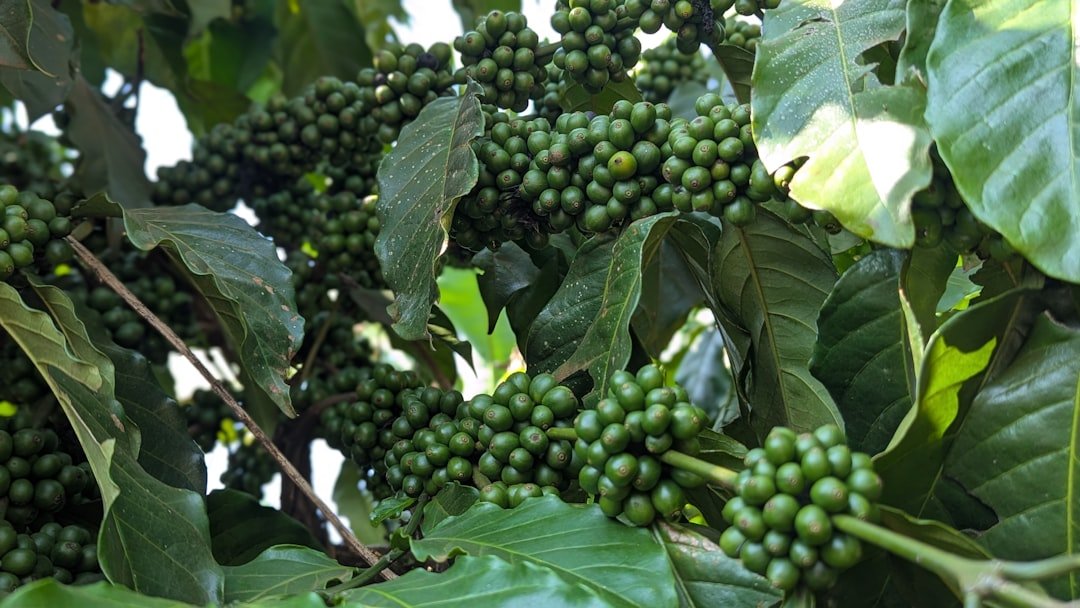
Organic mushroom coffee didn’t take off because everyone suddenly decided fungi sounded delicious before 9 a.m. It’s booming because coffee has become a climate-risk product, and “functional” is a much prettier label than “our supply chain is getting stressed.” That’s the real twist: this category is less about wellness mystique than brands quietly repackaging coffee’s uncertain future.
And this isn’t some tiny niche anymore. Laird Superfood’s 2026 expansion of functional mushroom coffees into Target is a pretty clear sign the trend has left the wellness corner and entered mass retail. Once something lands next to paper towels and toothpaste, it’s mainstream. So the better question isn’t whether mushroom coffee tastes earthy. It’s whether it actually improves sustainability—or just gives a fragile category a nice green halo.
What is organic mushroom coffee, really?
Organic mushroom coffee is usually a blend of coffee and powdered functional mushrooms—often lion’s mane, chaga, cordyceps, or reishi—marketed as a lower-jitter, wellness-forward alternative to regular coffee. Sustainability-wise, it is not automatically better; the impact depends on how the coffee is sourced, how the mushrooms are grown, and how the product is packaged.
That first part matters because plenty of people hear “mushroom coffee” and picture a mug of liquid forest floor. But most products aren’t mushroom-only coffee replacements. They’re still coffee—often instant or ground—blended with mushroom powders or extracts. So if you thought the coffee had quietly slipped out the back door, no. It’s still the base of the drink in most cases.
The organic label matters, but it doesn’t settle the whole argument. Organic certification can tell you something useful about agricultural inputs and production standards. It may mean fewer synthetic pesticides or fertilizers in the farming process. But it doesn’t automatically answer whether farmers were paid fairly, whether ingredients traveled halfway around the world, or whether the packaging will stick around for decades.
That’s one of the sneakier things about this category: it bundles three very current consumer instincts into one scoop. Wellness. Convenience. Climate-aware shopping. If you’re trying to make smarter choices without turning every grocery run into a research project, mushroom coffee slides neatly into that lane.
But here’s the key point: mushroom coffee often gets treated like a sustainability upgrade by default, when really it’s a hybrid product with mixed tradeoffs. A blend can be thoughtfully made, or it can be mostly branding with a dusting of adaptogenic sparkle. Organic helps, but it’s not a moral receipt.
Is organic mushroom coffee actually more sustainable?
Sometimes, but not by default. If a blend uses less coffee per serving, that can reduce pressure on coffee-dependent sourcing, but the sustainability case only holds if the mushrooms are responsibly grown, the coffee comes with credible sourcing commitments, and the packaging avoids unnecessary waste.
On paper, replacing part of a coffee serving with mushroom ingredients can look smart. Coffee is a vulnerable crop. If a product uses less of it, maybe that eases sourcing pressure. Maybe it gives brands more flexibility. Maybe it adds a little resilience to a market already under stress.
But ingredient diversification and actual sustainability are not the same thing. This is where a lot of “better for the planet” claims get a little too breezy. Swapping some coffee for mushrooms may improve resilience for a brand, especially if coffee prices spike or climate events hit harvests. But resilience for a brand is not automatically fairness for farmers.
The 2026 Coffee Barometer makes that tension hard to ignore. According to reporting from Daily Coffee News, even record-high commodity coffee prices haven’t fixed the sector’s deeper sustainability failures. The Barometer argues that certifications, pledges, pilot projects, and glossy sustainability reports have often failed to address the uneven value distribution at the heart of the trade. In other words: plenty of language, not enough structural repair.
That’s a useful lens for reading mushroom coffee. If a company reduces the amount of coffee in a product, does that lower environmental pressure while still supporting the people growing coffee? Maybe. Or maybe it just reduces reliance on a volatile ingredient while leaving the old inequities mostly untouched.
And here’s the slightly unsexy truth that deserves more airtime: the greenest part of a mushroom coffee product may not be the mushroom at all. It may be the boring stuff people skip—packaging format, transport efficiency, serving concentration, shelf stability, and whether the coffee portion is sourced through real long-term commitments instead of vibes and a leaf icon.
Less cinematic than “ancient functional fungi for focus and calm,” sure. But sustainability usually lives in the details, not the mood board. If you want a broader framework for judging climate impacts in your daily cup, see how coffee’s carbon footprint adds up step by step.
The uncomfortable truth: coffee is under pressure
If mushroom coffee feels like a clever new category, that’s because it is—but also because regular coffee is under real climate stress. According to FoodNavigator-USA, temperatures above 30°C are harmful to arabica, the world’s dominant coffee species. Even more sobering: Climate Central found that major coffee-producing countries experienced 57 more days of coffee-harming heat on average between 2021 and 2025.
That number should make any daily coffee drinker pause for one espresso-length moment.
Coffee has always felt permanent, almost emotionally guaranteed. You assume there will be beans. You assume your morning ritual survives history. But agriculture is not sentimental, and coffee is a particularly sensitive crop. Heat, hail, floods, and irregular rainfall stack up fast.
FoodNavigator-USA points out that Brazil, Vietnam, Colombia, Ethiopia, and Indonesia account for 75% of global coffee production. Those aren’t fringe origins. They’re the beating heart of the global supply. So when those regions see more coffee-harming heat, this isn’t a niche problem for agronomists. It’s a category-wide warning light.
Zoom out one level and the pattern gets even clearer. FoodNavigator reported that climate disruption, logistics challenges, and geopolitical tensions are pushing food manufacturers to explore alternative ingredients across the board. Coffee isn’t alone. Brands are experimenting with substitutes, blends, and resilience plays because dependence on a handful of vulnerable crops is starting to look less like efficiency and more like a gamble.
That makes mushroom coffee easier to read. It’s not only a wellness product. It’s also a risk-management product.
If a brand can reduce its dependence on pure coffee while marketing that shift as innovation, functionality, and lifestyle, that’s a tidy business move. Add some organic language, a clean design, and a few references to focus and calm, and suddenly supply-chain adaptation starts looking like self-care.
The 2026 Coffee Barometer sharpens the point. Even with high commodity prices, coffee producers remain squeezed by thin margins, rising input costs, and climate vulnerability. So while consumers may see a trendy blend, the backdrop is a crop under pressure and an industry that still hasn’t solved its structural problems.
That’s the part many labels skip. Mushroom coffee isn’t appearing in a vacuum. It’s showing up in a market where coffee itself is getting harder to source, harder to stabilize, and harder to sustain fairly. For a related look at farming systems that support resilience, read how shade-grown coffee boosts biodiversity and flavor.
Packaging and pods: where the eco claim gets real fast
This is where the conversation stops being abstract and gets very practical: packaging. If a mushroom coffee brand spends half its homepage talking about adaptogens, mindfulness, and planet-friendly ingredients but sells everything in hard-to-recycle single-serve plastic, the sustainability story gets shaky fast.
Because you don’t throw the wellness copy in the trash. You throw the packaging in the trash.
That’s why format matters. A July 2026 BevNET report on commercially compostable coffee pods is a useful sign that convenient coffee systems are finally being pushed toward lower-impact materials. Not perfect. Not magic. Not a free pass to stop thinking. But materially better than business-as-usual plastic.

A lot of people searching for eco friendly coffee machines, eco friendly coffee makers, environmentally friendly coffee machines, or environmentally friendly coffee makers aren’t looking for some saintly appliance with a bamboo soul. They’re asking a much more normal question: how do I make coffee at home with less waste and less nonsense?
The answer usually has less to do with aesthetics than with systems.
The most sustainable machine is often the one you already own and keep using well. Not the sexiest answer if you wanted a shopping excuse, but true. Replacing a perfectly functional brewer every year because a newer one looks greener is a little like buying a new reusable tote every week. The math gets weird quickly.
Lower-waste coffee setups depend on the full picture:
- How long the machine lasts
- How much energy it uses
- Whether it can be cleaned and maintained easily
- Whether parts can be repaired or replaced
- What kind of coffee format it uses
- And what happens to that format after brewing
Convenience isn’t the villain. Bad materials are. Short product lifespans are. Wasteful design is. If single-serve works for your schedule, the smarter question is whether the pods are made from lower-impact materials and whether there’s a realistic disposal path. If you brew by batch, then dose waste, filter waste, and machine longevity matter more.
This is also why sustainability-minded coffee drinkers have started paying closer attention to compostable pod innovation. The category is finally being forced to answer a question it dodged for too long: can convenience stop relying on plastic and aluminum as the default setting? If you want a deeper comparison, explore the real impact of compostable coffee pods vs aluminum pods.
If your morning setup is easy, consistent, and lower waste, you’re much more likely to stick with it. And habits—not guilt—are what actually change outcomes.
The buyer’s filter: how to judge mushroom coffee without falling for the halo
If you want a cleaner way to judge mushroom coffee, you need a filter sharper than “organic = good.”
What percentage of the blend is actually coffee vs. mushroom extract?
This is important and often under-explained. Some products are mostly coffee with a little mushroom powder sprinkled in for branding and function claims. Others lean much harder into the mushroom side. If the ratio is fuzzy, ask why.
Is the coffee origin disclosed?
Not every product needs a romantic novella about the farm, but some transparency matters. If coffee is a meaningful ingredient, the sourcing story should be more specific than “crafted for wellness.”
Are the mushrooms named specifically and explained?
Lion’s mane, chaga, cordyceps, and reishi aren’t interchangeable vibes. If a label just says “functional mushrooms” without clarifying type or purpose, that’s a little suspicious. Not criminal. Just incomplete.
What is the packaging made from?
This is the big one people skip because ingredients feel more virtuous than materials. But packaging may be the most immediate part of the product’s environmental impact that you actually touch. Sachets, tubs, pods, liners, scoops—what happens to all of it?
This is where buzzword stacking becomes a problem. A label can say “organic,” “functional,” “adaptogenic,” and “sustainable” all at once without answering the most basic impact question. Those words aren’t fake by definition. They’re just incomplete.
And for plenty of young professionals, the switch to mushroom blends isn’t really about sustainability anyway. It’s about habit and feel. If regular coffee hits too hard, feels too intense, or turns your inbox into a live percussion performance, a blend might genuinely suit you better.
But if you’re switching for sustainability alone, you have to inspect the full system, not just the ingredient list. What’s in it, where it came from, how it ships, how it’s packed, and how you brew it all matter.
Organic mushroom coffee may be the future of a certain kind of consumer beverage—but it is not a moral shortcut.
Eco friendly coffee machines and makers: what actually matters?
Eco friendly coffee machines and eco friendly coffee makers are brewers chosen for lower waste, lower energy use, longer lifespan, and compatibility with recyclable or compostable formats. What matters most is durability, repairability, and whether the system reduces total waste over years of daily use.
What are eco friendly coffee machines?
Eco friendly coffee machines are brewers designed or chosen for lower waste, lower energy use, longer lifespan, and compatibility with recyclable or compostable coffee formats. The point isn’t green branding. It’s reducing the total impact of how you make coffee at home over time.
That means a machine gets points for durability, efficient heating, easy maintenance, and not locking you into waste-heavy consumables. A machine can look sleek and still be environmentally mediocre. A less flashy one that lasts for years and works with lower-impact formats may be the smarter pick.
One small but useful insight: a machine’s sustainability is partly behavioral. If it helps you brew consistently, avoid coffee waste, and skip disposable café cups, that counts too.
What makes eco friendly coffee makers different from regular ones?
Eco friendly coffee makers stand out because they prioritize durability, repairability, efficient brewing, and reduced disposable waste rather than just slapping green language on the box. The difference is usually in materials, lifespan, energy performance, and the brewing system they support—not whether they’re painted sage green.
This matters because plenty of “green” appliances are mostly aesthetic storytelling. A genuinely lower-impact brewer should be built to last, easy to descale and maintain, and compatible with formats that don’t create piles of hard-to-process waste.
The secret is almost annoyingly practical: boring reliability beats trendy eco cosmetics.
Are environmentally friendly coffee machines worth it?
Yes, environmentally friendly coffee machines are worth it if they last longer, waste less, and fit the way you actually make coffee. No, they’re not worth it if buying one means replacing a perfectly functional machine purely for optics.
That second part matters. Sustainability is not a shopping personality. If your current machine works well and doesn’t lock you into excessive waste, keeping it may be the greener move. If you’re buying new anyway, then it makes sense to compare repairability, energy use, coffee format, and material waste.
A machine earns its environmental case over years, not in the unboxing video.
How do I choose environmentally friendly coffee makers for home?
Choose environmentally friendly coffee makers by looking at the whole brewing setup: machine lifespan, maintenance needs, energy efficiency, coffee format, and disposal of any pods, filters, or packaging. The best option is usually the one that combines lower waste with a routine you’ll actually keep using.
Ask simple questions:
- Will this machine last, or am I replacing it soon?
- Can I clean and descale it easily?
- Does it rely on waste-heavy consumables?
- If it uses pods, are they recyclable or compostable in a real-world way?
- Does this setup reduce waste compared with my current habit?
That last question matters more than trend-chasing. An environmentally friendly coffee maker only helps if it fits your life. Otherwise it becomes another expensive countertop monument to good intentions.
Conclusion: the mushroom isn’t the whole story
Organic mushroom coffee is interesting not because it’s magically cleaner, but because it reveals what modern coffee drinkers now expect from one cup: function, convenience, and a plausible climate story. That’s the real shift. People don’t just want caffeine anymore. They want a beverage that feels smart, current, and not oblivious to what’s happening in agriculture.
Whether a mushroom blend actually delivers on sustainability depends on much less glamorous stuff than the branding usually suggests. Sourcing structure. Packaging choices. Brewing format. Material waste. Machine longevity. The systems behind the sip.
That might sound less romantic than a canister promising focus, calm, immunity, and planetary virtue before breakfast. But honestly, it’s more useful.
So next time a product promises wellness and planet-friendliness in the same breath, flip it over. Ask the unsexy question: what exactly is this made of, and what happens after I drink it?
The future of coffee may include mushrooms. Buying better still requires a brain.
Frequently Asked Questions
What are eco friendly coffee machines?
Eco friendly coffee machines are brewers built or chosen for lower waste, lower energy use, and longer lifespan. The best ones also work with recyclable or compostable formats and help reduce daily coffee waste over time.
What makes eco friendly coffee makers different from regular ones?
Eco friendly coffee makers focus on durability, repairability, and lower-waste brewing systems rather than just green marketing. The real difference is usually in lifespan, maintenance, and the type of consumables they require.
Are environmentally friendly coffee machines worth it?
They can be worth it if they last longer, waste less, and fit your actual routine. But replacing a perfectly good machine just for greener branding is usually not the most sustainable move.
How do I choose environmentally friendly coffee makers for home?
Look at machine lifespan, repairability, energy use, and whether it relies on waste-heavy pods or filters. The best choice is the setup that reduces waste and is realistic for your daily habits.
Sources
- Laird Superfood Expands Product Line at Target to Include Functional Mushroom Coffees — https://www.bevnet.com/pr/2026/06/17/laird-superfood-expands-product-line-at-target-to-include-functional-mushroom-coffees
- How Climate Change Is Reshaping Ingredients — https://www.foodnavigator.com/Article/2026/07/06/how-climate-change-is-reshaping-ingredients/
- Inside the 2026 Coffee Barometer, Part 1: Prices Swing, Structures Don't — https://dailycoffeenews.com/2026/07/02/inside-the-coffee-barometer-part-1-prices-swing-structures-dont/
- Single Cup Coffee Launches Commercially Compostable Coffee Pods As Plastic-Free July Kicks Off — https://www.bevnet.com/pr/2026/07/14/single-cup-coffee-launches-commercially-compostable-coffee-pods-as-plasticfree-july-kicks-off
- Can coffee weather the storm? — https://www.foodnavigator-usa.com/Article/2026/05/13/coffee-and-climate-change/
