
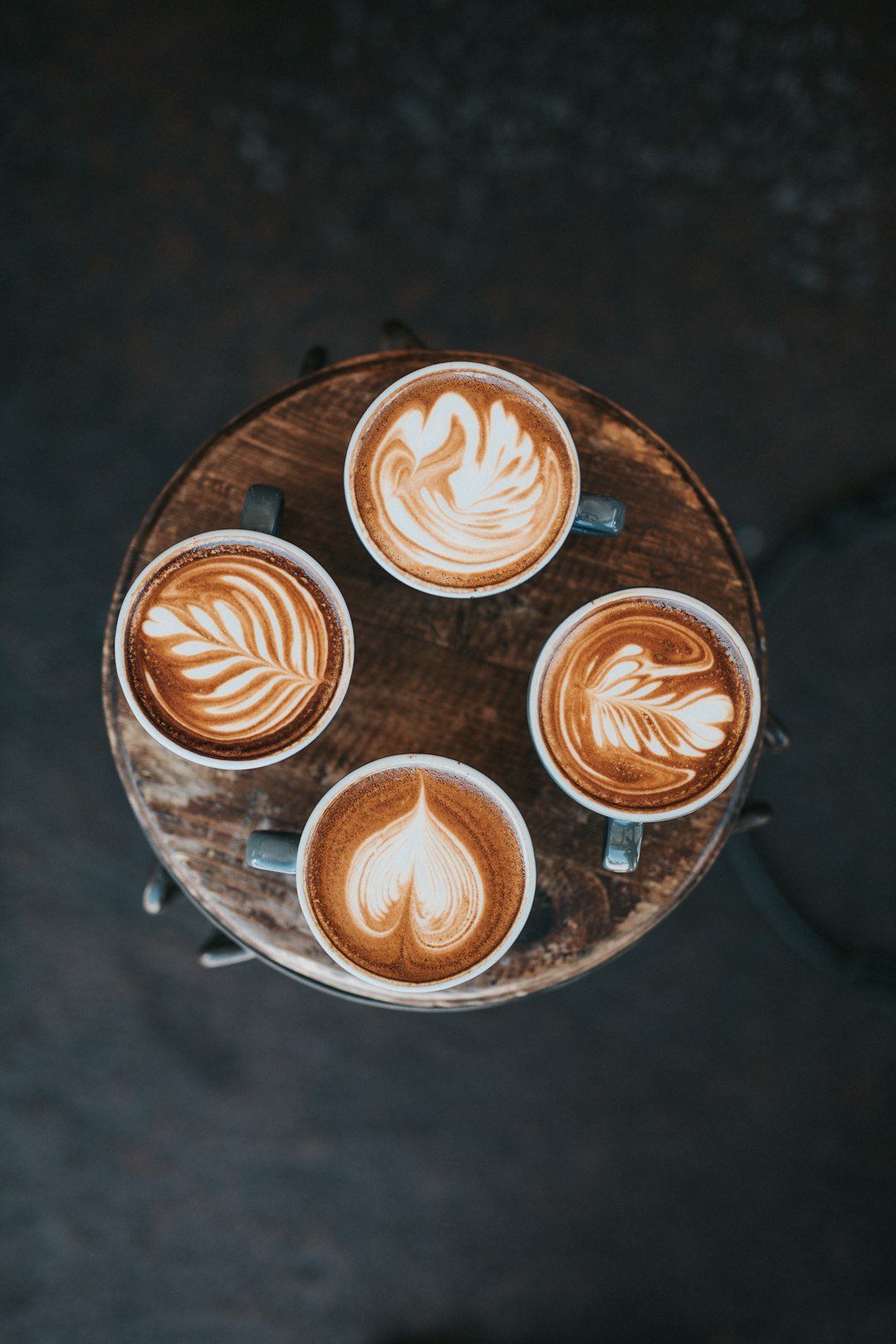
Espresso culture still runs coffee. The menu gives it away.
You can see it in the gap between a 20-second stop at an Italian bar and a $7 shaken brown sugar espresso made for lingering over, getting filmed from three angles, then customized until a Roman barista quietly grips the portafilter a little tighter.
Different drinks, same engine.
Everything starts with the same little idea: a concentrated shot with enough backbone to carry milk, sugar, ice, foam, extra flavor, plus whatever mood you woke up in. That’s why espresso culture still has such a grip on how people order, even as drinks get colder, taller, with a suspicious tendency to drift into dessert.
In Italy, espresso al banco means standing at the bar, trading a few words with the barista, knocking back your coffee, then getting on with your life. Meanwhile, The Guardian reported on October 4, 2026 that Costa’s return to profit was helped by iced drinks and matcha. Bon Appétit noted on October 5, 2026 that home espresso machines now start around $500 and climb into the thousands. Different scenes. Same shot calling the shots.
What is espresso culture?
Espresso culture is the set of habits, social rules, and drink styles built around the espresso shot as the center of coffee life. It includes fast bar service, time-of-day customs, milk boundaries, home machine rituals, and modern drinks like cold espresso or shaken espresso that still depend on the same concentrated base.
Espresso culture has rules. Some are written down. Most arrive via a raised eyebrow and a polished steel counter.
In Italy, coffee fits into the day with almost rude efficiency. Cappuccino is for the morning. Order one after about 11 a.m. and nobody is going to confiscate it, but you may get that very Italian look that says, kindly, “you sure?” Later, especially after lunch, many Italians switch to espresso. Milk belongs to breakfast. Espresso lands like a clean full stop. For more on that ritual logic, see why Italians never order cappuccino after 11am.
The tiny cup makes sense once you see the rhythm in person. You stand at the counter, drink quickly, nod at the barista, catch half a conversation from the person next to you, and disappear back into real life. The pause is short, so the coffee is short. Cafés have worked like this for more than a century, which is why the rules feel practical instead of precious. It’s traffic control with crema.
That rhythm also explains why espresso culture still feels so modern. If your morning already includes Slack pings, train delays, plus one meeting that absolutely could have been an email, a morning ritual coffee with some structure starts to look very appealing. You do not need a scale, a gooseneck kettle, or twelve meditative minutes before 9 a.m. Sometimes ritual is one thing, at one time, every day. Very Italian. Very sane.
Compare that with Kathmandu Valley, where Fresh Cup reported on September 9, 2026 that there are more than 700 cafés. That all-day café model works for tourists, locals, plus the digital nomads who want to stay put for a while. Fair enough. Espresso culture assumes coffee should fit around life. A lot of modern café culture asks life to wait by the window table until your second drink arrives.
And then there’s home. Bon Appétit’s October 5, 2026 piece on automatic espresso machines put entry prices at about $500, with higher-end models stretching into the thousands. People do not spend that kind of money for a passing phase. They spend it because espresso still feels like the center of gravity, even when the ritual happens in socks at your kitchen counter instead of standing three deep at a bar in Bologna.
The menu changed, but espresso still sets the pace
Order a cold espresso, a tiramisu coffee, or a shaken brown sugar espresso and you are still living inside espresso culture. The extras changed. The base stayed put.
The market has clearly drifted toward bigger cold drinks. The Guardian’s October 4, 2026 report tied Costa’s recovery to iced drinks and matcha, which tells you plenty about where demand is headed. Look at the menu language for five seconds and the pattern is obvious. Chains and independents keep using espresso as the premium center of gravity. Iced lattes, shaken espresso drinks, dessert coffees: they all borrow the status of the shot, even when the final cup has very little to do with a quick coffee at a bar in Bologna.
Some operators are trying to replace that shot more efficiently. Fresh Cup reported on October 2, 2026 that businesses are using cold brew concentrate instead of pulled espresso for faster service, more consistent results, and less equipment strain. One example in the piece was Creature Coffee Co, which runs mobile carts in Austin, Phoenix, Seattle, and beyond, serving events that range from a few dozen guests to several hundred. In that setting, every second counts. You cannot dial in shots while 200 conference attendees suddenly decide they all need iced vanilla something before the keynote.
That workaround says plenty on its own. If cafés are building substitutes to do the same job espresso does in milk drinks, espresso is still the benchmark. Even when someone tries to dodge the machine, they are still chasing the role the shot plays. If you want a broader look at how espresso-based cold drinks diverge, Cold Brew vs Iced Coffee: Why They’re Different helps clarify the split.
Then there’s the fun part: menus with an actual point of view. In San Jose, Daily Coffee News reported on September 16, 2026 that Hijau Coffee translates Indonesian flavors into espresso-bar drinks like the Klepon Latte and Nastar Latte. Good. Coffee does not need to become solemn to be taken seriously. A tiramisu coffee can be playful and still well built. A shaken brown sugar espresso can be sweet and still taste like coffee. Espresso gives those drinks structure and enough bitterness to stop the whole thing from tasting like a candle from a very ambitious home store.
Cold espresso fits here too. It may look like a modern concession to weather, Instagram, or both, but the logic is old-school. Pull something strong first. Build around it after. Italians have always cared about the coffee holding its shape in the cup. The cup just got taller.

FAQ: the espresso-culture questions people actually ask
What is cold espresso?
Cold espresso usually means espresso served over ice or chilled for an iced drink. It is different from cold brew, which extracts over hours instead of seconds. That distinction matters, especially since Fresh Cup’s October 2, 2026 report showed some operators using cold brew concentrate in drinks that traditionally rely on espresso.
What is tiramisu coffee?
Tiramisu coffee is a drink inspired by the dessert’s flavors: espresso, cocoa, sweetness, often with a mascarpone-style cream element. It is café creativity, not traditional Italian bar coffee. Delicious? Often yes. Standard morning order in Milan? Absolutely not.
What is a shaken brown sugar espresso?
A shaken brown sugar espresso is espresso shaken with ice and brown sugar syrup, often finished with milk. Shaking aerates the drink, rounds the edges, and lets the espresso flavor stay present. That texture is the whole trick.
What is morning ritual coffee in an Italian sense?
Morning ritual coffee usually means a repeatable coffee tied to time and habit. Think cappuccino in the morning, espresso later in the day. It is specific and routine, not elaborate.
How does Vietnamese coffee culture compare?
Vietnamese coffee culture also has strong rituals and social codes, but the pace is different. Italian espresso culture prizes speed and bar rhythm. Vietnamese coffee culture often leaves more room for slower prep, longer table time, and drinks built with condensed milk.
Every coffee trend eventually reaches for espresso’s intensity, status, or timing. So when someone hands you an oversized iced drink with cold foam, syrup, and a name long enough to need two stickers, you are still in espresso culture. The costume changed. The lead actor did not.
Frequently Asked Questions
What is cold espresso?
Cold espresso is espresso served over ice or chilled before being used in a cold drink. Unlike cold brew, it is extracted quickly under pressure, so the flavor stays sharper and more concentrated.
What is tiramisu coffee?
Tiramisu coffee is an espresso-based drink inspired by the dessert, usually combining coffee, cocoa, sweetness, and a creamy topping. It is a modern café creation rather than a standard Italian bar order.
What is a shaken brown sugar espresso?
A shaken brown sugar espresso mixes espresso with ice and brown sugar syrup, often with milk added after shaking. The shaking chills and aerates the drink, helping the espresso stay lively instead of getting lost.
What does morning ritual coffee mean in espresso culture?
Morning ritual coffee means a repeatable daily coffee habit tied to time and routine. In the Italian model, that often means milk drinks in the morning and straight espresso later in the day.
Sources
- Why These Coffee Businesses Are Replacing Espresso With Cold Brew — https://freshcup.com/why-these-coffee-businesses-are-replacing-espresso-with-cold-brew/
- Nepal’s Coffee Shops Are Rewriting the Community Hub Model — https://freshcup.com/nepals-coffee-shops-are-rewriting-the-community-hub-model/
- Hijau Coffee Brings the Flavors of Indonesia to San Jose — https://dailycoffeenews.com/2026/09/16/hijau-coffee-brings-the-flavors-of-indonesia-to-san-jose/
- Costa’s coffee shops return to profit with iced drinks and matcha on the menu — https://www.theguardian.com/business/2026/oct/04/costas-coffee-shops-return-to-profit-with-iced-drinks-and-matcha-on-the-menu
- The Best Automatic Espresso Machines for the Easiest Morning Latte — https://www.bonappetit.com/story/best-automatic-espresso-machines
