
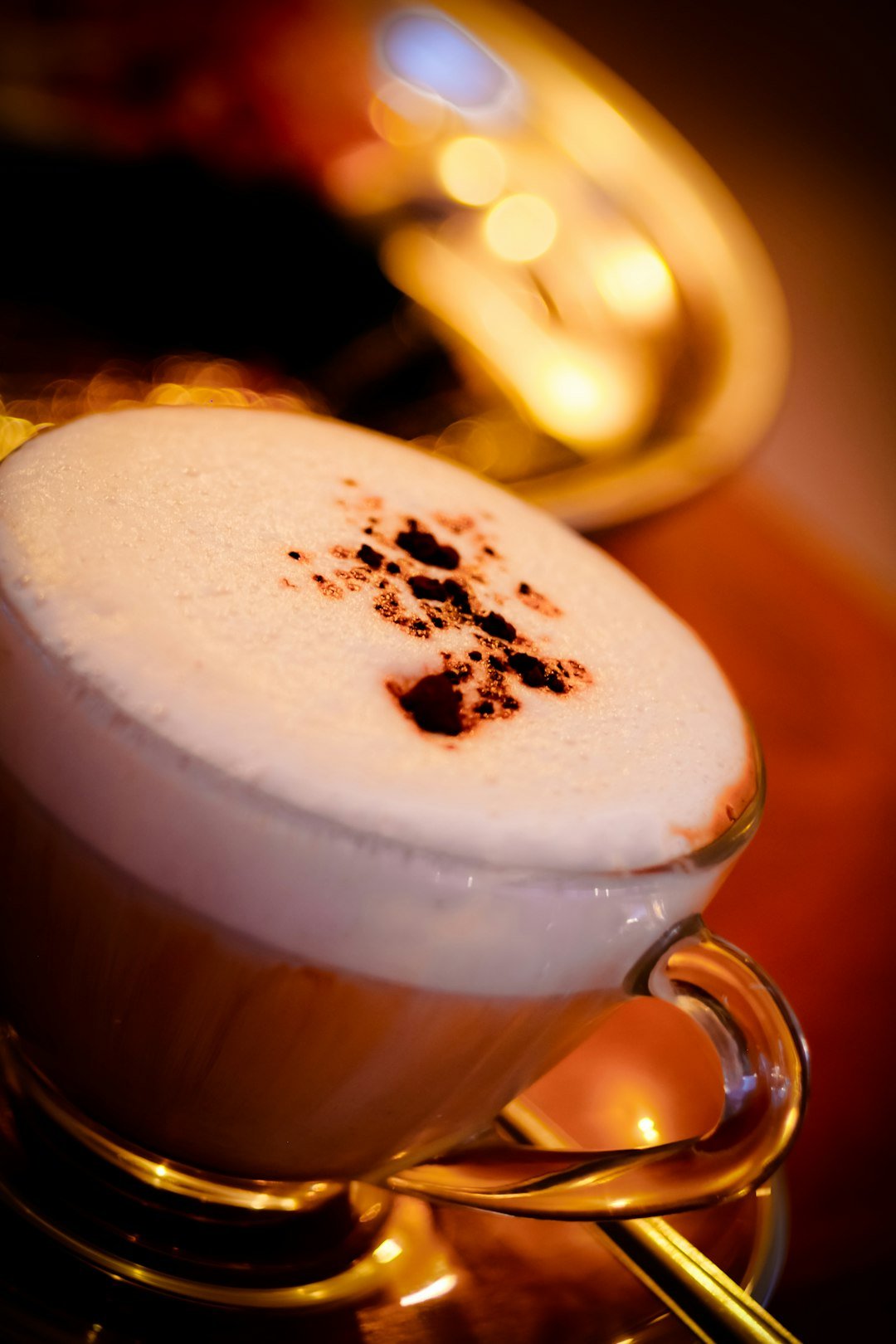
Freddo cappuccino sounds extremely Italian. It isn’t. That is exactly why the drink matters: it reveals how espresso language can travel, change, and become something culturally different once it leaves the strict rules of classic bar service.
More than most café drinks, freddo cappuccino shows the gap between Italian coffee vocabulary and Mediterranean coffee habits. Italy gave Europe espresso discipline: short, hot, precise, and often consumed quickly at the bar. Greece took that espresso logic into summer and turned it into a slower ritual built for heat, conversation, takeaway cups, and long urban afternoons.
That shift says something bigger about how people live. In classic italian coffee culture, drinks are sorted by time, temperature, and purpose. In Greece, coffee can stay with you longer. It can stretch across work, gossip, flirting, scrolling, or simply sitting still for once. Same espresso family, very different personality.
If you have ever wondered why a drink with such an Italian name feels spiritually non-Italian, that is the point. It had to leave Italy to become fully itself.
What is a freddo cappuccino?
A freddo cappuccino is a Greek cold coffee made with chilled espresso and topped with thick cold milk foam. It keeps espresso at the center, unlike an iced latte, and it is designed for warm weather, slower sipping, and café culture that lasts longer than a quick stop at the bar.
The structure is simple but not basic. Espresso is brewed, cooled quickly over ice, then finished with cold-frothed milk foam. Not a flood of milk, and not a milkshake. Foam. That distinction matters because it changes both texture and flavor. You still taste the espresso clearly, while the milk softens the edges without smothering the drink.
This is also where the confusion starts. The name sounds almost comically Italian: freddo means “cold” in Italian, and cappuccino is cappuccino. But the drink itself is Greek in origin and identity. According to THE BARN, freddo cappuccino developed from Greece’s cold coffee habits after espresso machines became widespread in Greek cafés in the 1990s. Baristas wanted the refreshment of older iced drinks, but with espresso’s depth and sweetness instead of instant-coffee character.
It is also not the same as a frappé. The Greek frappé has its own place in coffee history, but it comes from instant coffee and delivers a different texture, flavor, and mood. Freddo cappuccino is espresso-based. Different base, different intention, different result.
It is not cold brew either. Cold brew is extracted cold and usually tastes smoother and mellower. Freddo cappuccino starts with espresso, so it keeps that concentrated aromatic snap. If you want a broader comparison of chilled coffee styles, see cold brew vs iced coffee.
THE BARN also notes that cafés have embraced freddo cappuccino as a seasonal specialty because, with the right espresso and technique, it can stay refreshing without giving up flavor clarity. That is the key. This is not just coffee made cold. It is espresso adapted intelligently.
That is the fun twist: a cold drink can reveal coffee quality more clearly, not less. Bad espresso hides behind milk and sugar. Good espresso survives the chill.
Why does freddo cappuccino sound Italian but come from Greece?
Freddo cappuccino sounds Italian because both words are Italian, but the drink itself is Greek because it was developed in Greek cafés to suit local habits, hot weather, and a slower social coffee culture. The name comes from espresso vocabulary; the ritual comes from Greece.
That split between language and lifestyle is what makes the drink so interesting. Italy exported espresso terms and techniques across Europe, but Greece gave those tools a different rhythm. Instead of preserving the strict hot, fast, bar-side logic of classic espresso service, Greek café culture stretched coffee into something colder, longer, and more social.
It is a useful reminder that coffee identity is not only about ingredients. It is also about when a drink is consumed, how long it lasts, whether people stand or sit, and what kind of day the drink is meant to fit.
Freddo cappuccino and espresso culture beyond the Italian bar
Classic espresso culture, especially the Italian version, was built for speed, heat, and precision. You walk in, order, drink, maybe exchange a few words, and move on. The espresso bar is social, but it is not always built for lingering. It is choreography: fast, elegant, and slightly uncompromising.
That structure is brilliant. It is also very specific.
Greece took espresso somewhere else. In Thessaloniki, My Greece Tours describes café life as slower and more social, with the café acting as the “shared front room” of the city. That phrase explains the whole difference. A front room is not a pit stop. It is a place to stay.
To Vima adds scale to the story: freddo espresso and freddo cappuccino together are estimated to make up 70–80% of all cold coffee beverages consumed in Greece, according to Panagiotis Konstantinopoulos of Coffee Island. That is not a niche trend. It is a dominant national habit.
The reason is not that Greece rejected espresso culture. It adapted it to real life in hot cities. You still get espresso intensity, but in a format that survives summer. You still get café credibility, but also portability. You still get ritual, but not one limited to a five-minute break and a marble counter.
To Vima specifically ties the rise of freddo drinks to Greece’s on-the-go coffee culture, takeaway cups, lids, straws, and delivery kiosks. In other words, the drink won because it fit modern urban behavior.
That is the real cultural takeaway. Not every old coffee rule deserves to stay in charge forever just because it looks elegant. Italy perfected espresso as punctuation. Greece turned it into a sentence you can live inside.
That broader shift also connects to how coffee rituals keep changing across cities and lifestyles. For another angle on how café habits evolve with daily life, see why the coffee shop experience matters in digital life.
Why didn’t Italy make freddo cappuccino famous first?
Italy did not make freddo cappuccino famous first because Italian coffee culture and Greek coffee culture have historically asked coffee to do different jobs. In Italy, cappuccino is usually a morning drink and espresso is the later reset. In Greece, coffee more easily becomes a long companion for the day.
Italian coffee culture tends to sort drinks by time, function, and even bodily logic. Cappuccino is breakfast-adjacent. Espresso takes over later. Milk-heavy drinks belong earlier in the day, while straight espresso owns the rest of the schedule. The famous rule about not ordering cappuccino after late morning may be bent now and then, but it still reflects a real cultural pattern.
The rule is not random. It reflects how Italians classify drinks according to digestion, appetite, and rhythm. A cappuccino is not just coffee with milk. It belongs to the soft opening of the day: pastry, newspaper, quick conversation, then on with life.
So where does a cold, foamy, milk-topped espresso fit into that system? A little awkwardly.
Freddo cappuccino flourished outside Italy because it ignores boundaries that classic Italian etiquette usually keeps tidy: hot versus cold, breakfast drink versus later drink, quick stop versus long sit. Italy has cold coffee drinks, of course, but traditional bar culture gave less prestige to this particular combination of milk, cold service, and extended sipping.
That is why the name is such a good fake-out. Freddo is Italian. Cappuccino is Italian. The vocabulary is pure italian coffee. But the format behaves like Greek café life.
There is also a climate-and-habit reality here. Italian bar culture developed around compression. Greek café culture, especially in warmer months, gave cold coffee room to become social furniture. If Italy perfected the espresso punctuation mark, Greece wrote the long summer paragraph.
If you want to understand the stricter side of those Italian habits, why Italians never order cappuccino after 11am offers helpful context.
Freddo cappuccino vs iced latte
An iced latte often turns espresso into background flavor, while freddo cappuccino keeps espresso more prominent by using cold foam instead of a large pour of milk. The result is a drink that tastes sharper, more layered, and more clearly coffee-led.
An iced latte is not a bad drink. It is approachable and often exactly what someone wants. But it can become so milk-forward that the espresso feels more like a requirement than the main event. Add lots of ice, syrup, or a naturally sweet milk alternative, and the drink can drift toward atmosphere over definition.
Freddo cappuccino is built differently. The espresso is chilled quickly, which helps preserve brightness and gives the drink a clean, sharp opening. The cold milk foam sits on top, softening bitterness and adding creaminess without flooding the cup with liquid milk. That means the drink changes as you sip. You get foam first, then espresso, then the two begin to merge.
THE BARN makes the point clearly: specialty cafés value the drink because it delivers refreshment without giving up flavor. Cold does not have to mean diluted, and smooth does not have to mean sleepy.
There is also an important textural difference. Cold foam in a freddo cappuccino is not dessert topping. It creates contrast. You get softness and structure at the same time.
And no, this is not basically tiramisu coffee. That search term makes sense because people love creamy espresso drinks with dessert energy, but freddo cappuccino is not trying to be cake in a cup. It is much closer to espresso with style than to a sweet treat.

One useful side-by-side view makes the differences clearer:
- Freddo cappuccino: espresso-forward, cold foam, crisp and layered
- Iced latte: milk-forward, smoother, often softer and less defined
- Frappé: instant coffee roots, frothy, nostalgic, and more old-school Greek summer energy
Because the milk in a freddo cappuccino is mostly foam rather than a large liquid pour, the drink can feel lighter than an iced latte even when it tastes creamier at the top.
What freddo cappuccino says about morning ritual coffee now
Younger professionals do not want to choose between ritual and convenience anymore. They want both. That is part of why freddo cappuccino feels so current: it keeps the ceremony of espresso while fitting a day shaped by commuting, remote work, heat, and constant movement.
You still need real espresso. You still need technique. You still need care in the build. But the result works at home, on the move, in a café, at a desk, on a balcony, or mid-walk through a city that is too hot for old coffee purism.
Efimerida ton Syntakton’s coverage of Nespresso’s Athens freddo campaign gets at this nicely. Even stripped of marketing language, the article presents freddo as a shareable pause tied to a real Greek habit: meeting friends, exchanging news, and enjoying time together during the day. Coffee is being sold through lifestyle because the lifestyle already exists.
That tells us something important about modern espresso culture. It is no longer only a local habit. It is also an exportable identity. Coffee now has to look good, travel well, work in multiple contexts, and still feel authentic enough that people do not dismiss it as branding.
Freddo cappuccino succeeds better than many trendier drinks because it has a real cultural spine. It did not come from product brainstorming. It came from climate, habit, café life, and a genuine attempt to make espresso fit the day differently.
That also makes it interesting as morning ritual coffee. Traditionally, rituals are tied to a specific hour. But for many people now, ritual is less about the clock and more about repeatable pleasure: a small act of control, taste, and pause in a crowded day. A freddo cappuccino at 2 p.m. can function as ritual just as well as a cappuccino at 8 a.m. if it reliably gives you focus and a little breathing room.
That does not mean every cold coffee is sacred. It just means the category of ritual has expanded.
The best version of this drink still depends on quality espresso and competent technique, not just Mediterranean aesthetics. A pretty glass and a sunny balcony cannot rescue weak coffee. If the espresso is stale, thin, or harsh, the cold format will expose it quickly. In that sense, freddo cappuccino is stricter than it looks.
Maybe that is why it resonates. Relaxed, but not lazy. Social, but not unserious. Stylish, but still built on craft.
Frequently Asked Questions
What is freddo cappuccino?
Freddo cappuccino is a Greek cold espresso drink made with chilled espresso and topped with thick cold milk foam. It is more espresso-forward than an iced latte and designed for warm weather and slower sipping.
How is freddo cappuccino different from iced latte?
The main difference is balance. An iced latte uses more liquid milk, while freddo cappuccino keeps espresso more prominent and adds cold foam for creaminess without muting the coffee.
What does freddo mean in italian coffee?
Freddo means “cold” in Italian. In this drink, the word describes the cold espresso format, even though freddo cappuccino itself is Greek in origin and café identity.
Is freddo cappuccino part of espresso culture?
Yes. It belongs to modern espresso culture because it starts with espresso and depends on espresso quality, but it expresses that culture through cold service, longer sipping, and more flexible daily use.
Sources
- Η Αθήνα πρωταγωνιστεί στη νέα καμπάνια της Nespresso — https://www.efsyn.gr/oikonomia/1434225/i-athina-protagonistei-sti-nea-kampania-tis-nespresso
- Freddo Cappuccino: Greece's Summer Coffee Classic — https://thebarn.de/blogs/the-barn-blog/freddo-cappuccino
- Thessaloniki Coffee Culture: Freddo, Frappé & Greek Coffee — https://mygreecetours.org/thessaloniki-coffee-culture/
- The Freddo Espresso: A Modern Greek Cultural Phenomenon — https://www.tovima.com/culture/the-freddo-espresso-a-modern-greek-cultural-phenomenon/amp/
