
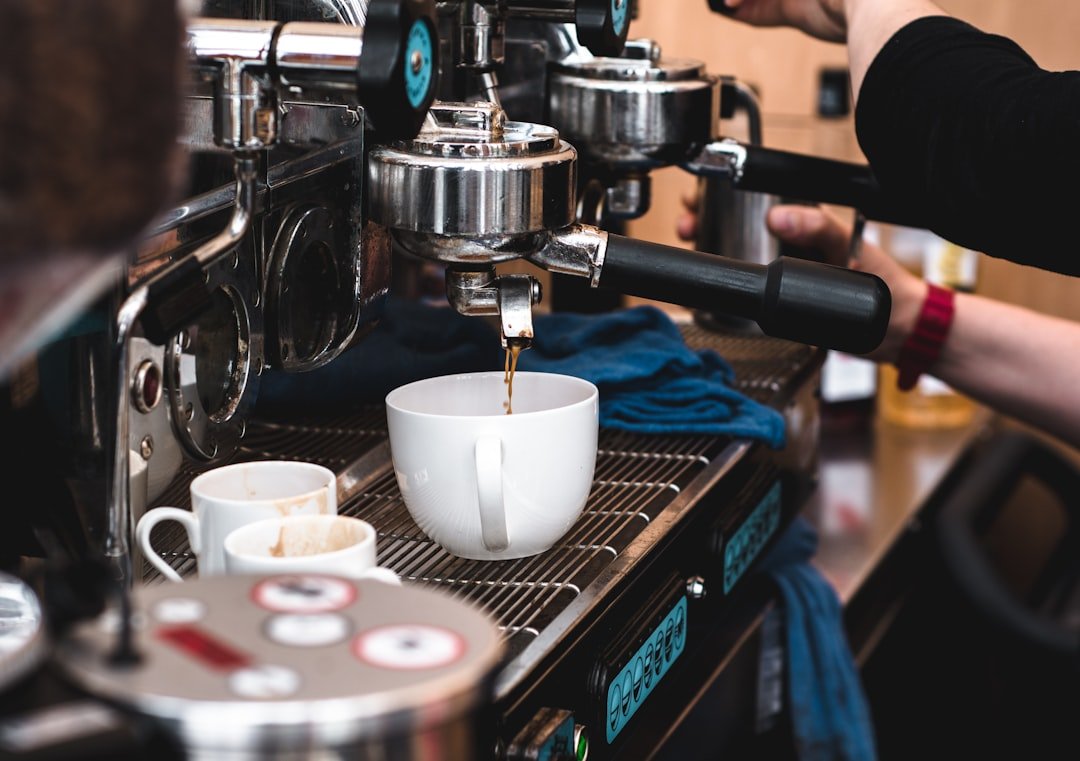
Freddo coffee still embarrasses most iced espresso drinks.
Athens cafés landed on the format in 1991, and they got something very right: a cold espresso built for summer heat, for long table time, and for the kind of coffee that can survive a little scrutiny once it hits the glass.
That origin matters. Greece already had a summer coffee legend by then. Upstreet Journal traces the earlier line to the Thessaloniki International Trade Fair in 1957, where Dimitrios Vakondios was working a Nescafé stand and improvised with instant coffee plus cold water in a shaker because hot water was nowhere to be found. The frappé arrived by accident and then took over Greek summers for decades. Freddo showed up later, with espresso machines, better tools, plus a lot more intention. The whole point was simple: cold coffee should still taste like coffee.
What is freddo coffee, exactly?
Freddo coffee is a Greek cold coffee made by pulling espresso, then shaking or blending it with ice so it chills fast and throws a light foam on top. The two main versions are freddo espresso, first introduced in Athens in 1991, plus freddo cappuccino, which adds cold frothed milk.
Simple drink. Fussy details.
A freddo espresso usually starts with a double shot, so about 60 to 80 ml total, then gets shaken or whipped with ice until it turns properly cold and a little airy. A freddo cappuccino keeps that espresso base and finishes with cold milk foam instead of steamed milk. Different texture, different temperature, much better for a July table in full sun when nobody has plans to leave anytime soon.
It helps to separate freddo from the frappé. Upstreet Journal’s August 15, 2026 piece lays it out clearly: frappé came from instant coffee and agitation, while freddo belongs to the espresso era. Vakondios’ 1957 shaker trick made a dense foam from instant coffee and air. Freddo uses espresso, ice, plus a hard shake to create a finer foam and a tighter drink. Same country. Very different cup.
Texture matters more than people admit. Cold temperatures mute aroma and shave down perceived sweetness, so chilled espresso can feel flatter than the same shot served hot. That top layer of microfoam gives the drink more body and slows dilution a bit. Then it changes how the flavor lands. You notice it immediately if you compare a proper freddo with the usual café disappointment: one hot shot splashed over ice, already watery before you’ve found a chair. Greece kept the outdoor coffee ritual and gave it a better drink.
Why does freddo coffee taste better than most iced espresso drinks?
Freddo tastes better because the method was built for cold service. It handles the two problems that ruin most iced espresso: too much melt and not enough structure.
Start with dilution. Shaking espresso with ice chills it almost instantly, so the shot spends less time sitting hot and fading while the cubes do their worst. A double shot has enough concentration to hold up. In plenty of cafés, iced espresso still feels like somebody remembered it halfway through the order. Pull the shot, pour it over ice, hope the customer is distracted. You can taste that plan.
Then you get to bean choice, which is where the coffee production process starts quietly calling the shots. Cold drinks lower perceived sweetness, so roast flaws and processing mistakes get louder fast. A washed coffee often gives you cleaner acidity and sharper definition; citrus, florals, crisp cocoa, that sort of thing. A natural can feel broader and jammier, especially from Brazil or Ethiopia, though sloppy handling can push it into boozy, fermenty territory very quickly. Honey coffee processing often lands in a sweet spot for cold espresso because some mucilage stays on the seed during drying, which can build sweetness, body, and a rounder finish without going full fruit salad.

That is where café culture runs straight into the coffee processing industry. A freddo may look like a very easy summer order, but the glass depends on decisions made long before the barista touches it: how carefully cherries were sorted, how evenly they dried, whether fermentation stayed under control, whether mold risk was managed, whether the roast kept enough clarity to survive ice. Coffees from Colombia and Ethiopia, and plenty from Brazil too, can make beautiful cold espresso. They can also turn into a glass of ash, cardboard, or cheerful little notes of booze gone wrong if processing gets sloppy. Cold coffee is brutally honest like that.
If you want a broader sense of how cold espresso compares with other iced formats, this guide to cold brew vs americano helps clarify where structure and dilution change the drinking experience.
The plot twist is upstream
Freddo makes post-harvest choices easy to taste. Warm espresso can cover a little mess with heat, crema, plus speed. Cold service is harsher. If the processing was careless, you’ll know by sip two.
Washed processing usually gives freddo espresso a cleaner profile. The fruit comes off before drying, so the cup often reads brighter and more defined. Honey coffee processing leaves some sticky mucilage on the bean during drying, and that extra fruit material can bring caramel notes, stone-fruit character, plus a syrupier feel that still works cold. Naturals dry with the fruit still on, which can create bold berry-heavy cups with plenty of body. Great naturals are gorgeous in a freddo. Mishandled naturals can taste over-fermented almost immediately. Bold choice.
This matters even more in the 2025 to 2026 café world because cold menus keep getting bigger and customers keep getting nerdier. Affectionately. Specialty cafés now list origin and process on menu boards more often because people actually read them. The same person who can tell you why one tin of anchovies is packed in olive oil and another in brine will absolutely care whether a coffee is washed or honey processed. Fair enough. The coffee processing industry used to stay tucked away as backend jargon. Cold drinks pull it into plain view because process shows up clearly in sweetness, mouthfeel, and the finish.
That helps explain why freddo has lasted since 1991 instead of fading as a seasonal gimmick. Greece already had the 1957 frappé, the accidental foam hero of summer. Freddo arrived with espresso culture, better gear, plus more precision, and you can feel that evolution in the glass. The next cold-coffee wave will probably keep moving the same way: fewer dessert distractions, more attention to coffee production and processing, and less patience for watery espresso pretending to be a personality.
For a closer look at how process changes flavor in the cup, this breakdown of washed vs natural coffee adds useful context.
Frequently Asked Questions
What is the coffee production process?
The coffee production process runs from harvesting coffee cherries to processing, drying, milling, export, roasting, then brewing. After picking, producers usually use washed, natural, or honey methods to remove or dry the fruit around the seed before the coffee moves through the rest of the chain.
What does coffee production and processing include?
Coffee production includes cultivation, farm work, and picking. Processing starts after harvest and covers how the fruit is removed and how the seed is stabilized through fermentation and drying before milling and shipment to roasters.
What is honey coffee processing?
Honey coffee processing is a method where some fruit mucilage stays on the bean during drying. That retained mucilage often increases sweetness and body, with flavors that can lean toward caramel notes, stone fruit, plus a syrupy texture.
Why does the coffee processing industry matter for drinks like freddo coffee?
Cold espresso reduces perceived sweetness and can make defects easier to taste, so processing quality has a direct effect on the cup. Over-fermentation, inconsistent drying, and other post-harvest errors show up fast in a chilled drink that has nowhere to hide.
Sources
- Freddo, frappé and the Greek relationship with coffee — https://journal.upstreet.io/freddo-frappe-greek-coffee/
