
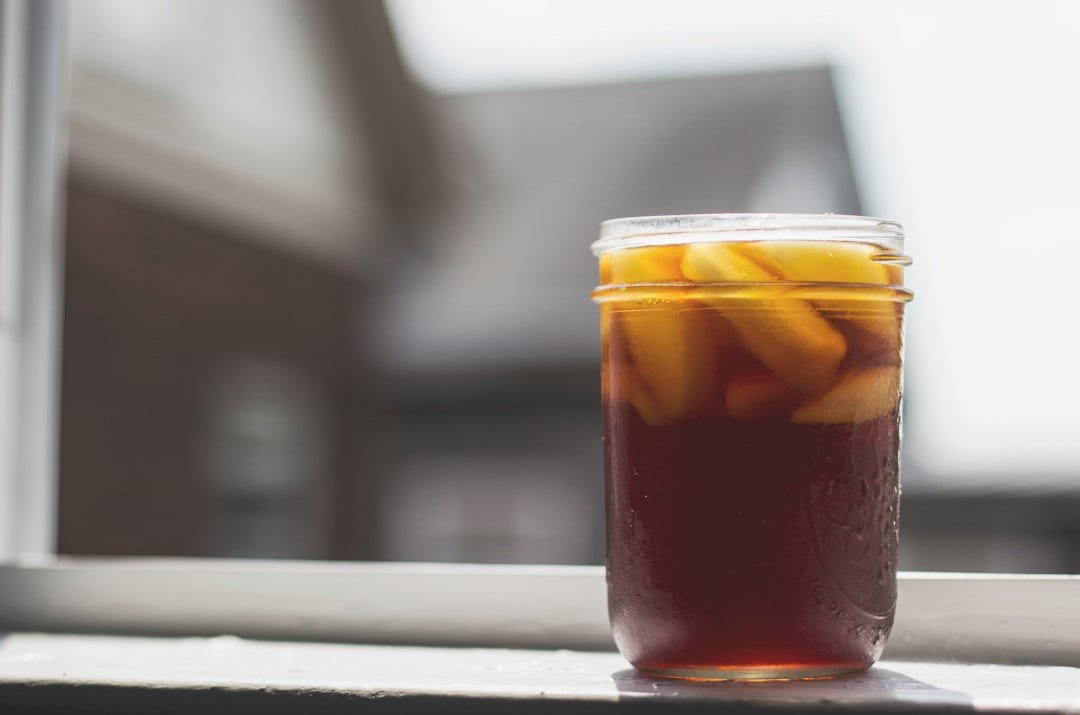
Meta description: Iced americano vs iced coffee gets framed as a taste debate, but the greener order usually comes down to brew method, dilution, plus whatever extras end up in the cup.
Order the plain iced americano.
If you want the quick sustainability answer in the iced americano vs iced coffee debate, that’s usually it. The lower-waste choice tends to be the simpler one. Cold coffee has a sneaky footprint because the drink that looks easiest on the menu often shows up with milk, syrup, extra ice, or a remake after it lands watery and a little tragic.
Cold drinks are huge now. Fresh Cup reported on August 26, 2026 that three out of every four drinks sold at U.S. Starbucks stores are cold. In Ireland, Maxol said iced coffee sales jumped 215% year-on-year during the June 2026 heatwave, according to World Coffee Portal. Once cold coffee becomes your every-morning habit instead of a July fling, the little choices start to count.
iced americano vs iced coffee: which order usually wastes less?
Most days, an iced americano has the edge when both drinks are served black. It uses espresso, cold water, and ice, which keeps the build simple and lowers the odds of extra ingredients, dilution fixes, or remakes. A well-made iced coffee can be just as sensible, but only when it is brewed, cooled, and served efficiently.
Most days, an iced americano has the edge when both drinks are served black. It’s espresso with cold water over ice. Clean. Efficient. Hard to mess up.
Iced coffee can be just as sensible when it’s brewed well, cooled properly, then poured without the whole dessert cart on top. But you know how this goes in real cafés. “Iced coffee” rarely travels alone. It picks up oat milk, vanilla syrup, cold foam, sometimes a caramel drizzle that had no business entering the group chat. Fresh Cup’s August 2026 reporting says specialty cafés now treat cold drinks as major menu categories, with signature builds designed to pull people in. Maxol’s bestselling iced drinks were Iced Oat Latte and Iced Vanilla Mocha, not plain black iced coffee.
That matters because the extras usually carry the footprint.
Then there’s dilution. Boring word. Important problem. If hot coffee gets dumped over a mountain of ice, the ice melts fast, the flavor thins out, then the café may compensate with more concentrate, a bigger cup, or a remake. Franke’s August 26, 2026 announcement around its ActiveChill system is interesting for exactly that reason. It cools brewed coffee before it reaches the cup, which cuts melt and helps consistency. The system works with the company’s A600 and A800 machines using iQFlow™ extraction controls. Very technical. Also very useful if you’d prefer your iced coffee to taste like coffee.
So yes, the greener move is usually plain black coffee served cold, whether that means an iced americano or an iced coffee made well. Fewer ingredients. Fewer corrections. Better odds the cup gets it right the first time.
the footprint starts at the farm
The biggest environmental pressure in coffee shows up long before the barista grabs the ice scoop. Whether your drink is espresso with water or brewed coffee chilled for service matters. Coffee farming matters more.
Daily Coffee News reported on August 3, 2026 that arabica and robusta are both under pressure from high heat, erratic rainfall, plus pests. Temperatures above 30°C reduce yields and hurt quality, especially for arabica. Researchers at the Royal Botanic Gardens, Kew are studying underused coffee species for resilience. Useful perspective if you’ve ever spent five minutes comparing cold drink names while ignoring what growers are dealing with.
Some of the better sustainability work is refreshingly concrete. Daily Coffee News reported on August 19, 2026 that UCC launched a regenerative pilot in Vietnam using shade planting, cover crops, plus biochar-based compost. The company said 1,757 shade-tree seedlings had already gone to 38 farmers. Good. Somebody counted. UCC has also set targets of 100% sustainable sourcing by 2030 and carbon neutrality by 2040.
Where does organic coffee fit into this? It can matter quite a bit. USDA organic coffee tells you a product met USDA organic standards, which means limits on prohibited synthetic inputs and a certification trail you can actually point to. That is useful. It still doesn’t tell you whether the café made the cold drink efficiently.
A USDA organic coffee poured hot over fast-melting ice can still be a wasteful order. The same goes for organic Peruvian coffee. It can be an excellent choice, especially when farming practices are transparent and the farm is taking care with soil and water use. But origin alone does not settle the sustainability question. If you want a lower-intervention cold order, organic black coffee is usually a smart one, especially when the shop chills it properly and leaves the syrup bottles where they are.

why cold coffee suddenly changed café operations
Cold drinks now shape the whole bar setup, and you can taste the difference.
Fresh Cup’s August 2026 piece made the shift pretty plain: cold drinks are central to café business, and specialty operators are building menus around them. Starbucks selling three-quarters cold drinks in the U.S. is one signal. Maxol serving more than five million cups of coffee last year and expanding its iced range is another. This is no longer one plastic dispenser of iced coffee sweating near the register. Shops are investing because people keep ordering cold.
Workflow decides a lot. Traditional iced coffee often means brewing ahead, cooling in batches, moving coffee into separate containers, then pouring over ice later. Every handoff is another chance for stale coffee, off ratios, or a drink that needs fixing. Franke’s ActiveChill pitch is basically a polite way of saying the old system can get clunky. Brew hot for aroma, cool during dispensing, skip a few awkward steps. The cup stays more consistent. Environmentally friendly coffee machines can help if they reduce remakes and wasted batch coffee, plus all that unnecessary melt.
If you care about the greener order, ask the café one mildly annoying but very useful question: how do you make it? Is the iced coffee brewed fresh and cooled efficiently? Is the americano built from properly pulled espresso and balanced with water? Are the milk and syrup there because you want them, or because the base drink needs backup? That question gets you closer to the answer than the menu label ever will.
If you want a broader breakdown of how these drinks differ beyond sustainability, see this flavor-first guide to iced coffee vs iced americano.
faq
What is organic coffee?
Organic coffee is coffee grown and processed under organic certification rules, which restrict prohibited synthetic fertilizers and pesticides. Standards vary by certifier, but the idea is consistent: farming with approved inputs and documented compliance.
What does USDA organic coffee mean?
USDA organic coffee means the coffee met U.S. Department of Agriculture organic standards. It says something about agricultural practices and certification. It does not guarantee better taste, less dilution, or better café prep.
Is organic Peruvian coffee a sustainable choice?
Organic Peruvian coffee can be a sustainable choice if it comes from farms using strong practices for soil health, water use, and biodiversity, and if the sourcing is transparent. Peru is a respected coffee origin, but origin by itself does not prove lower environmental impact.
Is organic black coffee better for the environment?
Organic black coffee is often a lower-impact order because it skips milk, foam, plus syrup. That said, preparation still matters. A well-chilled black coffee usually has a smaller footprint than one that needs extra ice, extra concentrate, or a remake.
Do environmentally friendly coffee machines make a difference?
Yes. Machines that cool coffee efficiently, reduce dilution, and waste less batch coffee can lower waste in high-volume cafés. The effect is operational, but very real when cold drinks are a major share of sales.
Frequently Asked Questions
What is organic coffee?
Organic coffee is grown and processed under certified organic rules that restrict prohibited synthetic fertilizers and pesticides. It signals documented farming standards, though it does not automatically guarantee a lower-impact café drink.
What does USDA organic coffee mean?
USDA organic coffee means the coffee met U.S. Department of Agriculture organic certification standards. That tells you something useful about farm inputs and compliance, but not whether the drink was brewed or chilled efficiently.
Is organic Peruvian coffee a sustainable choice?
Organic Peruvian coffee can be a strong sustainability choice when farms also show good soil, water, and biodiversity practices. Origin helps, but transparent sourcing and efficient preparation still matter.
Is organic black coffee better for the environment?
Organic black coffee is often lower impact because it skips milk, foam, and syrup. It is usually the better choice when the coffee is chilled properly and does not need extra ice, concentrate, or a remake.
Sources
- Franke expands New A Line with ActiveChill iced coffee technology — https://www.worldcoffeeportal.com/news/franke-expands-new-a-line-with-activechill-iced-coffee-technology/
- Peter Giuliano: “Specialty Cold Coffee is the Future” — https://freshcup.com/peter-giuliano-specialty-cold-coffee-is-the-future/
- UCC Launches Regenerative Coffee Pilot in Vietnam — https://dailycoffeenews.com/2026/08/19/ucc-launches-regenerative-coffee-pilot-in-vietnam/
- Climate Pressures Bring New Attention to Excelsa Coffee — https://dailycoffeenews.com/2026/08/03/climate-pressures-bring-new-attention-to-excelsa-coffee/
- June heatwave sparks iced coffee boom for Ireland’s Maxol — https://www.worldcoffeeportal.com/news/june-heatwave-sparks-iced-coffee-boom-for-irelands-maxol/
