
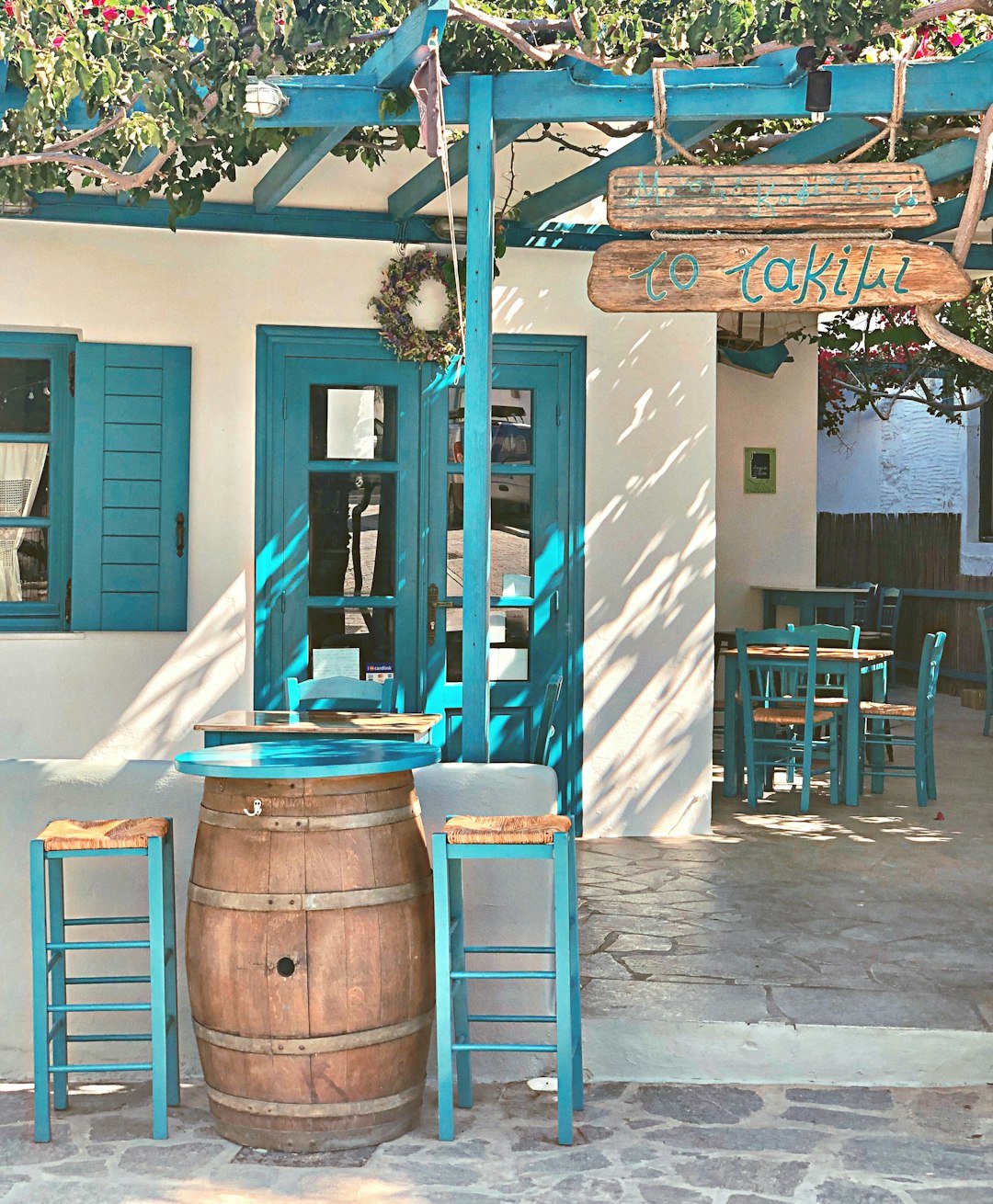
Cafe freddo wins summer. Easily.
Italy gave espresso its manners: porcelain cups, quick elbows-on-the-bar service, and that sacred little shot you drink before anyone has time to overthink it. Greece took the same espresso logic, dropped it into 35°C heat, put it in a takeaway cup, and gave the afternoon some room to breathe. Better beach weather helps.
Italian coffee rules still have their charm. No cappuccino after 11am if you want to avoid the quiet judgment of a nonna. Espresso is taken fast, often standing at the bar, shoulder to shoulder with people who order in three syllables and mean business. Greece kept the espresso DNA and changed the pace. Pascucci’s August 2026 coverage said exactly that. Le Monde reported the same on May 7, 2026: same espresso family, very different daily life.
What is cafe freddo, exactly?
Cafe freddo is a Greek-style cold espresso drink. Usually, you mean one of two things: freddo espresso or freddo cappuccino. Both start with hot espresso, then get chilled fast over ice so the coffee stays sharp instead of turning into sad brown meltwater.
That distinction matters because “cafe freddo” gets thrown around pretty loosely. In practice, you’re usually ordering one of those two drinks. Pascucci’s “Freddo Cappuccino—Why This Greek Cold Coffee Wins” and “Freddo Cappuccino: Why Greece’s Iced Espresso Works,” both published in August 2026, describe freddo cappuccino the same way: espresso chilled quickly with ice, then topped with cold milk foam. Actual foam, too. Not the lazy iced-cappuccino move where someone pours in cold milk, gives it a swirl, and hopes texture happens by accident.
Technique does most of the work. Pascucci’s second August 2026 piece explains that a proper freddo starts with a double espresso, gets chilled quickly, and handles dilution on purpose. Nobody is pulling a shot, abandoning it on the counter for three minutes, then dumping it over a glass of ice and praying to the crema gods. In freddo cappuccino, the milk foam stays separate on top, so the drink changes as you go. First the chilled espresso. Then the soft foam. Then both together.
There’s also a very 2026 reason freddo travels well. Pascucci ties its rise to cold drinks taking over menus and Gen Z wanting customization without giving up craft. Fair enough. People still want coffee that tastes like coffee. Revolutionary stuff.
Why cafe freddo works better than most iced coffee
A lot of iced coffee fixes the temperature and forgets the flavor.
You know the cup. Watery by minute four. Or sweet enough to taste like somebody got a little too excited near a syrup pump. Pascucci’s August 2026 coverage calls this the “melted compromise” problem, which is annoyingly accurate. Freddo dodges it because the drink is built around fast chilling and controlled dilution. The same source takes a deserved swipe at sweeter chain drinks with ingredient lists that read like a chemistry worksheet.
This is where the iced americano vs iced coffee debate gets useful. Iced coffee usually starts as brewed coffee served cold or poured over ice. It can be great if the batch is strong, but a lot of it loses shape fast. An iced Americano, or caffe americano over ice, starts with espresso plus water and ice. Cleaner profile. Lighter body. Sometimes a little thin if the espresso underneath is forgettable. Freddo espresso lands in a very comfortable middle lane: colder and easier to sip than hot espresso, more structured than plenty of iced coffee, and less washed-out than a weak iced Americano. It has some posture.
Texture is where freddo cappuccino gets a little smug. Pascucci notes the contrast between the bold chilled espresso underneath and the airy foam on top. The same August 2026 article says that texture, plus how well the drink travels, is part of why it feels premium without drifting into milkshake territory. You taste the espresso first. Then the foam softens the edges.

If you’re making one at home, use a blend with enough grip to survive ice. MORORA has an 11/10 intensity with woody and tobacco notes that stay put. If you want something rounder, MAMA AFRICA keeps its toasted, chocolate, and caramel notes even when chilled. Friend to friend, both can handle cold better than a delicate roast that disappears the second the ice starts talking back.
Why Italy didn’t invent cafe freddo, and why that makes sense
Italy perfected espresso for a very specific daily rhythm: short, hot, precise, and usually taken quickly at the bar. Pascucci’s “Freddo Cappuccino Isn’t Italian—Why That Matters,” published in August 2026, puts it neatly. Italy gave Europe espresso discipline. Brilliant system. Also a system built for speed and ritual, where your coffee break lasts about as long as a red light in Milan.
Greece had different weather and different habits, so espresso changed shape. Pascucci’s August 2026 piece describes Greek coffee culture as slower and more social, with takeaway cups and long afternoons built around conversation. Le Monde’s May 7, 2026 reporting places freddo right inside that climate and routine. In Athens, cold coffee can follow you through work, gossip, flirting, or a full hour of doing absolutely nothing useful. A respectable Mediterranean use of time.
That difference matters because espresso culture is never just about the machine. It’s about the day built around it. In Italy, you step in, order, drink, leave. In Greece, the same espresso base gets permission to linger. Milan says drink up. Athens says sit down.
Perfect Daily Grind made a similar point on August 4, 2026, in a piece about why local brands often beat chains in coffee-producing countries. The article points to Medellín, where Pergamino started growing coffee in the 1980s, opened its first café in 2012, and now runs 10 cafés across the city, holding its own against Starbucks after the chain entered Colombia in 2014. Same lesson. Drinks last when they fit real life.
If you want the broader context for how cold espresso evolved beyond one market, Pascucci’s look at freddo coffee in Greece connects the drink to wider summer coffee habits.
Frequently Asked Questions
What is the difference between iced americano vs iced coffee?
An iced Americano is espresso plus water and ice, so it usually tastes cleaner and lighter. Iced coffee starts with brewed coffee served cold or over ice, which can feel rounder but often loses structure faster.
Is freddo espresso the same as iced coffee?
No. Freddo espresso starts with espresso and is chilled quickly to preserve intensity and controlled dilution, while iced coffee usually starts with brewed coffee and tastes different in body and texture.
What is caffe americano?
Caffe americano is espresso diluted with water. The iced version uses cold water and ice, giving you a lighter, cleaner drink than straight espresso and usually less texture than freddo.
How does cafe freddo fit into espresso culture?
Cafe freddo keeps espresso at the center but adapts it for hot weather and slower social routines. It extends espresso culture from the quick bar stop into a drink meant for longer sipping.
Sources
- Freddo Cappuccino—Why This Greek Cold Coffee Wins — https://pascuccicoffee.com/blogs/blog/freddo-cappuccino-why-this-greek-cold-coffee-wins
- Freddo Cappuccino: Why Greece’s Iced Espresso Works — https://pascuccicoffee.com/blogs/blog/freddo-cappuccino-the-greek-iced-coffee-upgrade
- Freddo Cappuccino Isn’t Italian—Why That Matters — https://pascuccicoffee.com/blogs/blog/freddo-cappuccino-the-greek-twist-on-espresso
- Why local brands are more successful than chains in coffee-producing countries — https://perfectdailygrind.com/2026/08/local-brands-coffee-producing-countries/
- En Grèce, vous prendrez bien un café… froid ? — https://www.lemonde.fr/international/article/2026/05/07/en-grece-vous-prendrez-bien-un-cafe-froid_6686344_3210.html
