
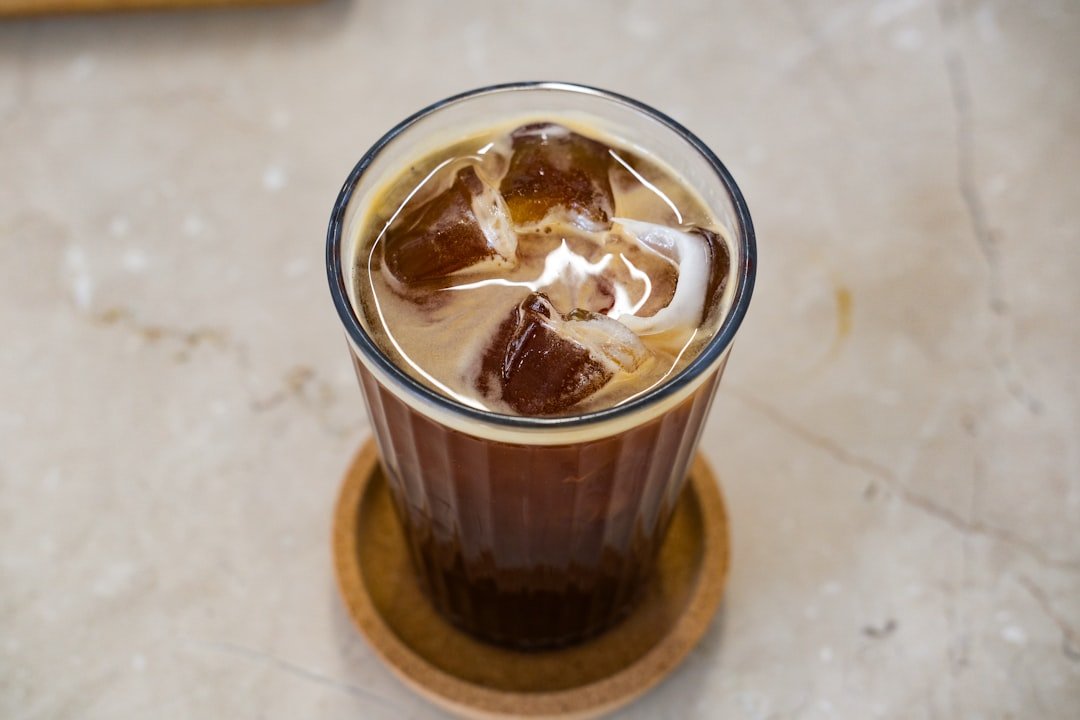
Most iced espresso falls apart the second ice hits it. Cafe freddo holds up.
Greece took espresso, treated the cold part seriously, and turned it into an everyday habit, even if the name sounds like it wandered over from Italy on holiday. Coffee Island, one of Greece’s biggest coffee chains, treats freddo espresso like basic summer common sense and even publishes a home recipe with 16–18 g of coffee and about 100 g of ice. That level of detail tells you plenty. This drink was built for hot weather, takeaway cups, and those long afternoons when your coffee needs better stamina than you do.
What is cafe freddo?
A cafe freddo is a Greek-style cold espresso drink made by pulling espresso, chilling it fast with ice through shaking or blending, and serving it as a structured cold coffee instead of a hot shot left to fend for itself in a glass of melting cubes. Usually you’re looking at freddo espresso on its own or a freddo cappuccino with cold milk foam on top.
That split matters. Freddo espresso keeps the whole drink focused on espresso. Freddo cappuccino adds a separate layer of cold milk foam, so the milk changes the sip without bulldozing the shot underneath, according to Pascucci’s recent brewing guides and Coffee Island’s home recipe. Coffee Island gets satisfyingly specific about it too: 1–2 shots, 16–18 g ground coffee, 4–5 medium ice cubes or roughly 100 g, all poured into a 300–350 ml glass. You can tell this was workshopped by people who have suffered through bad summer coffee and decided enough was enough.
The shaking is the whole trick. Coffee Island says freddo espresso should be beaten with ice until it forms a thick, creamy foam. That little cap changes the drink right away. The sip lands colder. The body feels fuller. The top drinks like crema’s summer cousin, slightly fluffier and a lot more useful in August.
The name throws people for about ten seconds. “Freddo” is simply Italian for “cold,” but the drink itself became unmistakably Greek. Italy supplied the espresso discipline. Greece gave it a timetable, a plastic cup, and an excellent excuse to linger.
Why does cafe freddo taste better than most iced espresso drinks?
Because it deals with dilution before dilution starts bossing the cup around.
Pascucci’s brewing guides keep coming back to this for a reason: rapid chilling and measured ice help espresso stay vivid. Leave a hot shot sitting in a glass with ice and you can practically watch it lose its nerve. Shake it immediately and it lands colder, clearer, with much more of itself intact.
You taste that difference halfway through the cup. In a standard iced espresso, the water keeps creeping in while you sip. With freddo, part of that dilution happens up front, under control, with agitation. The drink still tastes like espresso instead of generic brown refreshment. In July, that matters.
Texture is the other reason people get attached. Shaking or blending creates a dense foam on freddo espresso, and it earns its place. The first sip lands softer. The body feels fuller. The drink keeps some shape even when it’s properly cold. In freddo cappuccino, the milk stays in its own cold foam layer instead of turning the whole thing into one flat milky blur. You get chilled espresso underneath and airy foam on top. Clean idea. Very Greek. Slightly smug, in a good way.
That also makes freddo a useful answer to the worn-out iced americano vs iced coffee debate. An iced americano combines espresso with water and ice. Fine. Iced coffee is usually brewed coffee served cold or over ice. Also fine. Freddo just has better mechanics for espresso. For a deeper comparison, see this flavor-first guide to iced coffee vs iced americano. Pascucci even called the average cold americano “spiritually bleak,” which is a little harsh and, on certain afternoons, completely earned.
If you’re making one at home, the espresso base needs enough backbone to survive the cold. Ice is rude like that. For a punchier version, MORORA works beautifully because its 11/10 intensity and woody, tobacco profile still come through once shaken. If you want a rounder freddo cappuccino, MAMA AFRICA brings 8/10 intensity with chocolate-caramel notes that hold up well under cold foam. Those details matter more here than they do in a hot cup; cold drinks expose weak coffee fast.

Why did Greece make freddo part of daily life?
Because Greece gave espresso more hours in the day.
Pascucci’s piece on freddo’s Greek roots puts it plainly: in Italy, espresso often gets taken quickly, hot, at the bar. In Greece, coffee stretches across work, gossip, flirting, scrolling, and those “quick breaks” that mysteriously last an hour. So the drink changed to match the day around it.
That’s why freddo still feels current. Cold espresso lasts longer in your hand, travels better in a takeaway cup, and keeps a clear coffee flavor. You don’t need syrup acrobatics or a dessert menu in liquid form. You need good structure, decent espresso, and about 30 seconds of technique.
It also fits how younger drinkers order now. Pascucci’s café-focused article notes that cold drinks are where demand is hottest, and Gen Z wants customization without losing craft. Freddo covers both without making a scene. It looks polished, moves fast in service, and still has an actual coffee point of view. Rare enough in a market full of drinks that seem designed by committee and topped by whipped optimism.
There’s a practical café lesson in that too. Freddo scales well: espresso, ice, agitation, optional cold foam. Cleaner and faster than building giant sugar-heavy drinks with ingredient lists that read like a pantry raid. The same logic works at home, especially if you use pods and want café structure without joining the 8:12 a.m. line of very determined laptop people. If you want another cold option built around espresso mechanics, this guide to freddo cappuccino is a useful next read.
FAQ: the search questions people ask around cafe freddo
Iced americano vs iced coffee—what’s the difference?
An iced americano is espresso mixed with water and ice. Iced coffee usually means brewed coffee served cold or poured over ice. Freddo starts with espresso too, but shaking with ice changes texture and controls chilling more precisely than either format, according to Pascucci and Coffee Island.
Is freddo espresso just espresso over ice?
No. Coffee Island says proper freddo espresso is shaken with 4–5 ice cubes, about 100 g, until it develops a creamy foam. That step changes the drink’s texture and temperature in a way plain espresso over ice does not.
Is cafe freddo like an espresso macchiato?
No. An espresso macchiato is a hot espresso marked with a small amount of milk foam. Freddo is a cold sipping format built around chilled espresso, and in cappuccino form it uses a separate layer of cold milk foam.
Can you make cold coffee with instant coffee or instant espresso?
Yes. Cold coffee with instant coffee is fast and very doable, especially if you just want something cold and caffeinated. It won’t have classic freddo structure, because the creamy top and denser body come from brewed espresso plus agitation. Useful shortcut. Different drink.
The next cold coffee flex probably won’t be taller, sweeter, or engineered for a photo first. It’ll be the drink that still tastes like coffee at 32°C on a Tuesday, halfway through the cup, after the ice has had time to do its worst. If a café can keep espresso vivid once it’s cold, you’ve learned something useful.
Frequently Asked Questions
Iced americano vs iced coffee—what’s the difference?
An iced americano is espresso mixed with water and ice, while iced coffee is usually brewed coffee served cold or over ice. Freddo also starts with espresso, but shaking with ice gives it a different texture and more controlled chilling.
Is freddo espresso just espresso over ice?
No. Proper freddo espresso is shaken or blended with ice until it becomes very cold and develops a creamy foam. That extra step changes both the texture and the drinking experience.
Is cafe freddo like an espresso macchiato?
No. An espresso macchiato is a hot espresso with a small amount of milk foam, while cafe freddo is a cold espresso drink. Freddo cappuccino adds cold milk foam, but it remains a separate chilled format.
Can you make cold coffee with instant coffee or instant espresso?
Yes, and it is a quick way to make a cold caffeinated drink at home. It will not fully match freddo’s body or creamy top, because those depend on brewed espresso and agitation with ice.
Sources
- Freddo Cappuccino Is the Iced Espresso Upgrade — https://pascuccicoffee.com/blogs/blog/freddo-cappuccino-the-smarter-way-to-drink-iced
- Freddo Cappuccino Isn’t Italian—Why That Matters — https://pascuccicoffee.com/blogs/blog/freddo-cappuccino-the-greek-twist-on-espresso
- Freddo Cappuccino Is the Cold Coffee Format Cafés Need — https://pascuccicoffee.com/blogs/blog/freddo-cappuccino-why-this-greek-cold-coffee-wins
- Freddo Cappuccino: Why Greece’s Iced Espresso Works — https://pascuccicoffee.com/blogs/blog/freddo-cappuccino-the-greek-iced-coffee-upgrade
- Freddo Espresso Στο Σπίτι — https://www.coffeeisland.gr/blog/freddo-espresso-sto-spiti/
