

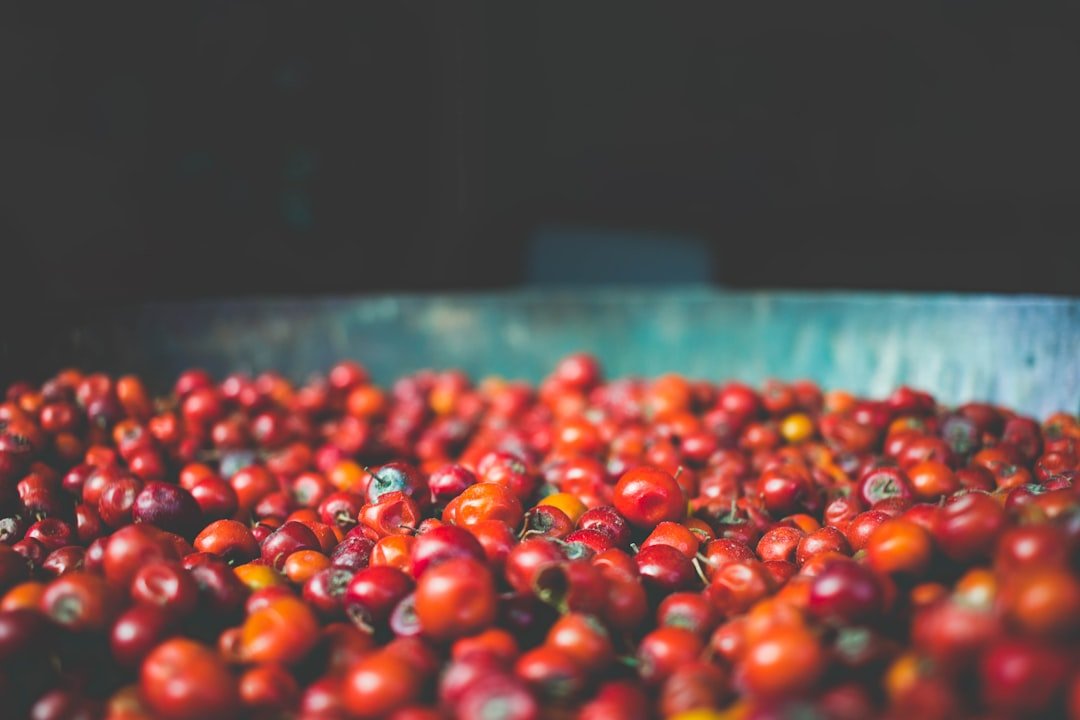
The biggest flavor plot twist in your coffee happens after the cherry is picked. Not at the roaster. Not at your grinder. Not even during your extremely specific Saturday pour-over ritual. We’re talking about processing — the step that can make two coffees from the same farm taste like they have completely different personalities. Same origin, same variety, same altitude, and suddenly one cup is crisp and floral while the other tastes like berries crashed into dark chocolate at a rooftop party.
People love talking about origin like it’s destiny. Ethiopia this, Colombia that, high elevation, volcanic soil, tiny violin of terroir. All true. All interesting. But if you want the difference between washed and natural processed coffee explained simply, here it is: fruit removed early versus fruit left on to dry. That one choice changes sweetness, clarity, body, acidity, and risk. It also explains why coffee people keep debating “clean” cups like they’re discussing tailoring, not breakfast.
So no, this isn’t obscure coffee jargon invented to make cafe menus feel intimidating. It’s one of the most useful ways to understand why a coffee tastes the way it does. Once you get it, you can stop pretending every “jammy” or “bright” tasting note came from magic.
Washed vs Natural in One Sentence: It’s About When the Fruit Leaves the Bean
Here’s the simple version.
- Natural process: the whole coffee cherry dries with the fruit still on the seed.
- Washed process: the fruit is removed first; the coffee is then fermented, rinsed, and dried.
That’s it. That’s the whole plot.
The big misconception is that coffee “beans” aren’t actually beans, botanically speaking. They’re seeds inside a fruit. Coffee starts as a cherry — usually red or yellow when ripe — and inside that cherry are the seeds you eventually roast and brew. So processing is really about how much contact the seed has with the fruit and sticky mucilage after picking.
If you want the shortcut version:
- Washed coffee is like editing a photo for sharpness and detail.
- Natural coffee is like turning up saturation and contrast.
Both can look amazing. Both can be overdone. Both reveal different things.
According to Sprudge, washed process coffee generally involves removing the outer fruit, then fermenting and washing the coffee before drying it. Perfect Daily Grind describes natural processing as drying the intact cherry first and removing the dried fruit later through hulling. Those aren’t tiny technical differences. They shape the entire cup profile, because fruit contact changes how sugars, acids, and fermentation-related flavors develop around the seed before roasting ever enters the chat.
Here’s the part most people don’t realize: the seed doesn’t taste fruity just because it’s a fruit seed in some poetic, menu-copy way — it tastes different because it physically spends more or less time surrounded by fruit material during processing. That’s not branding. That’s chemistry and handling.
In a washed process, producers typically depulp the cherry fairly soon after harvest, so the seed spends less time hanging around in all that fruit. In a natural process, the whole cherry dries intact, which means extended fruit contact as moisture gradually leaves the cherry. That extra contact tends to push the cup toward sweetness, body, and fruit-driven flavors.
So if you’ve ever wondered why one coffee tastes laser-precise and another tastes like blueberry jam with opinions, this is why.
Why They Taste So Different: Clarity vs Fruit Bomb Energy
Now for the fun part: flavor.
Washed coffees are typically associated with:
- more clarity
- cleaner flavor separation
- brighter or more articulate acidity
- a more transparent expression of origin characteristics
Natural coffees are often associated with:
- more sweetness
- heavier body
- jammy or dried-fruit notes
- winey, fermented, or punchier flavors that people either adore or politely pretend to adore
Perfect Daily Grind notes that washed coffees are often prized for clarity and consistency, while naturals can deliver more sweetness and body, sometimes with more polarizing fermented character. That tracks with what plenty of roasters, buyers, and drinkers taste in the cup.
Think of it this way: a washed coffee often lets you taste flavors in a more separated, outlined way. Citrus feels distinctly citrusy. Florals show up cleanly. Acidity can feel elegant, almost tea-like in structure. If a coffee is described as “transparent,” that usually means you can pick apart what’s going on without much noise in the background.
Natural coffees, meanwhile, tend to blur those lines into something rounder and louder. Instead of lemon and jasmine arriving in neat little compartments, you might get blueberry compote, tropical fruit, cocoa, red wine, or dried strawberry all at once. More velvet. More bass. Less chamber quartet, more very tasteful disco.
And yes, natural coffees can be incredible. They can also go sideways.
Leaving fruit on the seed while it dries creates more opportunities for fermentation and inconsistency. Done well, you get layered sweetness and memorable fruit character. Done badly, you can end up with flavors people describe as overripe, boozy, vinegary, medicinal, or just plain funky in the wrong way. “Funky” is one of those coffee words that can mean “deliciously wild” or “something went a bit off and we’re all being diplomatic.”
This is where coffee language gets sneaky. The word clean sounds positive, almost moral. Cleaner cup. Cleaner profile. Cleaner finish. But cleaner does not automatically mean more delicious. Sometimes it just means more restrained.
That’s an important difference.
A washed coffee may be cleaner because there’s less fruit-driven fermentation influence. That can be beautiful. It can also be a little too polite if you’re craving something plush and expressive. A natural coffee may be less “clean” in the technical sense and still be far more exciting, sweet, or memorable. So if you hear someone use “clean” like it settles the whole argument, maybe give that a small internal eyebrow raise.
One more useful note: flavor expectations aren’t guarantees. A washed Ethiopian can still be sweet and juicy. A natural Brazil can still be balanced and approachable. Processing nudges the cup in a direction; it doesn’t write the whole script. Variety, climate, altitude, drying skill, roast style, and brew method still matter. Coffee, annoyingly and beautifully, refuses to be just one thing. If you want to understand one of those variables better, how altitude shapes the coffee in your cup is another useful piece of the puzzle.
This Isn’t Just Taste — It’s Infrastructure, Water, Climate, and Money
One of the fastest ways to misunderstand coffee is to treat processing like it’s just a flavor choice made in a vacuum. As if producers are standing in a cherry field asking themselves whether they feel more “clean and citric” or “jammy and chaotic” this season.
In reality, washed versus natural is also about resources.
Washed processing usually requires more:
- water
- equipment
- fermentation tanks or channels
- rinsing systems
- coordinated labor
- drying management after washing
Sprudge points out that washed processing generally needs more water and infrastructure than natural processing. That matters. A lot. If water access is limited, or if a farm or station doesn’t have the right equipment, washed processing may be difficult, expensive, or simply unrealistic.
Natural processing can make more sense in places where:
- water is scarce
- local tradition already supports cherry drying
- existing infrastructure is built around drying whole cherries
- producers want a lower-input way to create a distinctive profile
That last point is especially interesting. Natural processing sometimes gets framed by consumers as old-school or rustic, but that misses the point. In many regions, it’s not a fallback. It’s a strategy. Sometimes it’s the method that makes the most sense environmentally, economically, or culturally. Sometimes it’s the style that gives producers a chance to stand out in crowded markets.
And here’s something people don’t always clock: washed coffee can be more operationally demanding not just because it uses more water, but because timing becomes brutally important. Once cherries are picked, depulping, fermenting, rinsing, and drying all have to happen in a fairly controlled sequence. If a station gets overloaded during peak harvest, quality can drop fast. Capacity isn’t just a business issue; it becomes a flavor issue.
Climate matters too. Drying whole cherries for naturals requires conditions that let fruit dry without spoiling. If weather is too humid or unstable, that raises the risk. At the same time, climate pressures and local production realities can also influence whether washed methods remain feasible or desirable, as discussed in Perfect Daily Grind’s reporting on shifting popularity and market trends. For a broader look at those pressures, see how climate change is reshaping coffee regions.
So the washed-versus-natural choice isn’t some tidy aesthetic preference. It’s shaped by geography, labor, weather, infrastructure, and money. Which is why the usual consumer framing — washed as refined, natural as rustic — feels way too neat.
That framing turns a production decision into a personality test.
A more accurate take: producers are balancing risk, cost, environment, market demand, and cup quality. Sometimes washed is the premium move. Sometimes natural is the premium move. Sometimes the “best” process is simply the one a producer can execute consistently under real conditions, not fantasy ones.
That’s the real coffee flex: understanding that flavor starts with agricultural and logistical decisions, not just tasting notes printed in a chic font.
Why Specialty Coffee Keeps Swinging Between Washed Loyalty and Natural Hype
Specialty coffee has a type. It falls hard for novelty, then eventually remembers structure matters.
That’s part of why the industry keeps swinging between washed loyalty and natural obsession.
Washed coffees remain deeply valued because they’re:
- dependable
- easier for many buyers to evaluate
- often more consistent lot to lot
- legible on menus and in quality assessments
- well suited to the classic specialty idea of clarity and origin expression
Perfect Daily Grind has reported that even amid experimental processing trends, washed coffees still hold serious value for roasters and buyers. There’s a reason. If you’re buying coffee professionally, consistency is not boring — it’s gold. A coffee that tastes articulate, stable, and reproducible across a menu is incredibly useful.
Natural coffees, though, tend to get more attention online and in enthusiast circles because they taste louder. They’re easier to remember. Easier to describe dramatically, too. “This tastes like blueberry pie and red sangria” will always beat “this has elegant citrus definition and floral lift” on social media. One is a neon sign. The other is great tailoring.
So yes, natural coffee became the indie film darling of specialty coffee — adored for personality, occasionally forgiven for chaos.
Washed coffee is the tailored Italian suit. Maybe less flashy at first glance, but hard to beat when you care about structure, line, and the way everything actually fits together. Very bella figura, if you will.
That doesn’t mean naturals are a fad. Far from it. It means the market often rewards what feels distinctive and memorable, while professionals still rely heavily on coffees that are clear and dependable. Those are two different, overlapping value systems.
There’s also evidence that some buyers and drinkers may be swinging back toward washed coffees after years of excitement around novel and fermentation-heavy styles. Perfect Daily Grind’s 2024 reporting explores whether washed coffees are becoming more popular again, and a later 2025 piece notes they still hold strong value even as experimentation continues.
Why the shift? A few reasons.
One: extremely process-heavy coffees can start to taste more like processing than place. If every coffee on the table tastes intensely fermented, origin differences get blurrier.
Two: not everyone wants their daily cup to feel like a sensory dare.
Three: repeatability matters. Especially for roasters trying to build a menu people actually come back to.
But natural processing isn’t standing still either. Producers are refining it. Daily Coffee News reported on a Colombian trial where CO2 fermentation boosted natural-process coffee scores, highlighting how producers are using controlled fermentation approaches to improve quality and repeatability. That’s a big deal. It suggests naturals aren’t just “wild by nature” — they can be intentionally engineered toward cleaner, more reliable results without losing their personality.
That’s your “huh, didn’t know that” moment for this section: some of the most exciting work in natural coffee isn’t about making it weirder. It’s about making it more precise.
So the industry argument isn’t washed versus natural as sworn enemies. It’s more like a long-running debate about what coffee should prioritize: transparency, consistency, sweetness, intensity, novelty, or market differentiation. Everyone says they want balance. Then someone tastes a coffee that resembles fermented pineapple and immediately starts writing poetry.

So Which One Should You Choose? Stop Asking Which Is Better
If you’re still asking which process is better, that’s the wrong question. Very normal question. Totally fair. Still the wrong one.
Ask instead: what kind of cup do you want right now?
Choose washed if you want:
- precision
- brightness
- flavor notes that feel distinct and sharply outlined
- a cleaner finish
- a safer bet if you dislike fermented or boozy flavors
Choose natural if you want:
- rounder sweetness
- fuller body
- more fruit-forward character
- a cup that feels lush, expressive, or just a little wild
- something memorable, even if it’s less restrained
A practical way to think about it:
- Washed for weekday focus coffee
- Natural for weekend slow mornings
That’s not a law. Just a vibe. Washed often suits the cup you want when you need clarity in both your beverage and your inbox. Natural suits the cup you want when you have time to notice the oddly delicious note that reminds you of dried berries, dessert wine, or chocolate-covered cherries.
Here’s a quick taste map:
- If you like citrus, florals, tea-like structure, crisp acidity → start with washed
- If you like berries, dried fruit, chocolate-covered fruit, fuller mouthfeel → start with natural
- If you dislike fermented, boozy, or winey notes → washed is usually the safer bet
- If you want big sweetness and more texture → natural will probably be more your speed
And if you’re the kind of person who says, “I just want coffee that tastes good,” fair. Deeply fair. But this is still useful, because it gives you a shortcut for choosing coffees you’ll actually enjoy instead of gambling on bag copy that says things like “vibrant stone fruit” and “silky finish” while revealing almost nothing.
The real flex isn’t pledging loyalty to washed or natural like you’re joining a team. It’s knowing what each process is trying to do and tasting with enough curiosity to notice the difference.
If you want processing to click instantly, try one simple experiment: buy the same origin in two processing styles if you can and taste them side by side. Same brewer, same grind range, same water, same everything. Suddenly “processing” stops sounding like jargon and becomes obvious. One cup might feel more transparent and angular; the other more plush and fruit-driven. Once you taste that contrast, no one has to explain it to you again.
And honestly, that’s part of the fun of coffee. Not the fake-snobby part. The good part. The part where you realize there’s more than one kind of delicious, and “cleaner” isn’t always better — sometimes it’s just cleaner.
Frequently Asked Questions
What is the main difference between washed and natural processed coffee?
The main difference is when the fruit is removed from the coffee seed. Washed coffee has the fruit removed early, while natural coffee dries with the fruit still on, which changes sweetness, body, and flavor clarity.
Does washed coffee always taste better than natural coffee?
No. Washed coffee often tastes cleaner and more defined, but natural coffee can taste sweeter, fuller, and more expressive. Better depends on whether you prefer clarity or fruit-forward intensity.
Why does natural processed coffee taste fruitier?
Natural processed coffee tastes fruitier because the seed stays in contact with the cherry as it dries. That longer fruit contact can increase sweetness, body, and jammy or dried-fruit flavors.
Which coffee process should beginners try first?
If you want a safer, cleaner, and brighter cup, start with washed coffee. If you enjoy bold sweetness and berry-like flavors, natural coffee is a great next step.
Sources
- Perfect Daily Grind, https://perfectdailygrind.com/2024/07/washed-vs-natural-processing-favouritism-in-specialty-coffee/
- Sprudge, https://sprudge.com/what-is-washed-process-coffee-185930.html
- Perfect Daily Grind, https://perfectdailygrind.com/2024/10/are-washed-coffees-becoming-more-popular/
- Perfect Daily Grind, https://perfectdailygrind.com/2025/07/are-washed-coffees-still-as-popular/
- Daily Coffee News, https://dailycoffeenews.com/2026/03/17/co2-fermentation-boosts-natural-process-coffee-scores-in-colombian-trial/
