

The most underrated drink in a serious café is usually the cheapest thing on the menu.
Not the single-origin pour-over with the tiny glass server. Not the glossy seasonal latte pulling numbers on Instagram. Just batch brew. Plain name, low price, zero theatrics. And yet, when a café is confident enough to serve coffee with nowhere to hide—no milk, no syrup, no twelve-step brewing performance—that is not boring. That is swagger. Batch brew is not boring and high-end cafés are proving it every day with cups that are clean, fast, and genuinely excellent.
Batch brew still has a reputation problem, which is a little unfair. People hear “drip coffee” and instantly time-travel to office sludge, diner mugs, sad hot plates, and that one gas station urn that tasted vaguely like burnt toast and existential dread. But modern batch brew in specialty coffee is not that. Not even remotely. In plenty of top cafés, it is one of the clearest signs the team actually knows what it is doing. The coffee is dialed in. The water is controlled. The ratios matter. The holding time matters. The whole point is that it should taste great without requiring a ritual, a timer, and a barista hovering over it like they are conducting a tiny sacred ceremony.
That is the contrarian truth hiding in plain sight: while everyone admires hand-poured V60s and maximalist signature drinks, many high-end cafés are quietly using batch brew as the real test of quality, consistency, and confidence. If a coffee shop lets a black coffee stand on its own—no costume jewelry, no foam art, no choreography—that is not the basic option. That is the flex.
The “batch brew is basic” take is outdated by about a decade
Most anti-batch prejudice comes from bad memories, not current reality. People are not reacting to specialty batch brew; they are reacting to the old version. You know the one. Burnt, stale, overheld, brewed with mystery grounds, then left to cook itself into bitterness on a hot plate for an hour and a half. That coffee earned its bad reputation. Modern batch brew did not.
Today’s better batch systems are built for precision. We are talking controlled brew ratios, stable water temperature, carefully chosen grind size, pulse patterns, contact time, and strict holding windows. In other words, all the same variables coffee people obsess over in manual brewing are absolutely in play here too. The machine is not replacing care. It is executing care more consistently.
And consistency, by the way, is not some boring compromise. In coffee, it is one of the hardest things to pull off.
The Specialty Coffee Association’s brewing framework has long emphasized extraction and strength as the core measurable variables behind cup quality. That sounds technical because, well, it is. But the takeaway is simple: good coffee is not magic, and it does not automatically get better just because someone made it more manually. If a batch brewer can hit the target repeatedly better than a rushed human during the morning rush, that is not less serious. That is just better brewing.
There was also a funny cultural phase in specialty coffee where “handmade” started to mean “higher quality” almost by default. Pour-over became a symbol of care because you could see the labor happening in real time. Slow bloom. Circular pours. Tiny kettle. Serious face. And yes, manual brewing can be beautiful. It can also be inconsistent, overextracted, underextracted, or simply worse than a well-calibrated batch brewer. Labor-intensive is not the same thing as superior in the cup. Sometimes it just means somebody spent more time making your coffee while the line behind you got quietly furious. If you want to understand why manual brewing still matters when done well, see pour-over technique barista champions actually use.
That is part of why batch brew is not boring and high-end cafés are proving it feels less like a trend headline and more like a long-overdue correction. Specialty coffee is growing up a little. The industry is getting more comfortable separating a format from the worst version people remember. Very similar, honestly, to the way capsule coffee has had to fight past the idea that convenience automatically means bad coffee. People are finally asking the better question: not “what format is this?” but “how well is it being done?”
That shift matters.
And here is the part a lot of customers miss: plenty of cafés use batch brew as a quiet benchmark. If the batch is bad, they know you will notice. There is no crema to romanticize, no milk texture to distract you, no flavored syrup to smooth over weak roasting or sloppy extraction. You are tasting the coffee. Full stop. Which means a good batch brew is often the most honest thing on the menu.
Kind of funny, right? The humble drip coffee as truth serum.
Why serious cafés are betting on batch brew now
Yes, speed matters. But not in the lazy “faster is always better” way. More in the “rushed service wrecks quality unless the system is smart” way.
During a morning rush, a café can either pretend every cup deserves its own stage performance, or it can design service around how people actually order coffee at 8:17 a.m. A well-dialed batch program lets cafés serve excellent coffee quickly without forcing baristas into a pour-over traffic jam. And that matters, because rushed manual brewing is not romantic. It is usually just less precise brewing under pressure.
Batch systems can be calibrated to produce highly uniform extraction across many cups, which is exactly what you want in a busy service environment. This is one reason so many respected cafés use commercial brewers from brands like Fetco, Marco, and Wilbur Curtis alongside serious grinders and water filtration. The quality is not accidental. It is engineered. Better still, once the recipe is dialed in, it can be reproduced across shifts and staff members with less variation than a manual method usually allows.
Consistency is the luxury move here. Not scarcity. Not slowness. Consistency.
That can feel a little counterintuitive because specialty coffee has trained people to associate exclusivity with quality. Tiny batch. One barista. One brewer. One cup. But from both an operational and sensory standpoint, the café that can hand you a reliably excellent batch brew all day is doing something genuinely impressive. They have solved for quality at scale, which is a lot harder than making one perfect cup when the café is empty and the playlist is being extremely tasteful.
There is also a hospitality angle, and honestly, this part gets overlooked. If baristas are not stuck making three separate pour-overs for one ticket, they can actually do the rest of their job. Talk to guests. Explain the coffee. Keep tabs on freshness. Maintain equipment. Catch extraction issues before they become a whole shift-long headache. Being freed from coffee theater sometimes means they can deliver better actual service.
That is not anti-craft. It is pro-hospitality.
A useful broader example comes from how upscale cafés are rethinking their daily drink offerings in general. Sprudge’s coverage of Dawn Café in Nashville, specifically its playful and carefully balanced Elote Flat White, shows how modern cafés are using menu storytelling and creativity to make everyday coffee service feel intentional rather than second-tier. The drink itself is not batch brew, but the bigger point matters: serious cafés are not dividing the menu into interesting drinks and boring basics anymore. They are putting thought into all of it, from the seasonal special to the coffee people order every single day. That same mindset is exactly why strong batch brew programs are getting more respect. The routine cup is no longer treated like an afterthought. It is part of the identity of the café. As Sprudge noted, Dawn’s menu approach centers balance, memory, and flavor design rather than novelty for novelty’s sake. That is a useful lens for batch brew too: intentional does not have to mean complicated.
And if we are being honest, that shift fits how people actually live. Most coffee drinkers are not looking for a ceremonial experience every morning. They want coffee that tastes excellent, arrives fast, and does not require rearranging their life. The best cafés know this. They are not dumbing coffee down. They are making quality more livable.
That might be the most modern luxury of all.
Batch brew is the purest flex on the menu
Espresso can hide behind milk. Signature drinks can distract with novelty. Batch brew has nowhere to hide.
That is exactly why it is such a flex.
If a coffee tastes great black in a paper cup or ceramic mug with no supporting cast, the café probably knows what it is doing. You are tasting roast development, green coffee quality, brewing precision, and freshness all at once. There is nowhere for defects to go. Bitterness shows up. Flatness shows up. Staleness definitely shows up. But so do sweetness, structure, florals, citrus, cocoa, stone fruit, spice—whatever the coffee actually has to say.
And for a lot of people, batch brew is a more readable format than espresso. That may sound slightly scandalous in some circles, but it is true. Espresso is concentrated and compressed. It can be thrilling, but it can also be intense, sour, sharp, or just harder for less experienced drinkers to parse. Filter coffee, including batch brew, gives flavor more space. It stretches the coffee out so origin character and roast choices can feel clearer and easier to understand. For readers curious about another everyday brewer that rewards precision without a lot of theater, Moka Pot mastery and the stovetop mistakes to stop now offers a useful comparison in how format and technique shape flavor.
This is one reason quality-focused roasters often evaluate coffees as filter first, or at least spend serious time considering how a coffee performs in a filter context. The clarity can tell you a lot. Acidity has shape. Sweetness feels broader. Aftertaste lingers in a way that is easier to track. You do not need a calibrated palate or a tiny spoon to notice the difference between a washed Ethiopian coffee showing jasmine and citrus versus a nutty, chocolatey Brazil. A good batch brew can make those distinctions obvious in the nicest possible way.

There is also something kind of chic about ordering batch brew in a very serious café. Not because it is performatively humble, but because it is the anti-try-hard move. It costs less. You usually get more coffee. It asks less of your time. And it often gives you a cleaner read on the café’s standards than the flashier drinks do.
That is a fun reversal, is it not? The least showy order can be the one that says, “Yeah, I know where the quality is.”
A café that puts obvious care into batch brew is often more impressive than one that treats pour-over like theater. Not because manual brewing is fake—it is not—but because confidence looks different from performance. Confidence is putting a black coffee on the counter and trusting it to carry the room. Confidence is knowing your roast profile, your water, your grinder, your recipe, and your hold times are all working together. Confidence is not needing a flourish.
Italian coffee culture has understood a version of this forever, by the way. Different format, same instinct. In Italy, coffee has traditionally been woven into daily life, not hoisted onto a pedestal every single time. There is a practical elegance to that. Quality should show up in the everyday. It should not need a drumroll.
The new batch brew experience is about curation, not compromise
The best batch brew programs do not feel like default settings. They feel chosen.
Big difference.
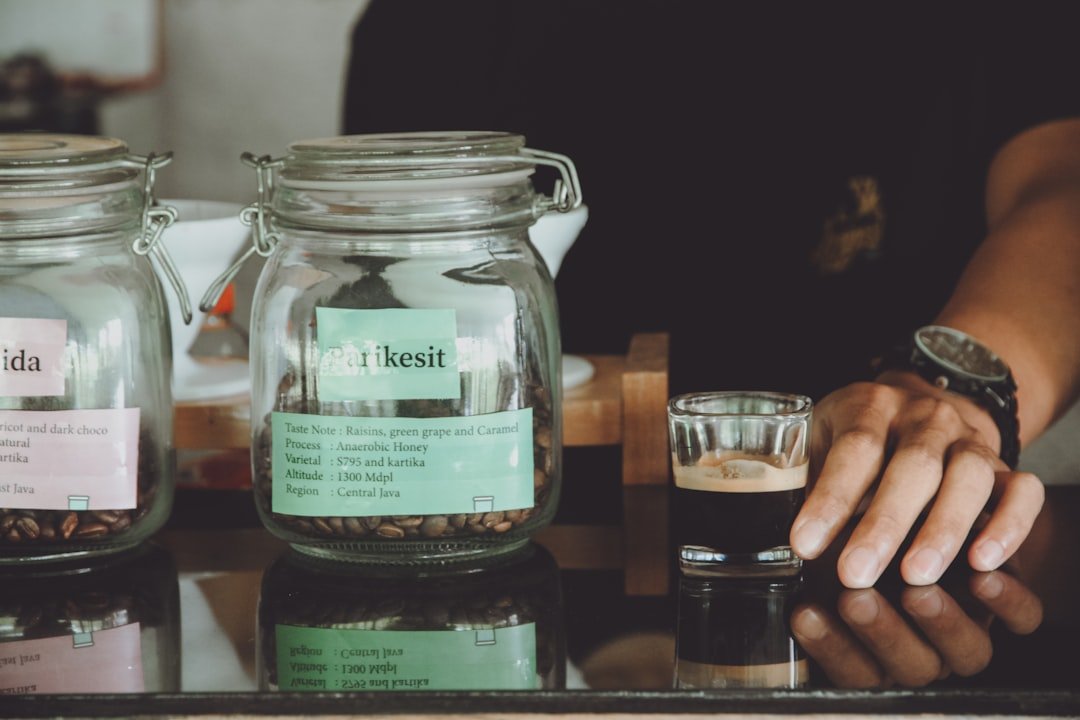
High-end cafés are increasingly treating batch brew like a curated offering: rotating lots, transparent origin info, roast notes, brew method explanations, and smaller, fresher batches throughout service instead of one giant tank left to age into mediocrity. The customer may not see the behind-the-scenes calibration, but they can absolutely taste the result.
This is where menu language matters more than people think. If a café just writes drip coffee, your brain probably files it under generic. If it says Guatemala Huehuetenango, washed, panela and orange, brewed batch or House filter: chocolate, cherry, almond, suddenly the coffee feels chosen. Because it was. The words signal care. They tell you the café did not just need a caffeine option for people who do not want espresso. They picked a coffee that shines in this format.
That menu storytelling effect is part of a larger shift in café culture. Coffee does not need to be performative to be premium. Not every excellent cup requires a slow spiral pour and a vessel that looks like it belongs in a design museum. Some of the most satisfying coffee experiences are almost suspiciously straightforward: good beans, good recipe, good timing, done.
There is relief in that.
And for a lot of young professionals, creatives, remote workers, and generally busy adults trying to maintain at least one nice habit before the group chat starts exploding, batch brew fits real life. High quality, low friction, easy to return to daily. That is not settling. That is choosing a format that respects both your palate and your calendar.
You can see the broader appetite for this in consumer behavior too. The National Coffee Association’s 2024 National Coffee Data Trends report found that past-day specialty coffee consumption reached a five-year high, with espresso-based beverages and gourmet coffee formats showing continued mainstream growth. The interesting subtext is not just that people want specialty—it is that specialty is becoming more everyday. Better coffee is no longer reserved for occasional indulgence. It is woven into routine. Batch brew benefits from that shift because it lives exactly at the intersection of quality and habit. It is the coffee you can actually keep coming back to.
Another small thing people miss: batch brew often lets cafés feature coffees that might be too subtle for milk drinks but incredibly expressive as filter. A delicate washed coffee with floral aromatics and tea-like structure may disappear in a cappuccino but sing in batch. So the format can expand what cafés are willing to offer, not narrow it.
Again: not compromise. Curation.
What to look for if you want the good kind of batch brew
Not all batch brew is created equal. A beautiful café can still serve a sad cup. Minimalist tile does not equal extraction skill. So if you want the good kind, there are a few clues worth noticing.
Start with freshness. This is the big one.
Good cafés usually brew smaller quantities more often, especially during slower periods. They track hold times. They know coffee changes as it sits, even in insulated servers. The ideal window varies depending on the setup, but the basic rule is simple: fresh batch tastes alive; overheld batch tastes tired. If the coffee has that scorched, flat, vaguely metallic flavor that suggests it has been waiting around since someone said “quick sync” forty-five minutes ago, that is not a batch brew problem. That is a service problem.
Ask what is on batch. You do not need to make it weird. Just ask. In a good café, staff should know the origin, processing method, roast profile, or at least why that coffee works well as a batch offering. If they can tell you, “This one is on batch because it is super sweet and balanced, really forgiving as it cools,” that is a great sign. It means the decision was intentional.
Then taste for three things: sweetness, clarity, and structure.
Sweetness
Sweetness is the first signal that the extraction is in a good place. Not sugary sweetness, necessarily, but natural sweetness—caramel, fruit, honey, chocolate, something rounded and pleasant rather than just bitterness.
Clarity
Clarity means the flavors feel distinct instead of muddy. You should be able to notice something about the coffee, even if you are not sitting there writing tasting notes like a judge in a very niche competition. Maybe it is citrusy. Maybe it is nutty. Maybe it has a clean, tea-like finish. The point is that it should not just taste like brown.
Structure
Structure is what makes the cup feel coherent. Acidity, sweetness, body, and finish should make sense together. Good batch brew has shape. It does not collapse into bitterness halfway through or feel watery and hollow from the first sip.
One more underrated move: let it cool a little. Coffee reveals more as the temperature drops. If a batch brew tastes better, sweeter, and more expressive after a minute or two, that is a very good sign. If it falls apart as it cools, less ideal.
And yes, equipment tells a story too. If you spot serious grinders, filtered water systems, insulated servers instead of old-school hot plates, and a menu that names the coffee rather than just the category, the odds are in your favor. None of that guarantees greatness, but it does suggest the café understands that batch brew deserves infrastructure, not leftovers.
Which brings us back to the main point: batch brew is not boring and high-end cafés are proving it every day, quietly, often without demanding applause. The next time you are in a gorgeous café with expensive grinders, immaculate playlists, and exactly one chair that somehow costs more than your monthly utility bill, do not assume the machine-made option is lesser. The most confident order in the room might be the batch brew.
Not because it is humble. Because it is honest.
Frequently Asked Questions
Why do high-end cafés serve batch brew?
High-end cafés serve batch brew because it can deliver excellent flavor with more consistency and speed than manual brewing during busy service. When dialed in well, it becomes a reliable showcase for roast quality, water control, and café standards.
Is batch brew better than pour-over?
Not always, but it can be. A great pour-over can be exceptional, yet a well-calibrated batch brewer often produces more consistent results across many cups, especially in a fast-paced café environment.
How can you tell if batch brew is good?
Look for freshness, clear menu information, and cafés that use insulated servers instead of hot plates. In the cup, good batch brew should taste sweet, clear, and structured rather than burnt, flat, or muddy.
Does batch brew use lower-quality coffee?
No, not in serious specialty cafés. Many quality-focused shops choose coffees specifically for batch because they taste balanced, expressive, and approachable in a filter format.
Sources
- Sprudge — https://sprudge.com/on-the-menu-the-elote-flat-white-at-dawn-cafe-in-nashville-990641.html
- Specialty Coffee Association — https://sca.coffee/research/coffee-standards
- National Coffee Association — https://www.ncausa.org/Research-Trends/NCDT
