

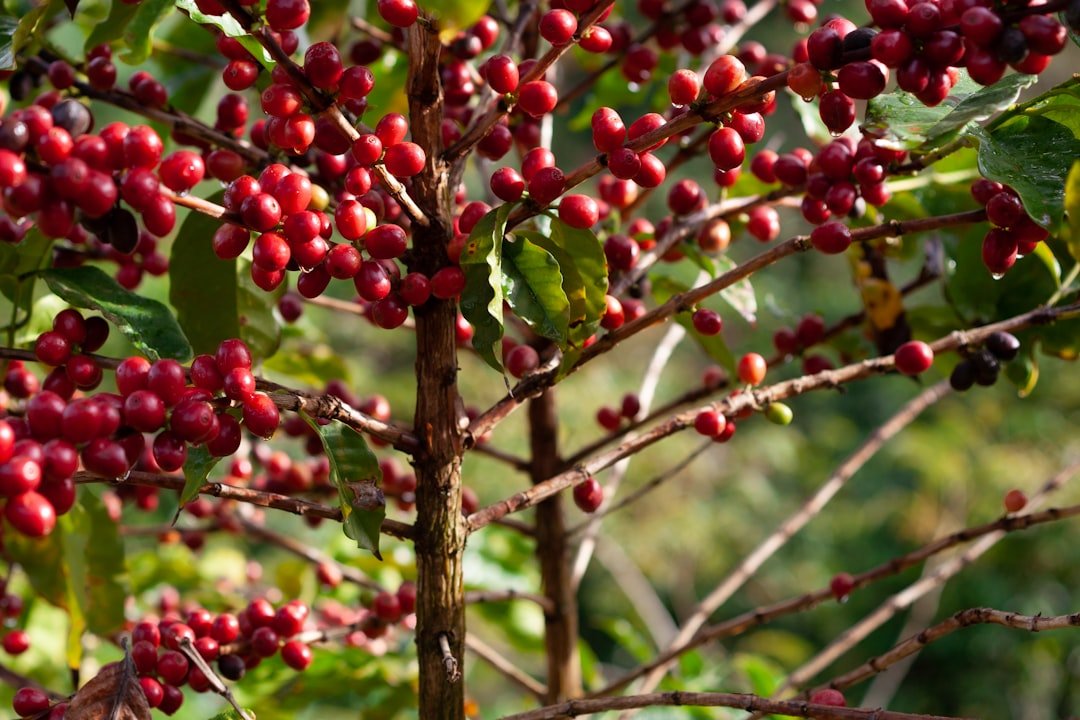
For years, Burundi coffee is finally getting the recognition it deserves has felt less like a hot take and more like a delayed correction. Burundi has been producing remarkably good coffee while bigger origin names took most of the attention. Ethiopia had the legend. Kenya had the prestige shorthand. Colombia became the default answer for people who wanted to sound like they knew coffee without getting too specific. Meanwhile, Burundi kept showing up with cups full of citrus, florals, black tea, red fruit, and polished sweetness. The important part is that none of this is new. The coffee did not suddenly become interesting. The market finally learned how to notice.
That matters because some of the best coffees in the world have spent decades sitting in the shadow of more famous neighbors. Burundi is one of the clearest examples. If you have ever tasted a washed Burundi from a strong washing station and wondered why more people are not talking about it, you are not imagining things. The quality has been there for a long time.
Burundi coffee is finally getting the recognition it deserves
For years, Burundi lived in the category of coffee insiders' coffee. Buyers knew it. Roasters knew it. Serious baristas definitely knew it. Mainstream coffee culture, though, was slower to catch up.
Part of that comes down to scale. Burundi is a small East African producer compared with major coffee powers like Brazil, Vietnam, or Colombia. According to the International Coffee Organization, Burundi's production volumes are modest in global terms. That means it was never going to dominate shelves through sheer output. Smaller scale often means lower visibility, even when quality is excellent.
Still, ask specialty buyers what Burundi tastes like and the answer has been fairly consistent for years: bright acidity, layered fruit, floral aromatics, tea-like structure, and a sweetness that feels refined instead of flashy. In the cup, Burundi often lands in a beautiful middle ground between vibrancy and elegance. It can show some of the juicy sparkle people love in Kenyan coffees, but with a gentler shape. It can also remind drinkers of neighboring Rwanda, especially in washed lots grown at altitude, while still expressing a distinct identity.
That comparison matters, but only up to a point. Burundi and Rwanda both rely heavily on Bourbon varieties and similar high-altitude growing conditions, which helps explain why the coffees can seem related. But Burundi's cup profile is shaped just as much by the washing station system and local microclimates as by the country name. When someone dismisses it as basically Rwanda-adjacent, they miss the most interesting part.
This is really the core argument. Burundi coffee is not newly good. It is newly legible to a market that used to repeat the same famous origin names on loop. Specialty coffee has become more interested in nuance, traceability, and regional differentiation. That shift helps origins like Burundi get recognized for what they truly offer, not just where they sit on a map. If you want more context on how geography shapes flavor, how altitude shapes the coffee in your cup is a useful companion read.
What makes Burundi coffee taste so good?
If you want to understand why Burundi can taste so striking, start with altitude. Much of the country's coffee grows between roughly 1,500 and 2,000 meters above sea level, a range often associated with slower cherry maturation. Slower maturation can mean more time for sugars and acids to develop in the seed, which often translates into the clarity and sweetness specialty drinkers value.
High elevation alone does not guarantee quality. Coffee is agricultural, not magical. But in Burundi, those elevations create strong conditions for crisp acidity, layered flavor, and aromatic complexity.
Then there is the variety story. A large share of Burundi's coffee comes from Red Bourbon, a variety long prized in East Africa for cup quality. World Coffee Research notes that Bourbon-descended varieties are known for excellent flavor potential, even if they can be more delicate in the field. In practical terms, that helps explain why Burundi coffees can show elegant structure with notes like red currant, orange peel, black tea, florals, stone fruit, and caramelized sugar depending on terroir and processing.
Burundi also has a rare ability to combine bright fruit with restraint. At its best, it is not loud for the sake of being loud. It is memorable because the flavors feel composed. That balance is part of what makes the origin so compelling.
Farm structure plays a major role too. Burundi's coffee sector is dominated by smallholder farmers, many of whom work tiny plots with relatively few trees. Coffee is often handpicked and sorted with a level of care that larger industrial systems do not always match. It also means microclimates matter enormously. One hill can produce a noticeably different cup from the next. Small shifts in elevation, rainfall, shade, and soil can all show up in the final profile.
The quality story here does not need mythology. Burundi does not require a dramatic origin fantasy to justify its reputation. The real explanation is more grounded and more convincing: strong altitude, proven varieties, deep smallholder knowledge, careful picking, and processing that can highlight the coffee's natural elegance. For readers comparing processing styles more broadly, washed vs natural coffee: the difference explained simply adds helpful context.
That combination makes Burundi unusually effective at being both clean and memorable. Plenty of coffees are tidy but forgettable. Burundi at its best manages to be precise without becoming boring.
The washing station is central to Burundi's coffee story
If you usually think about coffee in terms of farm or estate names, Burundi asks you to adjust that model. In Burundi, coffees are often identified by washing station rather than by individual farm. Thousands of smallholder farmers deliver coffee cherry to centralized washing stations, where sorting, pulping, fermentation, washing, and drying take place.
That means the washing station is not a minor technical detail. It is one of the biggest drivers of flavor.
This is one of the most important things for newer drinkers to understand about Burundi coffee. In origins with centralized processing systems, the washing station can function almost like a flavor editor. A well-run station can dramatically improve cup clarity, consistency, sweetness, and defect control. Poor processing can flatten even excellent cherry.
Perfect Daily Grind and importer education from companies like Royal Coffee have both emphasized how crucial these stations are in Burundi's quality ecosystem. Many stations receive cherry from hundreds or even thousands of producers, then separate lots by delivery day, area, or quality tier. Better lot separation and stronger process controls have helped standout coffees get recognized instead of disappearing into generic anonymity.
That is also why Burundi's washed coffees have become such a signature. Washed processing removes fruit from the seed before drying, often emphasizing clarity, acidity, florals, and structure. Burundi does this exceptionally well. Where some East African naturals can feel explosive and fruit-heavy, washed Burundi is often more tailored than dramatic. Elegant and precise is a fair description.
There are also increasing experiments with natural and honey processing in Burundi. Those methods can bring deeper fruit intensity, heavier body, and more overt sweetness. But washed remains the classic expression, and for good reason. It lets Burundi's inherent character show through with remarkable clarity.

If you want a practical way to taste coffee connected to Burundi without turning your kitchen into a full cupping setup, MAMA AFRICA is a smart place to start. It features Burundi in the blend, offering a more approachable expression with a deeper chocolate-caramel direction and enough complexity to stay interesting. It is a useful option for someone who wants to explore origin character while still wanting a comforting daily cup.
Another detail worth noticing is speed. In Burundi, coffee cherries are often delivered to washing stations the same day they are picked because ripe cherry can deteriorate quickly in the heat. That timing matters. Fast delivery and processing can preserve quality in a major way. So the station is not only doing technical work. It is also solving a freshness problem in real time.
Why Burundi is getting more recognition now
Coffee culture has matured. Not perfectly, but meaningfully. Buyers and consumers are more interested in under-recognized origins, transparent sourcing, and coffees that feel specific rather than generic. The older assumption that consumers only cared about a short list of famous origins has weakened. People are more curious. Roasters are more willing to tell detailed stories. Importers have improved at preserving lot identity. All of that benefits a country like Burundi.
Competitions and quality platforms matter here too. Burundi has appeared in Cup of Excellence-related quality conversations through the Alliance for Coffee Excellence, and that kind of structured recognition gives smaller origins a stage where the cup can speak louder than reputation. Coffee prestige often lags behind actual quality. A country can produce excellent coffee for years before the market updates its assumptions.
Another important factor is lot separation. As Burundi's coffee infrastructure and export relationships have improved, more coffees have been separated and marketed by specific washing station, commune, hill, or process. That extra detail helps buyers identify standout lots and explain what makes them special. Once a coffee stops being sold as a vague East African blend component and starts being sold as a distinct station lot with recognizable character, people pay attention.
Digital coffee culture has amplified that effect. Roasters, baristas, educators, and coffee media can now spotlight specific producers and stations directly. A beautiful Burundi lot no longer needs a giant marketing machine behind it to find an audience. One compelling roast release, one café feature, one competition routine, or one thoughtful newsletter can create real momentum.
This shift changes how prestige works in coffee. Fame is no longer reserved only for origins with the biggest export footprint or the strongest mythology. It can come from specificity, quality, and people getting better at tasting what is actually in the cup.
The key point is simple: recognition is not the same thing as improvement. Burundi coffee did not need the market's permission to be excellent. The market just finally stopped confusing famous with better.
What Burundi's rise says about how people choose coffee
Most people still buy coffee on autopilot. They choose a country name they have heard before, a roast level that sounds safe, or a tasting note like smooth that says almost nothing. Burundi disrupts that habit because it rewards curiosity. Choose it well, and you get complexity, freshness, and personality without the coffee feeling forced.
That is part of why younger coffee drinkers are responding to origins like Burundi. There is a broader shift toward specificity. Not just African coffee, but which country. Which washing station. Which process. Which variety. Why does it taste the way it tastes? That level of curiosity is becoming more standard among people who care about what they drink.
Burundi fits that mindset beautifully. It has a point of view. It gives you something to notice. It is not always the loudest coffee on the shelf, but it is often the one that makes your default choices feel less convincing after a single good cup.
That does not mean every Burundi coffee experience has to become an elaborate tasting ritual. You can approach it casually too. If you want a lower-lift way to explore coffee connected to Burundi, the Americano Instant sample is a practical option. It includes Burundi among its origins, which makes it useful for people who care where coffee comes from but also need convenience on busy mornings.
There is also a bigger lesson in Burundi's rise. Coffee quality is not always where the loudest attention goes first. Sometimes prestige is just habit wearing better packaging. Burundi reminds drinkers to ask better questions than what is famous. Ask what is actually in the cup. Ask who processed it. Ask what variety it is. Ask whether the flavor is distinctive or merely familiar.
That mindset shift changes everything. Once you start choosing coffee with more intention, the map gets more interesting. Burundi stops being a footnote and starts being what it has long been for people paying attention: one of the most compelling origin stories in specialty coffee. Not because it was overmarketed into relevance, but because the cup kept quietly proving the point.
That is why this recognition feels satisfying. It feels earned.
Sources
- International Coffee Organization — https://www.ico.org/
- Alliance for Coffee Excellence — https://allianceforcoffeeexcellence.org/
- Royal Coffee — https://royalcoffee.com/
- Sweet Maria's — https://www.sweetmarias.com/
- Perfect Daily Grind — https://perfectdailygrind.com/
- World Coffee Research — https://worldcoffeeresearch.org/
- Specialty Coffee Association — https://sca.coffee/
Frequently Asked Questions
Why is Burundi coffee getting more recognition now?
Burundi coffee is getting more recognition because specialty buyers and consumers are paying closer attention to traceability, lot separation, and underappreciated origins. Better marketing of distinct washing station lots has also helped Burundi's quality become easier to see and taste.
What does Burundi coffee usually taste like?
Burundi coffee often tastes bright, floral, and tea-like, with notes of citrus, red fruit, and refined sweetness. Washed lots are especially known for clarity, elegant acidity, and a polished structure.
Why are washing stations so important in Burundi coffee?
Washing stations are central because many smallholder farmers deliver cherries there for sorting, fermentation, washing, and drying. Strong station management can greatly improve clarity, consistency, and overall cup quality.
Is Burundi coffee similar to Rwanda or Kenya coffee?
Burundi coffee can share some traits with Rwanda and Kenya, especially bright acidity and floral character. However, Burundi often feels softer and more elegant than Kenya, with its own distinct identity shaped by microclimate, Bourbon varieties, and washing station processing.
