
The most sustainable coffee order is not always the one with the best branding. In the cold brew vs americano debate, the lower-footprint choice usually comes down to less photogenic stuff: time, refrigeration, dilution, packaging, and what your actual life looks like at 8:12 a.m. on a Tuesday.
That’s the twist. Cold brew gets cast as the thoughtful, artisanal choice. The Americano can seem almost aggressively plain. Espresso and water? That’s it? Cute. But sustainability is rarely about what looks intentional. It’s about systems, energy, waste, and whether your coffee habit quietly turns into a tiny logistics operation.
If you care about impact but would also prefer not to turn breakfast into a TED Talk, the better question is not “Which drink is greener?” It’s “Under what conditions?” A homemade batch of cold brew you actually finish is one thing. A weekly stack of grab-and-go cans living in your fridge is another. Same for an Americano: one made at home in a real mug is easy. A daily delivery order with a plastic-lid entourage is less chic.
And yes, sourcing matters too. Organic coffee can absolutely be part of a more responsible routine. So can traceability. So can better farmer economics. But those labels don’t settle the whole drink debate, because packaging, equipment, refrigeration, and consumption habits still count. Coffee, like most modern pleasures, is a little complicated. Delicious, but complicated.
Which is more sustainable: cold brew or Americano?
In most home and café situations, an Americano is usually the more sustainable choice because it’s brewed fast, served fresh, and doesn’t need long steep times, batch storage, or ready-to-drink packaging. Cold brew can be efficient at scale, but for many drinkers its footprint rises with refrigeration, concentrate bottling, and higher coffee-to-water ratios.
That answer surprises people because cold brew has such strong “I buy very good olive oil” energy. But the mechanics are pretty simple.
An Americano is made by pulling espresso and adding water. It happens on demand, in minutes. Cold brew, by contrast, is usually extracted over a much longer period. Starbucks’ recent explainer on iced Americanos, cold brew, and iced coffee lays out the prep difference clearly: the Americano is espresso-based and immediate, while cold brew is steeped ahead of time and built around slower extraction. Different drinks, different infrastructure, different implications. Brand loyalty is beside the point here; the prep distinction itself is straightforward and useful.
Here’s where it gets interesting: longer does not automatically mean worse. A long process can still be efficient if it’s done well, at scale, with minimal waste. But in real life, longer steeping plus chilled storage often means more planning, more fridge dependence, and more chances for waste. “Set it and forget it” gets less romantic when the batch tastes weird by day four or half the concentrate dies in the back of the fridge next to a brave but doomed bag of spinach.
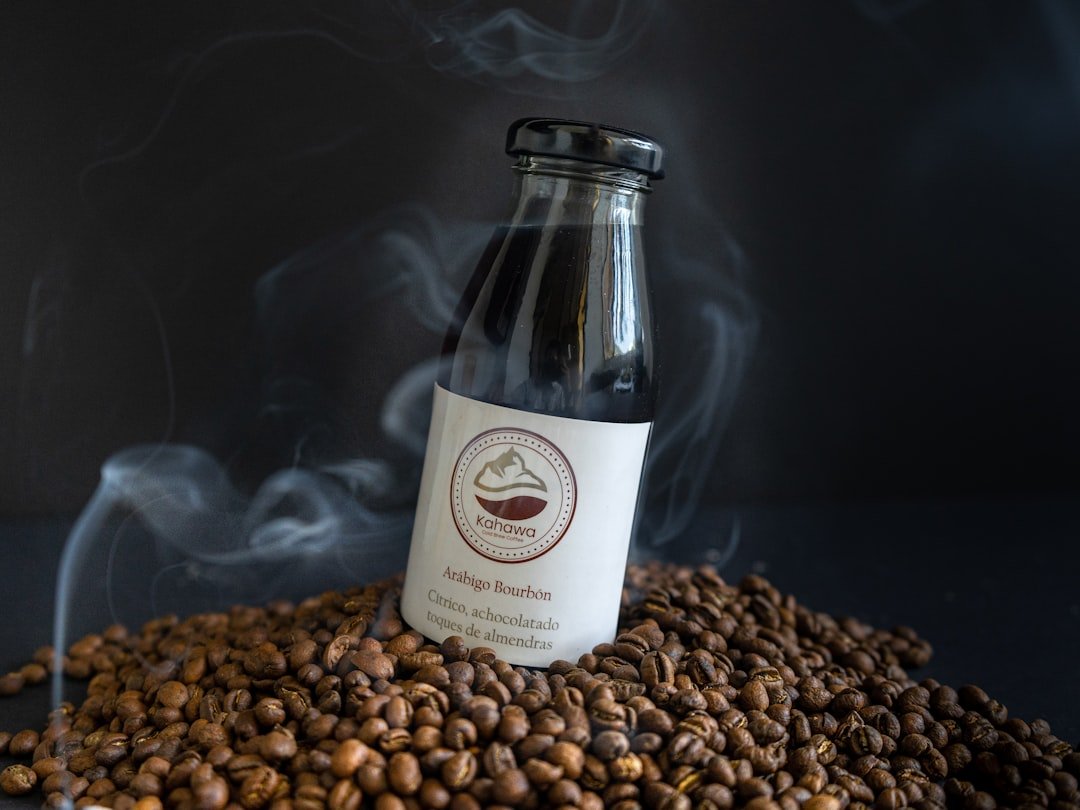
Ready-to-drink cold brew adds another layer. Bottles, cans, labels, cartons, transport, retail refrigeration. That’s not a moral failure. It’s just more stuff. More materials. More cold-chain requirements. More distance between the coffee and your cup.
There is nuance here, though, which is why this whole conversation is more interesting than it first sounds. Daily Coffee News recently covered BrootLegg Extracts, a company using high-pressure cold brew production that can make five gallons in 45 minutes using 2 to 3.5 pounds of coffee, with no disposable filtration media. That’s a real operational shift compared with extended immersion methods that take longer and may need more space and filtration inputs. So cold brew’s footprint depends heavily on how it’s made, not just what it’s called.
Still, for the average person making one drink before work, Americano usually wins on simplicity. Less waiting. Less storage. Less packaging risk. Less chance your coffee routine starts behaving like a side quest.
If you’re a batch drinker replacing daily café runs with homemade cold brew, the math can change. One home-prepped batch in a reusable setup may beat multiple takeaway trips. That’s the whole point: sustainability is contextual, not aesthetic.
The hidden footprint is not the drink—it’s the format
A lot of the cold brew versus Americano conversation gets framed like the drink itself is the whole story. It isn’t. The bigger sustainability split is usually format.
- freshly made at home
- ordered at a café
- grabbed from a retail fridge in a can or bottle
That distinction matters more than most people think.
Take canned cold brew. It’s booming because convenience wins, especially in summer, and the Specialty Food Association member press release on Coffee By Design shows exactly that kind of grab-and-go momentum through a canned chilled cold brew product celebrated as a top seasonal item. People like ease. Obviously. We all contain multitudes and, occasionally, laziness.
But convenience tends to arrive carrying luggage: aluminum cans, printed labels, secondary packaging, warehousing, shipping, retail display, and often refrigeration. Even when the packaging material is widely recyclable in theory, real-world recovery rates and local systems vary. “Recyclable” and “recycled” are not the same thing. More like cousins who look similar in family photos.
Now compare that with an Americano consumed in-house at a café or poured into a reusable cup. Low fuss. No bottle. No can. No cap. No cardboard sleeve if you’re drinking it iced or sitting down. Its downside spikes when it turns into a daily disposable-cup habit, especially through delivery. The issue is not that the Americano itself is secretly a problem. It’s that single-use habits pile up fast.
This is the part people miss while shopping for eco friendly coffee makers or obsessing over environmentally friendly coffee machines. The machine matters, sure. But if you’re buying packaged cold brew every week, the format can outweigh your home gear choices pretty quickly. A beautifully marketed brewer cannot out-green a steady stream of single-use packaging. Harsh, but fair.
A good rule of thumb: the greenest order is often the one that skips single-use packaging and extra transport, not the one with the fanciest menu description. “Small iced Americano in a reusable cup” is not glamorous, but neither is landfill. And one of those has much better crema-adjacent energy.
If you want a broader look at how packaging choices change impact, Compostable Coffee Pods vs Aluminum Pods: Real Impact is a useful companion read.
Cold brew’s cool factor has an energy problem
Cold brew’s branding is impeccable. Chill. Smooth. Patient. Slightly superior without ever saying so. Very “I know a ceramicist.” But behind that cool factor sits a quiet sustainability variable that doesn’t get nearly enough airtime: refrigeration.
Most cold brew is brewed ahead, stored cold, and served from chilled concentrate or bottled stock. That means the drink often carries an energy tail beyond extraction itself. Not always huge. Not always dramatic. But definitely real. Refrigeration is one of those background systems people forget because it’s silent, constant, and hidden behind a stainless-steel door.
That doesn’t make cold brew bad. It just means its footprint isn’t limited to coffee and water.
Daily Coffee News adds some useful nuance here. New high-pressure cold brew systems are trying to solve several classic inefficiencies at once: long extraction times, large space requirements, and disposable filtration media. According to the report, BrootLegg’s setup can produce five gallons in 45 minutes and skips disposable filters entirely. That’s a very different operational profile from a giant slow-steep setup camping out overnight.
So no, “cold brew takes forever” is not some permanent law of the universe. Technology is changing the math. Specialty coffee is, at its best, full of people trying to make things better rather than just more expensive.
But at home? Cold brew can still become a mini production. You need a vessel. Fridge space. A filter, strainer, cheesecloth, or some other workaround you were sure you already owned until you discover you absolutely do not. Then there’s the trial and error. Too weak, too bitter, too sludgy, too much concentrate, not enough concentrate. Suddenly you’re decanting coffee like you’re in a low-budget chemistry lab.
Meanwhile, an Americano asks for almost none of that storage drama. Brew espresso. Add water. Drink it hot, or pour it over ice. Done. No overnight steep. No wondering whether your batch has another day left. No “why does this taste like fridge?”
That’s the hidden thing cold brew’s thoughtful reputation can gloss over: it behaves a lot like meal prep. Efficient if you’re disciplined. Weirdly wasteful if you’re not. A coffee can be smooth and still have an energy tail. Both things can be true. Life is generous like that.

If you’re buying gear, stop fetishizing the machine
Search trends love hardware. People type environmentally friendly coffee makers and environmentally friendly coffee machines like there’s one saintly appliance waiting to absolve them of all future waste. Respectfully, no.
The machine is not the hero. Your habits are.
A home espresso machine used consistently can cut takeaway packaging and transport emissions over time. That’s especially true if it replaces a frequent café or delivery routine. One durable setup, used well for years, can outperform a supposedly “green” gadget that ends up dusty in a cabinet by October.
Same goes for cold brew gear. A sustainable cold brew maker is still basically a container. If it leads to wasted batches, extra paper filters, or emergency backup purchases of canned cold brew because you forgot to make the next batch, then the vibes are not matching the footprint.
Durability matters more than marketing language. Repairability matters more than a box covered in leafy graphics. Energy draw matters more than whether the product page uses the word “conscious” seven times. We’ve all seen packaging that reads like it was written during a eucalyptus-scented brainstorm.
This is why the smartest setup depends on what you actually drink.
If you mostly drink Americanos, a reliable home system can make a lot of sense. Especially if it helps you dodge recurring takeaway waste. And if convenience matters, materials matter too: compostable formats are a lot more future-facing than plastic or aluminum when single-serve coffee is non-negotiable. That’s one reason we care so much about pods made from vegetable fiber rather than the usual plastic-or-metal detour. Not because convenience is evil. Just because making convenience less wasteful feels more realistic and, honestly, more grown-up.
If you genuinely drink cold coffee every day, a reusable cold brew setup can also be smart. But only if you use it consistently and finish what you brew. The most sustainable coffee maker is the one that gets used well, for years, with minimal waste. Not the one with the prettiest unboxing moment.
That’s the part people often miss: usage pattern can matter more than product category. A slightly boring machine that lasts ten years and keeps you off single-use packaging may be more sustainable than a photogenic “eco” brewer with a short life and a chaotic owner. No shade to chaotic owners. Some of us are trying.
For readers comparing home setups, Eco Friendly Coffee Machines—What Actually Matters goes deeper on what to prioritize before you buy.
“Organic” won’t save your order—and that’s kind of the point
A lot of people want one clean label that settles the whole coffee sustainability question. Organic coffee often gets drafted into that role. Sometimes origin does too. Search terms like peruvian coffee can carry this hopeful subtext of “just tell me the good one so I can stop thinking.”
Fair enough. But coffee is not that simple.
Daily Coffee News’ coverage of the 2026 Coffee Barometer makes this painfully clear. The report argues that many coffee-industry sustainability tools, from certifications to corporate reports and pilot programs, still fail to address structural inequities in global coffee trade. Record-high coffee prices have not automatically fixed underlying vulnerabilities for producers. Smallholders still face thin margins, climate pressure, and rising input, freight, energy, and compliance costs. In other words: a nice sustainability claim on a bag does not magically rebalance the system.
That’s a bigger point than “labels are fake.” The point is that labels are partial. They can matter. They can help. They can signal better practices. But they are not cheat codes.
A separate review published in Sustainable Futures and summarized by Daily Coffee News lands in a similar place from the research side. The review looked at 137 peer-reviewed publications from 2000 to 2024 and found coffee sustainability research is growing, but fragmented. Researchers mapped topics like stakeholder roles, byproduct reuse, consumer behavior, and digital traceability, and the takeaway was not “here is the one true answer.” It was more like, “this field is broad, active, and still full of blind spots.”
Translation: there is no single pure metric that makes one drink morally superior forever.
That’s actually good news. It means you don’t need coffee sainthood. You need better decision-stacking.
- choose a format with less waste
- use durable equipment
- avoid buying more than you’ll drink
- pay attention to sourcing where possible
- don’t confuse refrigerated convenience with low impact
- don’t assume “organic” erases packaging, transport, or energy use
This is the systems view, and yes, it’s less sexy than a perfect label. But it’s more honest.
If you want one easy rule, make it this: choose the drink you’ll actually finish, brewed in the least wasteful format available to you. That beats performative perfection every time.
How to choose the smarter sip for your routine
So, which is the smarter sip? Usually, the Americano. Not because it’s more glamorous. Quite the opposite. It wins because it often asks for less time, less storage, less packaging, and less operational fuss. Cold brew can absolutely make sense, especially if you batch it at home and actually drink it. But a lot of cold brew’s sustainability halo comes from style, while a lot of Americano’s edge comes from boring efficiency.
And boring efficiency, ci dispiace, is often where the smartest choices live.
That doesn’t mean you need to dump cold brew forever and start cornering friends at brunch about extraction logic. Please don’t become that person. It just means the better coffee habit is usually the one with fewer moving parts, less waste, and a routine you can actually keep.
Sustainability, done well, should feel less like guilt and more like common sense. Better coffee. Less nonsense. Molto bene.
Frequently Asked Questions
What are the most eco friendly coffee makers for home use?
The most eco friendly coffee makers are usually the ones that are durable, repairable, and fit your real routine. A long-lasting espresso machine, a French press, or a reusable cold brew setup can all be smart if they reduce single-use packaging and wasted coffee.
Are environmentally friendly coffee machines actually better?
Sometimes yes, but not always. A genuinely better machine should last for years, use energy efficiently, and avoid disposable accessories, while many products only market sustainability through packaging or buzzwords.
What should I look for in environmentally friendly coffee makers?
Focus on durability, repairability, energy efficiency, and reusable brewing components. The best choice is the one that supports a lower-waste routine you will actually stick with, not the one with the greenest branding.
Does organic coffee automatically make my coffee routine more sustainable?
No. Organic coffee can support better farming practices, but it does not automatically solve packaging waste, refrigeration energy, delivery emissions, or unfair trade structures around the cup.
Sources
- Coffee Science: Iced Americano, cold brew or iced coffee — what’s the difference? — https://about.starbucks.com/stories/2026/coffee-science-iced-americano-cold-brew-or-iced-coffee-whats-the-difference/
- Inside the 2026 Coffee Barometer, Part 1: Prices Swing, Structures Don't — https://dailycoffeenews.com/2026/07/02/inside-the-coffee-barometer-part-1-prices-swing-structures-dont/
- Review: Coffee Sustainability Research is Growing but Fragmented — https://dailycoffeenews.com/2026/07/15/review-coffee-sustainability-research-is-growing-but-fragmented/
- Bootstrapping BrootLegg Extracts Launches High-Pressure Cold Brew Production — https://dailycoffeenews.com/2026/07/23/bootstrapping-brootlegg-extracts-launches-high-pressure-cold-brew-production/
- Coffee By Design Chilled Cold Brew is a Food & Beverage Magazine Top Summer Product for 2026 — https://www.specialtyfood.com/news-media/news-features/member-press-releases/coffee-by-design-chilled-cold-brew-is-a-food-beverage-magazine-top-summer-product-for-2026/
