
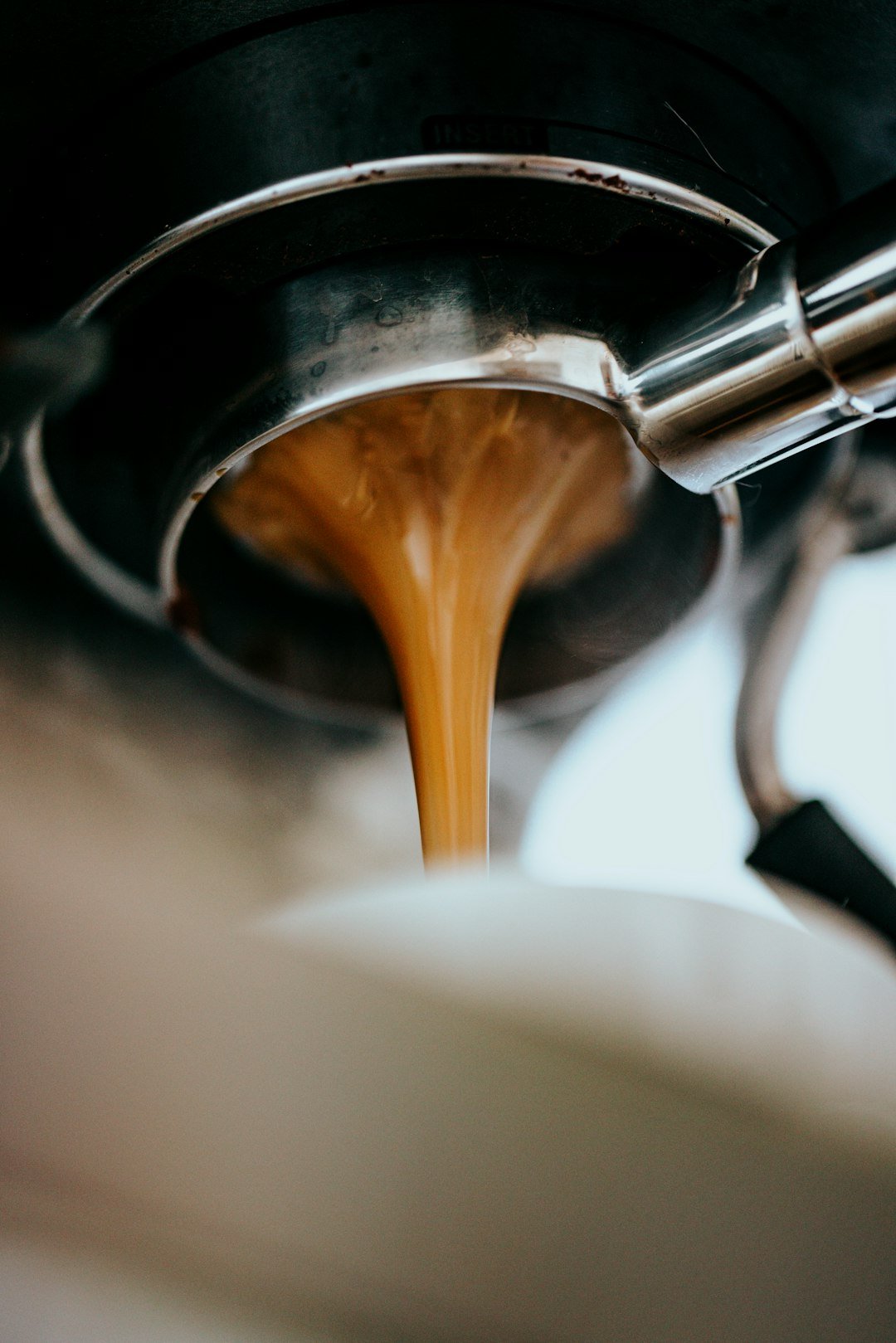
Freddo coffee is a chilled espresso drink built for heat, movement, and modern coffee habits without giving up espresso standards. It is not just iced espresso poured over cubes; freddo coffee relies on shaking or blending espresso with ice to create controlled dilution, light foam, and a smoother texture that holds up far better in real life.
That is the part people often miss. The story is not simply that Italy had the word and Greece made the drink famous. It is that freddo became the cold espresso format traditional bar culture accidentally needed once coffee left the marble counter, moved into takeaway cups, and had to survive summer weather, commuting, and longer sipping.
Classic espresso culture was built around speed and place. You walked in, ordered, drank quickly, and moved on. That rhythm still matters, and it still protects standards. But freddo proves those standards do not have to disappear just because the drink gets cold.
What is freddo coffee?
Freddo coffee is a cold espresso drink made by pulling espresso, shaking or blending it with ice to chill it and create a light froth, then serving it over fresh ice. The two main versions are freddo espresso and freddo cappuccino, which adds cold milk foam on top.
That definition matters because many menus treat every cold espresso drink as if it were the same thing with different branding. Freddo has a distinct method, and the method is the whole identity of the drink.
- Freddo espresso: espresso shaken with ice until lightly foamy, then poured over fresh ice.
- Freddo cappuccino: the same chilled espresso base, topped with cold frothed milk foam instead of hot steamed milk.
The second version is especially interesting because the word cappuccino makes you expect a familiar hot milk drink, but freddo cappuccino is doing something else entirely. It keeps the layered milk-and-espresso idea, then swaps heat for chill and steam for cold foam. Same family, different personality.
While freddo is absolutely an Italian word meaning “cold,” the drink format most people mean when they order a freddo is strongly associated with Greece, not Italy. According to To Vima, freddo espresso and freddo cappuccino account for an estimated 70–80% of all cold coffee beverages consumed in Greece. That is not a niche order. It is a national habit with real cultural weight.
So yes, the language is Italian, but the modern ritual is Greek. That mix is part of why the drink matters. Freddo sits at the intersection of espresso technique, urban lifestyle, and evolving coffee culture.
Freddo did not replace espresso culture—it updated it
Freddo matters because it modernized espresso without watering down the philosophy behind it. Espresso culture has always been about concentration, not just in the cup but in the ritual around it. A proper shot asks for good beans, accurate grind, stable temperature, controlled extraction, and a barista who knows exactly what they are doing.
Classic Italian coffee culture reflects that seriousness in ritual. Espresso is often consumed quickly, standing at the bar. Milk drinks follow real social rules. If you want context for how those traditions still shape behavior, why Italians never order cappuccino after 11am is a useful example of how rhythm and expectation influence the menu.
Freddo belongs to a different rhythm. It is made for warm weather, longer sipping, and moving between places. It works when you are heading to work, crossing the city, sitting outside, or trying to survive a hot afternoon when a straight espresso feels too intense and a hot milk drink feels absurd.
That does not make freddo less serious. If anything, it proves espresso culture can adapt without getting sloppy.
To Vima links freddo’s rise directly to Greece’s on-the-go coffee culture: takeaway cups, lids, straws, delivery kiosks, and a street-based habit that made cold espresso practical every day. The publication describes freddo as democratic, equally at home with lawyers rushing to court and skateboarders between sessions. That detail gets at something real. Some drinks are status props. Freddo feels more like infrastructure.
If classic espresso is the tailored blazer, freddo is the same tailoring in linen. It is still structured and intentional, just built for heat and motion. Coffee culture did not become less disciplined. It simply got better at fitting actual life.
Iced coffee vs iced Americano vs freddo: what is the difference?
Iced coffee is usually brewed coffee served cold over ice. An iced Americano is espresso mixed with cold water and ice. Freddo starts with espresso too, but instead of relying on added water, it is chilled through shaking or blending with ice to create foam, texture, and controlled dilution.
This is where menus get messy. People throw cold coffee terms around loosely, and cafés do not always help. If you have ever stared at a menu wondering whether you are about to get brewed coffee, diluted espresso, or a shaken cold drink with actual structure, the confusion is understandable.
- Iced coffee usually means brewed coffee that has been chilled and served over ice.
- Iced Americano is espresso lengthened with cold water and ice.
- Freddo is espresso chilled through agitation, usually by shaking or blending, with texture built into the drink itself.
That last point is the real separator. Freddo is not just cold. It has structure.
An iced coffee can be excellent, especially when it is brewed thoughtfully and chilled properly. But it begins as brewed coffee, not espresso. An iced Americano begins as espresso, yes, but its whole identity is dilution. Water is added to lengthen the drink and soften the intensity. If you want a deeper comparison of that side of the menu, iced caffe americano vs cold brew—best pick? helps clarify where those categories split.
Freddo does something else. When espresso is shaken with ice, the temperature changes, but so does the texture. Crema and dissolved solids show up differently in the cup. You get a light froth, a smoother mouthfeel, and a profile that feels more polished than simply pouring a shot over ice and hoping for the best.
That is why freddo often tastes more intentional than a generic iced espresso. The technique is the identity.
A lot of café menus use “iced espresso” language as if that covers everything. It does not. Espresso dumped over ice is one format. Espresso diluted with water is another. Espresso shaken specifically to create foam, chill, and controlled dilution is freddo territory.
Because the drink depends so heavily on the shot itself, there is nowhere to hide. Cold temperatures can mute some aromas, but they also sharpen imbalance. A sour shot tastes sharper. A bitter shot feels blunter. Syrup can sometimes rescue bad espresso in sweeter drinks. In freddo, weak technique gets exposed immediately.

One more thing many people do not realize: shaking with ice creates controlled dilution, not random melting. That matters. A little added water opens the drink, rounds the edges, and makes espresso more drinkable cold. Too little dilution and it tastes aggressive. Too much and it loses shape. A good freddo lives in that narrow sweet spot.
Why coffee tech matters to freddo coffee
It is tempting to explain freddo with one lazy sentence: hot country, cold coffee, obvious result. That is only half true. Freddo took off not just because summers are hot, but because cafés had the tools and systems to make it consistently, quickly, and at scale. The real secret is coffee tech.
Start with the espresso machine. Better machines mean more stable brew temperatures, more reliable pressure, and more consistent shot quality. That sounds technical because it is, but freddo depends on it. When the drink is relatively stripped back, every flaw in the espresso becomes visible.
Then there is workflow: shakers, blenders, milk frothers, ice handling, cup design, takeaway lids, straw openings, and service speed. None of this is glamorous, but all of it determines whether a drink becomes a daily staple or stays an occasional novelty.
Freddo works because it can be repeated fast.
To Vima points to that in business terms as well, reporting that Greek chains are bringing signature freddo-style drinks abroad as part of wider international expansion. That tells you this is not just a charming local habit that only works in one sunny market. It is an operationally scalable format.
Broader industry reporting supports the bigger idea. World Coffee Portal shows how actively coffee businesses continue investing in concepts shaped by convenience, takeaway, and changing routines across markets. Freddo fits that shift perfectly because it solves a practical problem without abandoning quality.
The less romantic truth is that coffee people love talking about origin, terroir, roast curves, and tasting notes, but many consumers decide based on friction. Which drink fits the commute? Which one travels well? Which one can be made quickly without turning watery? Which one still feels good at 2:30 p.m. when the day is dragging?
That is where freddo wins.
Italian coffee heritage still matters quietly in the background. Even if the format looks more contemporary than classic bar service, it still depends on everything espresso culture has always taken seriously: extraction, balance, proportion, and restraint. If you want to understand that backbone better, coffee tech is going invisible—and that’s the shift offers a useful lens on how equipment and workflow shape what ends up in the cup.
Why freddo coffee feels right now
Some cold coffee drinks feel like dessert with caffeine attached. Freddo does not. That is part of why it feels current. It is not syrup-first, and it is not trying to distract you with whipped toppings, candy textures, or novelty for its own sake. It is cleaner, sharper, and more adult without becoming joyless.
For younger professionals especially, that balance lands. You want something practical, but not bleak. Portable, but not cheap-feeling. Strong, but not harsh. Cold, but not diluted into irrelevance. Freddo gets there through technique instead of spectacle.
People are also more tuned into texture than they used to be, even if they cannot explain it in technical language. Not everyone can discuss extraction yield, but almost everyone can tell when a drink feels thin, clunky, silky, or balanced. Freddo’s appeal is not only flavor. It is build. It feels engineered in the best way.
There is also evidence that the drink has moved beyond Greece and into the wider coffee conversation. Eater NY highlights freddo espresso in Astoria’s Greek coffee scene, calling out a version at Coffee Pot: a double shot shaken until frothy, served over ice, with cinnamon adding another layer of flavor and texture. That is not just nostalgia. That is local coffee credibility.
That Astoria example matters because drinks become globally relevant when they survive translation. They leave home and still make sense somewhere else. When a neighborhood with strong coffee opinions treats a drink like part of the real menu rather than a novelty, it has crossed over.
Freddo has that quality.
It also fits this moment because it does not force a fake choice between tradition and innovation. The best coffee rituals survive by changing shape without losing standards. Italians know rituals matter. Greeks showed rituals can evolve. Everyone else gets the benefit.
Think of freddo like a well-cut linen suit. It looks easy only because somebody got the details right. If the structure is off, the whole thing collapses. If the structure is right, it feels effortless.
Maybe that is the whole point. Espresso culture used to be built around place. Freddo kept the standards, then adapted them for motion.
What freddo coffee says about modern espresso culture
Freddo is more than a summer order. It is proof that espresso culture can leave the bar, enter the street, and still keep its standards intact. That makes it one of the clearest examples of how coffee traditions survive: not by freezing themselves in time, but by adjusting to how people actually live.
It respects the shot. It respects workflow. It respects the reality that many people want coffee they can carry, sip longer, and enjoy in hot weather without settling for a watery compromise. That is why freddo matters beyond Greece and beyond trend cycles.
If you are stuck on a menu comparing iced coffee vs iced Americano, ask a better question. Do you want dilution, or do you want structure?
That is the line between a cold caffeine delivery system and a drink with an actual point of view.
Frequently Asked Questions
What is freddo coffee?
Freddo coffee is a cold espresso drink made by shaking or blending espresso with ice, then serving it over fresh ice. The process creates light foam, smoother texture, and controlled dilution that sets it apart from generic iced espresso.
Iced coffee vs iced Americano: what’s the difference?
Iced coffee usually starts as brewed coffee that is chilled and poured over ice. An iced Americano starts with espresso, then adds cold water and ice to lengthen the drink and soften its intensity.
Is freddo coffee part of espresso culture?
Yes. Freddo depends on proper espresso extraction, balance, and shot quality, so it belongs firmly within espresso culture. It updates the ritual for warm weather and takeaway life without abandoning the standards behind the drink.
How does coffee tech change cold espresso drinks?
Coffee tech makes cold espresso drinks more consistent and scalable. Better espresso machines, shakers, frothers, ice workflow, and takeaway systems help cafés produce drinks like freddo quickly without losing texture or balance.
Sources
- The Week in Coffee, 13-19 July 2026 — https://www.worldcoffeeportal.com/news/the-week-in-coffee-13-19-july-2026/
- Fresh Cup: Coffee Industry Stories and Insights — https://freshcup.com/?block_area=sidebar
- The Freddo Espresso: A Modern Greek Cultural Phenomenon — https://www.tovima.com/culture/the-freddo-espresso-a-modern-greek-cultural-phenomenon/amp/
- Greece Sends Its Signature Coffee Abroad as Chains Expand Internationally — https://www.tovima.com/finance/greece-sends-its-signature-coffee-abroad-as-chains-expand-internationally
- Where To Find the Best Coffee and Tea in Queens — https://ny.eater.com/2024/12/19/24324992/best-coffee-tea-nyc-queens
