
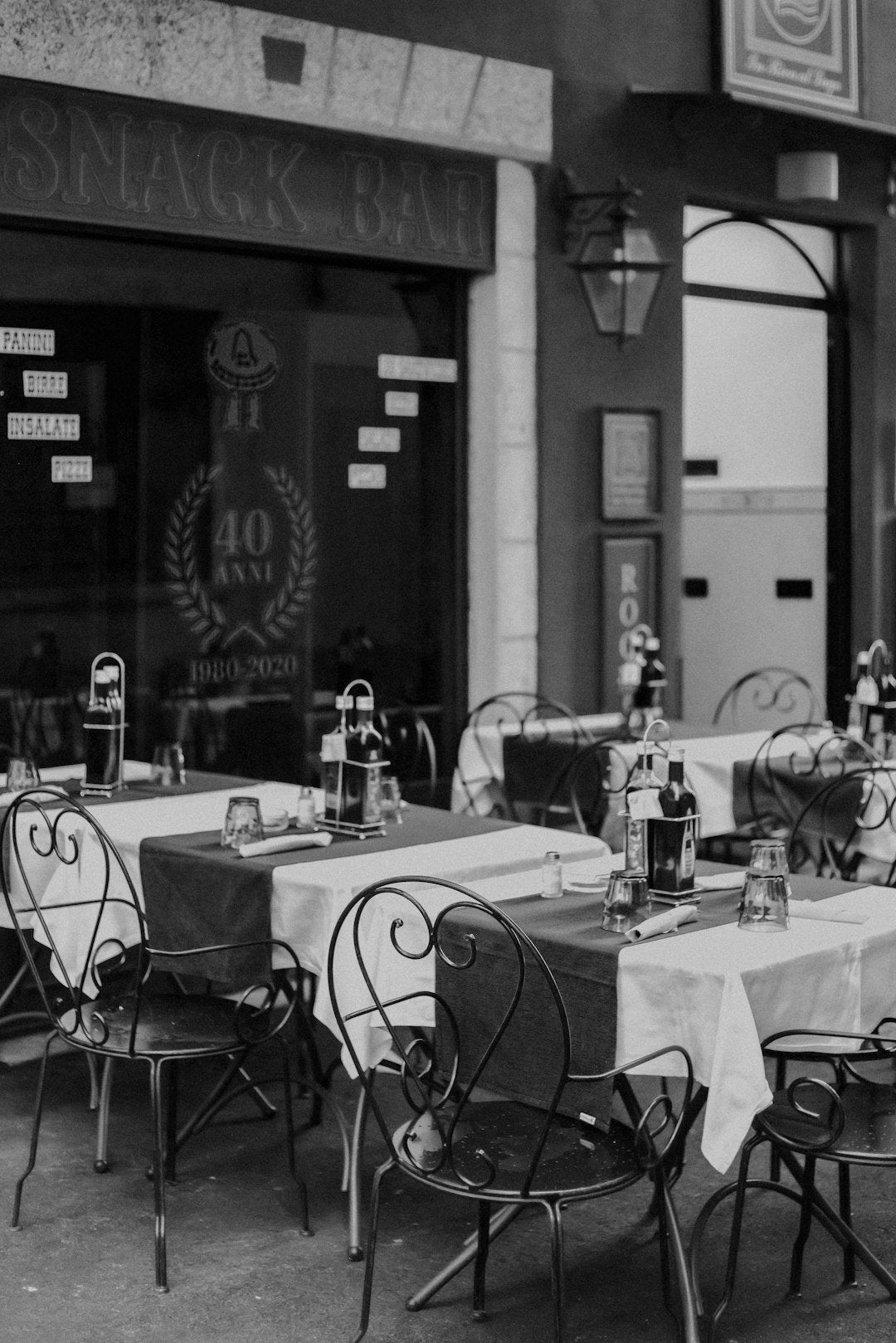
The real luxury in 2026 isn’t rare beans, swan-neck latte art, or a countertop full of brewing gear that looks faintly surgical. It’s ritual coffee. The kind that says something about you before you’ve even said buongiorno. There’s a difference between grabbing caffeine and stepping into a social code, and Italy figured that out a long, long time ago.
A lot of young professionals talk about coffee as “self-care,” which is fine. Sure. God bless. But in Italy, coffee has never been just indulgence. It’s rhythm. Restraint. Timing. Knowing what to order, when to order it, how long to stay, and when to leave. That might sound strict until you realize how freeing it is. No twelve-step morning optimization spreadsheet. No identity crisis at the register. Just a tiny cup and a system that works.
And that’s the twist: the future of coffee and culture looks weirdly old-school. From Italy’s standing espresso bars to Japan’s hushed kissaten to reservation-only tasting cafés in Brooklyn, the most interesting coffee rituals right now are built on repetition, attention, and rules. Not because rules are romantic by themselves, but because they give a basic act some shape. Humans love shape. Give us a little structure and suddenly a two-minute coffee break feels like civilization.
What is ritual coffee?
Ritual coffee is coffee shaped by repeatable rules: when you drink it, where you drink it, how it’s served, and what it signals socially. It matters less as a beverage category than as a pattern of behavior that turns an ordinary cup into a meaningful, recognizable act.
That’s the clean definition. But let’s push it a little. Ritual coffee is behavior + setting + timing + meaning. Not just brew method. Not just “I drink coffee every morning.” Plenty of people drink coffee every morning while answering emails in bed with one eye open and one sock on. That’s not ritual. That’s survival.
Ritual starts when the act becomes repeatable in a way that means something. Maybe it’s the exact bar where you take your espresso before work. Maybe it’s the ceramic cup you only use on Sundays. Maybe it’s the pause itself—the five minutes when your phone stops bossing you around. The coffee matters, obviously. But the structure around the coffee is what gives it cultural weight.
That’s also why ritual is different from generic “morning routine” content online, where coffee gets treated like a productivity accessory with better lighting. Ritual is communal, inherited, legible to other people. It tells a shared story. If a local barista sees your order and instantly knows what kind of morning you’re having, that’s culture. If your coffee setup exists mostly to be filmed from above, that’s a different genre.
One of the best examples comes from Japan’s kissaten tradition, described by Sprudge as spaces where a single barista works in near silence, the drip of water audible, the room almost chapel-like in its quiet reverence. Customers return not just for taste, but for atmosphere, precision, and routine. That detail matters: some coffee spaces are designed less like cafés in the casual Western sense and more like sanctuaries organized around repeated gestures and attention. That’s ritual in its purest form. Not loud. Not flashy. Deeply intentional.
And here’s the part worth keeping: ritual is what survives trends. Menus change. Milk alternatives rotate. One year everyone wants tonic espresso, the next everyone wants something that tastes like banana bread and emotional closure. Fine. But the human need for repeatable meaning doesn’t change much. That’s why coffee rituals outlast fads. They answer a more basic need than novelty ever can.
Italy’s espresso culture isn’t slow living—it’s efficient theater
People love to romanticize italian coffee as leisurely and cinematic, all linen shirts and Vespa energy. Cute image. Not exactly wrong. Just incomplete. Real espresso culture in Italy is usually fast, disciplined, and highly coded. It’s less “linger for hours with a giant drink” and more “arrive, order, drink, continue being a functioning adult.”
That speed is part of the beauty.
One classic move in Italy is drinking espresso standing at the bar. Not because Italians are allergic to chairs, but because the bar is a social machine built for quick contact. You step in, exchange a few words, take your caffè, and step back into the day. The whole thing can take under two minutes. Somehow it’s efficient without feeling cold, which is a trick a lot of modern systems still haven’t mastered. For a related look at how this works in everyday life, see Italian bar culture and why counter coffee feels different.
And yes, there are rules. Real ones. Not fake internet folklore.
Cappuccino? Usually a morning drink. Many Italians avoid milk-heavy coffees later in the day, especially after meals. The logic is partly digestive, partly cultural, partly just habit hardened into instinct. Order a cappuccino at 4 p.m. in Italy and nobody’s going to arrest you, relax, but you may quietly reveal that this system did not raise you.
Then there’s ordering style. In many Italian bars, you don’t deliver a monologue. You don’t explain your preferences like you’re in a therapy session with oat milk. You order simply, clearly, confidently. Un caffè. Un macchiato. Un cappuccino. The drink is standardized enough that the ritual does a lot of the work. That’s another thing outsiders often miss: Italian coffee culture depends on trust in the form. The form is the feature.
Which, weirdly, makes it feel modern again. Because what looks old-fashioned is actually a very elegant answer to a problem we now have everywhere: how do you protect tiny moments of humanity from becoming either chaotic or over-engineered? The standing espresso is the anti-optimization ritual. It gives shape to the day in 90 seconds, not 90 mindfulness hacks and a podcast about becoming your best self.
There’s social intelligence in it, too. In Italy, coffee is often less about retreat and more about re-entry. You don’t disappear into your cup for three hours. You use it to punctuate movement: before work, after lunch, between errands, on the way to somewhere else. Coffee becomes punctuation, not a hostage situation.
That may be the most underrated lesson in espresso culture: ritual doesn’t have to be slow to be meaningful. Sometimes the shortest acts carry the strongest code.
Why ritual coffee is suddenly cool again
After years of convenience culture training us to expect everything instantly, people are now paying for slowness on purpose. Which would have sounded ridiculous ten years ago, but here we are, booking our beverages like they’re tiny appointments with sanity.
A sharp example comes from Brooklyn, where Field Study Coffee shifted to reservation-only service, offering one-hour coffee experiences, guided tastings, and omakase-style service. Co-founder Norberto Peña told Daily Coffee News that slowing service allowed the team to spend more time with each guest and prioritize “a more intentional experience rather than trying to maximize volume.” That’s a pretty radical sentence in American café culture, where volume has often been the whole model.
This matters because it points to a broader shift: ritual is becoming the premium feature, not speed. People aren’t only buying coffee; they’re buying structure, attention, and atmosphere. They want the cup, yes, but also the frame around the cup. The reservation itself becomes part of the experience. You’re not merely consuming. You’re arriving.
Then there’s elite specialty coffee, where ritual gets formalized almost into choreography. At the 2026 US Barista Championship, Sprudge’s coverage highlights what anyone who has watched these competitions already knows: flavor is only part of the performance. Presentation, storytelling, movement, sequencing—these all shape how value is communicated. Barista routines are, in the most literal sense, rituals. Rehearsed, precise, loaded with meaning, and designed to guide the audience through an experience rather than just a beverage.
That can sound a little theatrical because, well, it is theatrical. But not in a fake way. More like fine dining, where service itself becomes part of the craft. The contemporary coffee world has finally admitted that how coffee is delivered changes how it is understood. Not exactly shocking, but seeing it codified on a championship stage makes it impossible to ignore.
Meanwhile, app-driven coffee habits have flattened a lot of everyday experience. Tap. Order. Pickup shelf. Name misspelled in a way that feels weirdly intimate. Done. Useful? Absolutely. Soulful? Let’s not lie to each other.
That’s why ritual coffee suddenly feels fresh again. Not because people are tired of convenience, exactly, but because convenience on its own is emotionally thin. It solves access, not meaning. And once access is handled, people start craving form. A place to stand. A sequence to follow. A reason to pay attention.

The funny part is that what feels new in Brooklyn or Denver is often just a remix of older systems. Italy has had efficient ritual forever. Japan has had reverent ritual forever. The U.S. is now rediscovering that customers don’t always want more options—they often want a more coherent experience. If you want another example of place shaping coffee behavior, read how Tokyo coffee culture leaves the world behind.
And yes, some of this is a reaction to chaos. If work is hybrid, schedules are messy, and half your day happens through notifications, a coffee ritual starts to feel less like a luxury and more like a stabilizer. A tiny fixed point. No wonder it’s cool again.
Coffee and culture: the ritual says more than the roast
If you want to understand coffee and culture, stop obsessing over tasting notes for a second and watch what people do with the cup.
Three models make this especially clear.
Italy: speed, social fluency, repetition. The drink is small, the code is big. You stand, order, sip, move. The ritual says: I know the rhythm, I belong to the day, I don’t need coffee to become a whole side quest.
Japan’s kissaten: quiet reverence, atmosphere, precision. Sprudge describes spaces with dark wood, hushed rooms, careful brewing, and loyal regulars returning to a chosen kissa almost devotionally. The ritual says: attention is respect. Silence is not emptiness; it’s part of the flavor.
Contemporary U.S. specialty: curated storytelling, guided service, performance. Whether it’s a reservation-only tasting or a championship barista routine, the ritual says: coffee can be an authored experience. Someone has thought carefully about what you’re about to feel.
Different countries, different codes. Same underlying question: what kind of person are you while drinking this?
That’s why coffee culture is never just about roast profile. The ritual tells you whether coffee is a quick social checkpoint, a contemplative practice, or a lifestyle performance. And yes, “performance” isn’t always an insult. Humans perform identity constantly. Clothes do it. Restaurants do it. Music scenes do it. Coffee definitely does it.
That’s part of what the Forbes piece on Lavazza’s Hollywood presence gets at. The article frames coffee not simply as a product category, but as a cultural signifier embedded in entertainment, lifestyle, and identity. In North America, coffee brands increasingly sell a feeling of belonging to a certain world. Not just “this tastes good,” but “this is the kind of life you recognize.”
That’s powerful. Also a little dangerous.
Because ritual can be meaningful, but it can also become aestheticized performance dressed up as depth. Not every “intentional” coffee moment is actually profound. Sometimes a dimly lit tasting bar is truly transporting. Sometimes it’s just expensive and good at Instagram. Both things exist. Your job as a drinker is to know the difference.
A useful test: does the ritual create attention, memory, and relationship? Or does it mostly create content? One tends to nourish you. The other tends to make you pose with your cup like it’s a tiny prop in the ongoing series called My Tasteful Life.
No shame. Just discernment.
The uncomfortable truth behind beautiful coffee rituals
Here’s the part that makes the whole conversation more honest.
Coffee rituals can become more refined, more aesthetic, more expensive, and more culturally sophisticated while the people producing coffee still face brutal structural pressure. That’s not theory. The 2026 Coffee Barometer, covered by Daily Coffee News, argues that record-high commodity coffee prices have not fixed the industry’s deeper sustainability failures. If anything, those high prices exposed how little structural reform has actually happened.
The Barometer’s core point lands hard: much of the value in coffee still flows downstream, while smallholder farmers and farmworkers remain the most vulnerable. Thin margins, rising input costs, climate vulnerability, plus higher fertilizer, freight, energy, and compliance costs—those problems do not disappear because a café menu got more elegant or because consumers learned the difference between washed and natural process.
That’s the uncomfortable truth behind beautiful rituals. The downstream experience can become exquisite while upstream economics remain shaky.
And no, this doesn’t mean you need to feel guilty every time you enjoy a lovely espresso. Guilt is boring and rarely useful. But understanding? That matters. The smartest coffee drinker can hold two truths at once: ritual is genuinely valuable, and romance alone does not pay producers.
This is where coffee people sometimes get a little too drunk on their own storytelling. We talk beautifully about origin, craft, terroir, hospitality, sustainability. Great. Necessary, even. But if the structure underneath still leaves producers exposed, then the story is incomplete. A polished ritual should not become a decorative curtain hiding where the money goes.
If your reaction here is “huh, I didn’t know that,” good. That’s probably the right reaction if you’ve mostly encountered coffee through branding and café design. The industry is full of emotional language that can make everything feel ethically resolved when it isn’t. The Coffee Barometer pushes back on that comfort. Hard.
And honestly? Good. Ritual deserves honesty. Otherwise it becomes just another luxury script for people farthest from the risks.
Maybe your morning ritual coffee needs fewer steps, not more
A good morning ritual coffee does not need to look like an equipment sponsorship deal. The best rituals are usually the ones simple enough to survive real life.
That’s where Italy still has the better lesson. Not because Italians are morally superior about coffee—calma—but because the culture understands something a lot of us forget: repetition beats complexity. A ritual only works if you actually repeat it.
So maybe your coffee ritual needs fewer steps, not more.
- Pick a time.
- Pick a cup.
- Stop multitasking for five minutes.
- Know why this coffee belongs in your day.
That’s it. That’s the skeleton.
You don’t need seven syrups, a playlist called “soft launch mornings,” and a hand-thrown mug that cost more than your utility bill. If those things delight you, va bene. Keep them. But don’t confuse ornament with meaning. Ritual is not how elaborate the setup looks. Ritual is how clearly the act marks your life.
This is also where we should speak briefly, lovingly, and with one raised eyebrow about tiramisu coffee. It’s fun. It can be delicious. Coffee that nods to tiramisu—that iconic Italian dessert layered with espresso, mascarpone, and cocoa—has obvious appeal because it folds sweetness, nostalgia, and caffeine into one mood. No notes. But not every coffee moment needs to taste like dessert or become content. Sometimes the most memorable cup is the plain espresso you didn’t photograph because you were too busy actually drinking it.
That may be the cleanest distinction between a ritual and a trend. A trend asks, “How can this be more?” A ritual asks, “What deserves repeating?”
If you want a stronger coffee life, don’t start by buying more gear. Start by choosing a form. Maybe it’s a quick stovetop moka on weekdays and a slower cup on Sundays. Maybe it’s one espresso after lunch, always seated for once, no phone in sight. Maybe it’s standing at your kitchen counter for two minutes and pretending, just slightly, that your apartment is a neighborhood bar in Rimini.
The point isn’t to imitate Italy like it’s a costume. The point is to borrow the wisdom: coffee feels better when it has a place.
So here’s the question worth keeping after the cup is empty: if your coffee ritual disappeared tomorrow, would you miss the flavor—or the version of yourself it helps you become?
Frequently Asked Questions
What is ritual coffee?
Ritual coffee is coffee shaped by repeated habits, timing, place, and social meaning. It turns an everyday drink into a recognizable practice that gives structure to part of your day.
How does coffee and culture connect?
Coffee and culture connect through shared rules, spaces, and behaviors. The way people order, drink, and pause around coffee reflects local ideas about time, hospitality, identity, and social life.
What defines espresso culture in Italy?
Espresso culture in Italy is defined by speed, simplicity, and social codes. Coffee is often taken standing at the bar, orders are concise, and milk-heavy drinks like cappuccino are usually kept to the morning.
What is tiramisu coffee?
Tiramisu coffee is a coffee drink inspired by tiramisu flavors like espresso, cocoa, cream, and mascarpone-like sweetness. It is more dessert-like than classic Italian bar coffee, which is part of its appeal.
Sources
- The Japanese Kissaten Cafe Tradition: Past, Present and Future — https://specialprojects.sprudge.com/?p=951
- The 2026 US Barista Championship: Round One, Day One — https://sprudge.com/the-2026-us-barista-championship-round-one-day-one-1090611.html
- Field Study Coffee Introduces Reservation-Only Service in Brooklyn — https://dailycoffeenews.com/2026/07/14/field-study-coffee-introduces-reservation-only-service-in-brooklyn/
- Inside the 2026 Coffee Barometer, Part 1: Prices Swing, Structures Don’t — https://dailycoffeenews.com/2026/07/02/inside-the-coffee-barometer-part-1-prices-swing-structures-dont/
- How Italian Coffee Company, LAVAZZA, Is Taking Over Hollywood — https://www.forbes.com/sites/laurasirikul/2026/06/30/how-coffee-brand-lavazza-is-taking-over-hollywood/
