

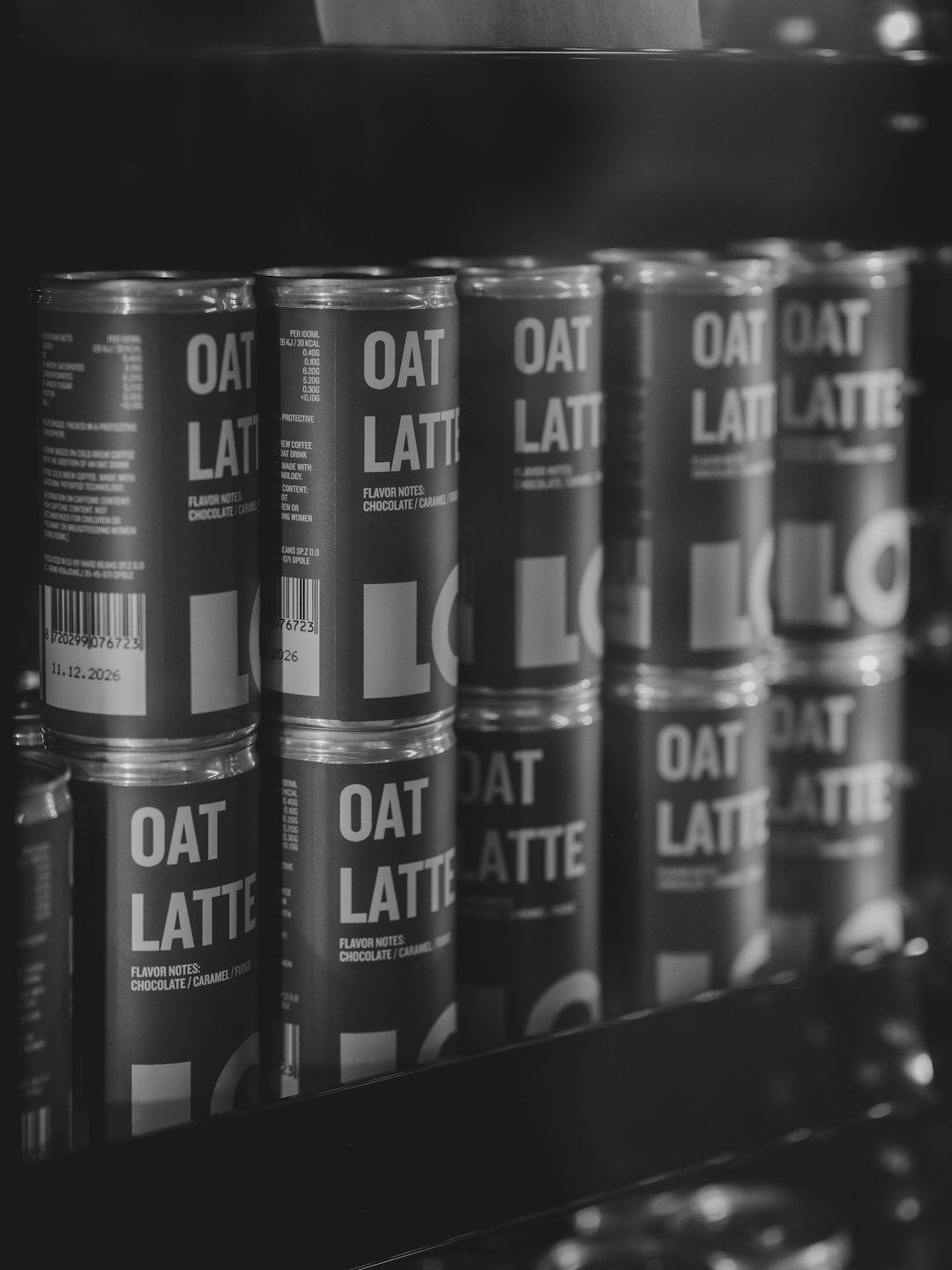
Oat milk in espresso drinks and why baristas actually prefer it now comes down to something less glamorous than hype: it works. A few years ago, oat milk was the backup option beside soy, almond, and the occasional rice milk carton cafés kept around out of habit. Now, in many shops, it is the milk baristas reach for with genuine confidence because it behaves well in the pitcher, in the cup, and during a rush when consistency matters most.
That practical shift explains why oat milk stuck. Baristas kept it around because it steams predictably, textures well, and usually lets espresso still taste like espresso. In coffee, that is the whole point. The rise of oat milk was not just cultural. It was operational, sensory, and rooted in the daily reality of making hundreds of drinks without turning every non-dairy order into a gamble.
Oat Milk in Espresso Drinks and Why Baristas Actually Prefer It Now
There was a time when ordering a plant-milk cappuccino felt like asking the café to perform a minor miracle. Early almond milk was often thin, prone to splitting, and somehow capable of making a latte taste watery and aggressively almond at the same time. Soy had a much longer café era and held the default non-dairy spot for years, but it could be fussy with acidic espresso and had a habit of dominating the cup instead of supporting it. Coconut milk brought aroma, but not always balance.
That is why oat milk matters. It did not take over because cafés wanted to look current. It took over because, in a busy bar setting, the best milk is the one that creates fewer problems. Fewer remakes. Fewer split pours. Fewer drinks that look fine at first and then taste strangely off. Baristas notice those details fast because service is controlled chaos with steam, and inconsistent ingredients become the enemy.
During a rush, every second counts. A milk that foams one way at 8 a.m. and another way at 10:30 because the carton warmed up too much is frustrating. A milk that curdles when it meets a brighter espresso is worse. A milk that makes latte art feel impossible is not staying popular behind the bar for long. Oat milk, especially in barista formulations, solved several of those problems at once.
It offered better steaming stability than many earlier plant milks, more body in milk drinks, and a flavor profile that usually did not hijack the cup. For baristas, that combination matters more than trend cycles. If something becomes a staple in cafés, it usually earned the spot by making the job easier and the drinks better.
A useful clue comes from industry coverage. Reporting from Food & Wine, Bloomberg, and specialty coffee publications has repeatedly pointed to cafés embracing oat milk because it performs especially well in coffee service. Demand may have opened the door, but performance paid the rent.
The Real Reason Baristas Like It: Oat Milk Plays Nicely With Espresso
Espresso is concentrated, aromatic, bitter, sweet, acidic, and texturally intense all at once. That means anything added to it gets exposed immediately. If a milk is too watery, the drink feels hollow. If it is too assertive, it bulldozes the coffee. If it is too sweet, the drink turns one-note fast.
Oat milk often lands in the middle. Its natural cereal-like sweetness can soften bitterness without flattening the shot. Instead of covering espresso, it often rounds it out. Chocolate notes feel deeper, caramel tones get warmer, and nutty or biscuit-like notes become more obvious. Even some fruit-forward espressos can work surprisingly well if the oat milk is not overly heavy.
That is why many baristas think of good oat milk less as a disguise and more as a translator. It takes the sharper edges of espresso and makes them more approachable without erasing the coffee’s personality. The goal in a milk drink is not for milk to disappear. The goal is balance. Espresso and milk should make each other taste better.
Body matters too. Compared with thinner plant milks like almond or rice, oat milk tends to create a fuller mouthfeel that feels closer to dairy. Not identical, but closer. That extra weight in the cup gives espresso drinks structure, especially smaller drinks where texture and density are part of the appeal. If you want a deeper look at how espresso structure affects milk drinks, the science of crema and your espresso shot helps explain why balance starts with the extraction itself.
There is also a chemistry angle. Oat milk formulations often include oils and stabilizers that help mimic some of the richness dairy naturally has. So you are not just tasting oats and water. You are tasting a product designed to hold together in coffee. That engineering matters because espresso is unforgiving.
There are limits, of course. Some oat milks are too sweet. Some lean so heavily into oat flavor that they taste almost granola-like. Some leave a gummy finish that blurs delicate espresso profiles. If a café uses a very light, floral, tea-like espresso, oat milk can mute nuance more than whole dairy might. But in the everyday drinks people actually order, like cappuccinos, lattes, flat whites, and iced shaken espressos, oat milk tends to perform in a way that feels intentional rather than apologetic.
One detail many people do not know is that perceived sweetness in oat milk can come from enzymatic processing, where starches are broken down into simpler sugars during production. So if an oat latte tastes naturally sweeter than expected, that is often built into how the milk was made rather than added syrup.
Texture Is Everything, and Oat Milk Froths Like It Understands the Assignment
If flavor gets the headlines, texture quietly runs the show. A mediocre espresso with beautiful milk texture can still feel luxurious. A great espresso with bad foam feels like a missed opportunity. That is why baristas care so much about steaming. The goal is not just hot milk. It is microfoam: tiny, even bubbles that create a glossy, paint-like texture.
Dairy still has the classic advantage because of its protein structure. Milk proteins help stabilize foam in a way plant milks have had to work hard to imitate. But oat milk has closed the gap enough to become genuinely useful in café service. Barista oat milks are specifically formulated to steam better, often with added fats, emulsifiers, and stabilizers that help create tighter foam and better integration with espresso.
What matters behind the bar is simple: good oat milk can stretch smoothly, polish nicely, and pour with enough control for solid latte art. That is operational gold in a café.

In practical terms, better texture means more consistent steaming during rushes, less splitting or curdling with acidic espresso, better pour control for latte art, and fewer drinks that collapse into a sad frothy layer on top of hot beige liquid. Pour control is not just about aesthetics. If the milk texture is right, it integrates better with espresso and creates a more balanced drinking experience from first sip to last.
There is also a slightly uncomfortable truth for dairy loyalists: plenty of baristas would rather work with a strong oat milk than a weak skim milk or overheated whole milk. Bad dairy is still bad. If whole milk is scorched, foamed poorly, or handled carelessly, it loses its texture advantage fast. Meanwhile, a well-formulated oat milk steamed properly can be glossy, sweet, and surprisingly forgiving.
That forgiveness matters in coffee service. Research and technical guidance from coffee educators and manufacturers have noted that plant-based barista blends are designed with coffee application in mind, often balancing fat content and stability for hot drinks. The Specialty Coffee Association has also published educational material around milk chemistry and steaming, which helps explain why texture is such a make-or-break issue in espresso drinks.
Microfoam is not just about looks either. Foam texture changes aroma release and how sweetness is perceived on the palate. Silky milk can make a drink taste sweeter and more integrated even without added sugar. So when a barista says a certain oat milk steams better, they are talking about flavor, feel, and the full drinking experience.
Why Oat Milk Fits the Way People Actually Order Coffee Now
Coffee culture changed, and milk had to keep up. The old idea that espresso has to be consumed according to rigid purity tests does not reflect how most people drink coffee now. People order hot drinks, iced drinks, quick drinks, slow drinks, post-gym drinks, commute drinks, and afternoon rescue drinks. A milk that can move across all of those moments has an advantage.
Oat milk fits modern coffee routines because it feels lighter than dairy to many drinkers while still giving a drink substance. It does not read as thin or austere the way some non-dairy options can. You still get body and comfort, just often with less heaviness. It also works well both hot and iced, which matters now that iced espresso drinks are no longer seasonal side characters.
Accessibility matters too. Oat milk works for people who are lactose intolerant, flexitarian, dairy-avoidant, or simply more interested in the taste. According to the National Institutes of Health, lactose malabsorption affects a large share of the global population, though prevalence varies by ancestry and region. That means for many customers, oat milk is not just a preference. It is a practical choice that makes coffee easier to enjoy.
Customer demand may have changed barista behavior at first, but baristas kept oat milk around because it genuinely performed well. That is how trends become standards. Once a substitute stops feeling like a compromise, it stops being a substitute. In many cafés, oat milk crossed that line a while ago.
There is a broader market signal here too. Foodservice and consumer trend reporting has shown oat milk becoming a staple on café menus rather than a niche add-on. What started as an alternative became a default option in many shops because demand rose and because café owners saw fewer operational downsides than with some earlier plant milks.
Espresso culture survives because it adapts. The ritual matters, but so does the reality of how people actually drink coffee. If you are comparing how milk changes classic drinks, cappuccino vs latte vs flat white: key differences is a useful guide to how texture and ratio shape the final cup.
Not Every Oat Latte Is Good
All of that said, not every oat latte is good. Some are excellent: sweet in the right way, textured like velvet, and balanced enough that the espresso still has a voice. Others taste like someone steeped breakfast in hot coffee and hoped for the best.
Cheap oat milk is often where things go wrong. Lower-quality versions can taste papery, oddly salty, or weirdly sweet in a way that feels less mellow and more like leftover cereal milk. If the formulation is off, the drink can feel flat, gummy, or strangely separated even if it looks fine at first.
Bad steaming makes it worse. Overheat oat milk and it can turn porridge-adjacent fast. Because the proteins and fats in plant milks behave differently from dairy, technique matters. A barista who uses the same approach for every milk is asking for inconsistency.
Roast profile matters too. With darker, chocolatey, nut-forward espresso, oat milk often shines because it supports those flavors naturally. With very light, floral, high-acid espresso, it can sometimes mute the delicate notes that make the coffee interesting. That does not mean it never works. It means the pairing needs thought.
This is where the best cafés separate themselves from the lazy ones. They do not treat all oat milks as interchangeable, and they do not assume every espresso works equally well with every milk. They think about roast style, drink format, sweetness level, and texture. A cortado needs something different from an iced vanilla latte. A modern light roast may want a less sweet oat milk than a classic medium roast.
Syrup-heavy drinks are another place where oat milk can get messy. Because oat milk already brings natural sweetness, piling on caramel, brown sugar, vanilla, and sweet cold foam can push the drink into dessert territory quickly. That is not automatically bad, but balance disappears fast when every component is sweet.
The most useful takeaway is that good baristas are not pro oat milk in some abstract ideological way. They are pro ingredients that respect balance, texture, and workflow. That might be oat milk most of the time. It might be dairy in certain drinks. It might even be soy in a specific setup where the café knows exactly what it is doing.
That practical mindset is probably why oat milk has lasted. It earned a reputation not as the moral choice or the fashionable choice, but as the choice that often makes espresso drinks taste and feel better while being easier to execute well. In café life, that is the trifecta.
So yes, there is hype. But there is also substance. Baristas prefer oat milk now, very often, because it plays well with espresso, froths in a way that makes sense, and fits how people actually drink coffee. The best versions no longer feel like a workaround. They just taste like a good coffee order.
Sources
- National Institutes of Health (NCBI Bookshelf) — https://www.ncbi.nlm.nih.gov/books/NBK532285/
- Specialty Coffee Association — https://sca.coffee/
- Food & Wine — https://www.foodandwine.com/
- Bloomberg — https://www.bloomberg.com/
- Barista Magazine — https://www.baristamagazine.com/
- Sprudge — https://sprudge.com/
- Perfect Daily Grind — https://perfectdailygrind.com/
- Oatly — https://www.oatly.com/
Frequently Asked Questions
Why do baristas prefer oat milk in espresso drinks?
Baristas often prefer oat milk because it steams more consistently than many other plant milks, creates better microfoam, and usually complements espresso instead of overpowering it. It also causes fewer workflow problems during busy service.
Does oat milk taste better than dairy in lattes?
That depends on the drink and the espresso, but many people like oat milk because it adds a mild sweetness and creamy body. In darker or medium-roast espresso drinks, it can taste especially balanced and smooth.
Is oat milk good for latte art?
Yes, especially barista-style oat milk. These formulations are designed to create glossy microfoam and better pour control, which helps baristas produce cleaner latte art and better texture.
Why does oat milk sometimes taste too sweet in coffee?
Some oat milks taste sweeter because their production breaks oat starches into simpler sugars. That natural sweetness can work well with espresso, but in very sweet drinks it can make the final cup feel overloaded.
